
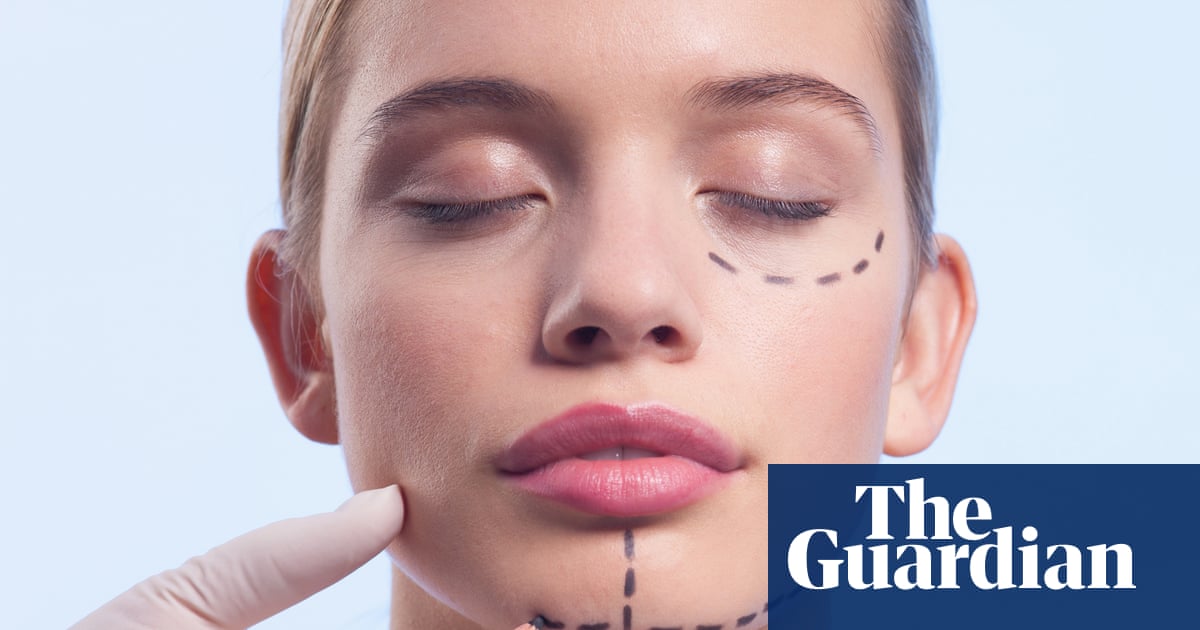
The NHS is spending up to almost £20,000 a time treating people who have suffered serious setbacks after having medical procedures abroad, research has found.
Hospitals are having to “pick up the pieces” when things go wrong for the growing number of Britons going overseas for weight loss surgery, breast enlargements or other operations.
As many as 53% of those who do end up with complications such as infections, organ failure and wounds that do not heal, according to a study published in the journal BMJ Open.
Some people need a stay in intensive care, further surgery and large amounts of antibiotics in order to recover from botched treatment they have paid for in another country, researchers found.
Patients have ended up in a UK hospital for as long as 45 days as a result of complications that arose after an operation to lose weight and even longer – 49 days – after cosmetic surgery.
It costs NHS hospitals between £1,058 and £19,549 to treat such cases, according to a review of evidence undertaken by Welsh researchers led by Dr Clare England of Health Technology Wales.
Prof Vivien Lees, the vice-president of the Royal College of Surgeons of England, said: “Too often people are drawn in by cut-price deals and glossy online marketing, only to return with serious, sometimes life-changing complications.
“When things go wrong, the NHS is left to pick up the pieces, often in emergencies and without full information about what surgery was done or by whom. That puts patients at risk and adds avoidable pressure to already stretched services.”
Dr England and colleagues analysed 37 previously published studies on 655 patients the NHS treated during 2011-2024 for post-operative complications related to surgery abroad. Most had had either a weight loss (385) or cosmetic (265) operation.
The total number of Britons who pay for medical treatment abroad is unknown but at least 348,000 were thought to have done so in 2022, the paper says. Women make up 90% of health tourists and the average age overall is 38, but they have ranged in age from just 14 to 69.
Turkey is by far the most common destination, accounting for 61% of all such trips. People also travel to have a tummy tuck, hip or knee replacement, eye surgery and dental treatment.
Cheap air fares, online advertising by medical providers abroad and difficulties obtaining NHS help have driven a surge in medical tourism over the last 20 years, the researchers say.
“Treatment of complications due to onward medical tourism can be costly and made more complicated because full information about the initial surgery may be unavailable”, the paper adds.
Andrew Rankin, a trustee of the Joint Council of Cosmetic Practitioners, said the demand for aesthetic procedures “is largely social media driven in a way that creates inappropriate body image concerns, often supported by celebrities, upon which misleading advertising then capitalises”.
A Department of Health and Social Care spokesperson said: “Too many people are being lured overseas for cheap cosmetic procedures, only to come home with life-changing complications that – as this report shows – end up costing the NHS thousands of pounds.”
It launched a campaign last year in association with TikTok to warn would-be medical tourists to be aware of the risks involved as part of an attempt to improve the safety of cosmetic treatments as a whole.