
An “unprecedented” number of people in the UK have been seeking help with their debt following Christmas, charities have said.
Debt advice charity StepChange said 5 January – the first Monday of 2026 – was its busiest day in over a year. It said 800 people received debt advice that day, which was higher than any day in 2025.
For some people, money worries intensified over the festive period. “January always tends to be a busy time for us as a charity following the festive season, but the increase compared to last year may indicate more people are struggling to make ends meet following several years of inflated living costs,” StepChange’s head of communications Simon Trevethick told Yahoo News.
A Bank of England report last week warned that credit card borrowing grew at the fastest annual rate in nearly two years in the run-up to Christmas.
December and January are also the “peak months for overdraft use due to the festive spend”, according to Nationwide, which shouldn’t come as a surprise.
But how economical are overdrafts compared to credit cards? Here, Yahoo News explains.
Why overdrafts are an expensive form of debt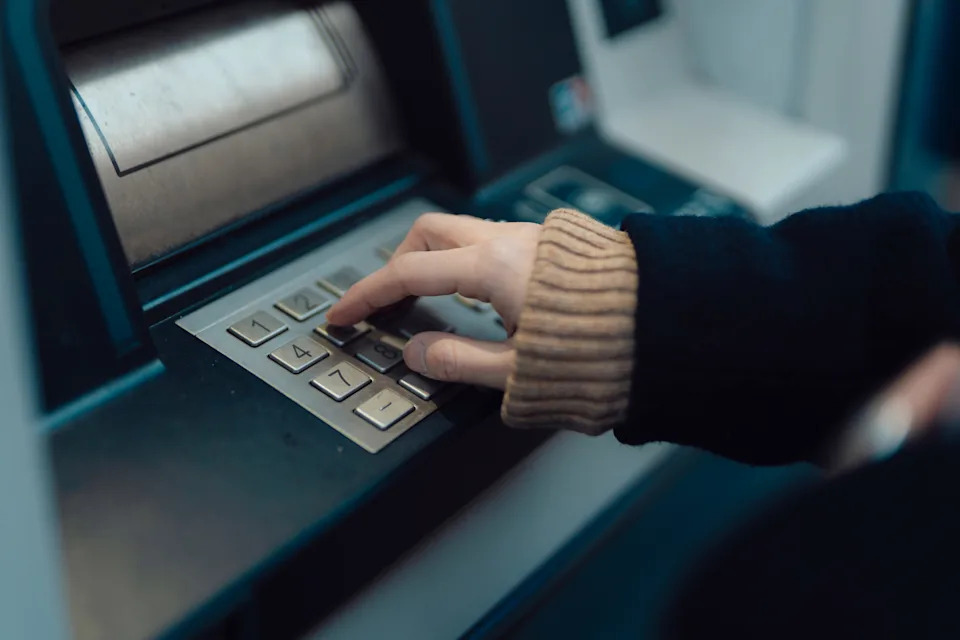
Debt charity StepChange has reported a rise in people seeking help compared to recent years. (Getty Images)
Those who have run into the red over the festive period might be wondering whether to prioritise paying off their credit card debts or their overdrafts.
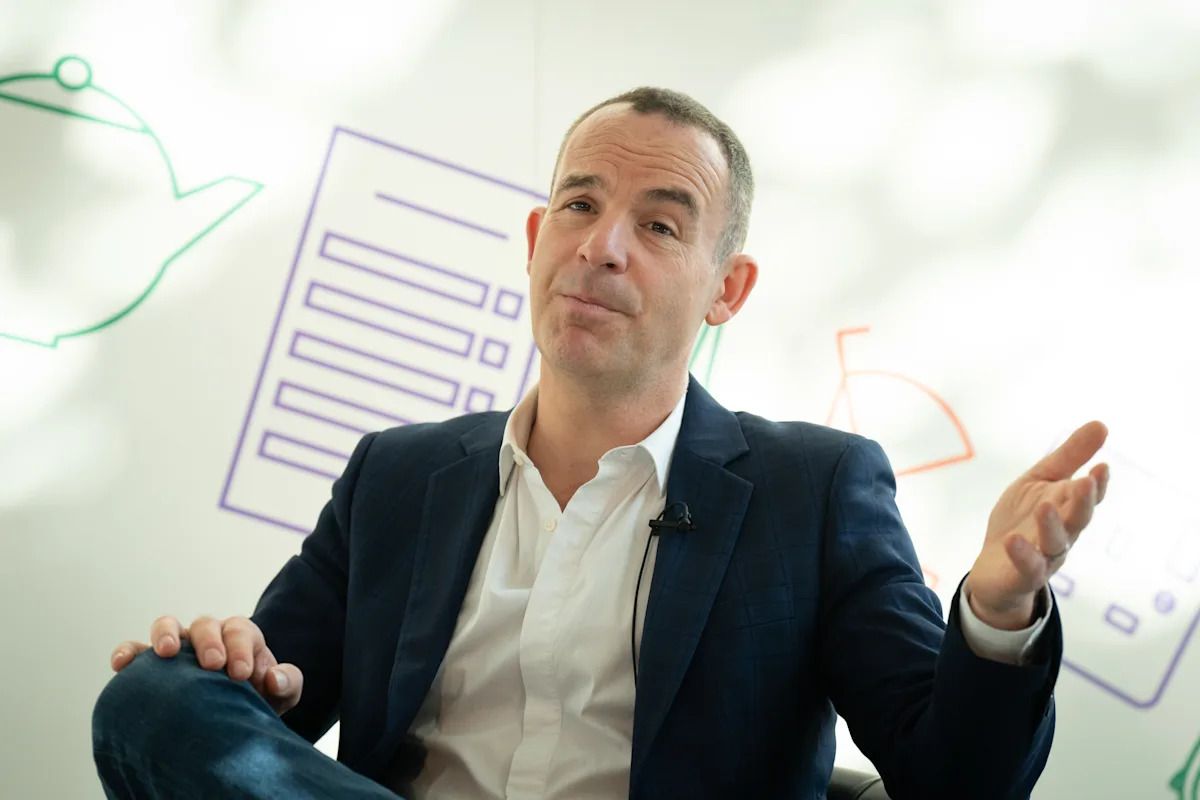
The answer is clear for MoneySavingExpert founder Martin Lewis, who described overdrafts on his BBC Sounds podcast as “the most dangerous form of mainstream borrowing”.
“Most overdrafts cost 40% interest,” the personal finance guru said. “Compare that to a typical high street credit card of just 24.9%.
“While many people think ‘credit cards bad, debit cards good’, actually, if you’re overdrawn, your debit card is a debt card too, and it is more expensive than a credit card.”
Lewis adds that people who have both forms of debt will often prioritise paying off their credit card by dipping further into their overdraft.
They have their priorities the wrong way round, he suggests, as they could find themselves paying off a 24.9% debt by building up additional debt at 40% interest.
He advises people to pay the minimum monthly repayments on their credit cards while getting rid of their overdraft.
“You want to move all your direct debits if you can to just before payday so you’re not overdrawn as much,” Lewis adds.
What is an overdraft?
An overdraft is an arrangement with your bank or building society that allows you to spend up to an agreed-upon limit after your balance drops below £0.
This ensures that if you spend more than you expected, perhaps due to an unexpected bill, you won’t be inconvenienced, according to price comparison service Uswitch.
If your application for an overdraft is successful, you will be advised on the maximum amount you can borrow.
“Ideally, this would be a sum that you could repay relatively quickly, as overdrafts are intended to be short-term loans,” Uswitch says.
“They’re not intended for long-term borrowing, and this is reflected in the high-interest charges that typically apply if you use them.”
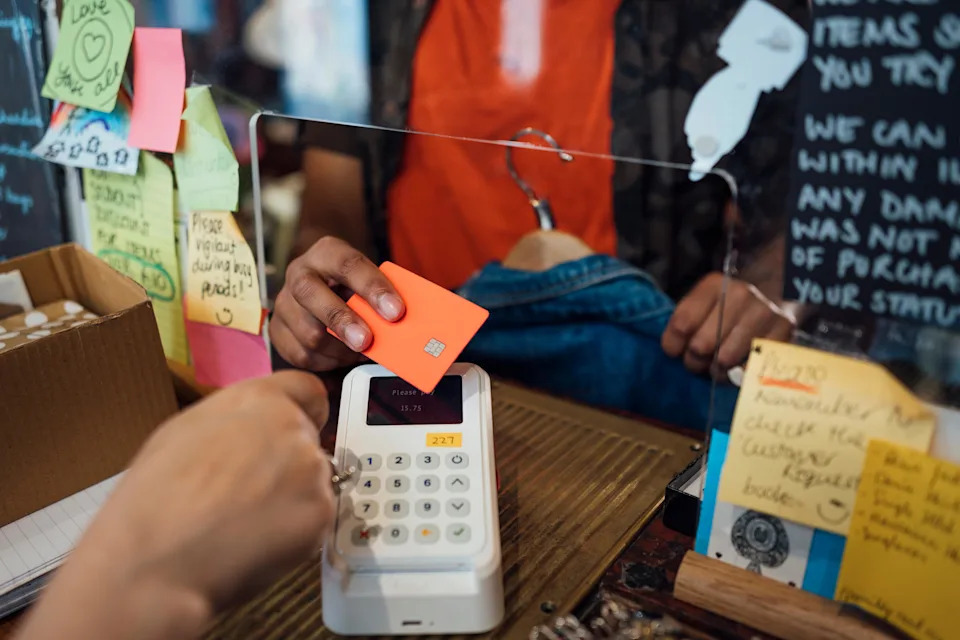
Anyone with a standard current account can apply for an overdraft limit. (Getty Images)
In addition to arranged overdrafts, there are also unarranged, or unauthorised overdrafts, which can come into effect if your balance drops below zero and you haven’t agreed to an overdraft facility with your bank, or if you start to spend more than was agreed.
“Unarranged overdraft should be avoided as you’ll incur additional charges, and could even find your account and debit card blocked to prevent further spending,” Uswitch adds.
“Should this happen, any payments, direct debits and standing orders would not be honoured by the bank. This could leave you facing the wrath of your landlord or mortgage lender, or being sanctioned by your utility company or council tax collector.”
Does an overdraft affect your credit score?
Using either your authorised or unauthorised overdraft can affect your credit score, depending on how you use it, says consumer credit reporting company Experian.
“An arranged overdraft is unlikely to have a major impact on your credit score as long as you don’t go beyond your overdraft limit or have payments refused,” the firm says.
It says that if you use your overdraft sensibly and regularly pay it off, it could even improve your credit rating, as it demonstrates to lenders that you are a “reliable borrower”.
“However, your overdraft does affect your credit score if you aren’t careful with it,” Experian warns.
“If you regularly go beyond your overdraft limit it will damage your credit rating. That’s because it shows lenders you may be struggling financially.
“Lenders also take your overall level of unsecured (non-mortgage) borrowing into consideration, so any overdraft debt you have is likely to be factored in to credit scores and lending decisions.”
What to do if you are struggling to pay off your overdraft
For those who are struggling to pay off their overdraft, Citizens Advice says they should prioritise their most important debts first, including rent or mortgage, gas and electricity, council tax and court fines.
People should then find their most recent bank statements, payslips, debit and credit card statements and receipts for items usually paid for with cash, and calculate a budget to see if they can pay off their overdraft.
Citizens Advice also says people can check if they can switch to a bank account with an interest-free overdraft, although this 0% period is usually only available for a limited time.
StepChange has some useful budget templates on its website. The charity told Yahoo News it is “also crucial to speak to your creditors and let them know you’re having difficulty with payments”.
“Whether that’s your bank or a utility provider, they have a responsibility to support you, discuss options for repayment and signpost to any other sources of support,” it added.
“We’d always encourage people to get debt advice as soon as they think they may be struggling to manage their finances.
“The sooner you reach out for help, the more options there will be available to you for getting back on track.”