
The 26-year-old is warning others not to make the same mistakeNeil Shaw Assistant Editor (Money and Lifestyle)
10:49, 14 Jan 2026
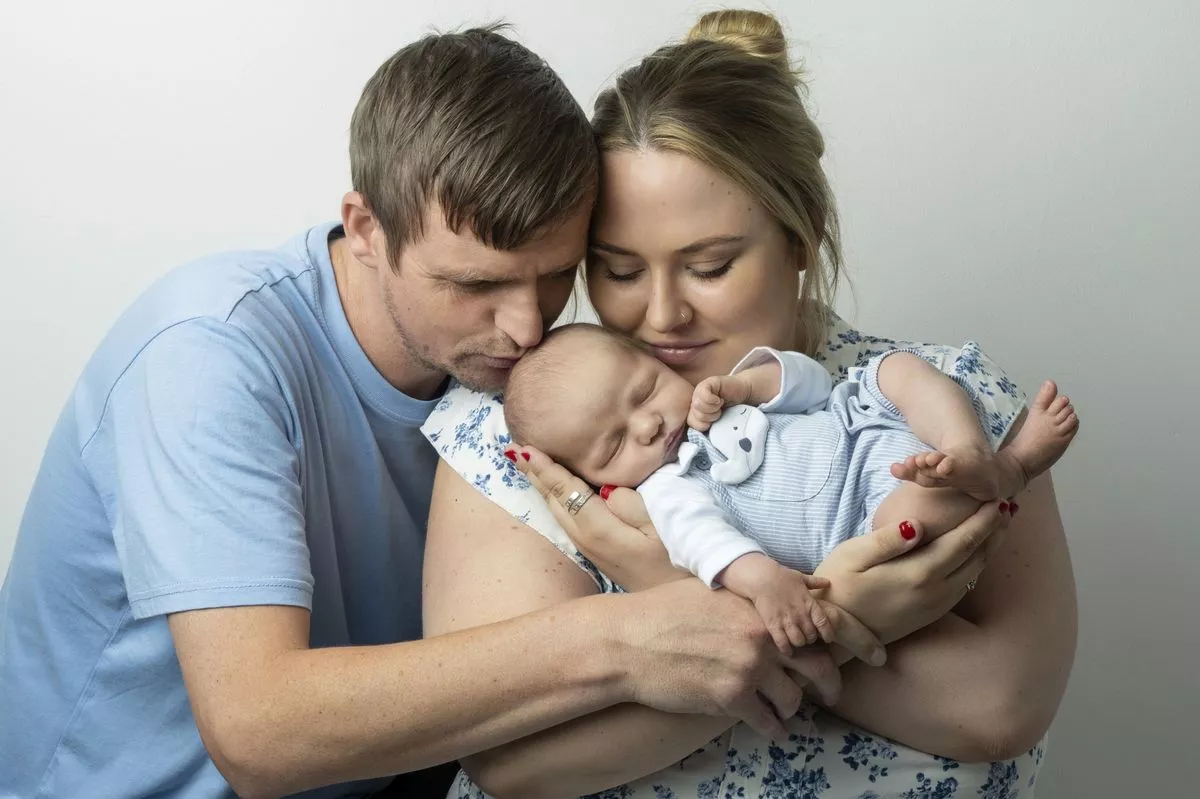
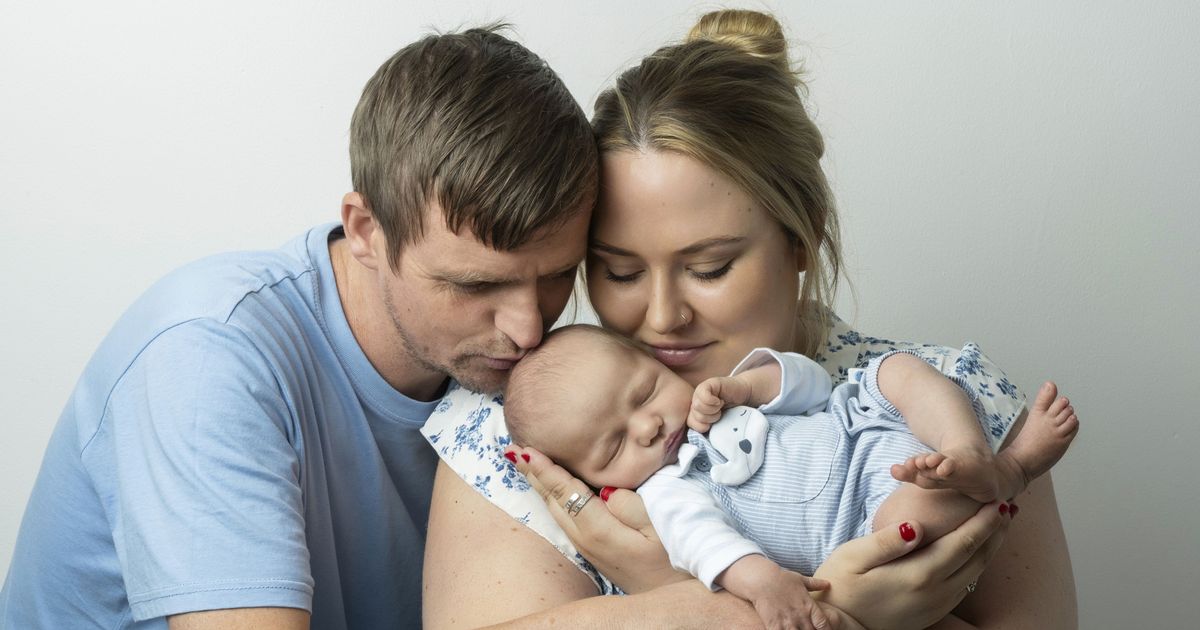
Molly with fiancé Michael and son Hudson (Kennedy News/Martin Steel Photography)(Image: )
A new mum says she blew £4,000 after developing a sudden gambling addiction when a friend gave her a free £5 online bingo bet. Molly Clipsham had never gambled before but when a friend suggested she sign up to a bingo site using her code to claim a free £5, she decided to give it a go.
On her second ever bingo game the 26-year-old won £1,397.60 and then continued to chase the ‘rush’ of a win. The mum-of-one started making regular £10 deposits before moving onto online slots, at times spending £100 in 15 minutes. The supermarket manager used her big wins to pay for lavish trips away with fiancé Michael Kirwin, but admits chasing the thrill of a potential win made her ‘greedy’.
Despite briefly quitting while pregnant with her first child Hudson Kirwin, Molly fell into a ‘dark hole’ again after he was born in August. Now she is speaking out about her recovery journey to help others in a similar situation.

Molly Clipsham (Kennedy News/Martin Steel Photography)(Image: )
Molly, from Grimsby, said: “My friend told me about [online bingo sites] in 2021. She said if I signed up using her code, I would get a free £5 to play with. I played the first game, didn’t win anything. But I carried on playing. Then in my second game I won £1,397. I thought ‘oh my god’. That’s when it all started, it was like a switch went off in my head.
“I started playing every weekend, only £5 or £10 at first, nothing major. I wasn’t addicted yet.”
After a year, Molly moved from bingo to casino games and continued to see gambling as another source of income, using it to fund trips to Disney World in Florida. Over time, Molly says she began to get ‘greedy’ about big wins, spending £100 in the time it took her to have a bath.
Molly said: “I saw an advert for online slots and I thought I’d switch over to using them. About five weeks later, I had another big win of about £2,000. Gambling was paying me more than my monthly job, so my partner and I were able to go to Disney World. But I started getting greedy, thinking I needed to win ‘big’ like I had done before.
“I was in the bath once and spent £100 in a quarter of an hour. If I put that money on and I lost it, I’d try and get it back. I put more and more on, chasing my tail. It was the rush of it, the feeling of the win, the potential of what I could win. It’s crazy what it can turn you into.”
She gave up completely while she was pregnant, but fell in a ‘dark hole’ of gambling again after her son Hudson was born. Molly says she feels immense ‘guilt’ for not focusing on her 16-week-old son and says the turning point came when she realised she’d spent more than £4,000 in four years.
Confronted with the astonishing sum, figure Molly opened up to her family and strangers online about what was happening and decided to quit. Molly said: “When I got pregnant, the gambling stopped. I didn’t even think about it while I was pregnant.

Molly with fiancé Michael in Florida (Kennedy News/Martin Steel Photography)(Image: )
“But after I had my baby, I fell into quite a dark hole and I used it as an escape, until it got out of hand again. When my son was down for naptime or on his playmat, that’s when I would get the urge to go and put money on the games. But it shouldn’t be like that, I should have been interacting and spending time with him.
“The turning point was looking at my lifetime deposits, I’ve deposited over £4,000 over the last four years. I feel massive guilt. All the money that I’ve put on since I had my little boy could’ve gone towards him and his future.”
Despite gambling being considered a ‘men’s game’, Molly believes the social element of chat rooms appeals to women. Molly said: “I’ve been spreading my story on TikTok and I’ve created a little community of girls. It’s surprised me how many women out there are in my position.
“We share our stories and whenever one of us feels that urge, we reach out and remind each other about family and why we’ve stopped. Gambling is thought of as a men’s field. They go to the bookies or play the bandits in the pub. It’s always been categorised as a men’s game.
“But women find satisfaction in social games like bingo, which have chat rooms, that’s how it started for me. Bingo was like a gateway.”
Now trying to steer clear of gambling sites, Molly says she still faces ‘manipulative’ TV adverts popping up when she least expects them. Molly said: “I was watching a kids’ movie with my son the other day and I paused it and straight away an advert came up for a betting site, offering free spins if you deposit £5.
“They reward you just for putting money in, it’s manipulative. My advice is look at what you’re spending, keep an eye on your overall total. It was a big realisation for me when I actually looked at my lifetime deposits. Every time I get that urge or that itch, I just look at my son. He’s going to be the one to save me.”

Molly with fiancé Michael in Florida (Kennedy News/Martin Steel Photography)(Image: )
A Gambling Commission spokesperson said: “There are strict rules governing the advertising of gambling, which are written by Committee of Advertising Practice (CAP) and enforced by the Advertising Standards Authority (ASA).
“The rules are designed to ensure that marketing communications for gambling products are socially responsible, with particular regard to the need to protect children, young persons under 18 and other vulnerable persons from being harmed or exploited by advertising that features or promotes gambling.
“We work very closely with the ASA, and if a gambling firm is found to be in serious or repeated breach of the rules we can take tough action, including issuing fines. Like many businesses gambling operators are free to offer incentives to customers but they must be provided in a socially responsible manner.
“We recently announced new rules increasing the safety and simplicity of consumer promotional offers. From 19 January, gambling businesses will be banned from offering potentially harmful offers involving consumers having to carry out two or more types of gambling, such as betting and playing slots.
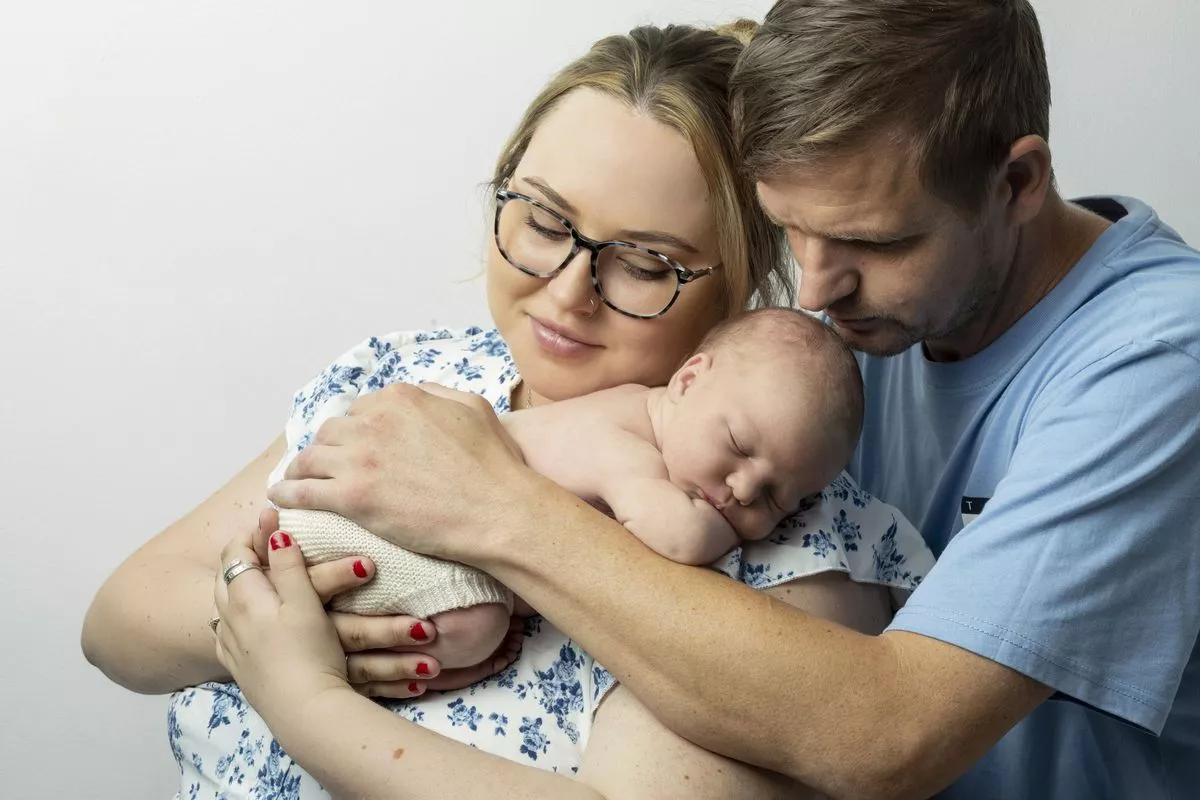
Molly with fiancé Michael and son Hudson (Kennedy News/Martin Steel Photography)(Image: )
“They will also be limited on the number of times bonus funds must be re-staked before the consumer can withdraw winnings from the bonus.”
A spokesperson for the ASA said: “We have robust and well-established rules in place that require gambling ads to be responsible and to not target children or vulnerable audiences. We monitor gambling advertising closely and take firm action in the small minority of cases where we do see ads that break these rules.
“In 2022, we updated our Gambling rules on protecting under-18s in gambling and lotteries advertising. This rules update replaced the previous test of “particular” appeal (content likely to appeal more to under-18s than adults) with a stricter test of ‘strong appeal’, where there is a reasonable case that online content might unduly attract the attention of under-18s.”