
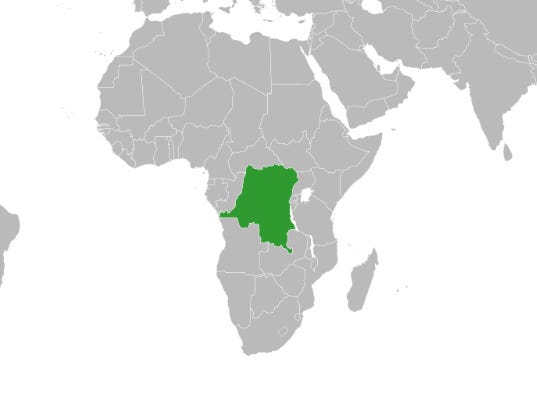
Health authorities in the Popokabaka territory of Kwango province are reporting a typhoid fever outbreak.
More than 350 cases have already been reported, including 44 cases of intestinal perforation and 11 deaths, according to an alert issued on Monday by government officials.
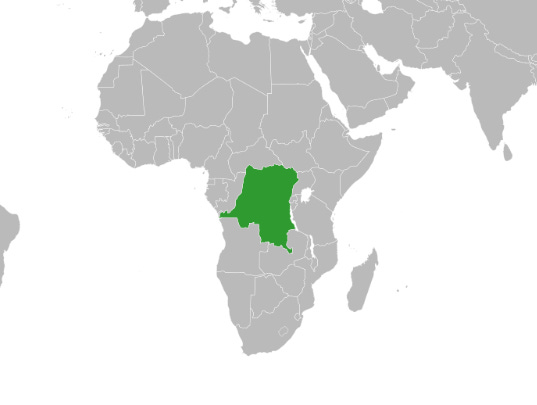 Image/Listz3
“Popokabaka has 30 health areas, 12 of which are already affected by the epidemic. This is an alarming sign. This is clearly a major public health problem.”- National Deputy Jean-Pierre Pasi Zapamba said.
Faced with this emergency, the official is calling for the rapid dispatch of medicines and a specialized medical team, in order to stop the spread of the disease and save lives.
This crisis highlights once again the vulnerability of the health system in rural areas and the urgent need to strengthen epidemic response mechanisms.
Typhoid fever is a serious disease caused by Salmonella Typhi (Typhi) bacteria. The bacteria spread through contaminated food and water and person-to-person contact.
Subscribe to Outbreak News TV on YouTube
Symptoms of typhoid fever include high fever, weakness, stomach pain, headache, constipation or diarrhea, cough, and loss of appetite. Typhoid fever can be fatal without appropriate antibiotic treatment.
As of 2019 estimates, there are 9 million cases of typhoid fever annually, resulting in about 110,000 deaths per year globally.
Typhoid risk is higher in populations that lack access to safe water and adequate sanitation, and children are at highest risk.
Typhoid fever is common in places with poor sanitation and a lack of safe drinking water. Access to safe water and adequate sanitation, hygiene among food handlers and typhoid vaccination are all effective in preventing typhoid fever.