
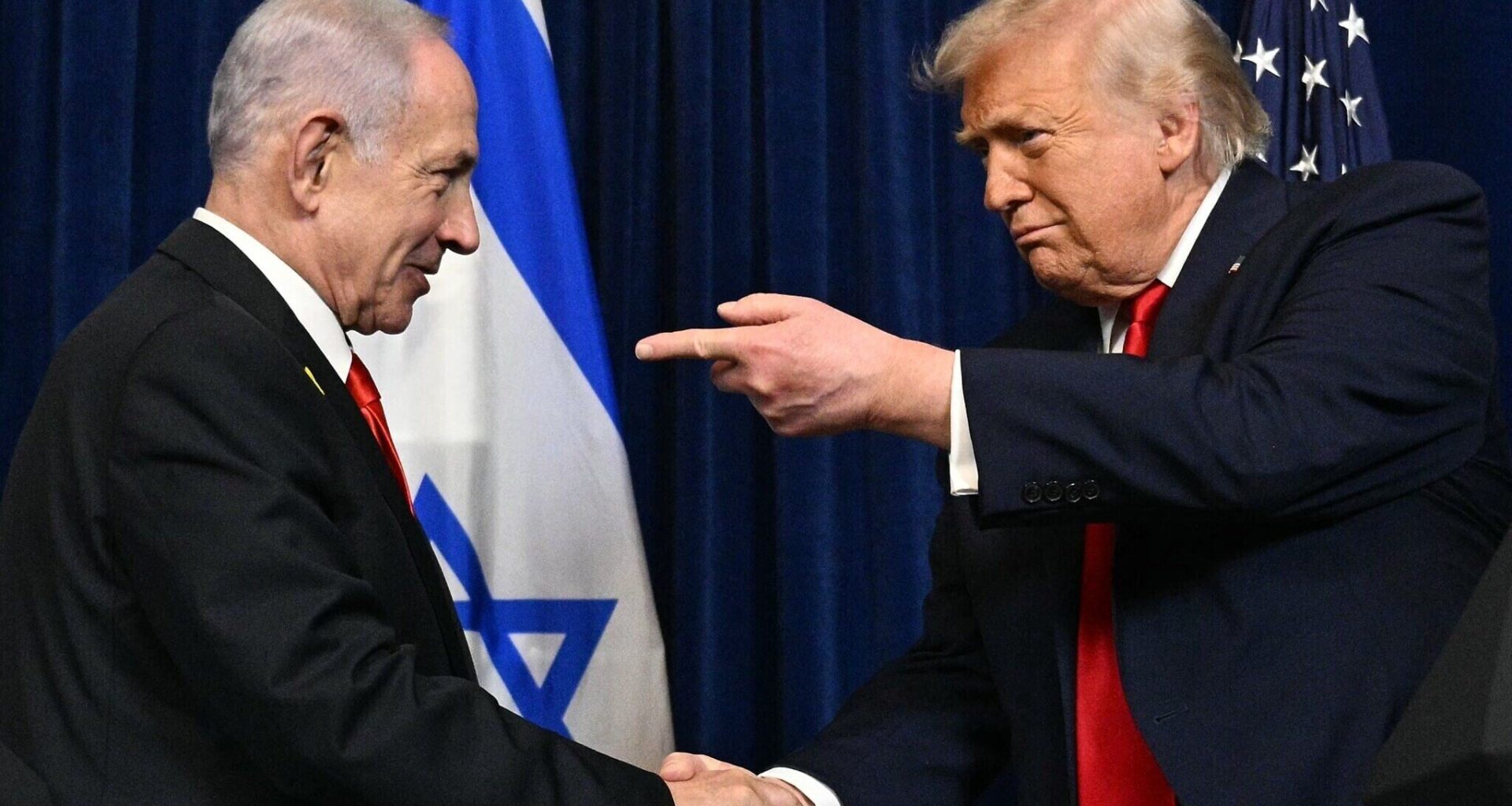
Prime Minister Benjamin Netanyahu asked US President Donald Trump to delay potential plans for an American strike on Iran, the New York Times reported Thursday, citing a senior US official. It said Netanyahu had requested that Trump “postpone any plans” for a military attack. The White House later confirmed that the two leaders had spoken by phone, but did not give details of the conversation.
Trump had threatened to strike Iran over its mass killings of protesters in anti-regime demonstrations that began two-and-a-half weeks ago. Iran has threatened to retaliate against Israel if attacked by the US.
On Wednesday, Trump appeared to back away from the threat, saying he received assurances that the killings would cease. Trump and Netanyahu spoke over the phone the same day, and the premier asked Trump to hold off on attacking Iran, according to the Times. It was unclear from the report if the conversation took place before or after Trump’s statement.
Senior officials from American allies Qatar, Saudi Arabia, Oman and Egypt have also been urging the Trump administration not to attack Iran over the past several days, a Gulf Arab official told the US newspaper, warning that such a move could trigger a wider regional conflict. Earlier reports indicated that leaders of the four Arab states led a coordinated effort to dissuade Trump from launching a strike.
Following the New York Times report, Israel’s Channel 12 news reported that, after a series of consultations at the Kirya military headquarters overnight, Israel informed the US that it is not currently pushing for a strike but will support any American decision.
Get The Times of Israel’s Daily Edition
by email and never miss our top stories
By signing up, you agree to the terms
The network added that a US attack remained on the table as Washington continued to assess the situation, citing five sources involved in or familiar with White House discussions on the matter.
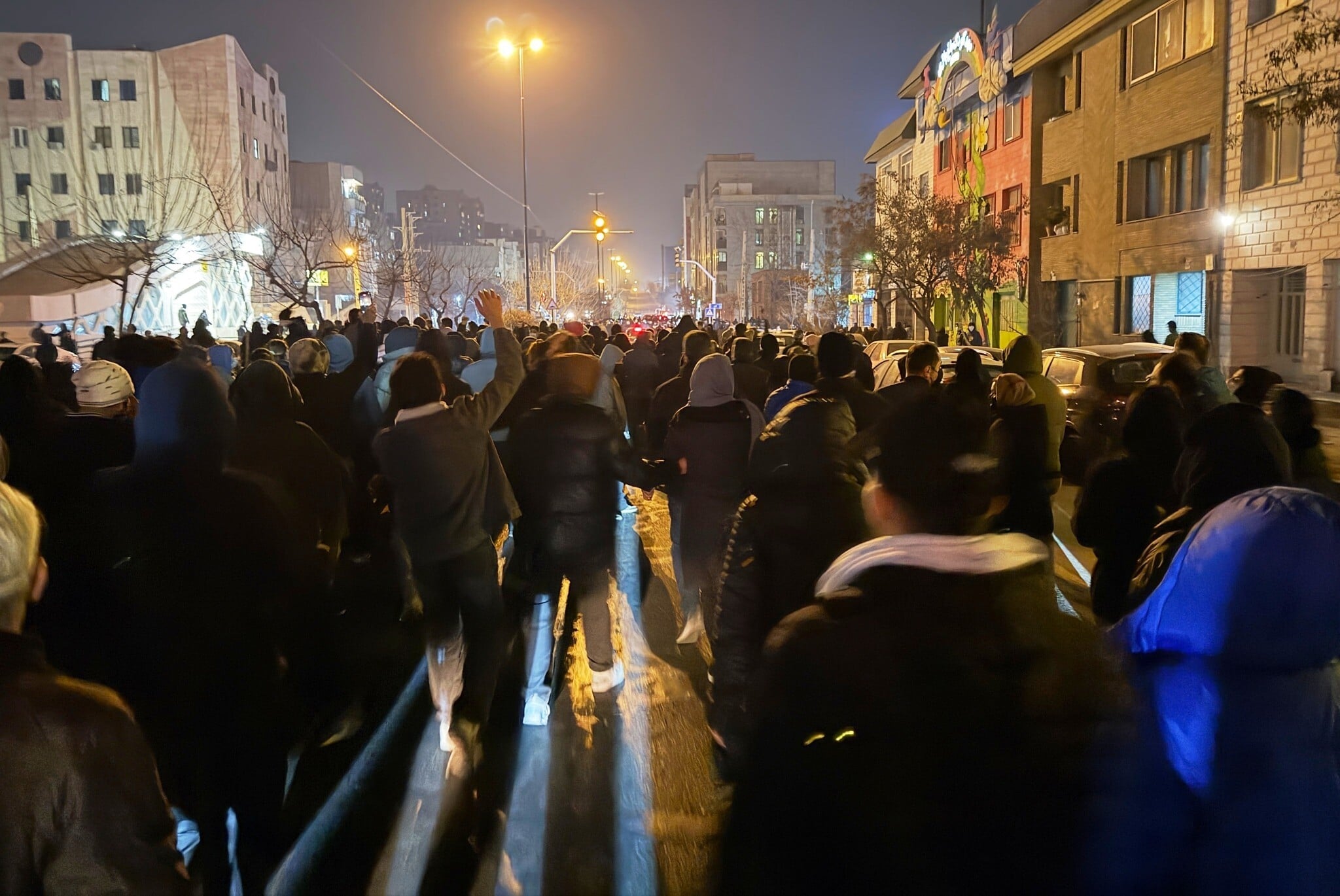
In this photo obtained by The Associated Press, Iranians attend an anti-government protest in Tehran, Iran, January 8, 2026. (UGC via AP)
Jerusalem and Washington are holding daily consultations, the report continued, adding that US Secretary of State Marco Rubio also spoke with Netanyahu on Wednesday for reportedly the third conversation within six days.
While military options remain on the table for Trump, the current pause is also being viewed as an opening for diplomacy, according to Channel 12, which cited a US official as saying that the Iranian regime would collapse unless Supreme Leader Ali Khamenei agreed to speak directly with Trump.
According to the network, Israeli officials believe the protests are being suppressed and have declined dramatically, and there is a dispute within Israel’s top leadership regarding the approach toward Iran.
Former strategic affairs minister Ron Dermer, a Netanyahu confidant who played a central role in the Iran file before leaving his position last year, is advocating for a more hawkish approach and conveying this to the Americans, the report added.
White House press secretary Karoline Leavitt confirmed Thursday that Trump and Netanyahu spoke, but declined to provide details on what they discussed. The Prime Minister’s Office did not comment.
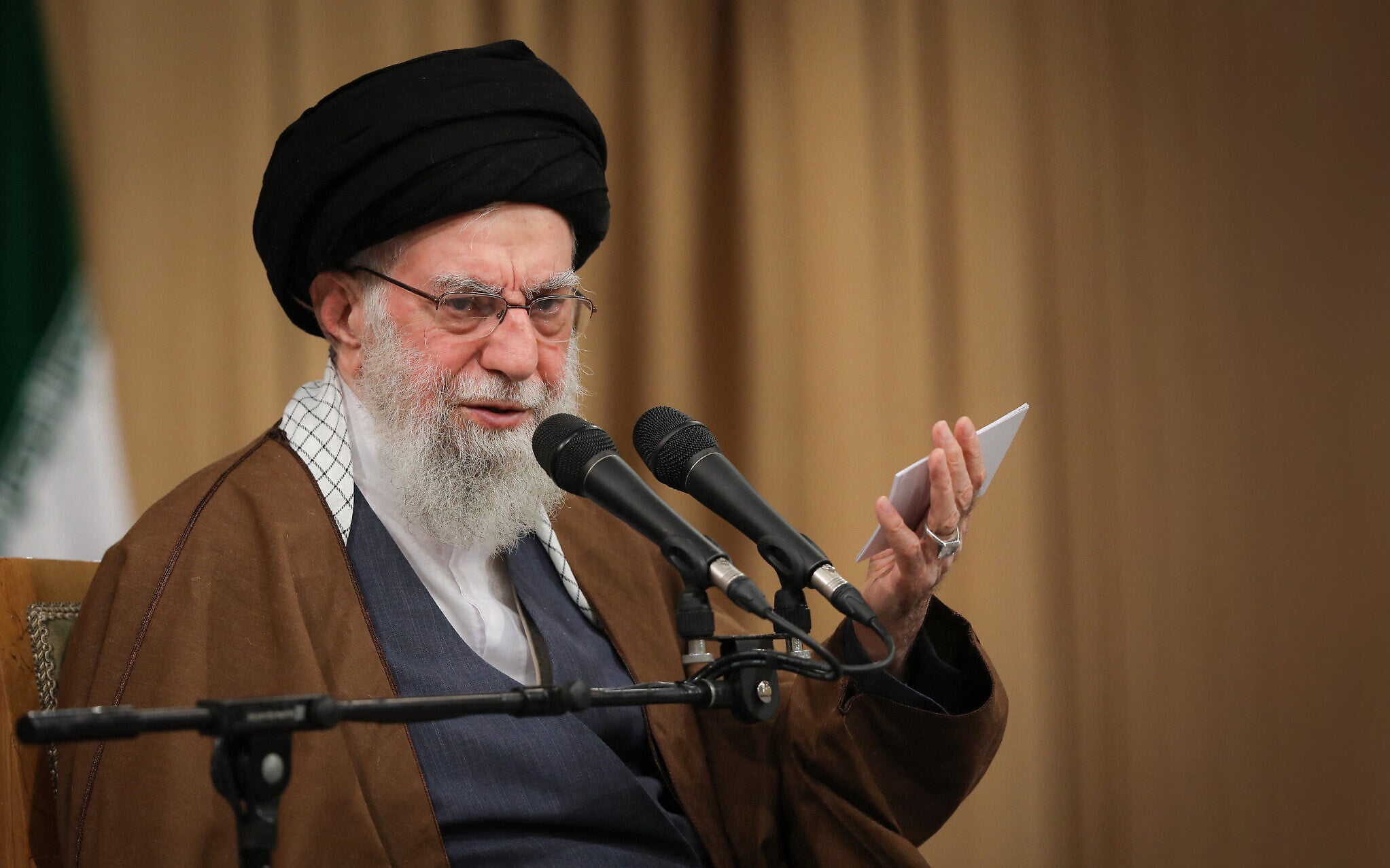
Iran’s Supreme Leader Ayatollah Ali Khamenei addresses a meeting with students in Tehran on November 3, 2025. (Photo by KHAMENEI.IR / AFP)
Speaking to reporters, Leavitt also said Iran had called off 800 executions following Trump’s warnings, though Iran had not publicized plans to execute 800 protesters.
“The president and his team have communicated to the Iranian regime that if the killing continues, there will be consequences. The president [then] received a message… that the killing and the executions will stop,” she said, adding that “the president understands today that 800 executions that were scheduled and supposed to take place yesterday were halted.”
“The president and his team are closely monitoring the situation and all options remain on the table,” said Leavitt.
‘The regime is weaker than ever before’
Meanwhile, US and Iranian officials faced off Thursday at the UN Security Council, where US envoy Mike Waltz renewed Trump’s threats against the Islamic Republic despite the president’s effort to lower the temperature.
“Colleagues, let me be clear: President Trump is a man of action, not endless talk like we see at the United Nations,” Waltz said in a statement. “He has made it clear that all options are on the table to stop the slaughter. And no one should know that better than the leadership of the Iranian regime.”
The Iranian regime’s violence and repression against its own people threaten international peace and security.
President Trump and the United States stand with the brave people of Iran as they demand freedom and a better future. pic.twitter.com/IHzRoUQfcM
— Ambassador Mike Waltz (@USAmbUN) January 15, 2026
Waltz also dismissed allegations by Iran that the protests are “a foreign plot to give a precursor to military action.”
“Everyone in the world needs to know that the regime is weaker than ever before, and therefore is putting forward this lie because of the power of the Iranian people in the streets. They are afraid. They’re afraid of their own people,” Waltz said.
The US requested the emergency Security Council meeting and invited two Iranian dissidents, Masih Alinejad and Ahmad Batebi, to open the session with gruesome details of their experience as targets of the Islamic Republic.
In a stunning moment, Alinejad addressed the Iranian representative directly.
“You have tried to kill me three times. I have seen my would-be assassin with my own eyes in front of my garden, in my home in Brooklyn,” she said while the Iranian official looked directly ahead, without acknowledging her.
Very powerful scenes of @AlinejadMasih and @radiojibi confronting #Iran‘s regime’s mission at the UNSC today (it notably didn’t send the permanent rep but one of his deputies). This was a good idea for @USUN to invite them to hold Tehran accountable before the UNSC. At one point… pic.twitter.com/VCvmWeBq9e
— Jason Brodsky (@JasonMBrodsky) January 15, 2026
In October, two purported Russian mobsters were each sentenced to 25 years behind bars for hiring a hit man to kill Alinejad at her New York home three years ago on behalf of the Iranian government.
Batebi described the deep cuts the prison guards in Iran would inflict on him before pouring salt on his wounds. “If you do not believe me, I can show you my body right now,” he told the council.
Both dissidents called on the world body and the council to do more to hold Iran accountable for its human rights abuses. Batebi pleaded with Trump not to “leave” the Iranian people alone.
“You encouraged people to go into the streets. That was a good thing. But don’t leave them alone,” he said.
Iran’s Deputy UN Ambassador Gholamhossein Darzi stated Tehran does not seek escalation or confrontation and accused Waltz of resorting “to lies, distortion of facts, and a deliberate misinformation campaign to conceal his country’s direct involvement in steering unrest in Iran to violence.”
“However, any act of aggression — direct or indirect — will be met with a decisive, proportionate, and lawful response,” he told the Security Council. “This is not a threat; it is a statement of legal reality.”
Darzi also accused Washington of “exploitation of peaceful protests for geopolitical purposes.”
Trump’s statements were “aimed at reigniting unrest,” he said.
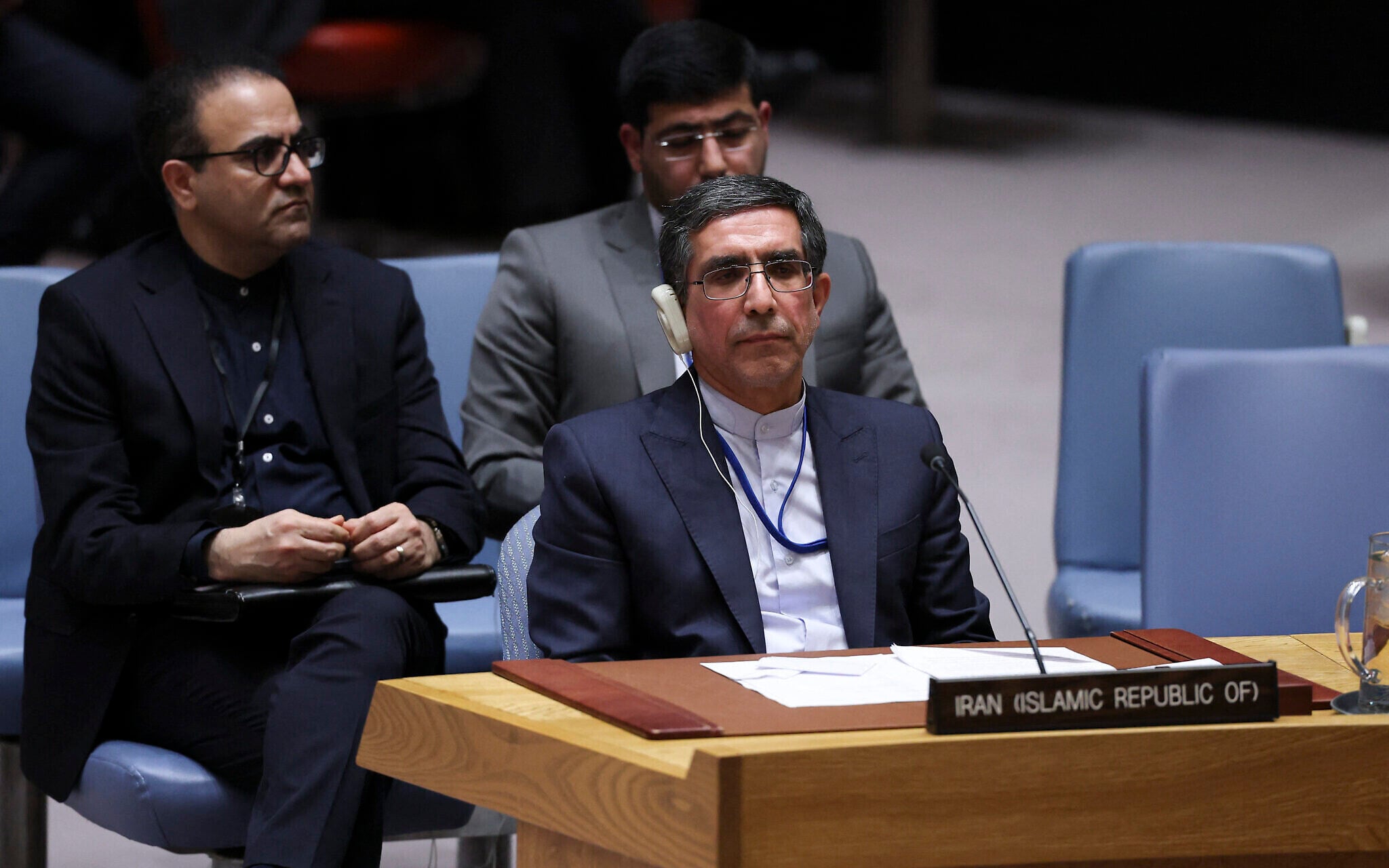
Iranian Deputy Ambassador to the UN Gholamhossein Darzi listens during a UN Security Council meeting on the situation in Iran, at United Nations headquarters in New York, January 15, 2026. (Angela Weiss/AFP)
Russia’s UN Ambassador Vassily Nebenzia accused the United States of convening the Security Council in a bid to “justify blatant aggression and interference in the internal affairs of a sovereign state” and threats to “solve the Iranian problem in its favorite way: through strikes aimed at overthrowing an undesirable regime.”
“We strongly urge the hot heads in Washington and other capitals … to come to their senses,” he said.
United Nations Secretary-General Antonio Guterres urges “maximum restraint at this sensitive moment and calls on all actors to refrain from any actions that could lead to further loss of life or ignite a wider regional escalation,” senior UN official Martha Pobee told the council.
“We note with alarm various public statements suggesting possible military strikes on Iran. This external dimension adds volatility to an already combustible situation,” she added.
“Loud and clear, again and again, we hear the Iranians lift their voices for a better life,” Denmark’s UN Ambassador Christina Markus Lassen told the Security Council. “For too long the leaders in Tehran have not heeded this call. The time has now come for the government of Iran to finally listen, to respond to the will of its people through peaceful means. We urge them to start today.”
Before the meeting, Iranian Foreign Minister Abbas Araghchi and Guterres spoke by phone for the first time since the deadly protests began last month. Iran’s semiofficial Tasnim news agency reported that Araghchi implored the top UN official to live up to the “serious expectation” that Iran’s government and its people have of the UN’s role in condemning “illegal US interventions against Iran.”
IDF chief drills missile defenses as Israel remains on high alert
Israel remained on heightened alert even as the the protests challenging Iran’s theocracy appeared increasingly smothered Thursday, a week after authorities shut the country off from the world and escalated a bloody crackdown that activists say has killed at least 2,637 people.
Amid the tensions, IDF Chief of Staff Lt. Gen. Eyal Zamir visited an Arrow missile defense battery and took part in a drill simulating a missile attack. He also reviewed the unit’s operational readiness alongside the head of the Aerial Defense Array and other senior officers.
“It is important that every citizen of Israel knows that the IDF is constantly prepared to defend the country,” Zamir said, adding that the military “adjusts its readiness based on a responsible and measured situational assessment.”
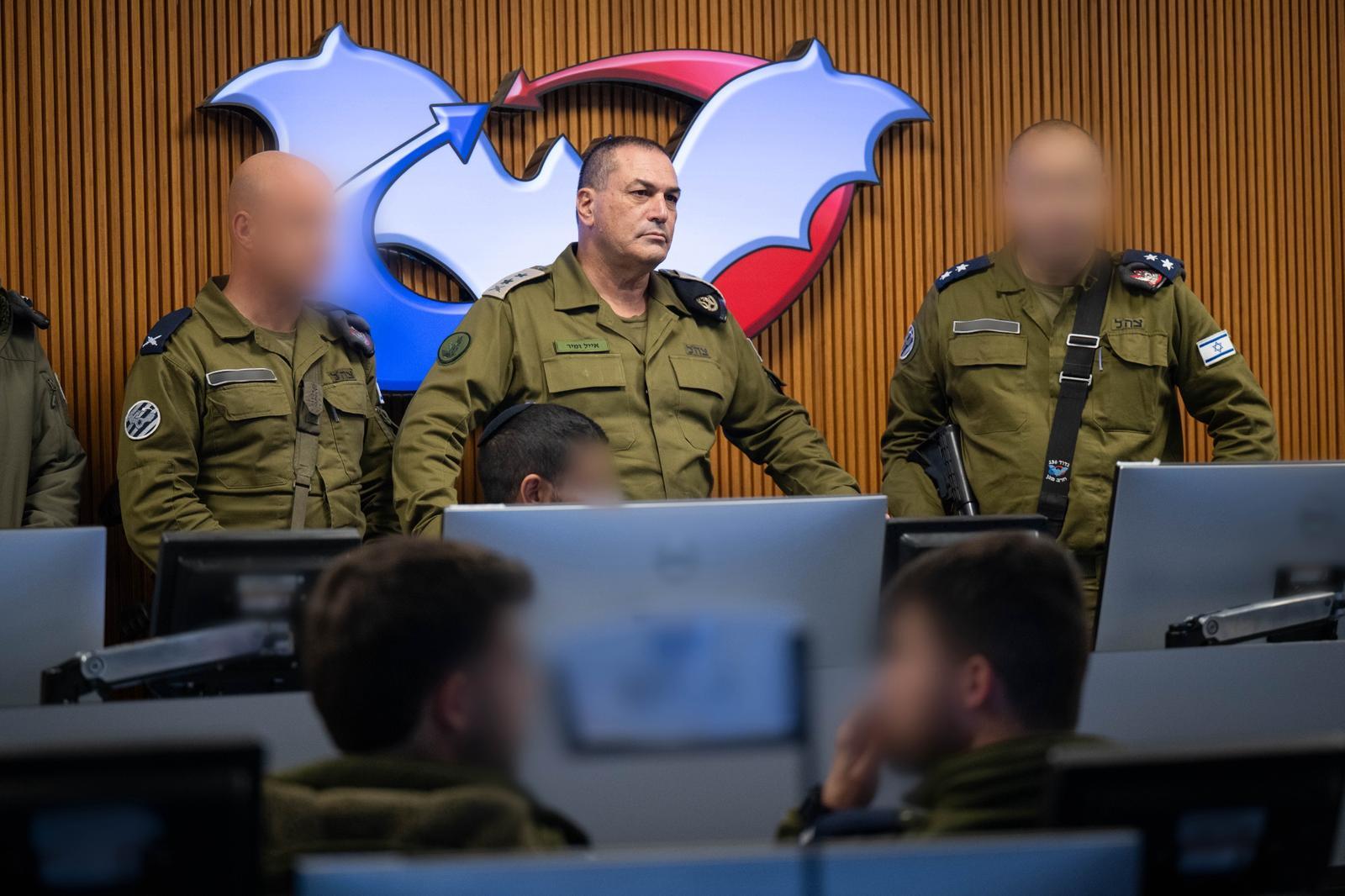
IDF Chief of Staff Lt. Gen. Eyal Zamir visits an Arrow missile defense battery and takes part in an aerial defense drill, January 15, 2026. (Israel Defense Forces)
He also stressed the central role of the air force and air defense units, saying that “the Air Force, together with the rest of the IDF, constitutes a protective wall for our citizens and a guarantee of our security.”
The IDF said it would remain on high alert and would continue to act to thwart threats across all fronts.
Experts have warned that Israel may find itself less equipped to defend itself against Iran’s missile threat that it was in the two countries’ 12-day round of fighting in June, when Israel targeted the Islamic Republic’s military leadership, nuclear program and missile production.
Agencies contributed to this report.