
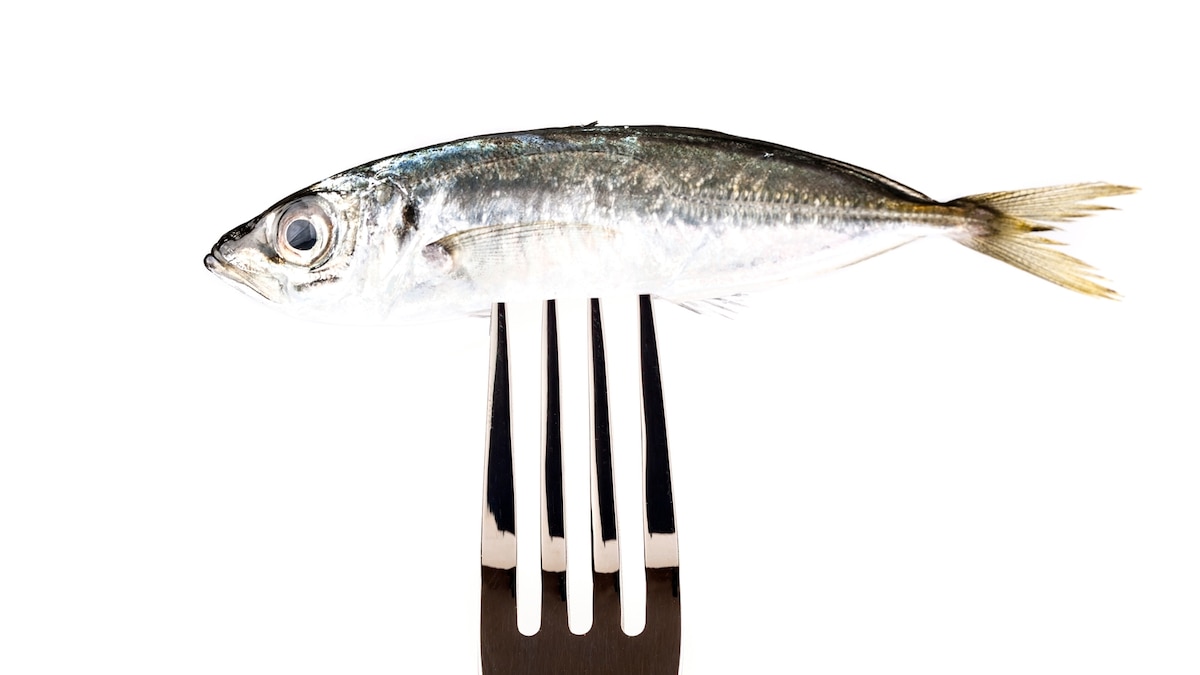
Hicks: Yes, I like mussels! They’re generally sustainable and nutritious, as long as you’re not allergic. I also tend to favor sardines, especially tinned, because they’re nutrient-rich, widely available, and last a long time. I do not eat farmed salmon or sea bass because they rely on wild fish for feed, often small pelagic species such as whiting. Because of global demand, fish that were once sold cheaply in local West African markets are now diverted to fishmeal factories, supporting aquaculture in wealthier countries. This shift puts pressure on critical nutrient supplies for local communities.
I do really like octopus, and in many cases they can be super sustainable because of their fast life span, depending on where it’s sourced and managed. Rotational closures in Madagascar have successfully allowed populations to recover while supporting local communities.
Nunn: What’s something people often forget about seafood?
Hicks: It includes so much more than just fish. Seaweeds, other marine plants, and invertebrates are all super nutritious and healthy. Seaweed in particular is often more sustainable than many traditional seafood choices, can provide important nutrients, and can even help restore marine ecosystems.
Overall, I try to eat a diverse range of seafood—not only for health, but because dietary diversity mirrors ecological diversity, which is good for the planet as well.
Nunn: How will climate change affect fisheries and seafood? Are there particularly vulnerable species we should avoid so that we don’t put them more at risk as their environment changes?
Hicks: Reducing carbon output is the only real way to protect healthy fish populations from climate change. Higher-latitude regions may see new species appear, like octopus in the U.K., but the most vulnerable communities in the tropics will face the greatest losses. These are places that have contributed least to emissions but have high nutrient gaps. The climate aspect adds another grotesque injustice to the food system.