
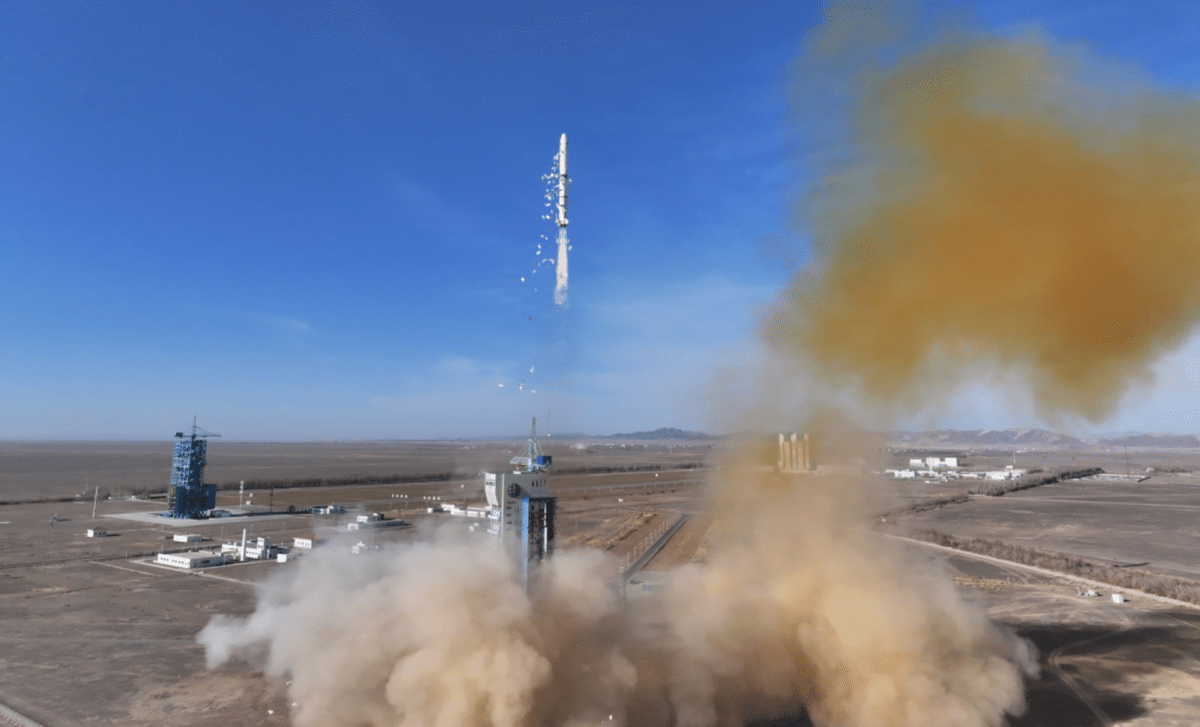
On January 15, 2026, China marked a major milestone in its space cooperation with Algeria through the successful launch of the AlSat-3A remote sensing satellite. This satellite, part of a broader space program between the two countries, is set to help improve land planning and disaster management. The event showcases the growing collaboration between China and Algeria in space exploration, particularly in remote sensing technology. The launch, which took place at the Jiuquan Satellite Launch Center, demonstrates China’s technological capabilities and its expanding role in global space development.
China’s Growing Role in Global Space Cooperation
The AlSat-3A satellite is a product of the deepening space cooperation between China and Algeria, a partnership that has grown significantly over the past few years. According to CGTN, the satellite was launched aboard the Long March-2C rocket, a tried-and-true carrier rocket from China’s Long March series, which continues to be a symbol of the country’s space prowess.
The partnership between the two nations is not just limited to the satellite itself; it extends to the full Algeria Remote Sensing Satellite System Program, which also includes ground systems, training, and ongoing technical support. This satellite launch follows the successful deployment of the Alcomsat-1 communication satellite in 2017, marking another significant step in the bilateral space initiatives between the two nations.
A Step Forward in Disaster Management and Land Planning
One of the key purposes of the AlSat-3A satellite is to enhance disaster prevention and mitigation, a goal that is increasingly critical in today’s climate-challenged world. Remote sensing satellites are invaluable tools for monitoring natural disasters such as floods, earthquakes, and wildfires, providing real-time data to support emergency response efforts.
In addition, the satellite’s ability to monitor land use and environmental changes makes it a powerful tool for improving urban planning and agriculture, areas where Algeria and other developing countries can greatly benefit. The satellite’s detailed images and data can help optimize resources, plan for urban expansion, and protect vulnerable populations from environmental hazards. As part of a broader initiative, the launch of the AlSat-3A demonstrates how China is contributing to global efforts in sustainable development.
China-Algeria Space Collaboration
The AlSat-3A launch is more than just a technological achievement. It symbolizes the strengthening of ties between China and Algeria in space exploration and technology. Through agreements signed in 2023, including the joint development of the AlSat-3A, both nations are working together to enhance each other’s scientific and technical capacities.
While China brings its advanced space technology and expertise, Algeria stands to gain from the knowledge-sharing and capacity-building elements of the partnership. The successful launch is a testament to the collaborative spirit between the two countries, which share a vision of advancing space technology for the benefit of both nations and the broader global community.
Long March Rocket Series
The AlSat-3A’s successful deployment on the Long March-2C rocket is another testament to China’s innovative achievements in space technology. The Long March rocket series, which has now seen its 626th flight, is one of the most reliable and widely used families of carrier rockets in the world.
It has been instrumental in deploying a variety of payloads into orbit, ranging from communication satellites to scientific instruments. The successful launch of AlSat-3A is another example of how the Long March series continues to play a pivotal role in China’s expanding space capabilities. For China, the Long March rockets represent not just technological achievements but also the country’s ambitions in space exploration.
Remote sensing satellites like AlSat-3A play a crucial role in supporting sustainable development goals, especially in the areas of agriculture, urban planning, and environmental monitoring. By providing accurate, real-time data, these satellites can help countries like Algeria better manage their resources and plan for the future.
For example, satellite images can be used totrack deforestation, monitor crop health, or assess the impact of urbanization. By assisting governments and organizations in making informed decisions, remote sensing satellites help promote more sustainable development practices, contributing to both environmental and economic growth.
The International Impact of Space Diplomacy
The successful collaboration between China and Algeria also highlights the growing importance of space diplomacy in international relations. As countries around the world work together on space exploration projects, they are not only advancing science and technology but also fostering stronger diplomatic ties.
The China-Algeria space partnership is a prime example of how space cooperation can serve as a bridge for deeper geopolitical and economic cooperation. It reflects a shift in global space diplomacy, where collaboration in space technology fosters collaboration in other sectors, such as education, infrastructure, and trade.