
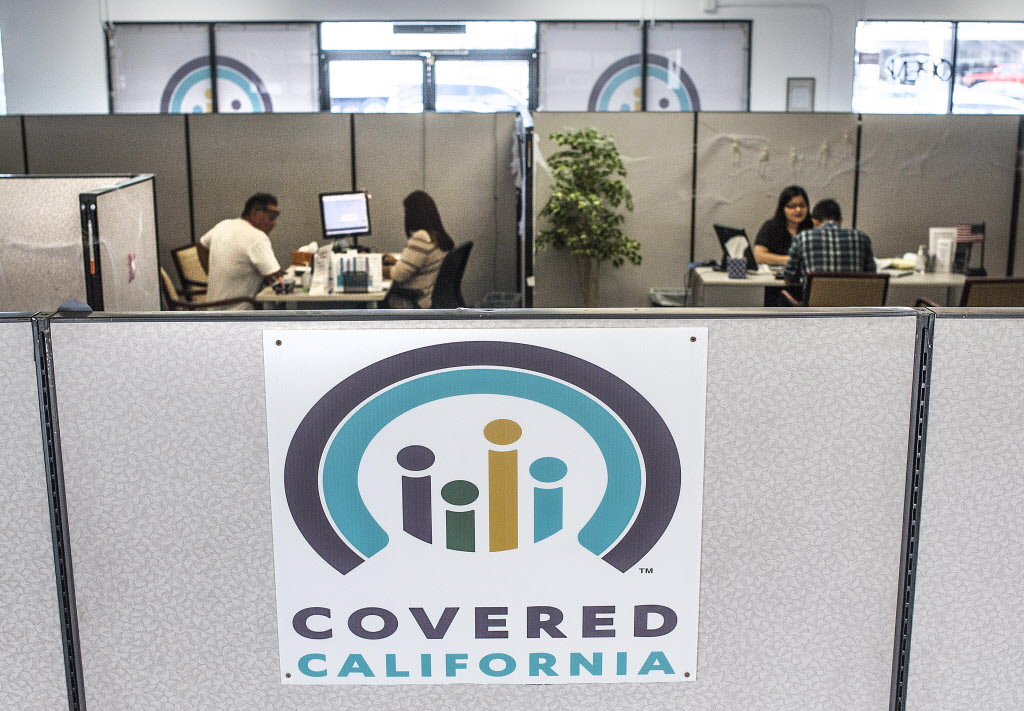
Health insurance rates have spiked for many Californians this month following the expiration of Affordable Care Act credits. With some Humboldt County residents expected to drop their insurance or switch to thinner coverage, health care organizations are concerned about the ripple effects.
Residents who use Covered California are seeing an average increase of $182 per month in Humboldt County. Middle-income people are seeing an increase of around $500 a month statewide, according to Covered California data.
Covered California Executive Director Jessica Altman said the jump in price is causing shock and dismay as some see their insurance premiums double.
“The most common question that I get is, ‘What am I supposed to do? ’” said Altman.
People who buy insurance through the state’s marketplace — including small business owners, gig workers, independent contractors, people whose employers don’t offer them health insurance, those who are too young or make too much to qualify for Medi-Cal — are now facing sticker shock during the open enrollment process.
The subsidies came amid the COVID-19 pandemic. The federal government began offering more tax credits for low-income people and new subsidies for middle-income earners who get insurance through state marketplaces like Covered California. But the credits expired Dec. 31.
About 7,500 people purchase insurance through Covered California in Humboldt County. So far, Covered California’s enrollment is about the same as last year in Northern California, but new sign-ups are down 30%, according to the agency.
Altman said now, people can move to enroll in a higher-deductible health plan, forgo health insurance altogether, or face tough life decisions about insurance coverage.
Altman said rural areas are particularly affected by the end of subsidies, as premiums are often higher in areas with higher costs. And health care systems in Humboldt County are reliant on people covered through public programs, such as Covered California or Medi-Cal.
Tory Starr, CEO of Open Door, said these changes will have ripple effects. Starr’s concern is, if costs go up, people will go without coverage and get sicker.
“People’s access to care is directly related to having coverage,” he wrote in an email. He said less access to care means not being able to have preventative interventions like cancer screening, resulting in more illness and expenses in the long term.
Open Door sees 20,000 patients with commercial insurance, including over 7,000 with subsidies through the Affordable Care Act.
“We anticipate some will either need to or choose to opt out of coverage due to cost. Many of those opting out will be younger, healthy people who will take the risk, leaving older, less healthy people with little choice to keep coverage,” said Starr, which will force premiums higher as costs to insurance companies go up.
“We all pay in the long run for not helping people maintain coverage,” he said.
Providence is similarly concerned about patients seeking less care.
“As a health care provider, we are concerned with any factor that may affect the accessibility and affordability of medical care. We do anticipate some members of our community making the difficult choice to carry less or no insurance and as a result seek less care. For our part, our organization has proactively taken steps to ensure we are here for the community and in a position to provide care to all patients, regardless of insurance or ability to pay,” a statement from Providence said, sent by spokesperson Shannon Garcia.
Health care organizations are anticipating further changes that are expected to boot people off Medi-Cal and Medicare. About half of Open Door’s patients use Medi-Cal, 25% have commercial insurance and 20% are on Medicare.
The U.S. Office of Management and Budget expects the new requirements for keeping coverage will result in millions losing health insurance coverage over a decade.
Lawmakers have allowed the ACA subsidies to expire, despite unsuccessful efforts from Democrats who forced a government shutdown over the issue. Democrats made a successful bipartisan effort in the House that went to vote last week over the wishes of House Speaker Mike Johnson, but previous efforts to hear the issue in the Senate have failed.
On Thursday, President Donald Trump announced outlines of a plan to address the issue of rising health care costs, as millions of Americans saw their insurance costs rise. The Trump proposal intends to send money directly to Americans in health savings accounts and includes broad goals for lowering drug prices through most-favored nation deals and cutting back on insurance subsidies. Democrats say the measure won’t be enough to offset the tax credits. Overall, few details have been provided on the proposal.
With the enrollment period still open, Altman urged people to see what their options are.
“Don’t make assumptions off of some of these averages and worst-case scenarios. Come and see what is available to you,” she said.
The Associated Press contributed to this report
Sage Alexander ca be reached at 707-441-0504.