
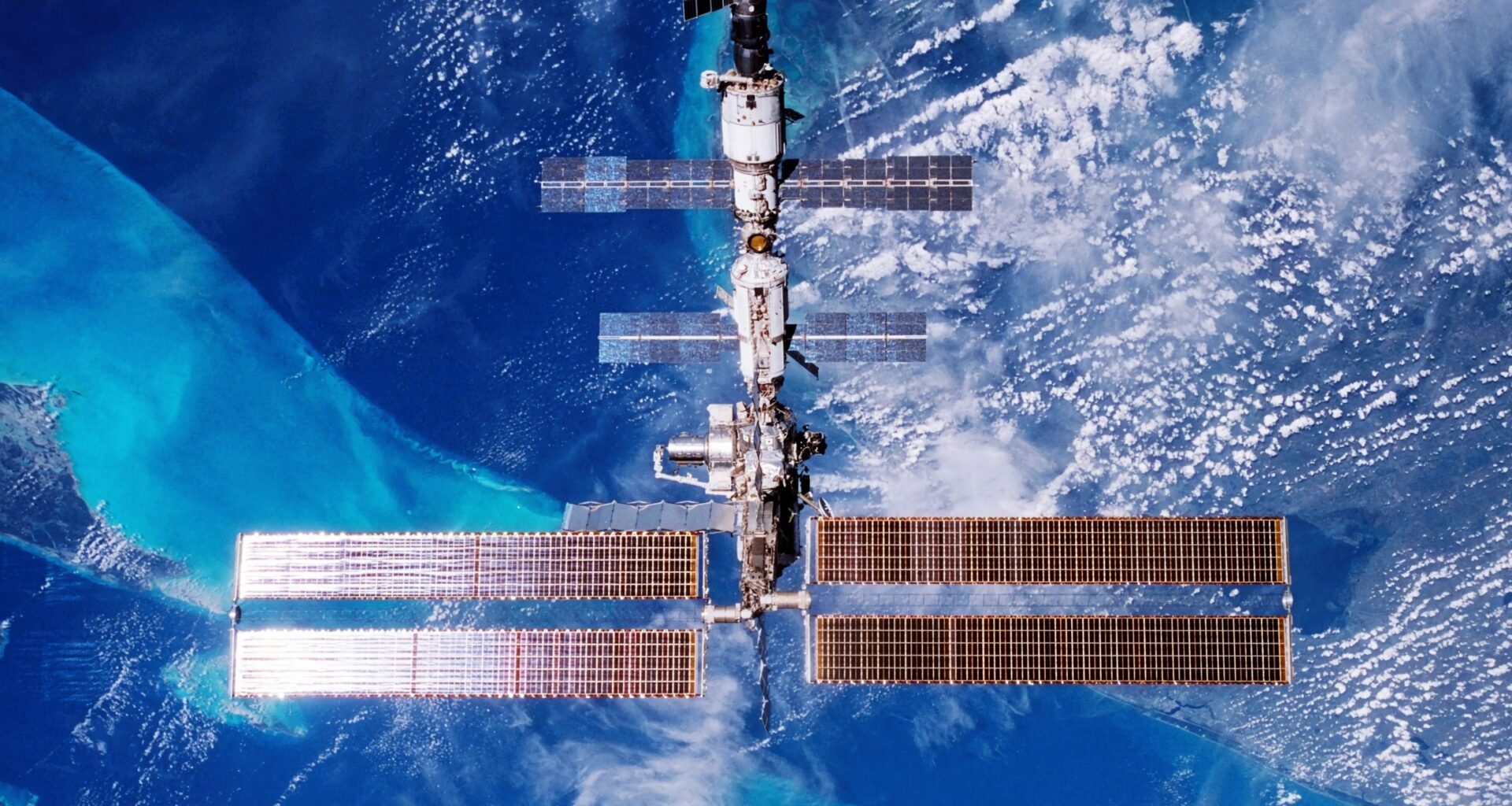
New research suggests that just days in orbit can leave a measurable imprint on the body, pushing a blood-based aging signal forward in under a week.
That shift, seen during a short commercial space mission, reveals how quickly human biology responds to extreme stress and how quickly it may recover.
Rapid changes in aging

Repeated blood measurements were taken from four astronauts before launch, during flight, and after their return from a May 2023 mission to the International Space Station (Axiom-2).
At the Buck Institute for Research on Aging, researchers used blood draws at five time points to track each astronaut.
The work was led by Dr. David Furman, who studies how stress alters immune aging. His team maps biological age in blood, and then tests which immune changes drive those numbers.
By sampling the same individuals repeatedly, the study captured short-term aging signals that long health studies often miss.
How spaceflight stresses the body
Spaceflight piles environmental stress onto the body, and the combination can change cells faster than everyday life.
In orbit, astronauts live in microgravity, very low gravity that reduces mechanical strain, so muscles and bones get less loading.
Outside Earth’s shielding, ionizing radiation, high-energy particles that can damage DNA, reaches tissues and pushes cells toward repair work.
Disrupted circadian rhythms, daily body cycles that shape sleep and hormones, add another layer that researchers cannot easily untangle.
Measuring biological age
The researchers estimated biological age from each sample by reading patterns on DNA that track wear and recovery.
Cells mark DNA with DNA methylation, chemical tags that help control gene activity, and those tags change with time and stress.
In 2013, one epigenetic clock, an age estimate built from methylation patterns across the genome, helped launch this field.
For Axiom-2, the team ran 32 clocks, letting them compare measures tied to lifespan, organ health, and simple calendar age.
Spaceflight alters immune aging
Whole blood contains many immune cell types, and their proportions can swing when the body responds to stress.
The study tied part of the age jump to regulatory T-cells, immune cells that dampen inflammation and prevent overreactions.
Changes in naive CD4 T-cells, untrained helper T-cells ready for new infections, also moved several clock readings.
Because clocks read mixed blood, immune turnover can raise or lower biological age estimates even if cells do not age.
Aging changes inside cells
To isolate changes inside cells, the team corrected their age scores for the mix of immune cells.
For each sample, they called the basic metric Epigenetic Age Acceleration, a measure of faster-than-expected biological aging in years.
To cut mixing, the team calculated Intrinsic epigenetic age acceleration, an age estimate corrected for predicted cell types, and clocks ran high.
That pattern suggests space can change methylation inside cells, not only change which cells dominate the blood sample.
Aging signals drop after return
After landing, the crew’s biological age estimates dropped, and younger astronauts fell below their preflight baselines.
Once gravity and sleep cycles normalized, cells could steady gene control, because methylation tags can reverse when stress eases.
“These results point to the exciting possibility that humans have intrinsic rejuvenation factors that can counter these age-accelerating stressors,” said Furman.
The NASA Twins Study also reported longer telomeres, DNA caps at chromosome ends, but larger samples must confirm which changes persist.
Blood does not show everything
Sampling blood makes collection practical in space, but aging signals can differ across organs and across cell types.
Some clocks were trained mainly on blood, so their strongest responses may reflect immune dynamics more than whole-body aging.
The team did not sample muscle, bone, or brain tissue, which limits how well the results speak for those organs.
Future missions that pair blood with other samples could reveal which systems recover fast and which keep lingering changes.
Testing new strategies in space
A short mission creates a fast readout that could help screen countermeasures before astronauts take longer trips.
Scientists call these geroprotective interventions, strategies meant to slow biology linked to aging, and the space setting tests them quickly.
Exercise schedules, sleep timing, and nutrition plans could be compared side by side, because the clocks respond within days.
Even if a countermeasure works in orbit, it still needs trials on Earth, where diets and sleep vary.
What the results suggest
The study followed only a handful of people, so it cannot show how biological age behaves across astronaut populations.
Without an Earth-based comparison crew, daily routines like exercise, freeze-dried food, and sleep changes can blur causes.
The team estimated immune cell proportions from methylation data, and that shortcut can introduce noise into corrected age scores.
Larger cohorts and paired ground teams should test longer missions, and then check whether interventions change signals in predictable ways.
Taken together, the work shows that spaceflight can speed and then reverse blood-based aging signals through immune and methylation changes.
Researchers can use that fast cycle to probe resilience and screen interventions, but solid answers will depend on bigger, longer studies.
The study is published in the journal Aging Cell.
—–
Like what you read? Subscribe to our newsletter for engaging articles, exclusive content, and the latest updates.
Check us out on EarthSnap, a free app brought to you by Eric Ralls and Earth.com.
—–