
An address, a first name, a surname, the outline of a family: scant details provided by population censuses. Yet, for those who know how to read them, such registers are brimming with information and capture a city’s sociological makeup at a given moment.
The Musée Carnavalet in Paris has used these records as a starting point to evoke life in Paris a century ago. Drawing on three censuses, from 1926 (the first to compile a list of Parisians by name), then in 1931 and 1936, the exhibition “Les gens de Paris, 1926-1936. Dans le miroir des recensements de population” (“The People of Paris, 1926-1936. In the Mirror of Population Censuses”) invites visitors, until February 8, to discover the capital’s population during the interwar years as never before.
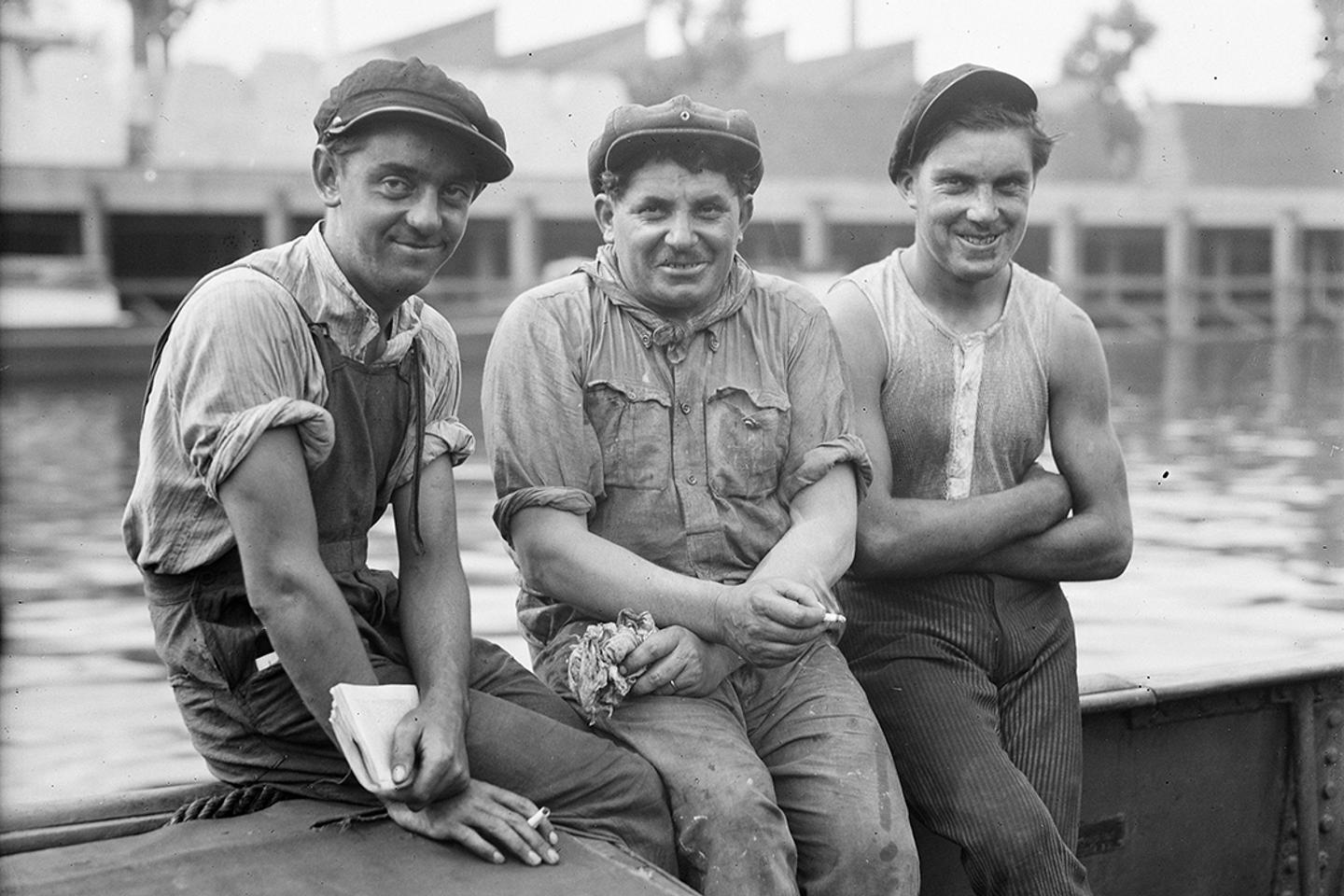
The material is presented by neighborhood, profession, building and social class, but how can the cold data of these registers be brought to life? How can the faces of nearly 3,000,000 inhabitants be restored? To give them form, the museum draws on the “La France travaille” (“France at Work”) photo report, created by François Kollar during that decade.
2,000 precious photographs
After leaving Bratislava, then part of Czechoslovakia, for Paris in 1924, Kollar trained in advertising photography. He attracted attention at the 1930 International Photography Exhibition in Munich, Germany. There, he met Florence Henri, André Kertész and Germaine Krull – the elite of the avant-garde photography scene.
In 1931, he was commissioned to conduct an extensive photographic survey documenting France’s industrial sector. Until 1934, he traveled through more than 20 regions of France to meet workers and employees, and to discover workshops and factories.
You have 58.19% of this article left to read. The rest is for subscribers only.