
Home » Latest Travel News » South Africa Joins Zimbabwe, Namibia, Botswana, Lesotho, and Eswatini to Capitalize on Skyrocketing Tourism Revenue Growth as the European Union Set to Invest Millions of Dollars in Africa This Year: Everything You Need To Know
Published on
January 29, 2026
South Africa is joining Zimbabwe, Namibia, Botswana, Lesotho, and Eswatini at a pivotal moment for the continent, as countries move to capitalize on skyrocketing tourism revenue growth driven by culture, heritage, and community-led travel experiences. This momentum is being significantly strengthened as the European Union sets out to invest millions of dollars in Africa this year, targeting sustainable tourism, youth employment, and local economic development. The coordinated regional push reflects a clear strategy: turning Africa’s rich cultural and natural assets into long-term economic engines rather than short-term attractions. Through EU-backed funding, technical support, and UNESCO-led implementation, these Southern African nations are positioning themselves to attract higher-value travelers, diversify tourism offerings, and ensure that revenue growth reaches local communities. From world heritage sites to creative tourism hubs, the initiative signals a shift toward smarter, more inclusive tourism models—making this a defining year for Africa’s tourism future and explaining everything stakeholders need to know about why the region is gaining global attention now.
A New Era for Culture and Heritage Tourism in Southern Africa
The Africa–Europe Partnership has officially launched a transformative 3-year initiative aimed at turning Southern Africa’s rich heritage into an engine for sustainable, community-driven tourism. Launched on 15 January 2026, the project will focus on six key heritage sites across Botswana, Eswatini, Lesotho, South Africa, Namibia, and Zimbabwe, including iconic landmarks like Tsodilo Hills, Matsanjeni North, and Twyfelfontein. At its core, this initiative seeks to strengthen local economies, promote youth employment, and empower communities by positioning them at the heart of heritage-based tourism development. With the backing of UNESCO and theSouth Africa Joins Zimbabwe, Namibia, Botswana, Lesotho, and Eswatini to Capitalize on Skyrocketing Tourism Revenue Growth as the European Union Set to Invest Millions of Dollars in Africa This Year, the project aims to create a platform for mutual learning, regional collaboration, and inclusive economic growth. The efforts will support capacity-building, digital storytelling, and environmental sustainability while safeguarding cultural landscapes and identities. As national-level activities and community engagement unfold, this initiative promises to usher in a new era where culture, tourism, and local communities thrive together, ensuring long-term resilience and shared prosperity across Southern Africa.
Key FocusHeritage Sites InvolvedGoalsKey PartnersSustainable Tourism DevelopmentTsodilo Hills (Botswana), Matsanjeni North (Eswatini), Morija Cultural Precinct (Lesotho)Empowering local communities, promoting sustainable tourism, and preserving heritageUNESCO, European Union, local governmentsYouth Employment and EmpowermentTwyfelfontein (Namibia), ǂKhomani Cultural Landscape (South Africa), Matobo Hills (Zimbabwe)Promoting youth employment through digital storytelling and heritage conservationUNESCO, European Union, community organizationsRegional Collaboration and GrowthAll six participating countriesStrengthening regional tourism and heritage cooperation, enhancing local economiesUNESCO, European Union, regional stakeholdersCultural PreservationAll six participating countriesSafeguarding cultural landscapes and identities while supporting tourism-based developmentLocal communities, UNESCO, European UnionSouth Africa: ǂKhomani Cultural Landscape – Reclaiming Cultural Identity Through Tourism
The ǂKhomani Cultural Landscape, located within South Africa’s Kalahari Gemsbok National Park, holds profound cultural significance as the ancestral homeland of the ǂKhomani San people. In the face of modernization, this UNESCO World Heritage site is now embracing tourism as a tool for social inclusion and the reclamation of cultural identity. With the support of the EU and UNESCO, the initiative is focused on safeguarding linguistic memory and ethnobotanical knowledge through the creation of “Veldskole” or bush schools, where elders pass on traditional skills like plant tracking and hunting to younger generations. By developing authentic tourism products based on these ancient skills, the ǂKhomani people are not just preserving their heritage but using it to generate income and strengthen their community’s sense of identity. This initiative promises to create a harmonious blend of cultural tourism, environmental preservation, and social empowerment that will resonate with both visitors and the local community.Key FocusSafeguarding Linguistic Memory & Ethnobotanical KnowledgeKey ActivitiesCreation of “Veldskole” (bush schools) and development of tourism products based on traditional skills like plant tracking and hunting.GoalReclaim cultural identity and generate income through sustainable tourism while empowering local communities.
Zimbabwe: Matobo Hills – A Sacred Landscape Reimagined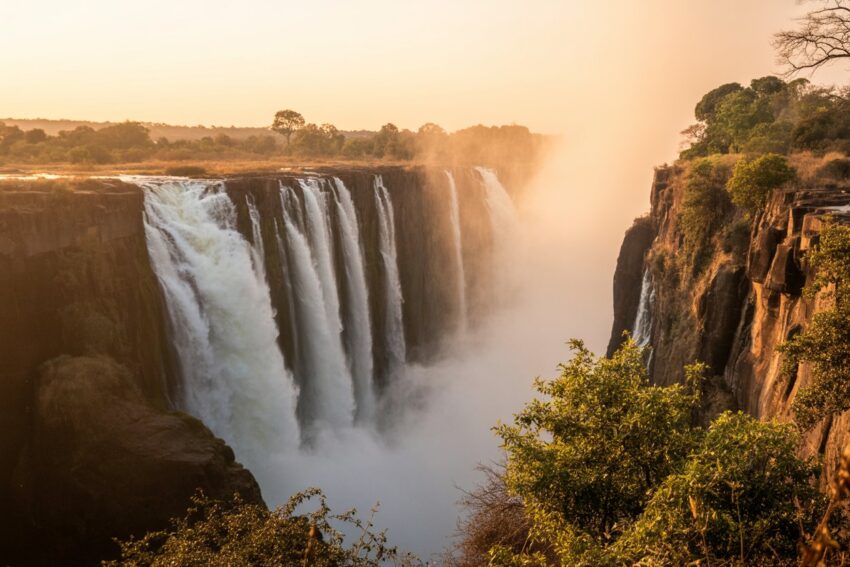
Zimbabwe’s Matobo Hills is a mystical landscape of striking granite boulders, with a sacred spiritual significance for the local communities, especially the Mwali oracular cult. As part of the UNESCO and EU’s heritage initiative, this World Heritage site is undergoing a delicate transformation aimed at balancing modern tourism with its role as a living religious shrine. The initiative focuses on capacity-building for site managers to ensure that sacred tourism is handled with the utmost respect for the site’s spiritual and cultural significance. Additionally, the project is working to create platforms where local artists can sell cultural products inspired by the hills’ unique archaeology, thus providing economic opportunities while preserving cultural practices. Matobo Hills is not only a natural wonder but also a cultural hub where spiritual practices and modern tourism can coexist, fostering both economic growth and respect for indigenous beliefs. Through sustainable tourism practices, this sacred site is poised to become a symbol of cultural resilience and economic development.
Key FocusBalancing Sacred Tourism with Preservation of Cultural PracticesKey ActivitiesCapacity-building for site managers and creating platforms for local artists to sell cultural products.GoalPreserve spiritual significance while supporting economic growth through respectful tourism.Namibia: Twyfelfontein – Rock Engravings and Environmental Responsibility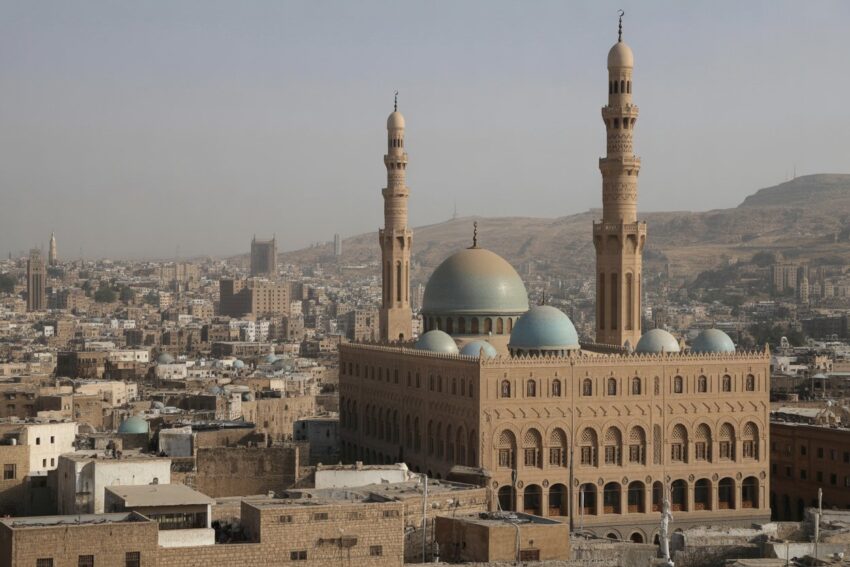
Twyfelfontein, a UNESCO World Heritage Site in Namibia, is home to one of Africa’s most significant concentrations of ancient rock engravings, dating back over 2,000 years. This incredible cultural landmark is set to receive a major boost under the UNESCO and EU’s funding initiative, which aims to enhance the tourism experience while ensuring that local communities benefit directly from the influx of visitors. By training specialized community guides and developing “green charters” for tour operators, this project emphasizes environmentally responsible tourism. The ultimate goal is to provide high-quality visitor experiences while ensuring the local Damara and San-descendant communities directly benefit from sustainable tourism practices. These efforts promise not only to preserve Twyfelfontein’s rich cultural heritage but also to provide lasting economic opportunities for the surrounding communities, ensuring that tourism becomes a vehicle for both cultural preservation and economic development.Key FocusEnhancing Tourism with Environmental ResponsibilityKey ActivitiesTraining community guides and creating “green charters” for sustainable tourism.GoalProvide high-quality, eco-friendly tourism experiences while ensuring local communities benefit directly.
Botswana: Tsodilo Hills – A Cultural Renaissance in the Desert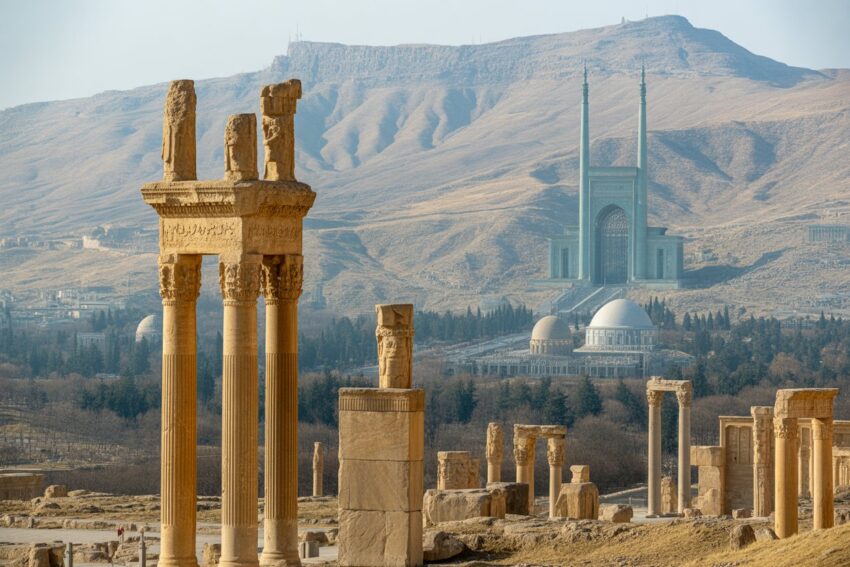
Nestled in the arid landscape of Botswana, Tsodilo Hills stands as a living testament to the rich heritage of the San people. Revered as the “Louvre of the Desert,” this UNESCO World Heritage site is home to over 4,500 ancient rock paintings that stretch back thousands of years. The focus here is not just on preserving these sacred art forms but on enhancing the visitor experience through immersive cultural engagement. Thanks to the UNESCO and EU’s initiative, the local San and Hambukushu communities are set to play a central role in shaping these experiences. By developing community-led tours and improving access infrastructure, these initiatives will ensure that visitors are not merely spectators but participants in the rich cultural narrative of the region. The creation of local Cultural Community-Based Organizations (CCBOs) will also ensure that preservation efforts are sustainable and community-driven. The long-term goal is clear: to transition from mere sightseeing to an authentic, living history that offers cultural immersion and economic empowerment for the local communities.
Advertisement
Advertisement
Key FocusImmersive Cultural Engagement and Community InvolvementKey ActivitiesDeveloping community-led tours, improving infrastructure, and creating Cultural Community-Based Organizations (CCBOs).GoalTransition from sightseeing to cultural immersion, empowering local communities.Lesotho: Morija Cultural Precinct – Where History Meets Creativity
Lesotho’s Morija Cultural Precinct stands as a testament to the country’s rich history and deep commitment to cultural preservation. Home to the Morija Museum & Archives, the site holds invaluable historical artifacts and stories that have shaped the Basotho identity. But with the support of UNESCO and the EU’s funding, Morija is undergoing a creative transformation that blends history with the power of modern digital tools. By training young creatives in digital storytelling, the project seeks to make Lesotho’s history more accessible and engaging for today’s tech-savvy generation. Additionally, a focus on environmental sustainability through waste management programs ensures that the cultural landscape is preserved for future generations. This initiative aims to revitalize Morija as a hub for “creative tourism,” where visitors can engage with history in new and innovative ways, while also benefiting the local youth through job creation and skills development. This intersection of creativity, history, and sustainability is the future of tourism in Lesotho.Key FocusBlending History with Digital CreativityKey ActivitiesTraining young creatives in digital storytelling and implementing waste management programs for sustainability.GoalRevitalize Morija as a creative tourism hub, fostering job creation and cultural preservation.
Eswatini: Matsanjeni North – A Gateway to Living Heritage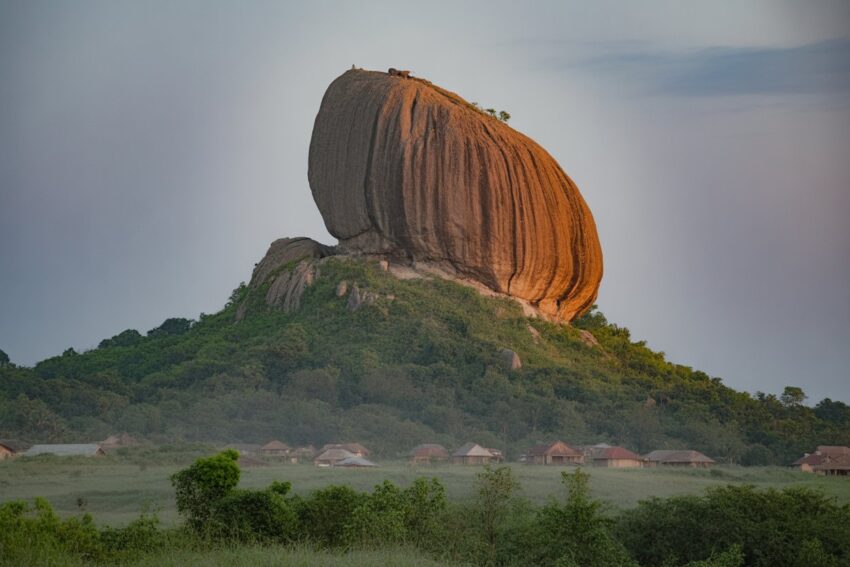
Eswatini’s Matsanjeni North, nestled within the Lubombo Biosphere Reserve, is a treasure trove of vibrant oral histories, sacred sites, and traditional crafts. The region’s unique cultural tapestry is now being woven into the tourism landscape, as the UNESCO and EU’s initiative focuses on integrating intangible heritage into the tourism value chain. By mapping sacred sites and identifying traditional craft centers, new “cultural routes” will emerge, offering tourists an in-depth look at Eswatini’s deep-rooted traditions. This project is poised to uplift the local economy by enhancing the visibility and marketability of indigenous knowledge systems. Through “living heritage” tourism, the community is not only safeguarding its traditions but also ensuring economic resilience. With a focus on preserving intangible cultural heritage while promoting socio-economic development, Matsanjeni North is set to become a vibrant cultural hub for both locals and visitors, where the past and present converge.
Advertisement
Advertisement
Key FocusIntegrating Intangible Heritage into TourismKey ActivitiesMapping sacred sites, identifying traditional craft centers, and creating “cultural routes.”GoalEnhance the local economy through the promotion of intangible cultural heritage.How the Africa–Europe Partnership Can Boost African Tourism in 2026
The Africa–Europe Partnership, with the support of the European Union and UNESCO, is set to significantly boost African tourism, particularly heritage tourism, from 2026 onwards. By leveraging a $4.3 million USD budget for the period 2025–2028, the project aims to drive growth in local economies, promote sustainable tourism, and create job opportunities, especially for women and youth. With a gender equality focus of 30% and a youth focus of 10%, this initiative is designed to ensure inclusive development across the participating Southern African countries. As tourism revenue grows, these investments will enhance local communities’ ability to manage and benefit from tourism, fostering long-term resilience and cultural preservation.CategoryDetailsTotal Budget~$4.3 Million USDPrimary FunderEuropean Union (EU)Implementing AgencyUNESCORegional Reach~17% budget allocation per countryKey Targets30% Gender Equality focus; 10% Youth focus
This initiative is set to drive inclusive and sustainable tourism development across the six participating countries, ultimately boosting local economies while preserving cultural heritage and creating opportunities for marginalized groups. The focus on gender equality and youth involvement ensures that tourism growth translates into tangible benefits for all segments of the population.
South Africa joins Zimbabwe, Namibia, Botswana, Lesotho, and Eswatini in capitalizing on skyrocketing tourism revenue growth, as the European Union invests millions in Africa this year to boost sustainable tourism and local economies.
Conclusion
South Africa’s alignment with Zimbabwe, Namibia, Botswana, Lesotho, and Eswatini to capitalize on skyrocketing tourism revenue growth reflects a unified regional effort to transform the tourism sector. With the European Union set to invest millions of dollars in Africa this year, these nations are poised to boost their local economies through sustainable tourism initiatives, community engagement, and the preservation of cultural heritage. This strategic collaboration will not only elevate the region’s tourism potential but also ensure long-term economic benefits for the people and communities most impacted. As the momentum builds, these countries will continue to benefit from both global interest and targeted investment, reinforcing the importance of inclusive and responsible tourism growth across Southern Africa.
