
Ultimately, the most rigorous traceability solutions, including QR codes and microchips, won’t be useful if people don’t actually check them as a condition of making their purchases. Imitators can simply counterfeit QR code labels, for example.
Nor will they be useful if they remain too expensive to implement.
“People thought blockchain applied to the food industry was going to solve all of our problems. It hasn’t,” notes Elahi.
She points out that blockchain-based tracking of a food at each point in the supply chain might be feasible for a product like South American bananas, but isn’t feasible for a lasagne containing 50 ingredients from all over the world.
It can also be hard to interpret the results of testing finished products that contain lots of ingredients.
“One of the challenges is marrying that really high-technology, high-innovation space with the realities of food production,” Everstine comments. It’s just not practical to test everything.
Innovations in recent years to make testing methods more sophisticated include thermal imaging, light analysis using lasers, and DNA profiling.
In general, more testing adds to the costs. And lab-based testing may not be fast or agile enough to support border control officers, fraud investigators or food producers in the field.
Speed is important when seeking to stop the spread of tainted foods. Yet rapid testing tools may not be sensitive enough.
Emerging portable testing methods include X-ray fluorescence analysers for turmeric and handheld DNA kits to test olive oil.
Machine learning is also increasingly helpful for sifting through and categorising huge amounts of data. This can help to create early warnings about risks of fraudulent or unsafe food.
Still, relatively low-tech responses to food crime are among the most useful.
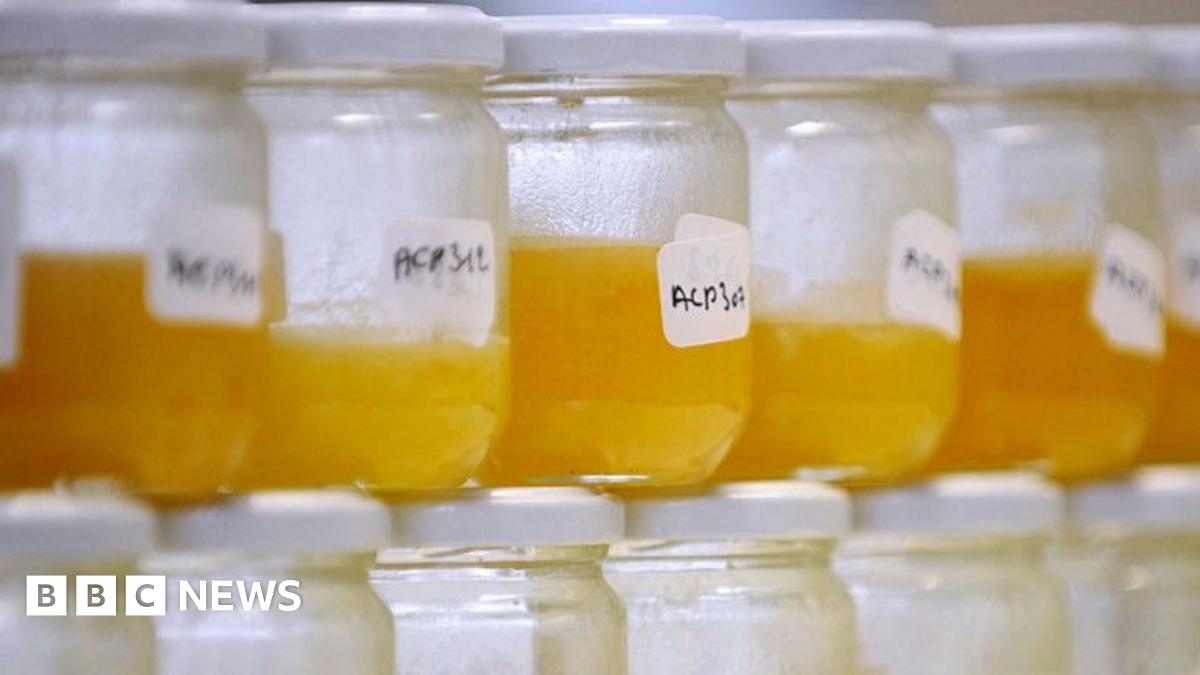
With honey, Majtán says, “the best way is just to buy from local beekeepers”. This helps ensure that consumers know what they’re buying, and who they’re supporting.
One rule of thumb Everstine has is that “if the price seems too good to be true, that should be a red flag”. For instance, $3 for a bottle of olive oil or honey in the US might be suspect.