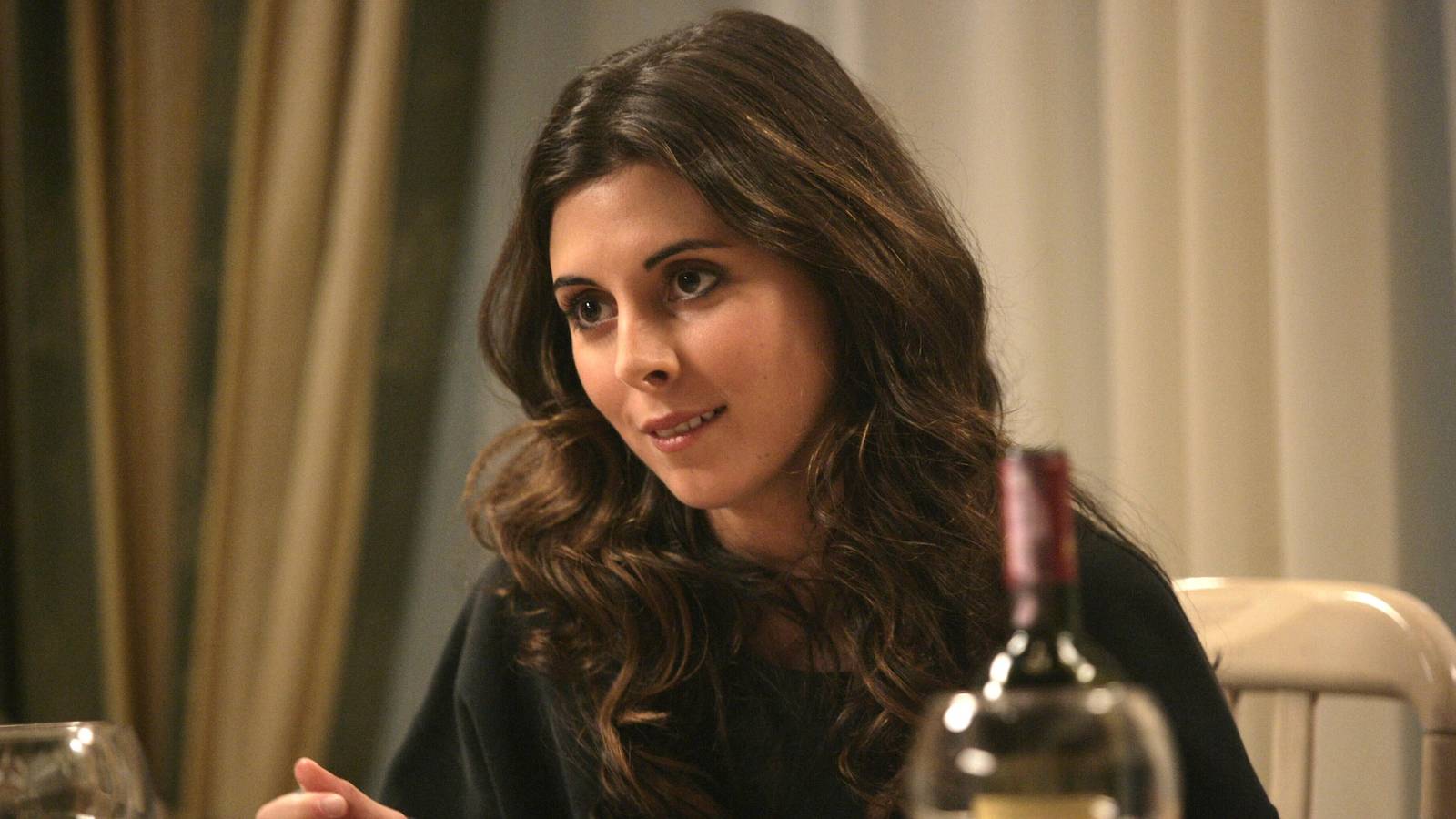
Although The Sopranos broke the rules of television throughout its run, the show’s first major subversive moment was what allowed the series to excel as it continued. The Sopranos is one of TV’s greatest shows, as well as one of the formative titles that ushered in the Second Golden Age of Television.
While the likes of ER and Buffy the Vampire Slayer made TV more critically credible in the late ‘90s, it was Sex in the City, Six Feet Under, The Wire, and especially The Sopranos that shaped the Second Golden Age of Television around the turn of the millennium. This era saw TV provide viewers with some of its most ambitious titles.
In the decade that followed, everything from the innovative cop show The Shield and Breaking Bad, to The Walking Dead, to Friday Night Lights illustrated TV’s boundless potential as a storytelling medium. All this TV history can be traced back to an episode of The Sopranos that broke an unspoken rule of TV.
“College” Broke The Biggest Rule Of Television
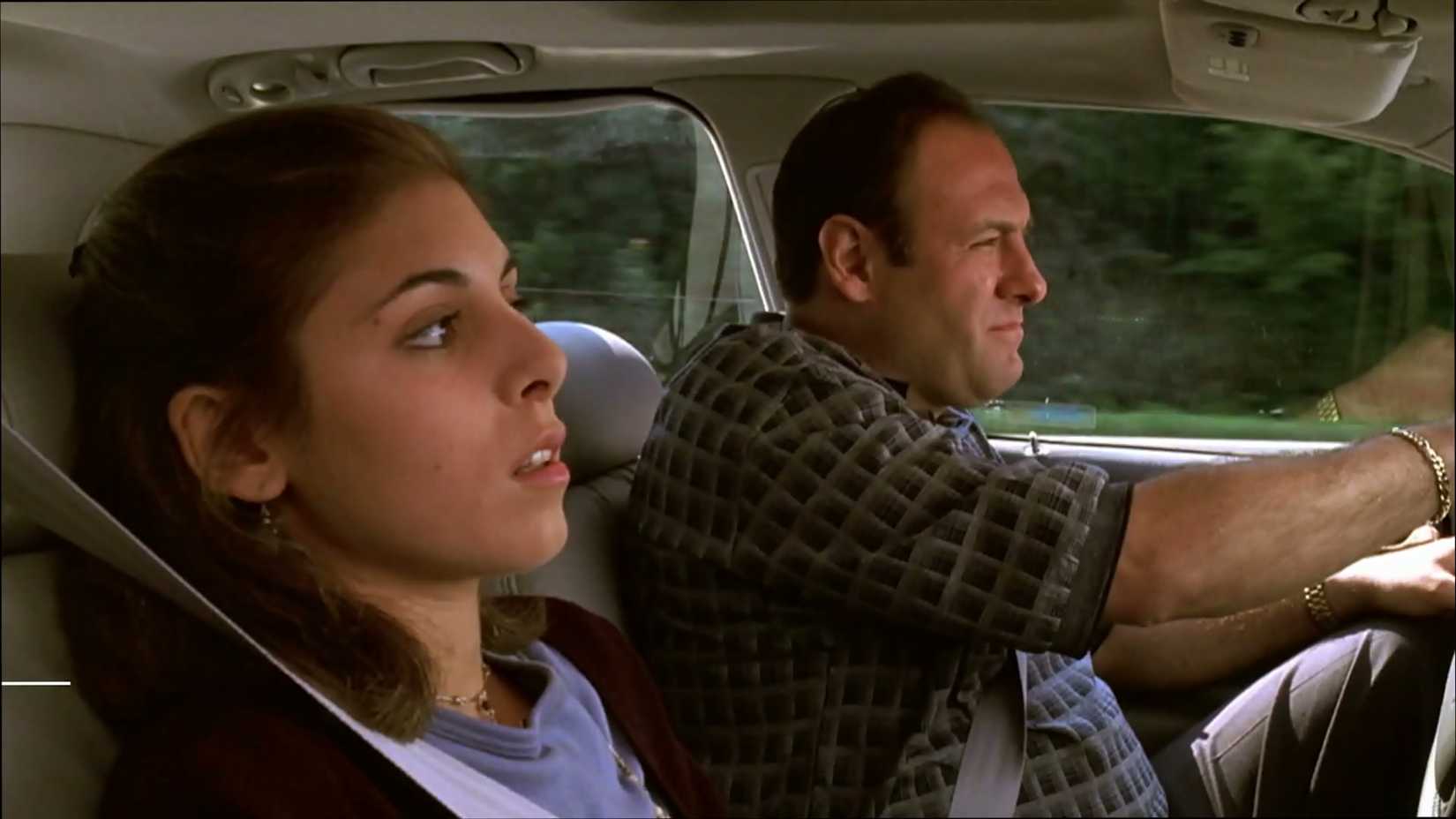
Tony Soprano and his daughter in ‘College’
Although The Sopranos never outright hid Tony’s flaws from viewers, the show did take its time exposing the depth of his callous amorality. In season 1, episode 5, “College,” the show opens with Meadow and Tony talking as he takes her on a cross-state road trip to tour her potential college locations. In the process, the pair cover some tricky topics.
Although Tony denies his membership in the mafia to his daughter, he does admit that some of his money comes from illegal gambling in a display of half-honesty that makes the character more vulnerable and sympathetic. Meadow, in turn, admits that she used pep pills to study for the SATs, but won’t tell her father who sold her them.
The pair’s limited honesty feels true to both characters and reminds viewers that Tony is ultimately trying his best to be a good father, despite the terrible influence Tony’s mother had on him during his upbringing. Then Tony spots “Febby,” a man who turned state’s evidence on the DiMeo crime family, and all Hell breaks loose.
As Meadow continues to tour college campuses, oblivious to her father’s distraction, Tony placidly plans this man’s murder. After confirming his identity, Tony shows up at Febby’s office and strangles him in a gruesome callback to The Godfather’s most upsetting death scene. It is brutal, grim, and somehow unexpected, despite everything viewers knew about Tony.
Until The Sopranos came around, there was an unspoken assumption that a show’s protagonist would ultimately be a good or likable person who was worth rooting for, despite their flaws. Although Tony Soprano is a sympathetic character, “College” proved that the series wasn’t afraid of making its central mob boss an outright monster, too.
The Sopranos Entered A League Of Its Own After “College”
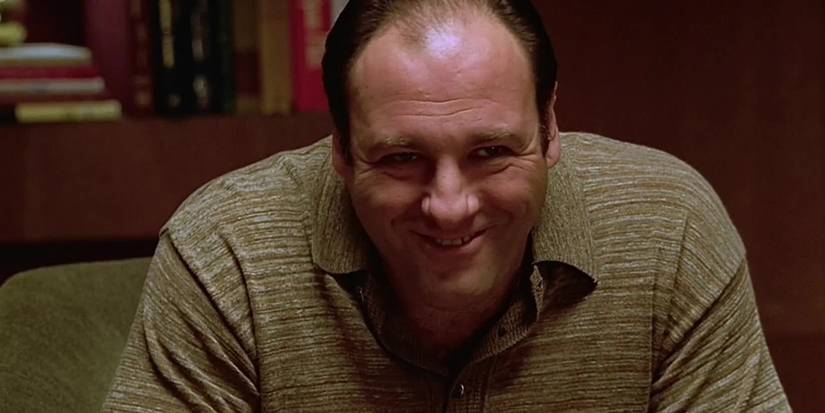
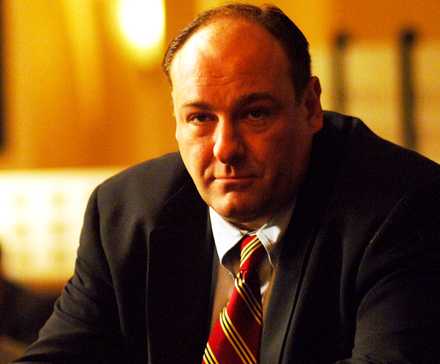
Tony Soprano (James Gandolfini) smiling in The Sopranos season 1, episode 7
When viewers re-watch “College” in 2026, it might be tempting to wonder what the big deal is. Not only is Febby’s murder far from the most brutal act of violence in the history of the series, but it is also arguably justified in part by Febby’s own interactions with Tony. Febby tracks Tony down to his motel and almost shoots him.
Unbeknownst to the mob boss, Tony narrowly avoids death when Febby decides that Meadow and her friend constitute too many witnesses. Thus, Tony was acting in self-preservation when he killed the former mafia member, but it is crucial to remember that he didn’t know that. Throughout “College,” Tony never learns that Febby is aware Tony has spotted him.
In Tony’s mind, he is committing cold-blooded murder with his bare hands as a result of Febby turning state’s evidence and entering the witness protection program. There are darker episodes of The Sopranos, but this was the outing that proved the show’s ostensible hero would kill someone who tried to leave behind a life of violence on principle alone.
Tony Soprano Paved The Way For Other Complicated Protagonists
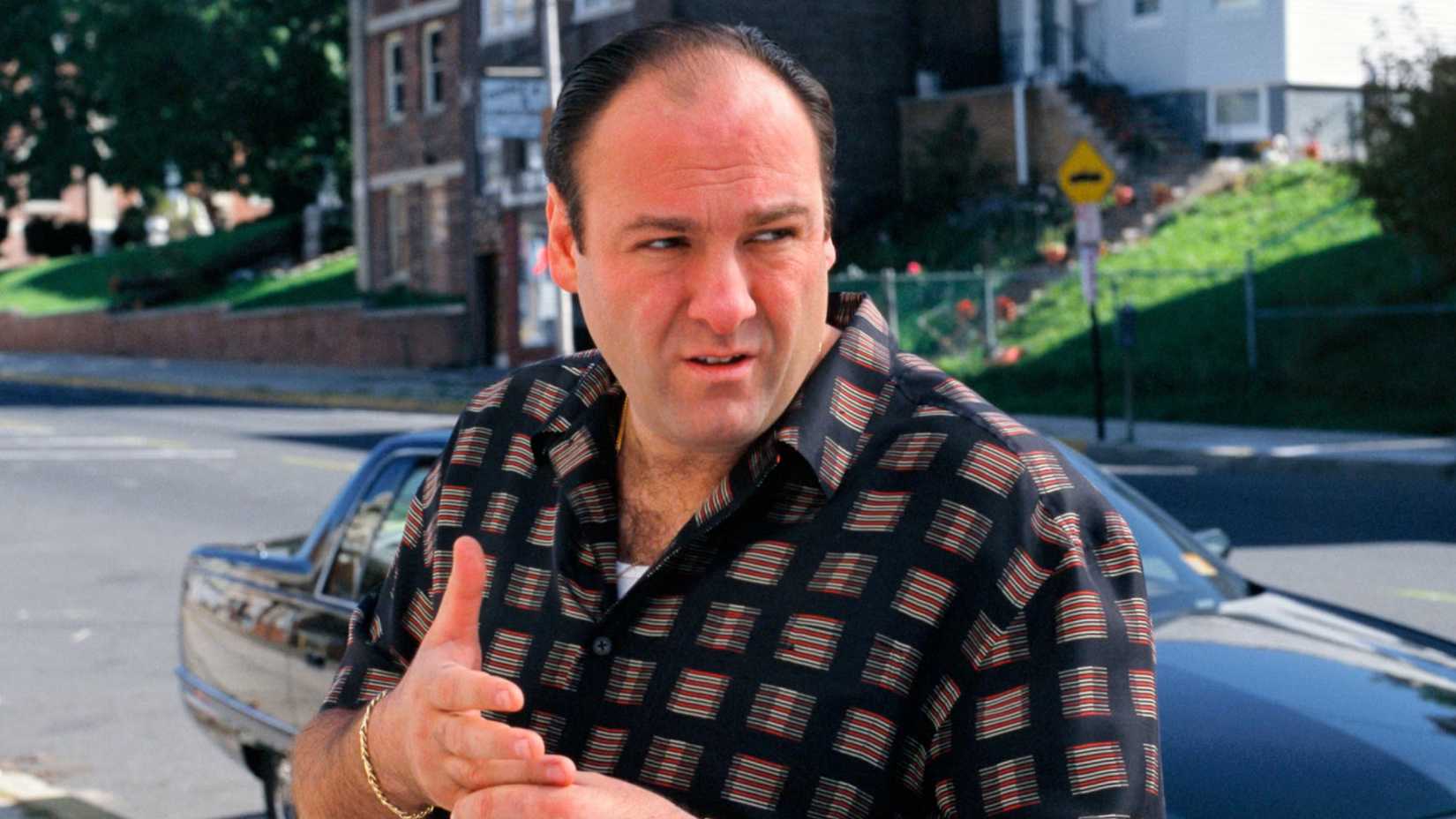
Tony Soprano in a promotional picture for The Sopranos
The main reason that Tony’s actions in “College” may not seem so shocking is, ironically, because of the impact that the episode had on TV history. It is surprising to realize that viewers not only still care about Tony but also grow more invested in his potential redemption after this callous murder.
As such, countless subsequent shows tried to see how far they could push their flawed protagonists before viewers would be turned off. The pilot of Mad Men infamously ended with the revelation that Jon Hamm’s philandering protagonist was married with children all along, while Breaking Bad saw its protagonist gradually degenerate from a mild-mannered teacher to an uncaring mob boss.
Related
The Sopranos Episode That Put The HBO Show On The Map Is An Absolute Masterpiece
One episode from The Sopranos season 1 is key to the show and Tony Soprano himself, becoming one of the show’s best and most important episodes.
Although shows like Low Winter Sun and Too Old To Die Young eventually took things too far, leaving viewers with no one to root for, the Second Golden Age of Television was filled with deeply flawed, often outright monstrous protagonists who still engendered unexpected sympathy. From The Shield to BoJack Horseman, none of TV’s most infamous bad men could have existed without The Sopranos.
Release Date
1999 – 2007
Network
HBO
Showrunner
David Chase

James Gandolfini
Tony Soprano