
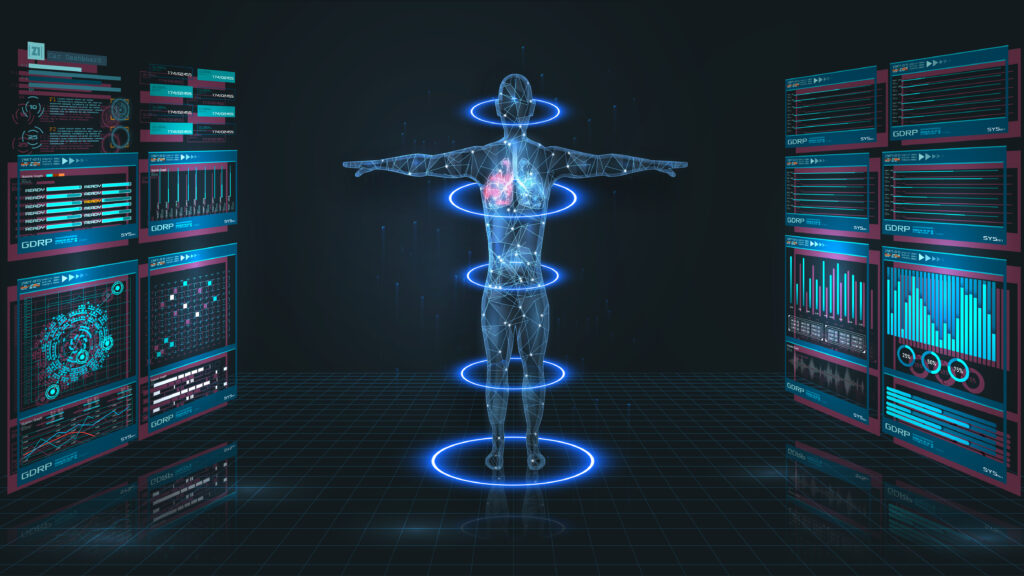
Two decades ago, futurist Ray Kurzweil laid out a bold vision for next-generation medicine in his book “The Singularity Is Near.” Technology, he predicted, could one day help doctors eradicate disease by anticipating and responding to it in real time.
Personalized health predictions have been an ambitious goal for health systems, insurers, drugmakers, and doctors for years: Virtual models, or “digital twins” that forecast whether individual patients will respond to drugs or surgery, or estimate when someone’s most likely to need a knee replacement. The appeal of the concept is driven by the promise of reduced medical costs, automated clinical trials, and fewer sick patients in beds.
Advances in artificial intelligence and the availability of new data on genomics, patient outcomes, and drug performance have pushed the idea of “digital twins” closer to reality than ever before. Today, some early-adopter health systems and enterprising tech companies are putting parts of the idea into practice.
STAT+ Exclusive Story
Already have an account? Log in

This article is exclusive to STAT+ subscribers
Unlock this article — and get additional analysis of the technologies disrupting health care — by subscribing to STAT+.
Already have an account? Log in
Individual plans
Group plans
To read the rest of this story subscribe to STAT+.