
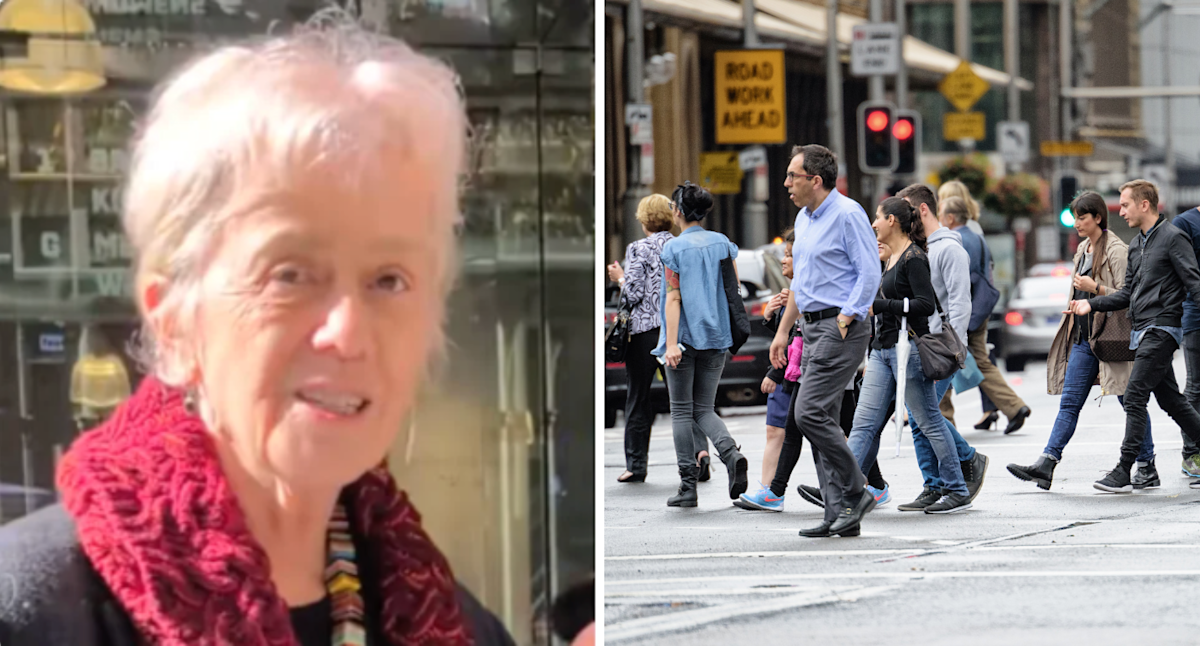
 One Sydney woman shared she was still working at the age 74, admitting her ‘dream job’ was probably to be retired. (Source: Coposit/Getty)
A record number of older Australians are working past the age of 65 and delaying their retirement, new data has revealed. Cost-of-living pressures are thought to be one reason why Aussies are working for longer, with the amount needed for a comfortable retirement on the rise.
Figures released by the Coalition revealed 760,000 Aussies over the age of 65 were in the workforce. The average number of older Aussies working in the year to October was the highest since records began in 1995, and up nearly 20 per cent since 2022.
Increases to the age pension eligibility have likely contributed to the record numbers, with the pension age gradually increasing from 60 in the mid 1990s and then more recently from 65 to 67 in 2023.
RELATED
The Coalition has pointed to financial stress as a reason some older Aussies are continuing to work.
“These are the numbers everybody needs to see: hundreds of thousands of older Australians delaying retirement because it is the only way they can survive financially,” Opposition assistant cost-of-living spokesman Dean Smith told The Australian.
“Rising inflation, soaring housing costs and mounting interest rates under the Albanese government are destroying the retirement plans of a record number of Australians, robbing them of the dignity and security they deserve at this time in their lives.”
Do you have a story to share? Contact tamika.seeto@yahooinc.com
That appears to be the case for one Sydney woman who recently shared that she was still working into her 70s to keep up with the high cost of living.
The 74-year-old was stopped in the street by viral property app Coposit and admitted she worked in the NSW health system while renting in Sydney.
“At times I’m loving it. I like being active, I like working, I like getting out, and that’s good,” she said.
However, when asked what her “dream job” would be, she admitted it was “probably being retired”.
She said the cost of Sydney was “really expensive” and rent prices were “appalling”, while increasing food costs meant she was cooking at home more to save money.
Fresh figures from the Association of Superannuation Funds of Australia found single homeowners now need $630,000 in superannuation at the age of 67 to afford a comfortable retirement, while homeowner couples need $730,000.
KPMG analysis of Labour Force data found that in 2024-25, the expected retirement age for men was 67 years, up by 2.2 years over the last decade.
The expected retirement age for women was 65.3 years, up by 1.1 years over the same period.
While increases to age pension eligibility have contributed to the shift upwards, KPMG said the longer-term trend was being driven by a growing cohort of “ageless workers” who were happy to stay in the workforce beyond retirement age.
“20 years ago, 1 in 10 men were working at age 70. Today, it’s 1 in 4. Even for men in their late 70s, almost 1 in 10 remains in the labour force,” KPMG urban economist Terry Rawnsley said.
“The growth in ageless workers isn’t a recent phenomenon that spiked following the cost-of-living pressures of 2023-24. It is a longer-term trend that suggests a structural change to the concept of retirement.”
The increase in white-collar workers who can work for longer is one explanation, along with the remnants of Covid restrictions.
Aussies are also semi-retiring, with the gap between leaving full-time work and leaving the workforce entirely around three years.
Rawnsley said people could do part-time flexible work to supplement their retirement savings, which fostered social interactions and a sense of purpose, allowing people to stay engaged and mentally stimulated.
Get the latest Yahoo Finance news – follow us on Facebook, LinkedIn and Instagram.