
The BBC’s director of sport Alex Kay-Jelski has insisted the broadcaster can still be “relevant” even if it does not have the rights to many live sports events.
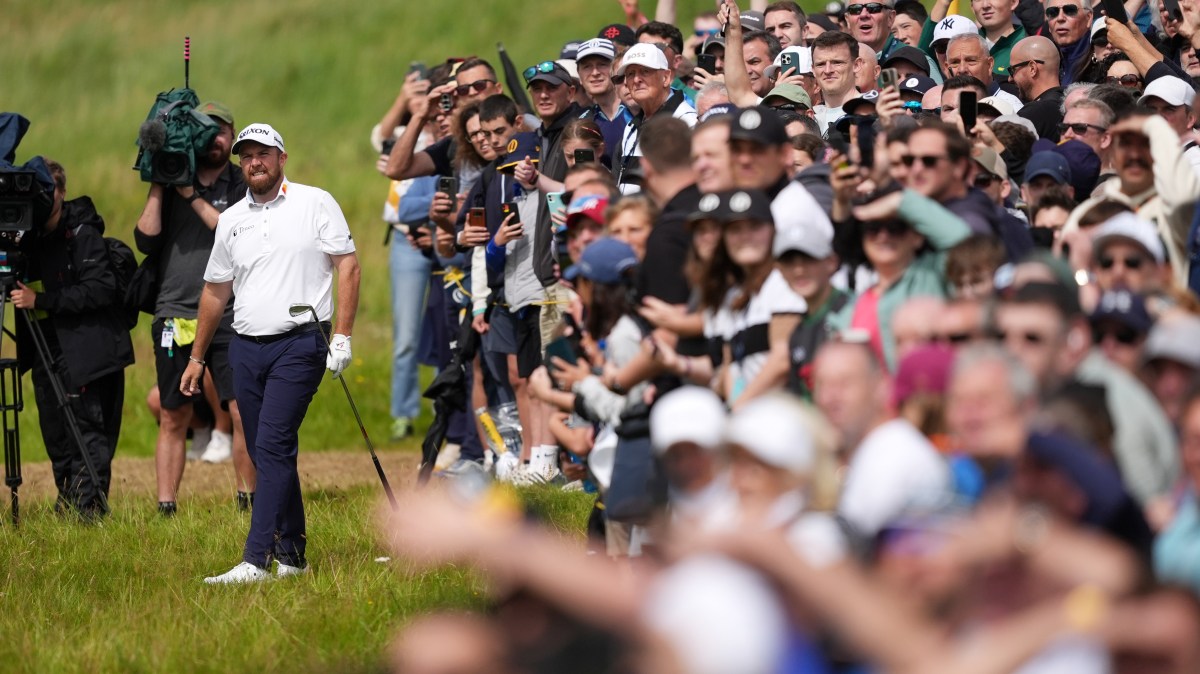
The growing cost of sports rights has led to the BBC losing live coverage of a number of events over the past decade including Formula 1, Six Nations matches involving England, the Open Championship, as well as this year’s Boat Races and Commonwealth Games.
Kay-Jelski told the Financial Times’s Business of Football Summit: “You can still be relevant, you can still matter if you don’t show the sport. No one out there can show it all. So, you just have to make sure you’re in the conversation of the things that matter.
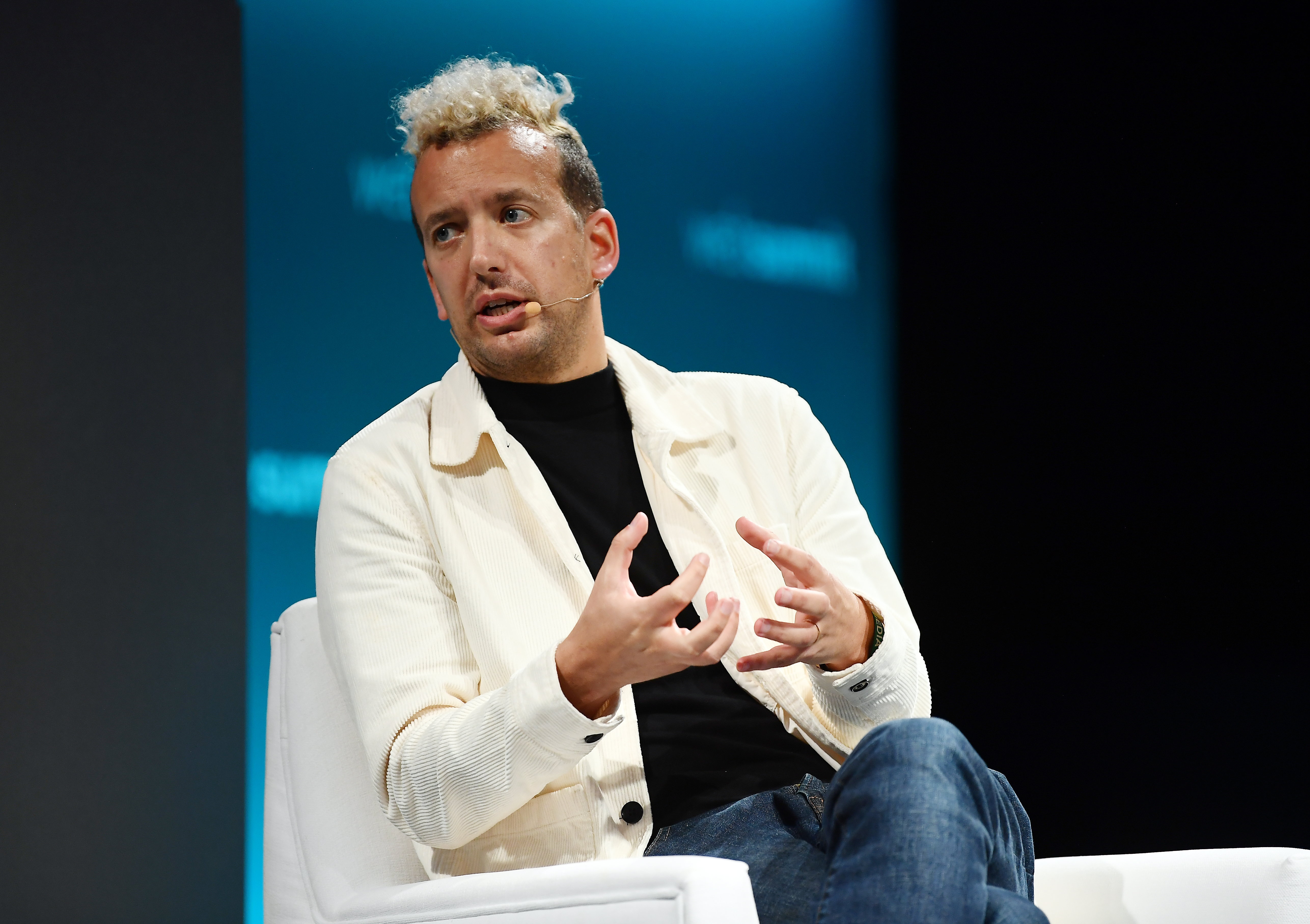
Kay-Jelski said the BBC is in competition with more than just traditional broadcasters such as ITV or Sky
DIARMUID GREENE/SPORTSFILE
“For example, we have audio rights to Formula 1 but not video rights, but we still have reporting and live pages and digital video that draw in millions and millions and millions of people.
“We’re all living in this very different media landscape now where most of us are seeing things first on our phone anyway, and we’re all swiping on the same tiny little screen.
“The BBC might have thought, traditionally, it was up against ITV, or Sky, or various other broadcasters. Well, guess what? We’re not. We’re in a race to not be swiped, up against people selling you holidays, or clothes companies, or two-for-one chicken breasts on sale from the supermarket, or football teams, or athletes.”
Kay-Jelski has overseen a modernisation of the BBC’s digital output which is aimed at new and younger audiences, involving social media influencers and other innovations, and he accepted it put some traditionalists’ noses out of joint.
Some of these innovations are set to be seen in its coverage of this summer’s World Cup and Wimbledon.
“It’s OK if a lot of these innovations don’t make everybody happy,” Kay-Jelski said. “It’s also OK if some of the traditional forms of whether it’s media content or sporting content don’t make people happy.
“There are too many millions of different types of fans out there to start living in fear and not trying things because you’re worried about backlash.
“I’ve been at the BBC coming up to a couple of years now and we’ve tried lots of different things. Some of it is targeting areas of fans that I don’t think we were necessarily serving that well before.
“But that doesn’t mean that you’re taking away other things that are really popular. Match of the Day is an example where we still have a linear television program that goes out at 10.30pm and there’s millions of people that watch that and that’s fantastic.
“That hasn’t stopped us from then having digital-first clips, from going TikTok and Instagram-first on other things, from doing tactical analysis with the tactics correspondent in a slightly deeper way. All that stuff, it doesn’t have to be liked by everyone; it just has to have a purpose.”