
While Ayatollah Ali Khamenei’s absence has been largely mocked by his opposition and interpreted by Western media as a sign of fear, it has demonstrated how deeply embedded his network of control in Iran truly is, a new report by United Against Nuclear Iran put out on Thursday.
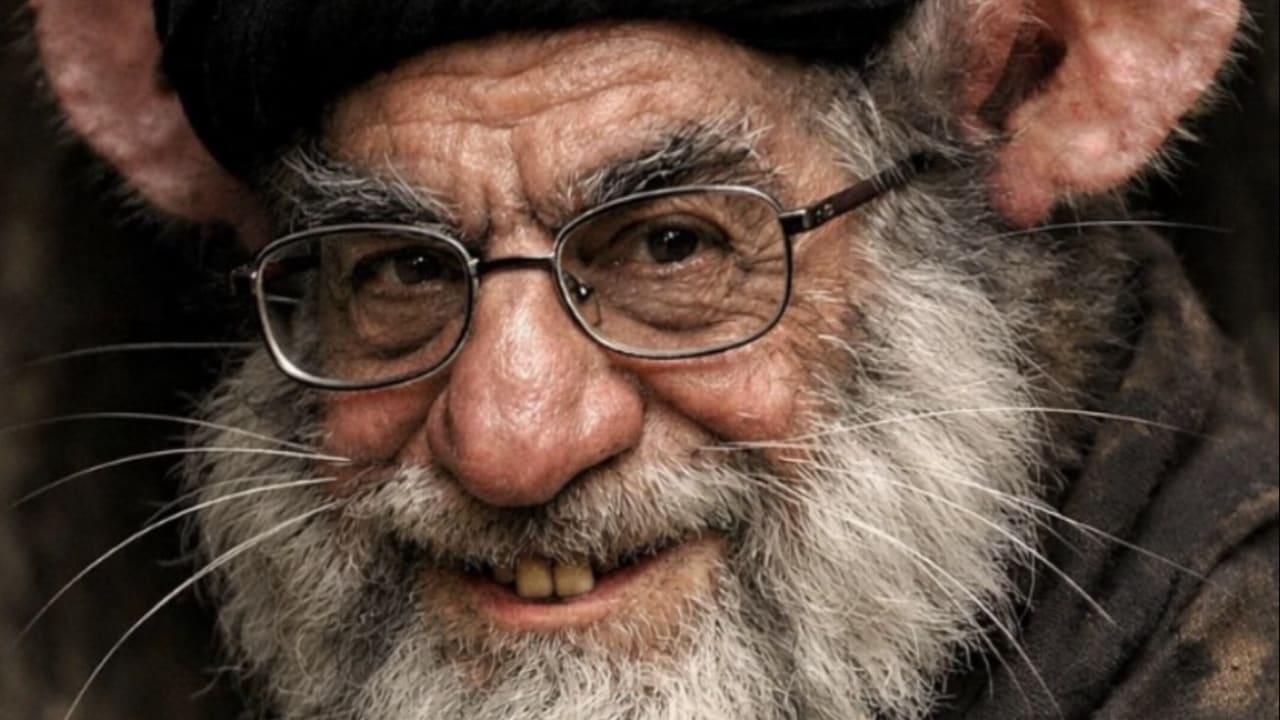
Reports have suggested that the 86-year-old Islamist has been hiding out in a secure bunker, leading Iranian critics to label him “Moushe-Ali” (Mouse Ali), but years of embedding his loyal clerics into every part of civil society have allowed him to maintain his control, the organization noted.
After Operation Rising Lion in June saw many Iranian officials and nuclear masterminds killed in targeted strikes, concerns about an attempt on Khamenei began to shape his public profile.
Khamenei’s initial absence of nearly 30 days has seemingly led the Islamic regime’s leader to begin taking a step back from public appearances, especially since the US’s operation to arrest Nicolás Maduro in Venezuela last month.
Acknowledging that there has been some level of restructuring within the regime, especially given the appointment of Ali Larijani as secretary of the Supreme National Security Council and the creation of a new Defense Council, the organization claimed that there is not enough evidence yet suggest that there is a fundamental change in Tehran’s power structure.

Arguing that there is a more nuanced reality, the non-profit stressed that it was only becoming more apparent how extensive Khamenei’s loyal network is and their work at ensuring his influence remains intact even when he is absent from the public and political arena.
For decades, the Bayt-e Rahbari (The Office of the Supreme Leader) has manufactured a hidden political and economic empire, extending across the military and security establishments to reach into Iran’s cultural and economic sectors.
This hidden network has allowed Khamenei’s authority to remain intact in his absence and, according to United Against Nuclear Iran, highlights the regime’s durability.
Only two months after Khamenei took power in 1989, he established the Bayt, appointing several loyal clerics with security and military backgrounds to positions of power.
Years later, in 1994, Khamenei was said to have used his influence to pressure and manipulate the Qom seminary into giving them the title of marja (the highest level of Twelver Shia religious cleric) through the office.
Following the new title, Khamenei was said to have grown the size of his Bayt to include more than 4,000 employees in its core office and more than 40,000 in affiliated roles, expanding Khamenei’s influence over three decades.
To control presidencies, the supreme leader began embedding an office in the Bayt parallel to every government ministry, which allowed expansive supervision and ensured every decision was aligned with Khamenei’s personal doctrine.
Even the military is heavily controlled by Khamenei, with military officials needing the Bayt’s approval before receiving a promotion beyond the rank of second brigadier.
The Bayt’s Military Office is headed by Brig. Gen. Mohammad Shirazi, who has personal and familial ties with Khamenei, the Bayt’s Counterintelligence Office is headed by the IRGC
member Hojatoleslam Gholam-Hossein Ramazani, who is one of Khamenei’s most trusted followers, and the Supreme Leader’s representative across Iran’s armed forces, Ayatollah Ali Saeedi, is deeply embedded within Khamenei’s personal circles.
Through establishing a network of loyal followers into the most senior levels of the Iranian military, the report claims he was able to “transform the IRGC into a praetorian and personalistic army.”
Through strategic layers of bureaucratization, cooptation, and coercion, Khameini’s office is also able to control Iran’s seminary schools, the report noted. With his Clerical Basij, a militia embedded within seminaries, the regime is able to monitor dissent, promote loyalty, and quickly silence critics.
The surveillance, patronage, and paramilitary structures within the schools guarantee that only voices legitimizing Khamenei’s reign are allowed to become influential religious scholars.
Successor plans limit Iran change even if Khamenei dies
While Khamenei may be killed in a potential conflict with the US and Israel, the careful planning of his successor and the Bay’t’s reach across every sector means that a genuine change in Iran will be “highly improbable,” the report concluded.”
The Islamic Republic’s most enduring strength lies in this hidden architecture of control, which will continue to shape the country’s future long after Khamenei himself departs from the scene.”
The report noted that helping to oversee the vast network are Khamenei’s four sons: Mostafa, Mojtaba, Masoud, and Meysam. Mojtaba, the second-born son, is thought to be the most likely successor as he is widely regarded as politically influential, while his elder brother has kept a low public profile.
To bring down the current regime, policymakers must target the Bayt with a combination of sanctions, cyber operations, and military measures, the report insisted, not just the supreme leader and his potential successor.