
Unlock the Editor’s Digest for free
Roula Khalaf, Editor of the FT, selects her favourite stories in this weekly newsletter.
A series of major sporting events this summer is set to accelerate the incidence of problem gambling, research by the UK’s biggest building society and charities has found.
More than two-thirds (68 per cent) of UK gamblers in a survey said they expected to bet more in 2026 in expectation of a crowded calendar for sport.
The research by Nationwide found that football was likely to drive most of this increase, with the World Cup expected to be a major betting opportunity, adding to annual events such as the Champions League final and horse racing’s Royal Ascot. Other events expected to contribute include cricket’s biennial Men’s T20 World Cup and the annual Six Nations rugby championship, both currently under way.
Kathryn Townsend, head of customer vulnerability for Nationwide, said: “We’re concerned that more people could find themselves gambling more than they can afford.”
Banks and building societies can track spending on gambling using customer data and the payment codes linked to betting companies.
Nationwide’s records showed that the most active 10 per cent of its customers who gambled spent an average of £745 a month. Spending overall in January rose by 9 per cent compared with the previous January, and transaction volumes were up 7 per cent.
Fears over an increase in damaging gambling habits were underscored by research from the National Gambling Helpline, operated by the charity GamCare, which last month made 996 referrals to treatment and support services, up from 674 in January 2025 — a 48 per cent increase.
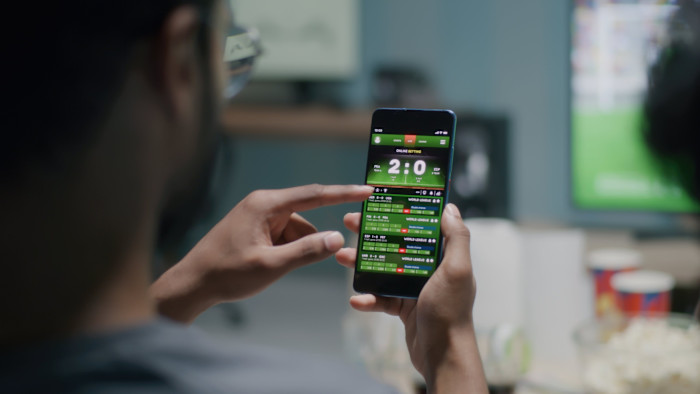
Raminta Diliso, senior partnerships manager at GamCare, said a key factor behind the rise in problem gambling was the ease of access to gambling or sports betting through apps or online platforms. “It’s like having a betting shop in your pocket,” she said.
Vulnerable gamblers need to know about the option to “block” payments to gambling sites for a set period, the charity said, or measures that force a delay to placing a bet online as a way of curbing impulse betting.
Calls to the helpline rose by 10 per cent in the three months following the Uefa Euro football championship played in 2021. “We are concerned,” Diliso added.
The Gambling Harms Action Lab, run by Martin Lewis’s charity the Money and Mental Health Policy Institute, is working with Nationwide, Barclays, HSBC, Monzo and others to pilot new tools to reach people engaging in harmful levels of gambling and offer advice to those struggling to control their spending.
Nikki Bond, head of the Lab, said the ease of use through mobile devices allowed people to gamble without friends and family necessarily being aware. “You can do it while you’re sitting with friends and they might not even realise. It can easily be hidden.”