
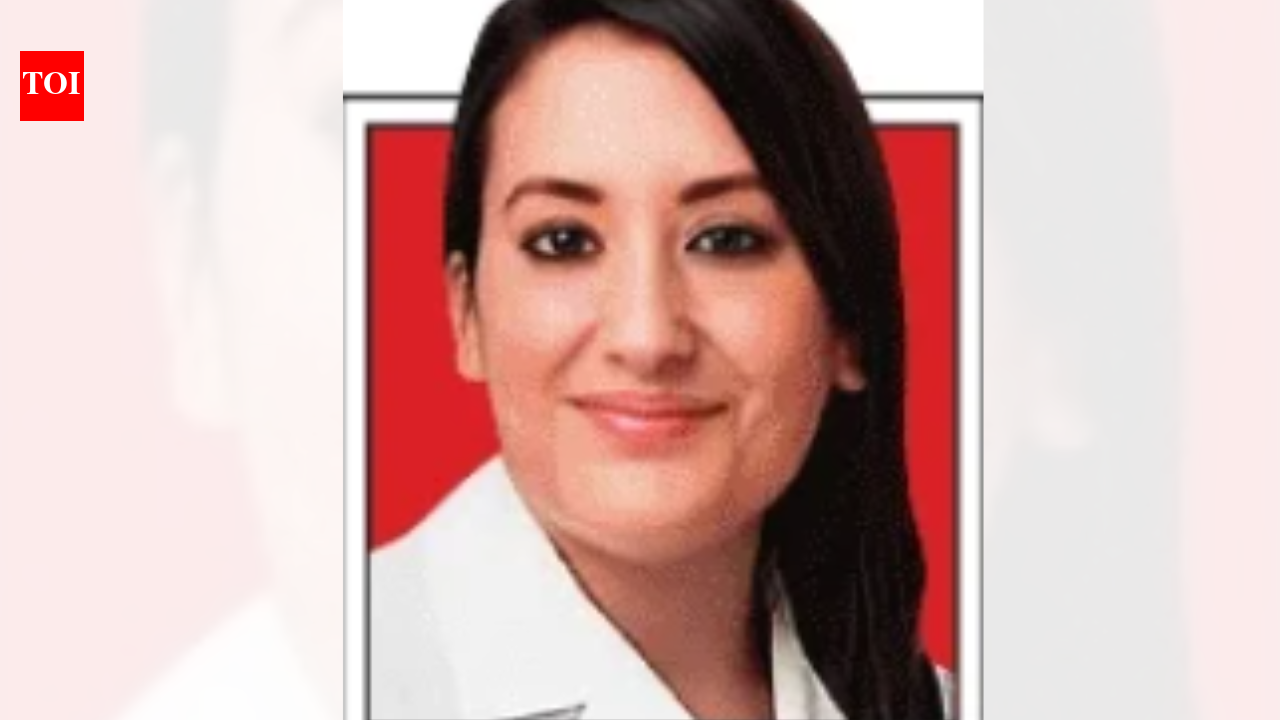
 Please describe your research?■ The SuperAgers study at Northwestern University was developed 25 years ago. Its goal is to examine individuals over the age of 80 who have the memory capacity of people aged 30 or 40 years younger. This aims to identify factors that contribute to outstanding memory performance despite ageing, so we can protect people from diseases that target memory, such as Alzheimer’s.We’ve amassed a unique database now. In our new findings published this week, we’ve examined the hippocampus of SuperAger brains. This is the primary region of the brain responsible for learning and memory. It also gets hit by Alzheimer’s neuropathology first — hence, memory problems develop. We’ve collaborated with a team led by Professor Orly Lazarus ( see right ) at the University of Illinois on this.Neurogenesis is the ability for new neurons to develop in the brain. For many years, it wasn’t even known if this happened at all in human beings. Orly’s team has provided biological proof now that neurogenesis does exist in us and it happens in an area of the hippocampus, which is fascinating with regard to how we humans encode, learn and remember.
.
Neurogenesis itself takes place in stages — think of human development, starting from the womb to birth, childhood to adolescence, young adulthood, mature adulthood and ageing. Neurons go through a similar trajectory — they start as stem cells, become neuroblasts and progenitor cells, turn into immature neurons, then mature adult neurons. Orly found SuperAgers had upto two and a half times more the amount of immature neurons in their hippocampus than normal peers. This is incredible as this stage of neurogenesis is particularly reflective of plasticity — it means the brain is flexible. So, here is biological proof that brain plasticity is possible in humans — and it still continues in our 80s and 90s.Which factors shape such neurogenesis?■ This study suggests genetics of the cell are absolutely critical for neurogenesis. Orly has even shown how in Alzheimer’s, the genetic programs are all in an inverse pattern compared to the SuperAgers’ genetic code. This is not hereditary genetics here but the DNA that tells each cell what to do.There is a possibility that epigenetics or lifestyle choices play a role — these could potentially be involved in regulating and modulating the genes embedded in that genetic code — however, we have not confirmed that yet. It’s true generally that good diet, low stress, exercise, no smoking, etc., help prevent dementia — whether these have a direct effect on neurogenesis is not known. This is the next step in our research. Animal models do show all these factors plus ‘enrichment’ — socialisation — do cause differences in neurogenesis.What are some other striking characteristics of SuperAgers?■ They have outstanding memory but their other cognitive domains, like attention, planning and organising, also do well. Further, we see some domains performing even better than others — for example, their ability to retrieve words or use language during speech tends to be faster. Next, they tend to be highly extroverted and have very close social relationships, which is not just about the number of bonds but their quality.
Uplifting: ‘SuperAgers’ show human minds, even after hard times, can stay sharp well into our 90s — linked to neurogenesis, scientists will see if lifestyle choices shape this
They also tend to score low on neuroticism — many of us are very neurotic and anxious now but these people are not. Importantly, SuperAgers are not necessarily higher IQ than their peers, they don’t necessarily have better education or come from more affluent backgrounds — there is equal potential thus for everyone to become a SuperAger and live long, healthy and rich lives.Does neurogenesis influence their positive approach to life — or could it be the other way around?■ I don’t know. I’m hesitant to give an answer to that yet. The data is correlative. These people do have an openness and connect more — is that because of neurogenesis? It could be — but even then, it is just one factor in a much larger tapestry.Orly used a very beautiful phrase in her paper which is biologically-based — she said these people have a ‘resilience signature’. I would expand that beyond biology to emotional, psychological, physical and social resilience. Some of these SuperAgers have gone to hell and back — some are Holocaust survivors. Some have experienced abuse and trauma, others have suffered incarceration and poverty. They are incredibly diverse people who have not had the easiest lives — and they have made it to old age, thriving.Could the future thus bring medical treatments specifically to improve neurogenesis?■ Yes, it’s a possibility. Orly has uncovered the genetic expression pattern of neurogenesis and, in a way, neuron resilience. If you’re able to develop, say, a genetic editing tool to mimic the resilience signature or modify the code in someone who is at high risk genetically for Alzheimer’s, that could be an avenue for treatment.Also, there is a type of inflammatory cell known as an astrocyte — this study shows that is also part of the hippocampal environment, allowing for a more enriched atmosphere for neurogenesis to occur. These cells are part of the brain’s immunity system. So, another avenue could be to manipulate this in a very targeted way with, say, an astrocyte marker, relying on them to enhance the hippocampal environment for better neurogenesis. This will all take time — but it’s an incredible starting point.What are the implications of this very hopeful study?■ Plasticity, newness and usefulness in a biological sense are possible even as we age. We now have physical evidence of this. Down the line, we will be able to actively prescribe treatments towards this. Until then, we must proceed very carefully and methodically in our research. Views expressed are personal