
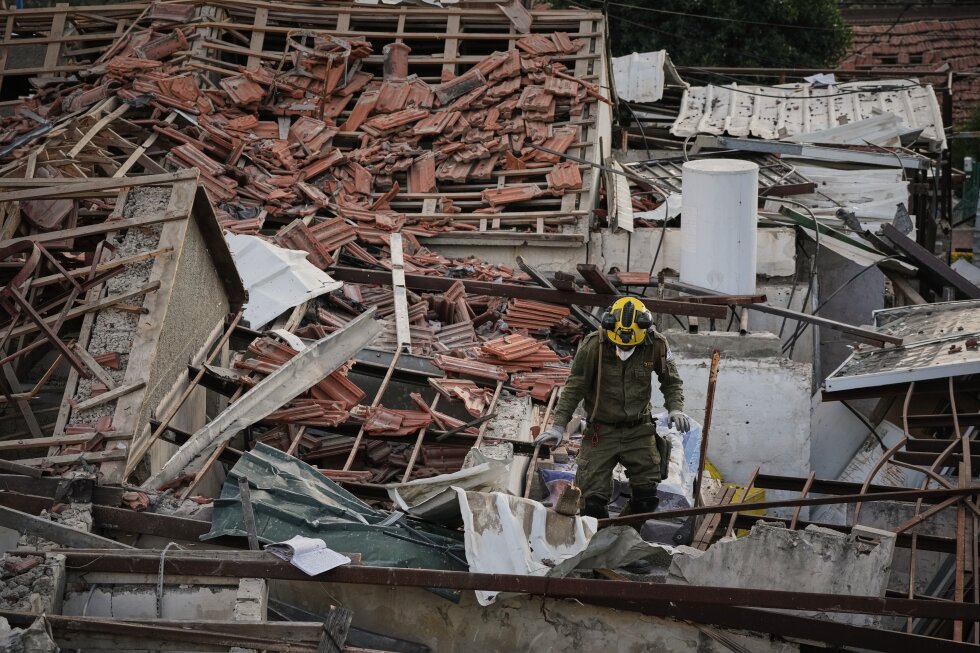
The war in the Middle East spiraled further Monday as Israel and the U.S. pounded Iran. Tehran and its allies hit back against Israel, neighboring Gulf states, and targets critical to the world’s production of oil and natural gas.
A bomb-carrying drone boat struck a Marshall Islands-flagged oil tanker in the Gulf of Oman on Monday, killing one mariner on board, Oman said. Iran has been threatening vessels approaching the Strait of Hormuz and is believed to have launched multiple attacks.
Earlier, Saudi Aramco temporarily shut down its Ras Tanura oil refinery near Dammam after it was targeted by Iranian drones. Iran’s decision to target the Saudi refinery further expands the war, directly targeting the lifeblood of the kingdom’s economy.
What to know:
Hegseth defends Iran operation: In his first public briefing since the attacks, Defense Secretary Pete Hegseth defended America’s decision to strike Iran, despite spending years blasting U.S. intervention in the Middle East. He said that Iranian officials spent weeks stalling during the recent rounds of U.S. negotiations as part of their plans to attack. He added that the strikes are designed to reduce Iran’s navy and end its nuclear and missile ambitions.Energy prices surge as tanker disruptions and facility shutdowns rattle global supply: European natural gas futures are spiking 42% in the wake of the shutdown of a major supplier of ship-born gas. The jump came after QatarEnergy said Monday it would stop its production of liquefied natural gas as the Mideast war rages. The state-owned firm blamed the war for the decision.Civilians in Lebanon flee their homes: The Iranian-backed Hezbollah militant group, based in Lebanon, fired missiles into Israel for the first time in more than a year. Israel responded by striking Beirut’s southern suburbs, killing more than two dozen people, according to Lebanon’s Health Ministry. The Lebanese government called Hezbollah’s actions illegal and demanded it hand over its weapons.