
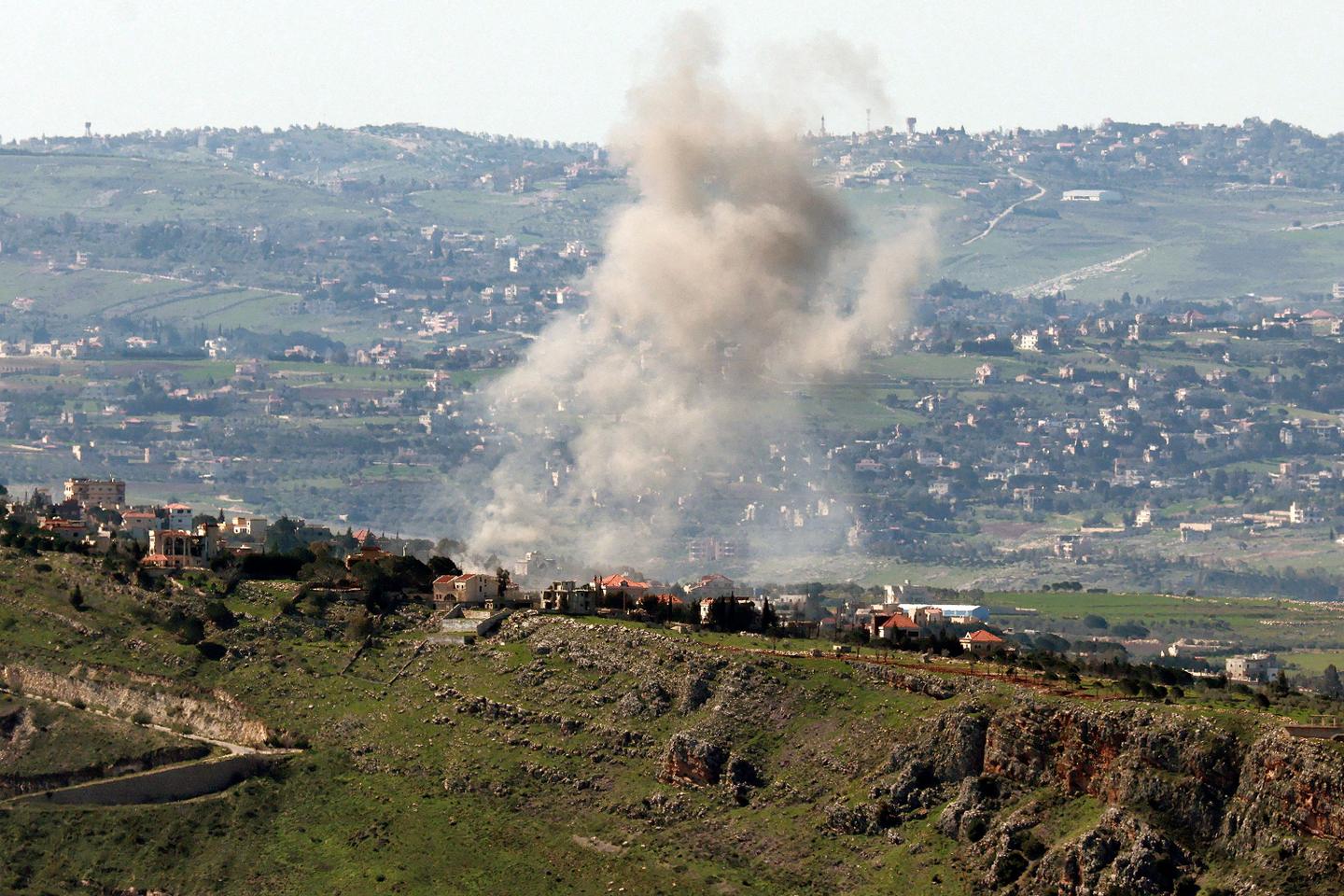
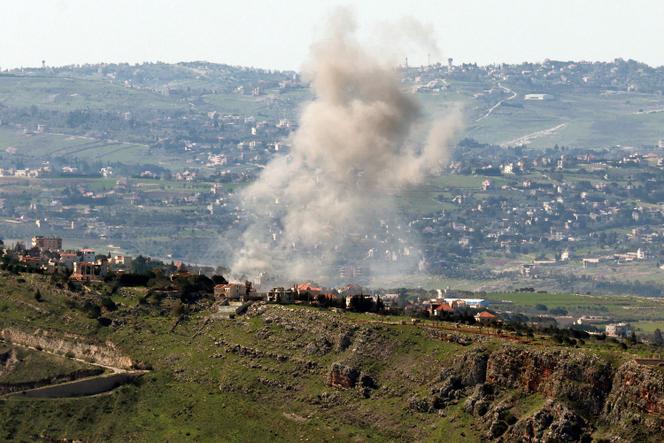
 Smoke rises from Israeli bombardment on the southern Lebanese village of Taybeh on March 3, 2026. RABIH DAHER / AFP
Israel on Tuesday, March 3, ordered the military to take control of more positions in Lebanon, where the army pulled back some of its forces after Hezbollah attacked Israeli bases in support of its backer, Iran. “Prime Minister Benjamin Netanyahu and I have authorised the Israel Defense Forces [IDF] to advance and take control of additional strategic positions in Lebanon in order to prevent attacks on Israeli border communities,” Defense Minister Israel Katz said in a statement.
In response, the Lebanese army has redeployed soldiers from several recently established border positions on Tuesday following the Israeli army’s “escalation,” a Lebanese military source told Agence France-Presse. The troops, “numbering in total eight to nine soldiers at each point, were redeployed to their bases because of the danger to their safety,” the Lebanese military said.
Lebanon was drawn into the regional war on Monday after an initial rocket attack on Israel by Hezbollah, which said it wanted to “avenge” the killing of Iranian Supreme Leader Ayatollah Ali Khamenei during the US-Israeli strikes. Israel promptly responded with large-scale strikes on Lebanon, where the government on Monday declared an immediate ban on Hezbollah’s military activities.
The Israeli military said on Monday it had killed the head of Hezbollah’s intelligence services, Hussein Moukalled, in a strike in Beirut. On Tuesday, it announced the killing of another senior militant, whom it named as Reza Khazai, in a strike in Beirut, saying he was responsible for overseeing Hezbollah’s weapons build-up on behalf of Iran’s elite Quds Force. The military did not identify his nationality.
Read more Subscribers only Israel unites against the ‘existential threat’ of Iran: ‘We need to get rid of this regime that hates us’ ‘All options’
Hezbollah said it targeted three Israeli military bases on Tuesday in response to the Israeli strikes on the group’s strongholds. Although Israel has maintained that it is not planning a full-scale ground invasion of Lebanon, the military has stated that “all options are on the table” to halt incoming rocket fire from Hezbollah.
On Tuesday, Katz declared that troops had been ordered to seize additional locations inside Lebanon, though the military described these steps as “tactical measures” rather than a ground invasion. Israeli forces had previously entered Lebanon in September 2024 after nearly a year of cross-border exchanges initiated by Hezbollah in support of its Palestinian ally Hamas following the outbreak of the war in Gaza.
Read more Subscribers only Israel steps up military operations in Lebanon, Gaza Strip and West Bank
Tens of thousands of residents on both sides of the border had been evacuated as fighting between the two intensified. The Israeli military has since said it did not plan to evacuate northern communities again, noting that it has reinforced troop deployments along the Lebanese border and strengthened air defenses in the area.
Under a November 2024 truce, only UN peacekeepers and the Lebanese army may bear arms south of the Litani River, which runs around 30 kilometers from the Israeli border. Israel was supposed to withdraw all of its forces from Lebanon under a ceasefire agreed in November 2024 but has kept troops in five border areas it deems strategic, citing Hezbollah’s refusal to surrender its own arms. Despite the ceasefire, Israel has conducted regular air strikes on Hezbollah positions in Lebanon.
From May Subscribers only Lebanon: Six months after a ceasefire with Israel, a low-intensity war is ongoing