
Home » Latest Travel News » Spain, UK, Germany, Italy, France, and Poland Hit by CDC’s Level 2 Polio Warning: How Airlines Like British Airways, Lufthansa, Air France, and Hotels in Barcelona, London, Berlin, Rome, Paris, and Warsaw Are Reacting to the Health Threat
Published on
March 6, 2026
Image generated with Ai
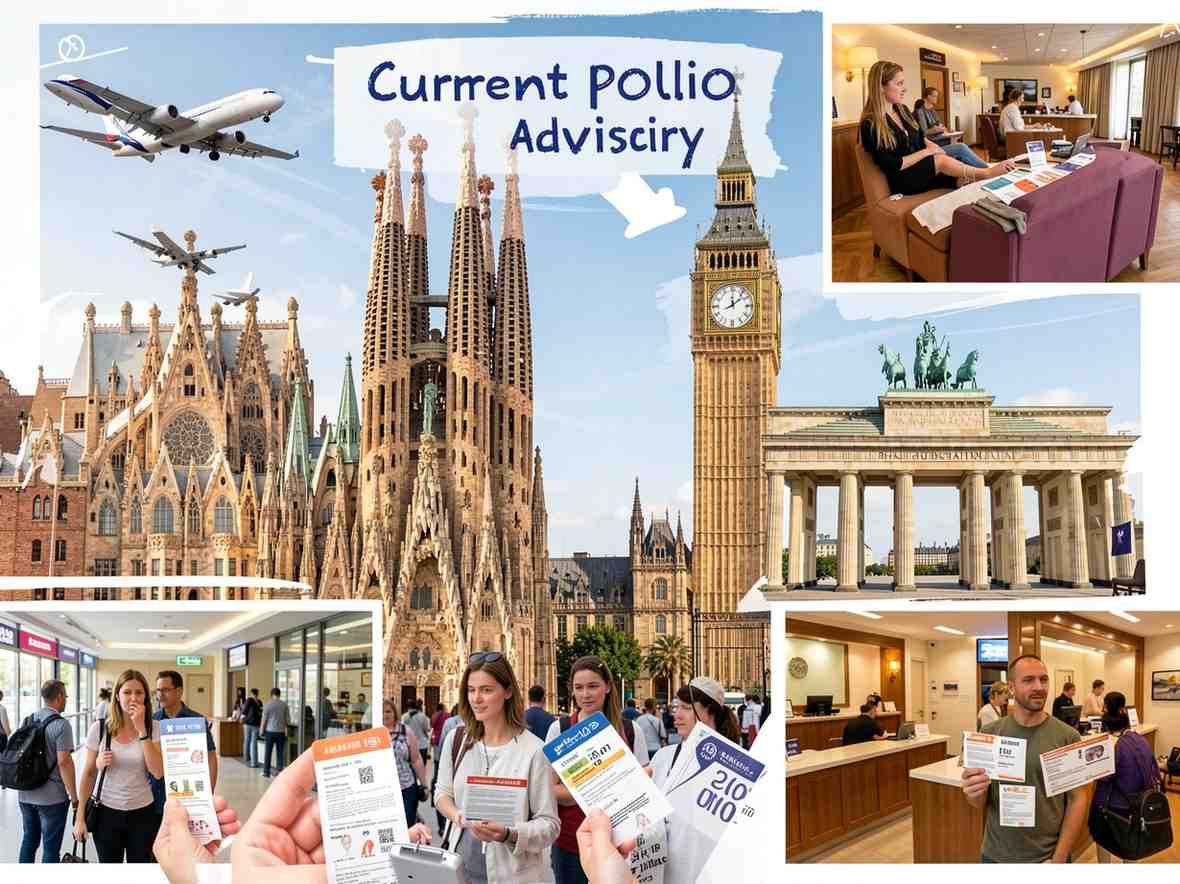
Spain, the UK, and Germany, along with several other popular European destinations, are facing a new health concern after the U.S. Centers for Disease Control and Prevention (CDC) issued a Level 2 travel advisory on March 3, 2026, due to the spread of poliovirus. This unexpected warning has sent shockwaves through the tourism industry, particularly in these well-loved countries, which are known for their rich cultural heritage, bustling city life, and scenic landscapes. With millions of travelers planning vacations to iconic cities like Barcelona, London, and Berlin, the CDC’s alert now raises serious questions about health risks, flight cancellations, and the future of tourism in these regions. As the polio virus resurfaces, impacting not only local communities but also international travelers, airlines like British Airways, Lufthansa, and Air France are under pressure to navigate the delicate balance of maintaining travel safety while keeping the wheels of global tourism moving. Hotels in these cities are also preparing for the potential fallout, as tourists become more cautious about their travel plans. With the world still recovering from previous health scares, this travel warning serves as a crucial reminder for travelers to stay informed and take proactive steps to ensure their safety while exploring the wonders of Europe.
Spain, UK, Germany, Italy, France, and Poland Hit by CDC’s Level 2 Polio Warning
In an unexpected development, the U.S. Centers for Disease Control and Prevention (CDC) has issued a Level 2 travel advisory for Spain, the UK, Germany, Italy, France, Poland, and several other countries across Europe, Africa, and the Middle East due to the spread of poliovirus. The advisory urges enhanced precautions for travelers, advising that they ensure their vaccinations are up-to-date before traveling to affected regions. This alert, issued on March 3, 2026, comes at a time when international travel is picking up, making it especially critical for tourists to remain informed and take necessary health measures.
The resurgence of poliovirus in countries that were once considered free from the disease has raised alarms in the global health community. For travelers, particularly those heading to Europe’s most popular destinations, this new advisory introduces important considerations for their upcoming trips. From flight details to hotel protocols, the impact of this advisory spans beyond just health precautions—it also influences the tourism, airline, and hospitality industries.
Advertisement
Advertisement
The Impact on Spain, UK, and Germany: A Wake-Up Call for Tourists and Airlines
Spain, the UK, and Germany are among the countries most affected by the CDC’s latest travel warning. These nations are major tourist destinations, attracting millions of visitors each year from around the globe. Spain, with its sunny beaches, historic architecture, and vibrant culture, has long been a top choice for tourists seeking both relaxation and adventure. The UK, home to landmarks like the Tower of London, Buckingham Palace, and the cultural hub of London, also draws travelers year-round. Germany, known for its beautiful cities like Berlin, Munich, and the scenic countryside, is another popular European destination.
With the recent CDC travel advisory in place, the spread of poliovirus threatens to disrupt the tourism sector in these key markets. Airlines such as British Airways, Lufthansa, and Air France, which operate numerous flights to and from these regions, may experience a decline in demand as travelers become wary of traveling to these areas. The possibility of flight cancellations and delays could increase, as airlines and governments work to manage public health concerns.
Advertisement
Advertisement
Additionally, the hospitality industry in these countries is likely to feel the effects. Hotels in cities like Barcelona, London, Berlin, Rome, Paris, and Warsaw could see a reduction in bookings, particularly from international travelers who are concerned about the health risks. To combat this, many hotels are expected to implement enhanced hygiene protocols, including offering travelers up-to-date information on polio vaccination requirements and offering flexible booking options to reassure guests.
France and Italy: Will the Polio Warning Affect Their Tourist Traffic?
As the world’s tourism industry gradually recovers from the effects of the COVID-19 pandemic, countries like France and Italy have become hotspots for travelers. France, renowned for its cuisine, art, and history, welcomes millions of visitors annually, with Paris being one of the most visited cities in the world. Similarly, Italy attracts tourists to its iconic cities like Rome, Venice, and Florence, offering unparalleled cultural experiences and breathtaking landscapes.
Advertisement
Advertisement
However, with the new CDC advisory impacting France and Italy, travelers may have second thoughts about their trips. The spread of poliovirus could prompt individuals to reconsider non-essential travel to these destinations, especially if they are not up-to-date on their vaccinations. Airlines operating routes to Paris and Rome could see booking slowdowns, particularly among risk-averse travelers who may opt for destinations not affected by the polio warning.
The hospitality industry in both France and Italy is likely to adjust its strategies to accommodate concerns from international visitors. Hotels may introduce measures such as offering easy access to vaccination centers or ensuring that travelers are informed about the steps they can take to stay safe while visiting these countries. With the rise of travel health-consciousness, it will be essential for hotels to assure guests that they are taking appropriate steps to safeguard their health and well-being.
Poland and Other Eastern European Countries: Navigating Health Risks Amid Rising Tourism
Poland, one of Eastern Europe’s rising tourism stars, has been gaining increasing popularity with travelers, particularly from the United States and Western Europe. Cities like Warsaw, Krakow, and Gdansk offer rich history, beautiful architecture, and a unique cultural experience. Poland’s charm lies in its blend of old-world beauty and modernity, making it a must-visit for many.
However, with the CDC’s Level 2 travel advisory now affecting Poland, the country’s tourism industry may experience a dip in visitor numbers. Although the advisory does not specifically ban travel, it does raise awareness of potential health risks, and travelers may reconsider their plans to visit Eastern Europe. Airlines operating in Poland may face the challenge of addressing traveler concerns regarding the health implications of visiting the country during this period.
In response, Poland’s hospitality industry will likely ramp up its efforts to ensure that tourists feel safe and comfortable. Hotels in cities like Warsaw and Krakow are expected to take extra steps to maintain cleanliness and hygiene and will need to communicate to guests that they are committed to following the latest health guidelines. The presence of polio in the country may lead to the introduction of vaccination verification systems, ensuring that guests who arrive are properly vaccinated to mitigate the risk of infection.
Airlines and Flight Details: How the CDC’s Advisory Could Affect Your Travel Plans
For travelers planning trips to Europe in the coming months, understanding how the CDC’s advisory will affect their flight plans is crucial. Airlines like British Airways, Lufthansa, Air France, and Ryanair are among the major carriers operating to and from the affected countries. While the CDC advisory does not mandate travel restrictions, it may influence flight demand and scheduling as travelers assess their health risks.
British Airways, known for its extensive network across Europe, will likely see an impact on bookings for flights to Spain, the UK, and Germany. The airline has been adapting to the post-pandemic travel landscape by offering flexible booking options, which will be critical during times of uncertainty like this. If polio concerns lead to cancellations, British Airways may also increase flexibility for passengers by offering waivers or free rescheduling options.
Lufthansa, operating in Germany and much of Europe, is another airline that could face booking slowdowns due to the advisory. However, with Germany being a key business hub, Lufthansa’s network of flights between major European cities and international destinations may remain relatively resilient. That said, it’s still essential for travelers to keep an eye on flight changes and cancellations as airlines adjust to evolving health concerns.
Air France, with its vast network from Paris to global destinations, could also experience similar shifts in passenger demand. Travelers should check with the airline for real-time updates on flight schedules, cancellations, and any health-related guidelines in place. In response to the polio advisory, airlines may introduce new measures to reassure passengers, such as providing easy access to vaccination information and health-related advice.
Travel Tips for Tourists: Staying Safe While Visiting Affected Countries
For travelers planning to visit any of the countries affected by the CDC’s polio advisory, it is crucial to stay informed and prepared. Here are some essential travel tips:
Get Vaccinated: If you are planning to visit Spain, the UK, Germany, Italy, France, Poland, or any other affected country, ensure you are up-to-date on your polio vaccinations. The CDC recommends a booster shot for travelers who are not fully vaccinated.Check with Airlines: Contact your airline to confirm your flight details and inquire about any health-related protocols they may have in place, such as the need for proof of vaccination.Hotel Protocols: Before booking a hotel, inquire about their hygiene practices and whether they are taking extra precautions to ensure guests’ safety. Many hotels are offering flexible booking options and enhanced cleaning protocols in response to health advisories.Stay Informed: Follow local health advisories and news reports about polio in your destination country. Be prepared for potential changes in travel restrictions or health measures, such as mandatory health checks at airports.Health Insurance: Make sure you have comprehensive travel health insurance that covers potential medical expenses related to infectious diseases like polio. This will provide peace of mind in case of an emergency.Hand Hygiene and Water Safety: Polio can spread through contaminated food and water. Practicing good hand hygiene and drinking bottled water will help reduce the risk of infection.The Future of European Tourism Amid Health Threats
While the current polio advisory has raised concerns among travelers, it also serves as a reminder of the importance of maintaining health safety protocols when traveling internationally. As the global tourism industry continues to recover, travelers are becoming increasingly conscious of health risks, which has prompted the hospitality and airline sectors to adapt quickly.
For the airline industry, maintaining flexibility in flight scheduling and providing clear communication about health protocols will be key to managing this new wave of travel uncertainty. Similarly, hotels will need to assure guests that they are following stringent hygiene measures, ensuring a safe and comfortable stay even amid rising health concerns.
In the long term, health advisories like the CDC’s polio warning will likely influence how travelers perceive safety when planning their trips. As vaccines and public health measures continue to evolve, the tourism industry will need to stay agile to meet these shifting expectations, ensuring that tourists can travel with confidence and peace of mind.
Spain, the UK, and Germany are now facing heightened travel concerns after the CDC issued a Level 2 polio advisory on March 3, 2026. This warning has raised alarms in the tourism, airline, and hospitality sectors, prompting travelers to reconsider their plans.
For now, tourists heading to Spain, the UK, Germany, and other affected destinations should stay informed about the latest health guidelines, ensure they have the proper vaccinations, and monitor their travel plans closely. By doing so, they can enjoy their European vacations while keeping health risks at bay.
