
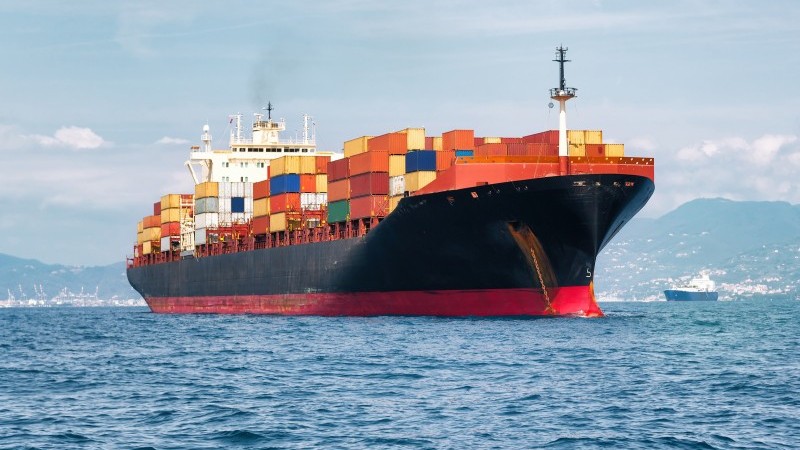
While the evolution of the Middle East conflict remains highly uncertain, we outline three scenarios assessing how disruptions to Gulf aluminium supply could affect the global market, in line with our energy flows scenarios. Based on these scenarios, we revise our aluminium price outlook higher and assess the resulting market balances and price outcomes under varying degrees of disruption.
In Scenario 1, which we consider our base case, we assume a relatively short disruption to regional shipping lasting around four weeks. Exports from Gulf producers are temporarily delayed and some metal accumulates on site, particularly at Alba where deliveries have already been affected. At the same time, the disruption at Qatalum represents a genuine supply shock as production recovers only gradually following a controlled shutdown.
In Scenario 2, disruptions persist for longer, with shipping constraints lasting several months. This would further tighten the seaborne aluminium market as export flows from the Gulf remain constrained. In this scenario, we also assume the risk of minor production curtailments across Gulf smelters if logistics disruptions persist and raw material deliveries begin to tighten.
Scenario 3 represents a more severe disruption to shipping through the Strait of Hormuz lasting around three months. In this case, a combination of lost production, stranded metal and broader logistics disruptions could significantly tighten global aluminium availability. At these levels of tightening, prices could briefly move above $4,000/t before demand destruction begins to limit further upside. Prices therefore retrace from peak levels later in the year, although the underlying deficit keeps aluminium well above pre-conflict baseline levels.