
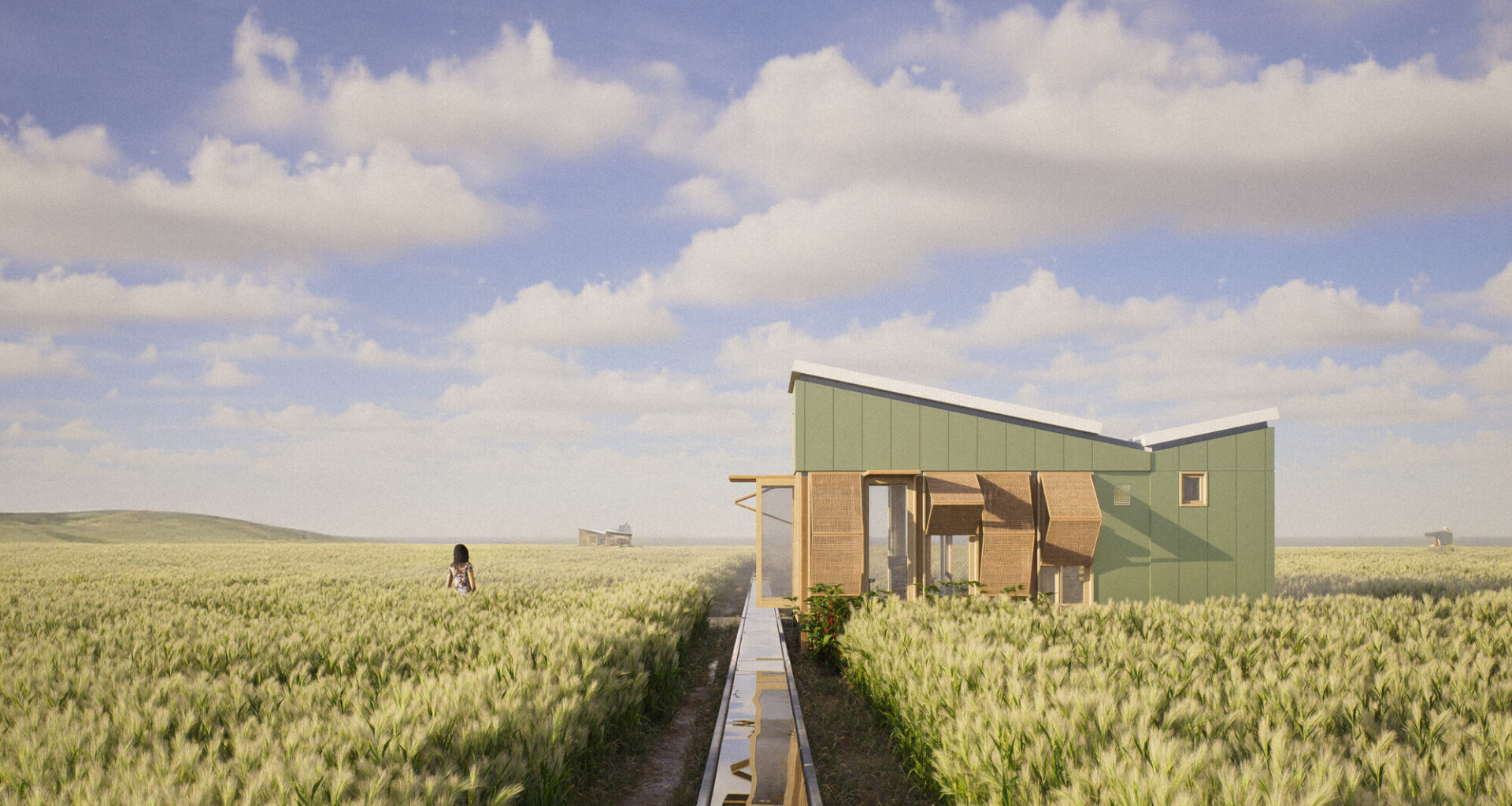
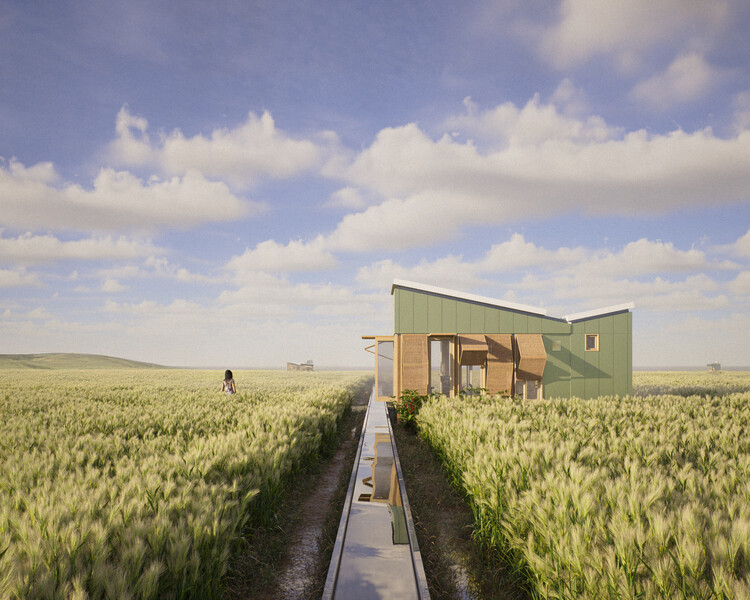
 First Prize Winner: Living on Groundwater. Image Courtesy of Buildner
Share
Or
https://www.archdaily.com/1039183/buildner-and-kingspan-launch-microhome-2026-with-eu100k-in-awards-and-announce-10th-edition-winners
In collaboration with building materials manufacturer Kingspan, Buildner has launched MICROHOME 2026, the eleventh edition of its annual competition, offering a €100,000 prize fund. This global competition invites architects, designers, and creative thinkers to redefine the concept of microhomes and develop cutting-edge, sustainable solutions for compact housing.
Participants are challenged to design a modular, self-sufficient, and energy-efficient microhome with a maximum footprint of 25 m². Proposals should push the boundaries of innovation, functionality, and sustainability while addressing real-world challenges such as urban density, affordability, and environmental responsibility. The competition is open to everyone, including professionals and students, and its key objectives involve:
Innovation and Functionality: Create an efficient, livable space that combines usability, aesthetics, and technological advancements. Sustainability: Integrate environmentally responsible materials, energy-efficient systems, and strategies that minimize environmental impact. Affordability: Propose designs that make microhomes accessible to diverse populations. Adaptability: Explore designs that can adapt to various urban, rural, or off-grid environments.
The competition features a total prize fund of €100,000, distributed across several awards and recognitions. The First Prize winner will receive €30,000, followed by €10,000 for Second Prize and €5,000 for Third Prize. The Buildner Student Award offers €10,000, while the Kingspan Award grants €30,000. In addition, three Kingspan Complement Awards will be presented at €5,000 each, along with six Honorable Mentions recognizing outstanding proposals. The final registration deadline is September 30, 2026, at 11:59 PM GMT, and submissions are due by November 2, 2026, at 11:59 PM GMT. Winners will be announced on December 15, 2026. To register, visit the competition site.
Buildner and Kingspan have also announced the results of the competition’s tenth edition. An international jury panel reviewed and evaluated the submitted entries:
Brent Trenga, Director of Sustainability, Kingspan Insulated Panels Sandra Del Bove, Head of Innovation, Kingspan Zack Giffin, Tiny House Nation Mitchell Joachim, Co-Founder, Terreform ONE Flora Lee, Associate Partner, MAD Architects Adele Peters, Journalist and Sustainability Writer, FastCompany
Projects:
First Prize Winner: €40,000
Project title: Living on Groundwater
Authors: Matthew W Wilde and Aleksa Milojevic, from the United States
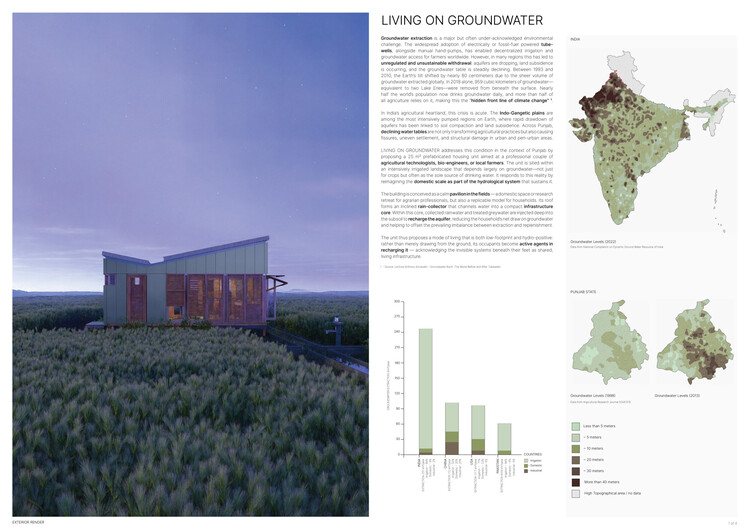 First Prize Winner: Living on Groundwater. Image Courtesy of Buildner
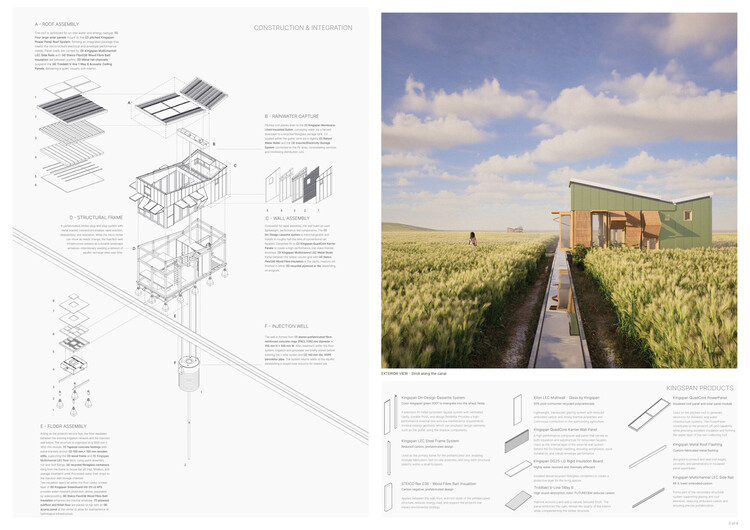
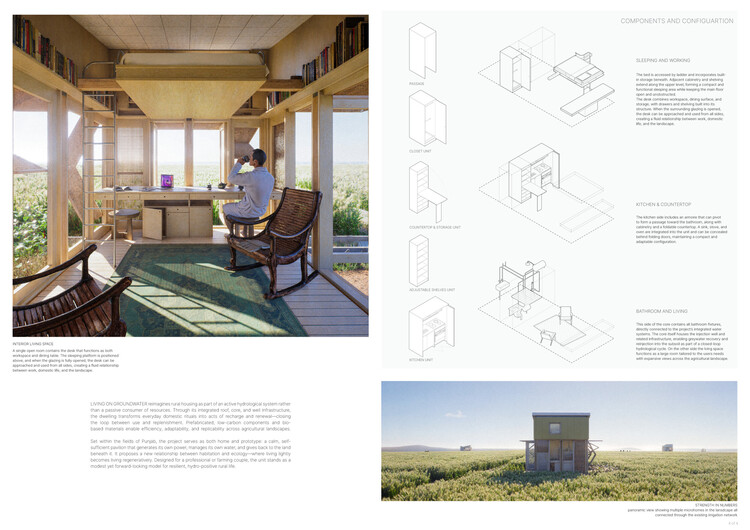
Living on Groundwater is a 25-square-meter microhome designed as part of a broader hydrological system rather than as an isolated dwelling. Located within the agricultural fields of Punjab, India—one of the regions most affected by severe groundwater depletion—the project proposes a low-footprint, hydro-positive housing model in which residents become active agents in groundwater recharge. The compact home rests lightly above the fields and incorporates rainwater harvesting, greywater recycling, and an on-site injection well that returns treated water back to the aquifer. Spatially, the home is organized around a raised timber frame and a permeable façade system that mediates between interior domestic functions and the surrounding landscape. A lofted sleeping platform maximizes usable floor space, while modular cabinetry and convertible work surfaces enhance the unit’s efficiency. Prefabricated wall and roof assemblies streamline construction and allow for replicability across rural contexts. By integrating building systems, local ecology, and long-term water management, the project reframes the microhome as infrastructure designed to repair the environmental conditions that support it.
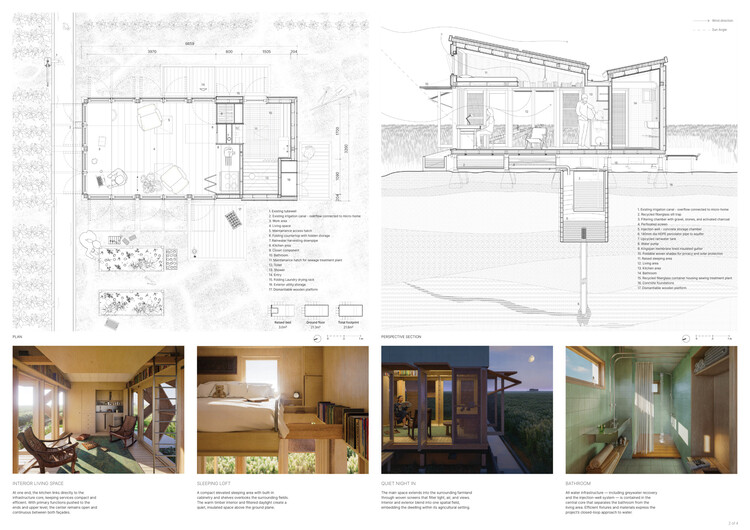 First Prize Winner: Living on Groundwater. Image Courtesy of Buildner
 First Prize Winner: Living on Groundwater. Image Courtesy of Buildner
 First Prize Winner: Living on Groundwater. Image Courtesy of BuildnerSecond Prize Winner: €20,000
Project title: Resilience Is Politics
Authors: Alejandro De Jesús Vera Véliz, Chile
 Second Prize Winner: Resilience Is Politics. Image Courtesy of Buildner
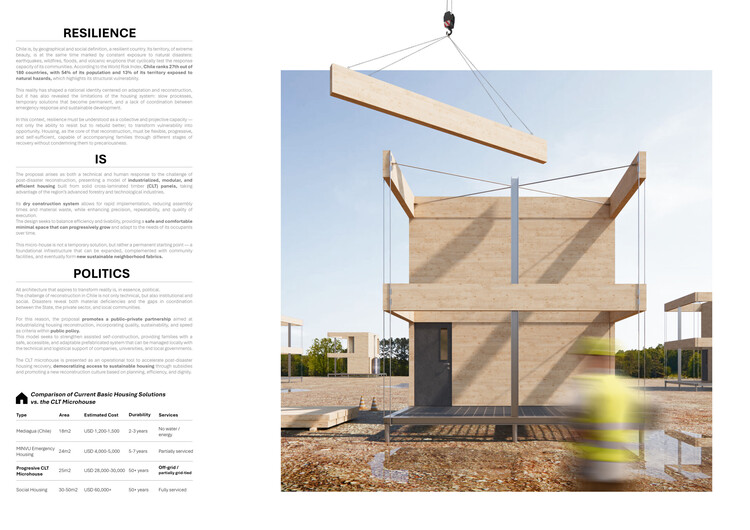
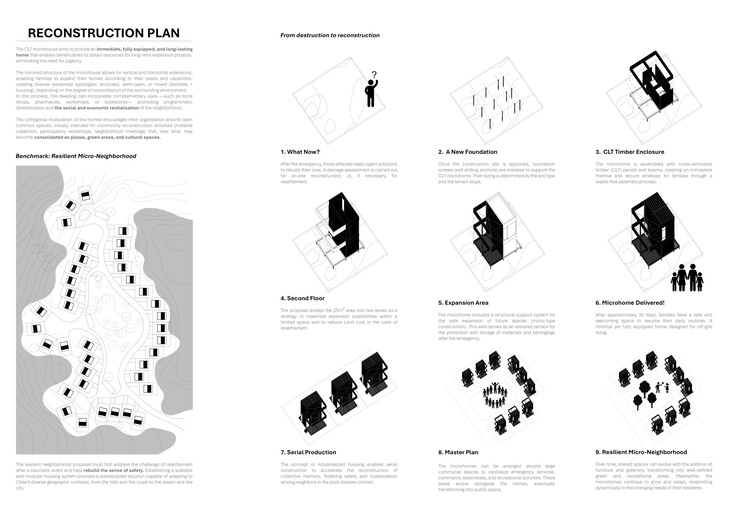
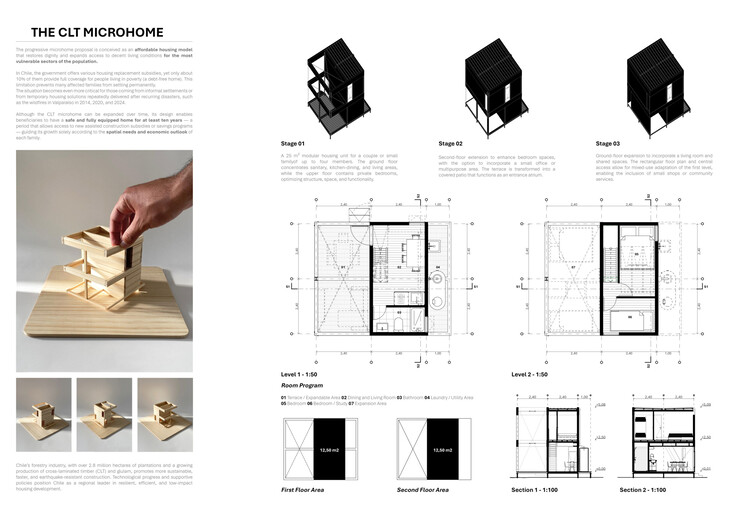
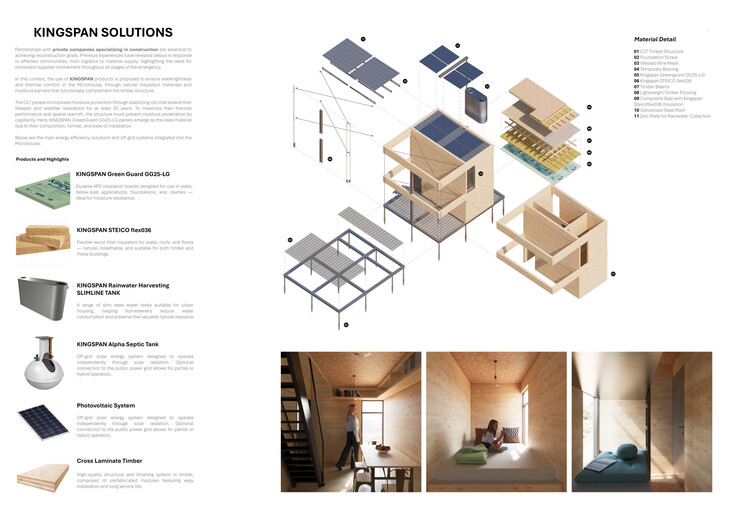
The CLT Microhome proposes a compact timber dwelling that combines rapid assembly with long-term adaptability. The design is based on a simple structural grid and modular CLT panels, creating a robust envelope that can be quickly erected in post-disaster or low-resource settings. A clear vertical separation places communal living and service areas on the ground floor, with private rooms located above. The exposed frame extends beyond the enclosed volume and signals future expansion, allowing the home to grow in predictable stages without major structural changes. The construction system relies on repeatable components and efficient joining methods that support low waste, low carbon output, and ease of maintenance. The proposal also connects individual units to a broader neighborhood strategy by promoting scalable clusters that can evolve into stable communities. Its focus on resilience, affordability, and pragmatic assembly makes the microhome suited for rapid deployment across varied contexts.
 Second Prize Winner: Resilience Is Politics. Image Courtesy of Buildner
 Second Prize Winner: Resilience Is Politics. Image Courtesy of Buildner
 Second Prize Winner: Resilience Is Politics. Image Courtesy of BuildnerThird Prize Winner: €10,000
Project title: Sumak Wasi
Authors: Maria Jose Morocho Rojas, Christian German Medina Romero and Grace Catalina Gavilanes Palacios, from Hungary
 Third Prize Winner: Sumak Wasi. Image Courtesy of Buildner
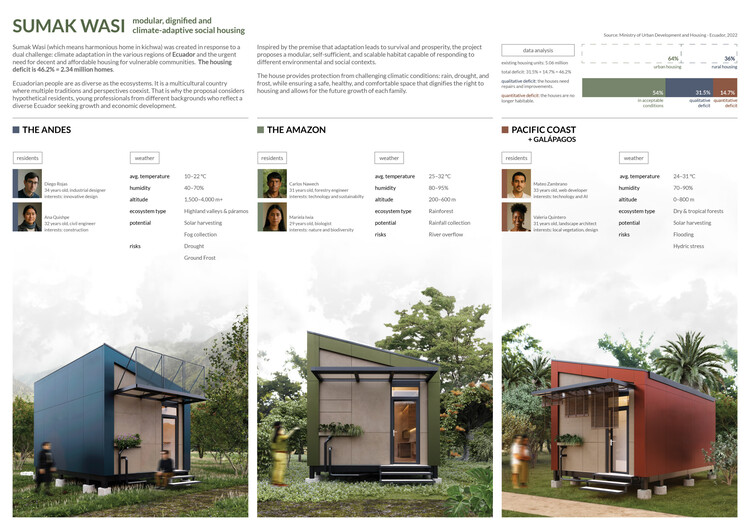
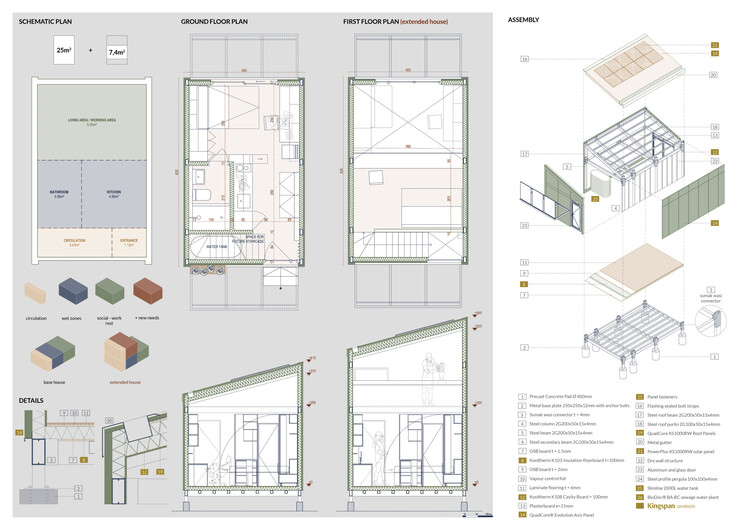
Sumak Wasi proposes a modular microhome system designed to address Ecuador’s diverse climates and social conditions through a single adaptable housing model. The project responds to urgent housing deficits by offering a compact 25-square-meter base unit, complemented by a 7.4-square-meter extension that supports long-term growth. The design relies on a simple structural grid, efficient panelized construction, and clear zoning to create flexible interiors that can adapt to changing family needs. Climate specificity drives each variant with targeted strategies for the Andes, Amazon, and Pacific regions using fog catchers, rainfall collection, solar harvesting, and shading systems. The proposal integrates convertible furniture and modular expansions that support productive uses such as shops or workspaces, strengthening local economies. By combining phased growth, durable material selection, and strong climatic logic, SUMAK WASI positions the microhome as an adaptable social infrastructure for Ecuador’s mixed geographies.
 Third Prize Winner: Sumak Wasi. Image Courtesy of Buildner
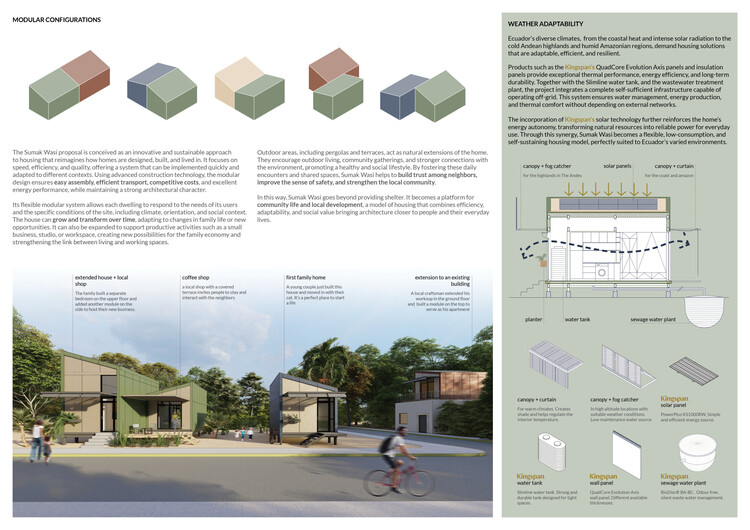 Third Prize Winner: Sumak Wasi. Image Courtesy of Buildner
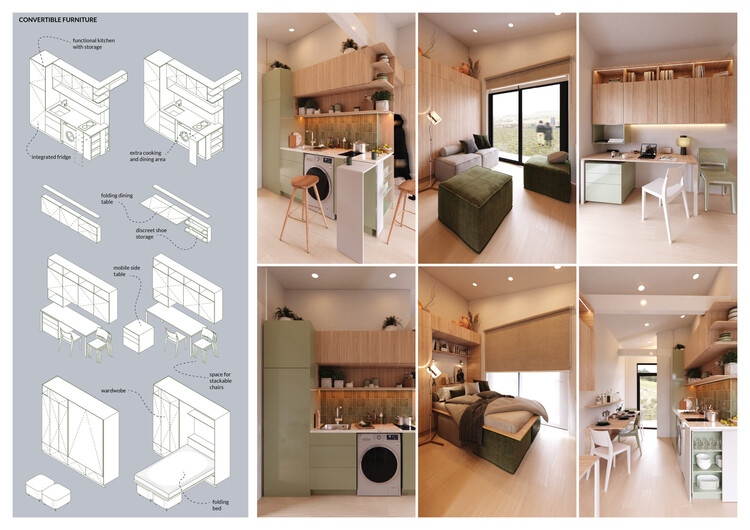 Third Prize Winner: Sumak Wasi. Image Courtesy of BuildnerBuildner Student Award: €10,000
Project title: Amphibious Living Unit — Mekong Prototype
Authors: Joseph Macglashan Iv Hill of University of Arkansas, from the United States
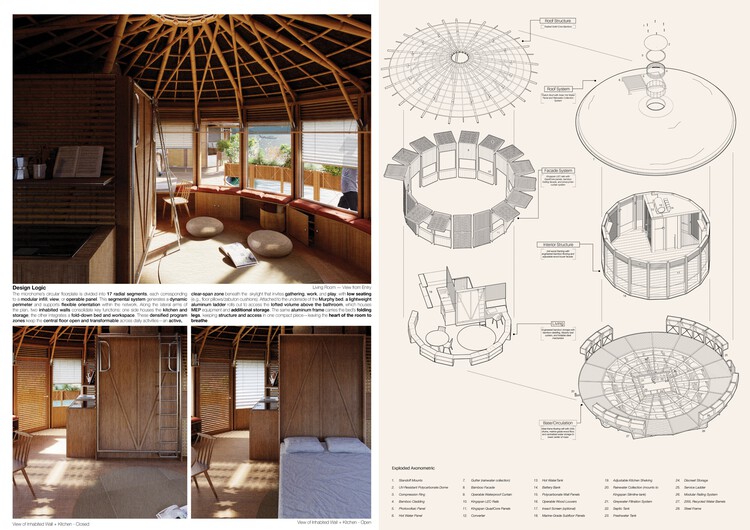
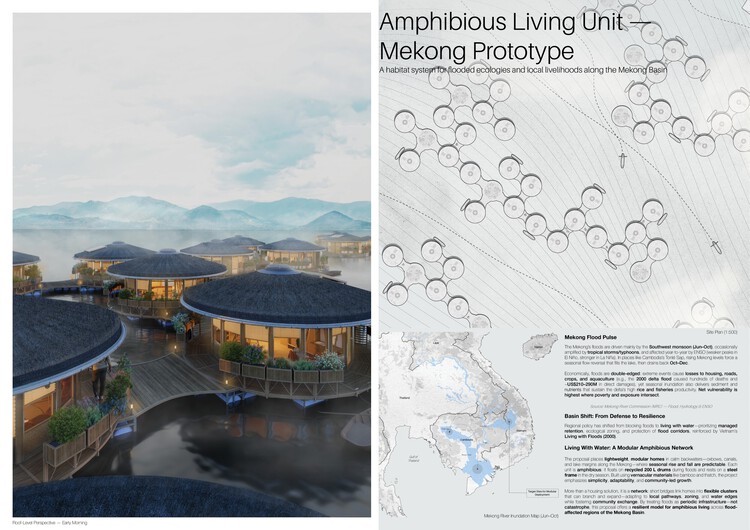 Buildner Student Award: Amphibious Living Unit — Mekong Prototype. Image Courtesy of Buildner
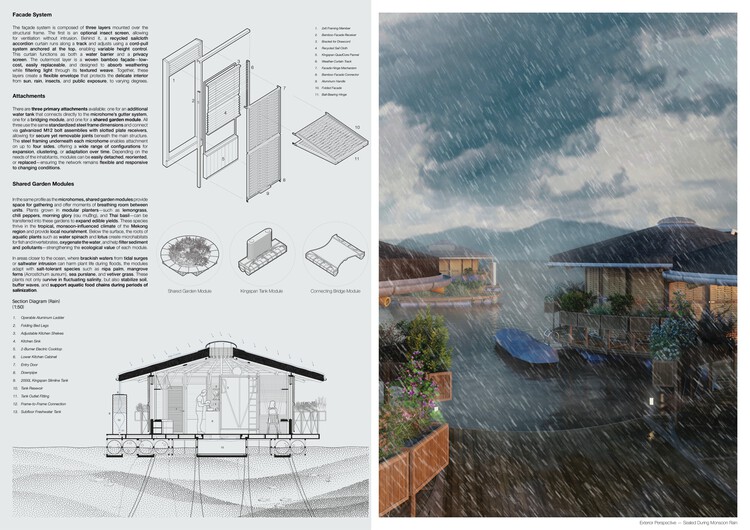
This amphibious microhome prototype proposes a circular, modular dwelling designed for communities along the Mekong Basin, where seasonal flooding shapes daily life. The unit floats during periods of high water and stabilizes on a simple frame at low water, creating a resilient habitat that adapts to changing conditions without relying on heavy infrastructure. A breathable bamboo façade, lightweight roof system, and radial interior layout promote natural ventilation, daylight, and low-impact construction. Shared garden modules, bridging platforms, and a flexible façade system extend the home into a larger aquatic network that supports food production and social life. The project foregrounds climate resilience through local materials, adaptable assemblies, and an architectural language rooted in the rhythms of wetland ecologies.
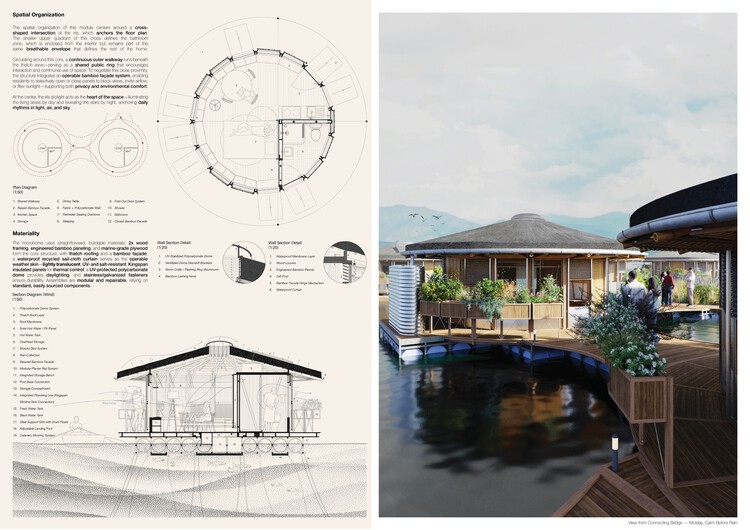 Buildner Student Award: Amphibious Living Unit — Mekong Prototype. Image Courtesy of Buildner
 Buildner Student Award: Amphibious Living Unit — Mekong Prototype. Image Courtesy of Buildner
 Buildner Student Award: Amphibious Living Unit — Mekong Prototype. Image Courtesy of BuildnerKingspan Award Winner: €10,000
Project title: Laneway House
Authors: Josephine Clare Harris and Luke Cotsford John Austin, from Australia
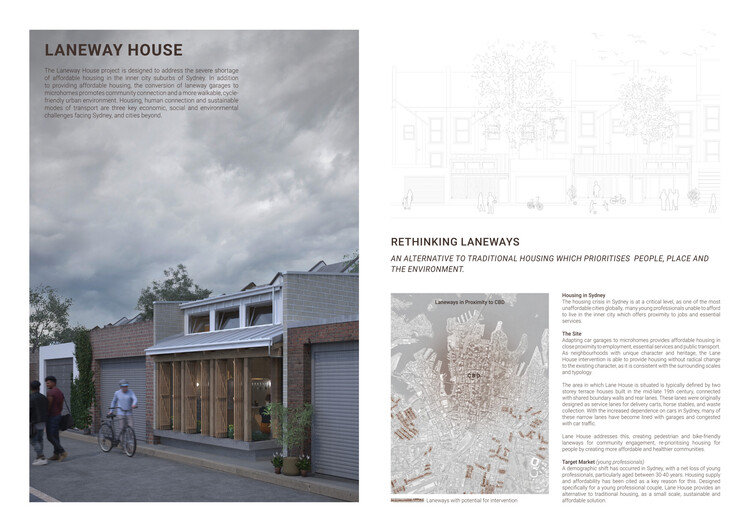 Kingspan Award Winner: Laneway House. Image Courtesy of Buildner
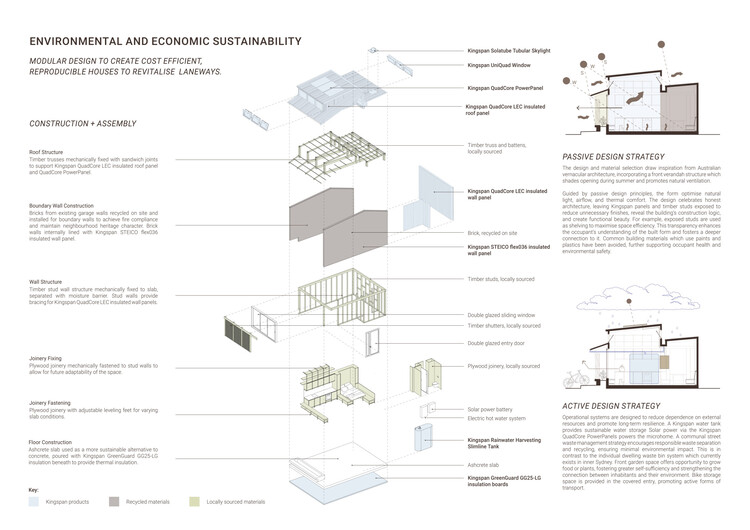
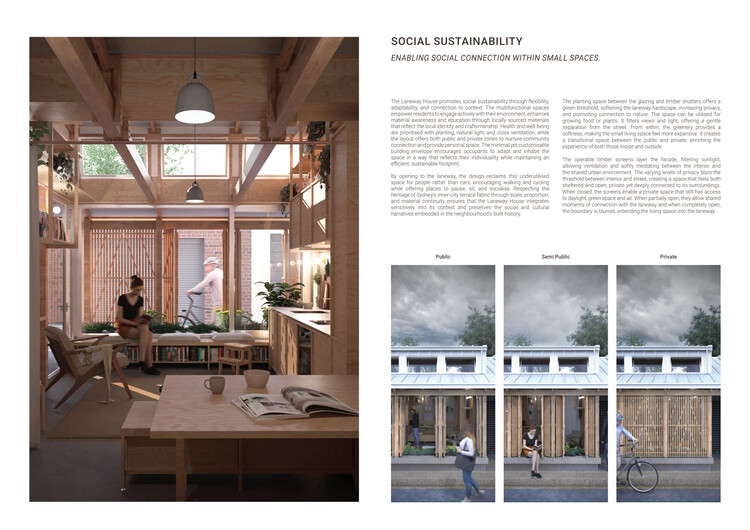
This proposal reimagines Sydney’s laneway garages as compact, socially responsive microhomes that maximize a constrained footprint through flexible interiors, material simplicity, and a clear urban narrative. The 22-square-meter plan is divided into two functional zones: a front living and cooking area that opens directly to the laneway, and a rear zone dedicated to sleeping, bathing, and working, moderated by a curtain partition for adjustable privacy. Integrated joinery concentrates multiple domestic functions—bed, table, lounge, and storage—into a single adaptable element that reduces material use while expanding spatial capability. High-level windows provide natural ventilation and daylight, while operable façade screens modulate privacy and strengthen the home’s connection to the laneway as a shared urban space. The project positions micro-infill housing as a tool for affordability, social connection, and low-impact construction in dense neighborhoods.
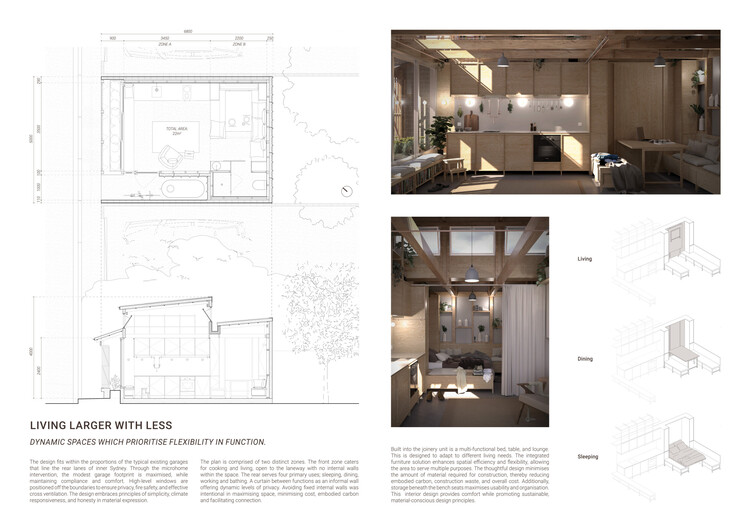 Kingspan Award Winner: Laneway House. Image Courtesy of Buildner
 Kingspan Award Winner: Laneway House. Image Courtesy of Buildner
 Kingspan Award Winner: Laneway House. Image Courtesy of BuildnerKingspan Compliment Winners: €5,000
Project title: Kerb House
Author: Sam Alexander Selencky, from the United Kingdom
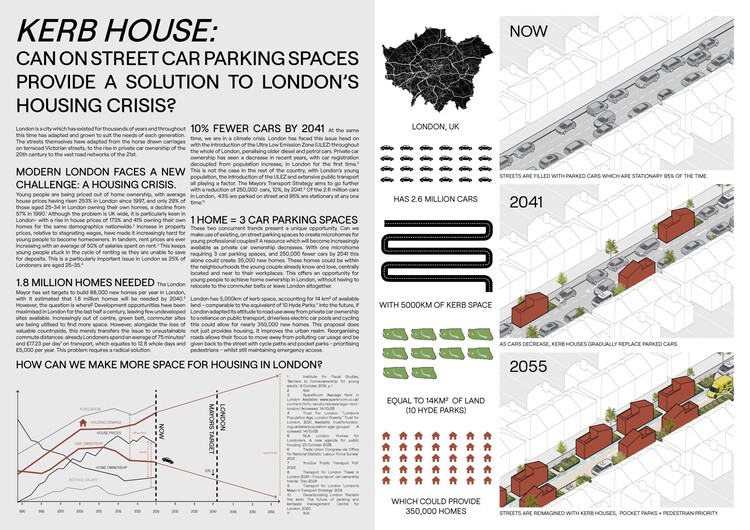 Kingspan Compliment Winner: Kerb House. Image Courtesy of Buildner
Kerb House proposes a modular microhome that occupies the footprint of three on-street car parking spaces, reframing underused kerbside infrastructure as a distributed solution to London’s housing shortage. Conceived as a compact, prefabricated kit of parts, the 25-square-meter dwelling integrates living, sleeping, working, and outdoor areas within a narrow urban plot while maintaining a familiar domestic scale. The system incorporates solar panels, rainwater harvesting, air-source heat pumps, and composting solutions to enable low-carbon, off-grid operation. Designed for incremental insertion along residential streets, the proposal rethinks the public realm by gradually replacing parked cars with compact homes, pocket gardens, and shared pedestrian-focused environments.
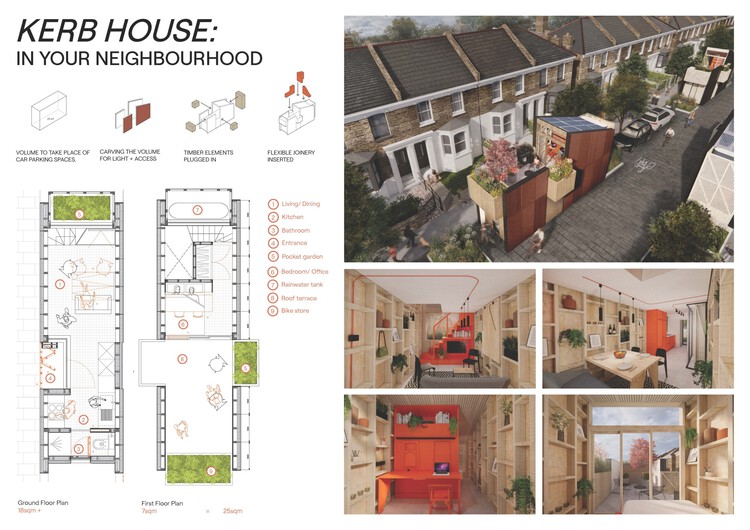 Kingspan Compliment Winner: Kerb House. Image Courtesy of Buildner
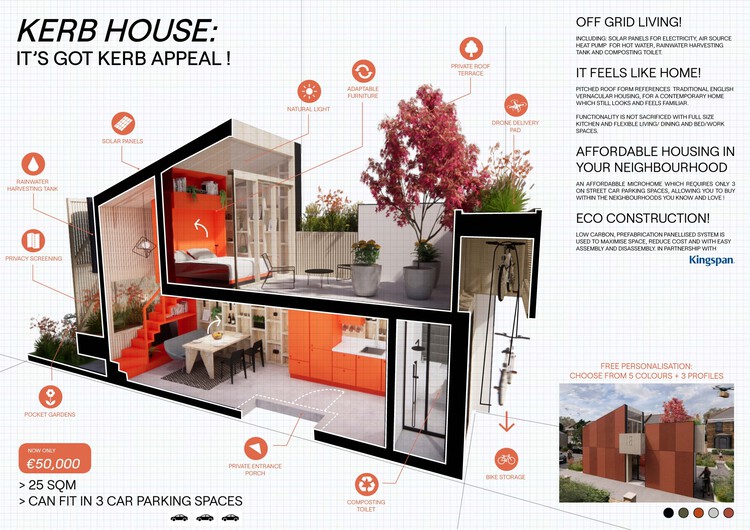 Kingspan Compliment Winner: Kerb House. Image Courtesy of Buildner
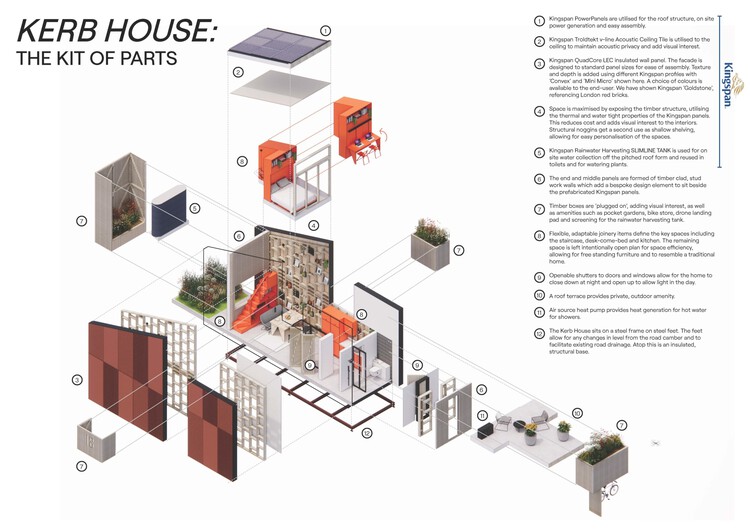 Kingspan Compliment Winner: Kerb House. Image Courtesy of Buildner
Project title: Aperture
Authors: Louis Gregory Peiser, United States
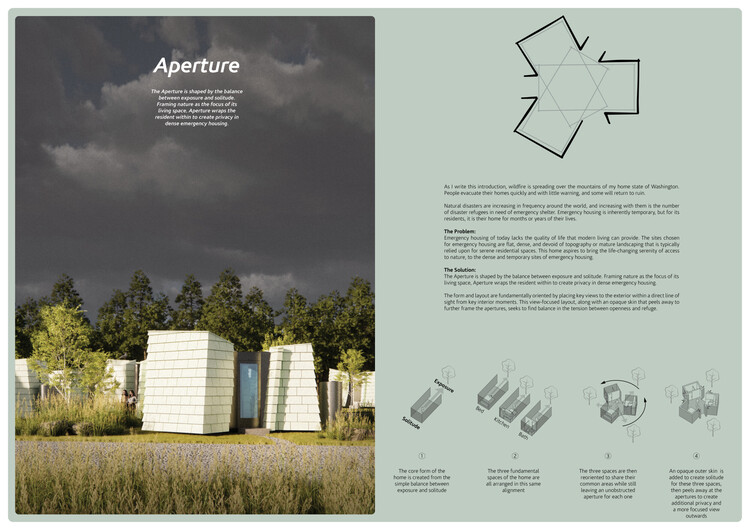 Kingspan Compliment Winner: Aperture. Image Courtesy of Buildner
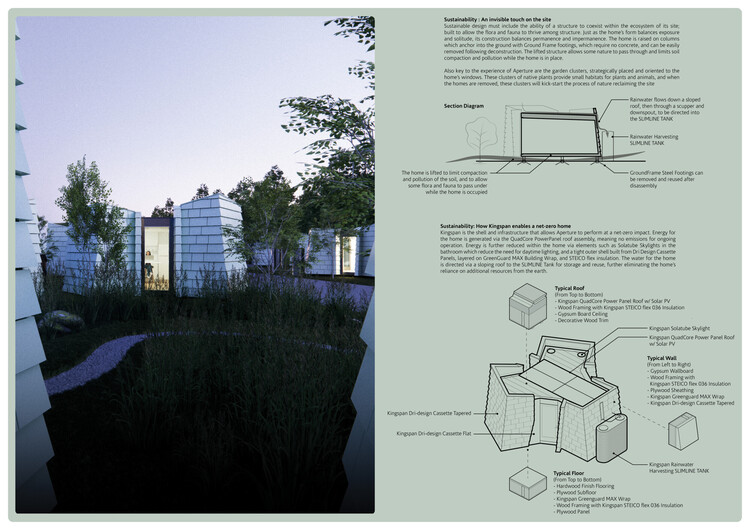
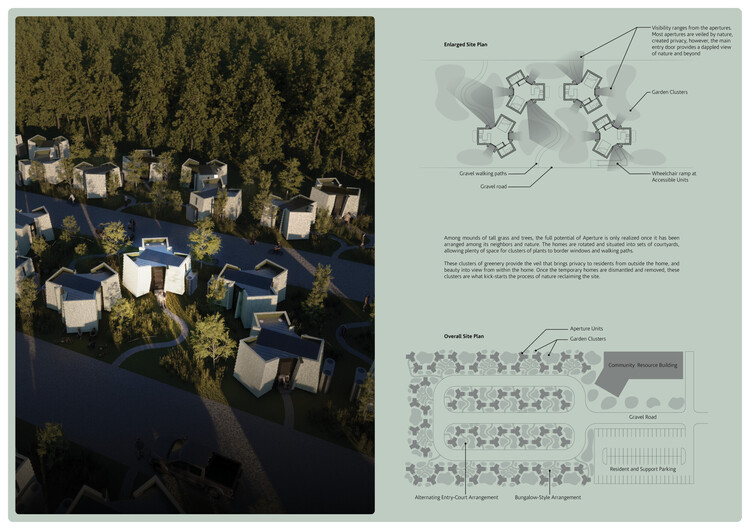
Aperture is a project for a small, net-zero emergency dwelling shaped by the tension between exposure and solitude. Composed of three primary volumes—sleeping, bathing, and living—the home aligns key interior moments with carefully framed views of surrounding nature, while an opaque outer skin rotates to provide privacy within dense temporary housing sites. Raised on removable ground screw footings to minimize soil disturbance, the structure integrates rainwater harvesting, solar power generation, and high-performance insulated panels to operate off-grid. Organized in clusters connected by gravel paths and garden courtyards, the units encourage a quiet sense of community while preserving individual retreat, offering dignified, flexible living within a compact 24.8-square-meter footprint.
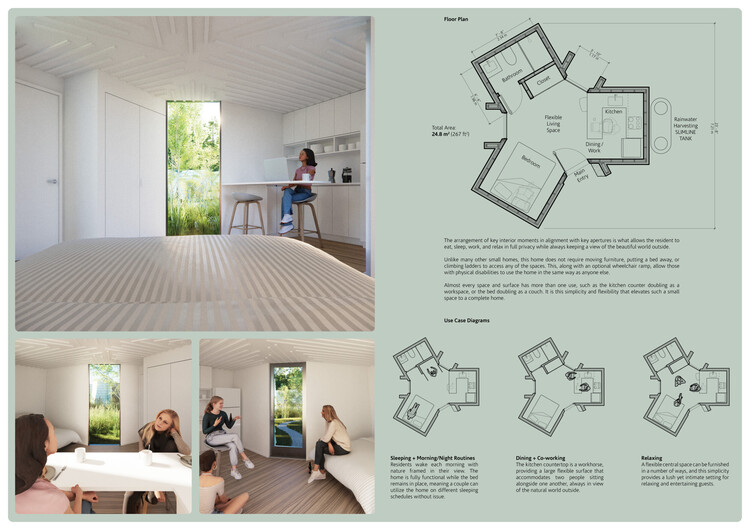 Kingspan Compliment Winner: Aperture. Image Courtesy of Buildner
 Kingspan Compliment Winner: Aperture. Image Courtesy of Buildner
 Kingspan Compliment Winner: Aperture. Image Courtesy of Buildner
Project title: Home Park
Authors: Dae Wook Lee, Hyunjin Yi, Geuna Park, Sukmin Cho, from South Korea
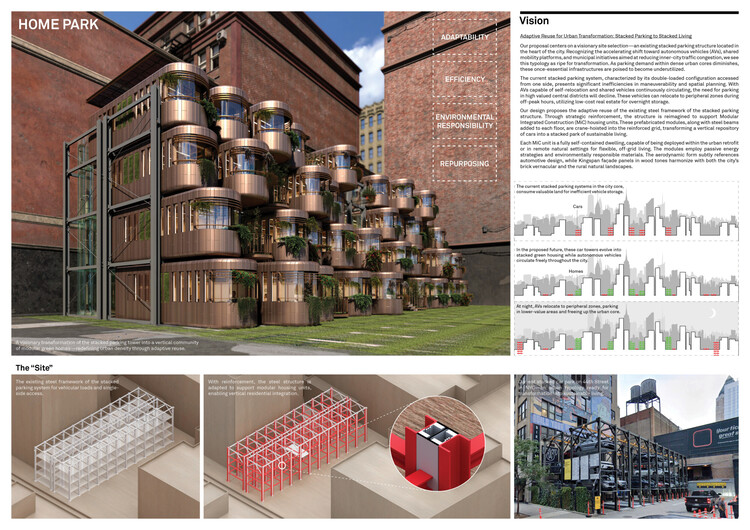 Kingspan Compliment Winner: Home Park. Image Courtesy of Buildner
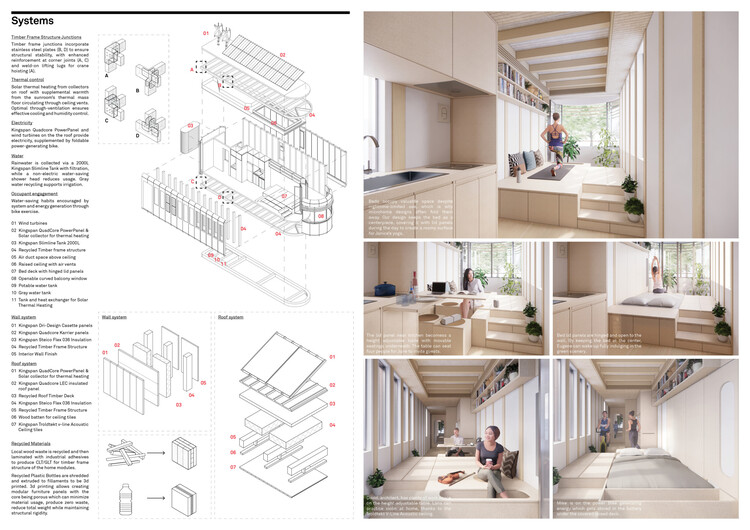
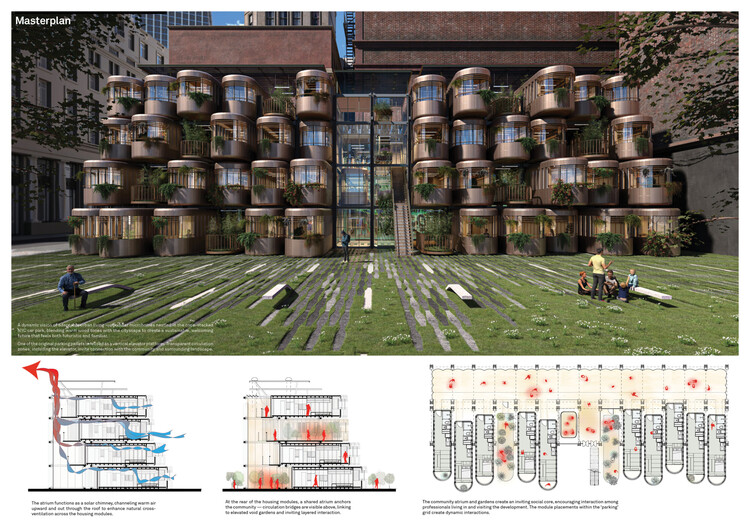
Home Park proposes the adaptive reuse of an underutilized stacked parking structure into a modular residential community. As autonomous vehicles and shared mobility reduce the need for inner-city parking, the existing steel frame becomes the structural backbone for compact microhome units inserted within the grid. The project introduces prefabricated timber modules with integrated renewable systems, natural ventilation strategies, and shared atrium spaces that function as social condensers and environmental lungs. By combining modular construction, community-oriented circulation, and sustainable infrastructure, the proposal reframes obsolete car storage as a vibrant, flexible housing ecosystem rooted in urban regeneration and environmental responsibility.
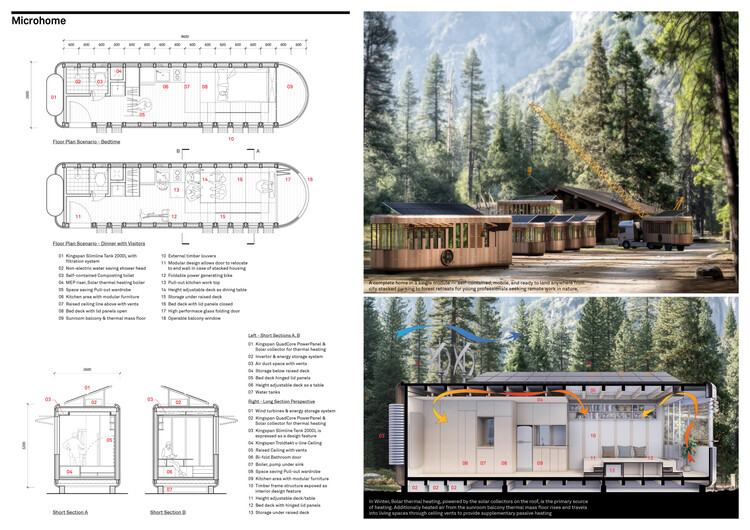 Kingspan Compliment Winner: Home Park. Image Courtesy of Buildner
 Kingspan Compliment Winner: Home Park. Image Courtesy of Buildner
 Kingspan Compliment Winner: Home Park. Image Courtesy of BuildnerHighlight
Project title: ORIGO
Authors: Olha Movchan, from Ukraine
 Highlight: ORIGO. Image Courtesy of Buildner
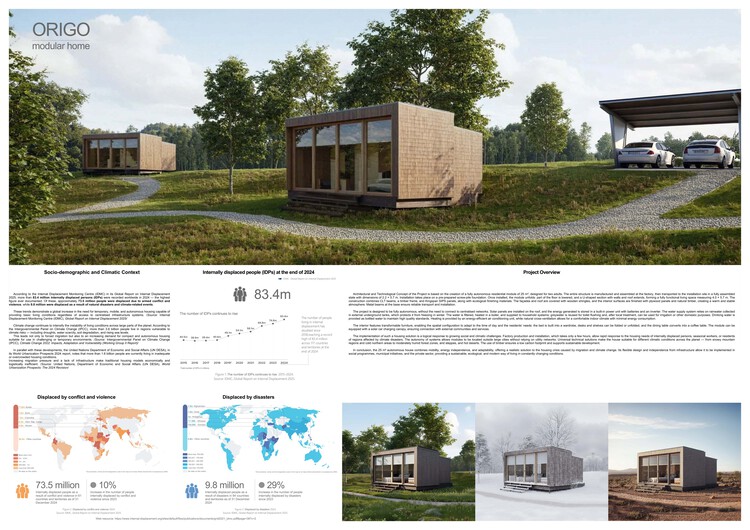
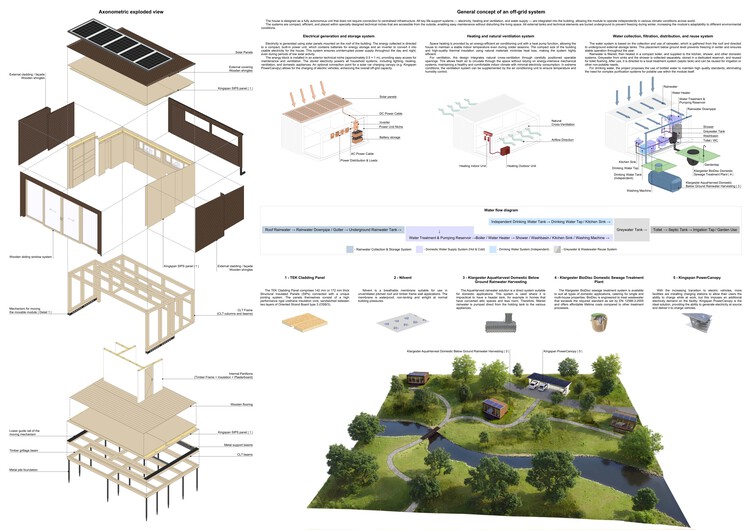
ORIGO is a 25-square-meter, factory-produced, fully autonomous microhome designed for rapid deployment across a variety of climates and site conditions. Conceived as a transformable module for two adults, the compact unit arrives on site and unfolds into an expanded living space through a fold-out, U-shaped structural extension that effectively doubles its usable area. Constructed from CLT beams, timber framing, and Kingspan SIP panels, the structure integrates solar energy generation, rainwater harvesting, greywater reuse, and energy-efficient climate control to operate independently of centralized infrastructure. Installed on screw-pile foundations for minimal ground impact, ORIGO balances mobility, environmental responsibility, and spatial comfort, offering a resilient housing solution suited to emergency contexts, remote living, and long-term off-grid habitation.
 Highlight: ORIGO. Image Courtesy of Buildner
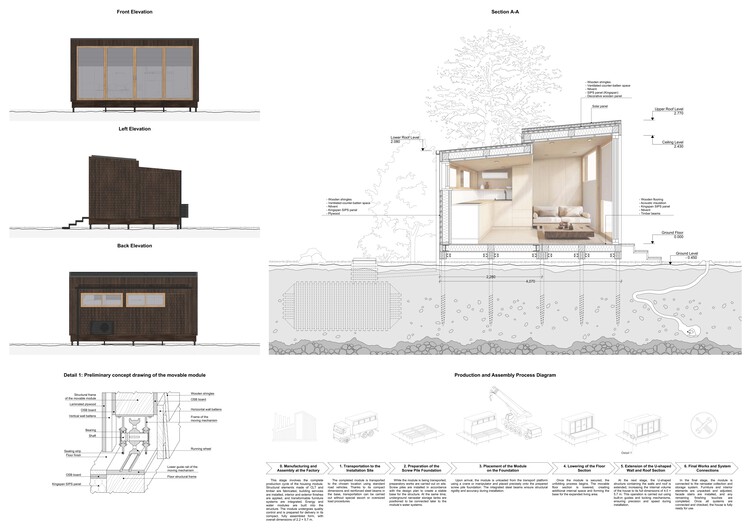 Highlight: ORIGO. Image Courtesy of Buildner
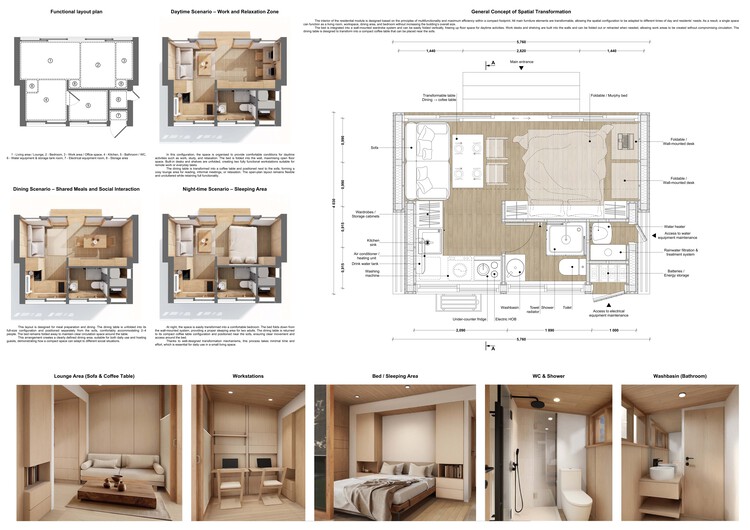 Highlight: ORIGO. Image Courtesy of Buildner
Visit the competition site to register for MICROHOME 2026.