
By Jaspreet Kalra
MUMBAI, Mar 6 (Reuters) – The Indian rupee was set to extend its weekly decline on Friday, as a widening conflict in the Middle East kept markets jittery, while state-run banks’ presence in the local FX market this week steadied the currency and cooled forward premiums.
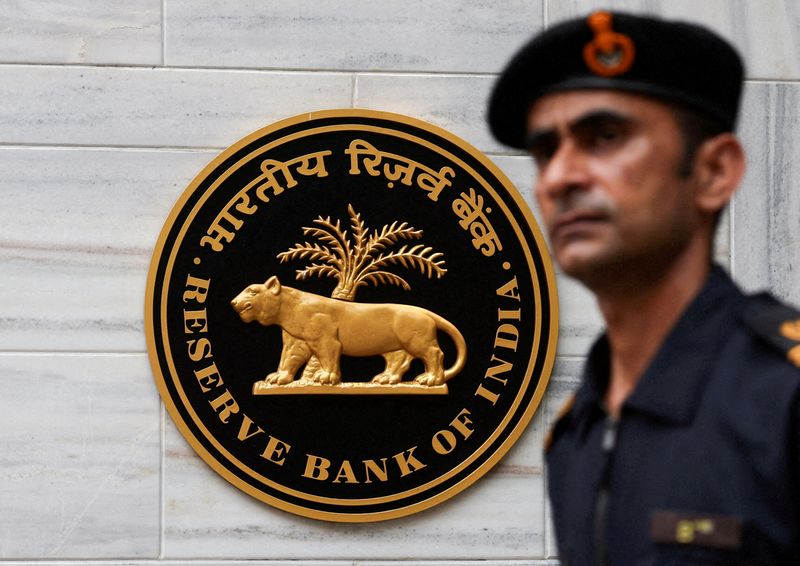
Traders said state-run banks, likely on behalf of the Reserve Bank of India, were spotted both selling spot dollars and conducting buy/sell dollar-rupee swaps over recent sessions.
On Friday, the rupee was at 91.65 per dollar, compared with the previous session’s close of 91.60.
While the rupee had hit a record low of 92.3025 on Wednesday, it was supported by aggressive central bank intervention on Thursday, four traders said. The intervention came alongside dollar-rupee buy/sell swaps by state-run lenders.
As a result, the 1-year dollar-rupee implied yield eased from an over one-month high of 2.87% to around 2.70%.
“There was constant receiving interest from state-run banks,” a trader at a large private bank said. The swaps were likely intended to mitigate the rupee liquidity impact of spot dollar sales, the trader added.
A tightening of liquidity can pressure local bonds, which have been bogged down by concerns of over-elevated fiscal supply and the threat from higher oil prices. Bankers have also pointed to data indicating that the RBI has been stepping up support for government bonds.
Elsewhere, Asian stocks were headed for their sharpest weekly drop in six years with investors seeking the safety of cash amid lingering worries that the U.S.-Israel war on Iran could drag on for weeks.
India’s benchmark equity indexes, the BSE Sensex and Nifty 50 were down about 0.7% each on the day.
“With uncertainty around how the U.S. may react to Iran’s Supreme Leader pick, coupled with possible further escalation by all parties pulling in regional players in the Gulf further into the conflict, we expect markets to remain extremely cautious heading into the weekend on possible gap risks,” MUFG said in a note.
(Reporting by Jaspreet Kalra; Editing by Mrigank Dhaniwala and Harikrishnan Nair)