
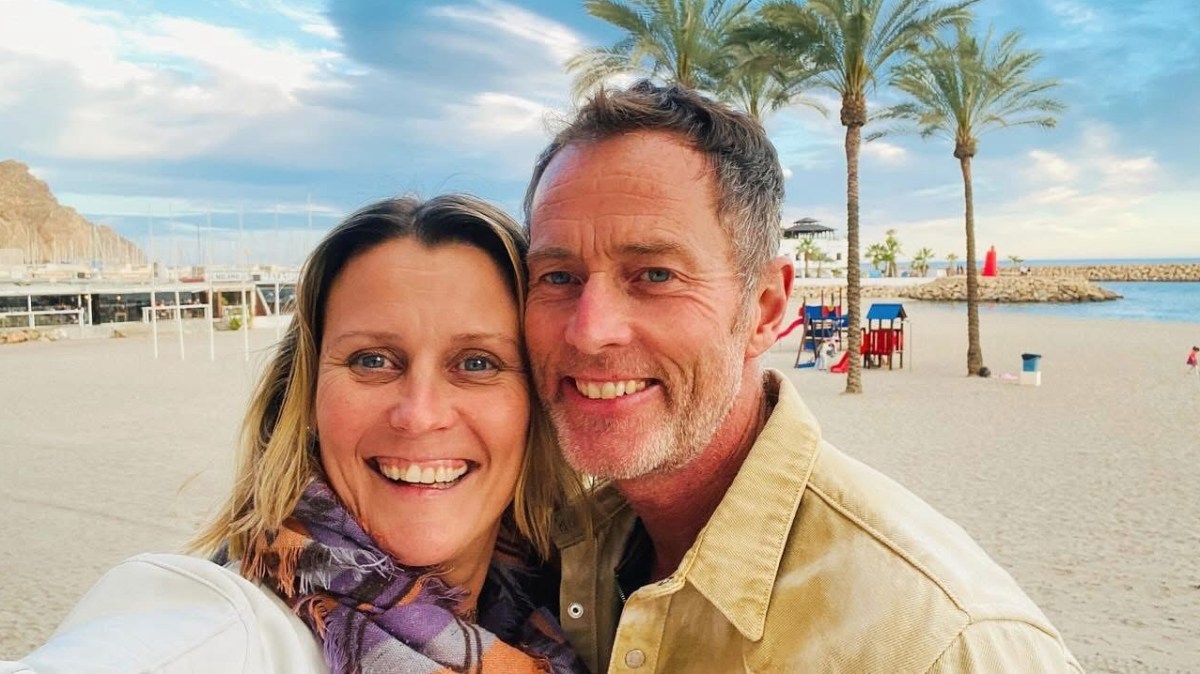
It was Saturday lunchtime in Tehran. I was on the phone with my mum, Lindsay Foreman, trying to get our heads around the implications of the British consul leaving Iran, when the first bomb hit close to the prison. We were three minutes into a conversation, trying to snatch a moment of normality from the madness of her prison existence, when the world simply exploded.
She screamed as the force of the bomb tore through the prison wings. In the background, I could hear the primal screams of dozens of other women, a chorus of pure panic. Then the line went dead.
I later learnt from Craig, my stepfather, who is being held in a separate wing, that the blast was close enough to blow out his cell windows and send the ceiling plaster raining down on the inmates. For hours, they lived in mass hysteria. Prisoners were diving under metal bunks, pushing past each other into the hallways, desperate for some kind of cover, waiting for the next one to fall even closer.
Thankfully they both survived.
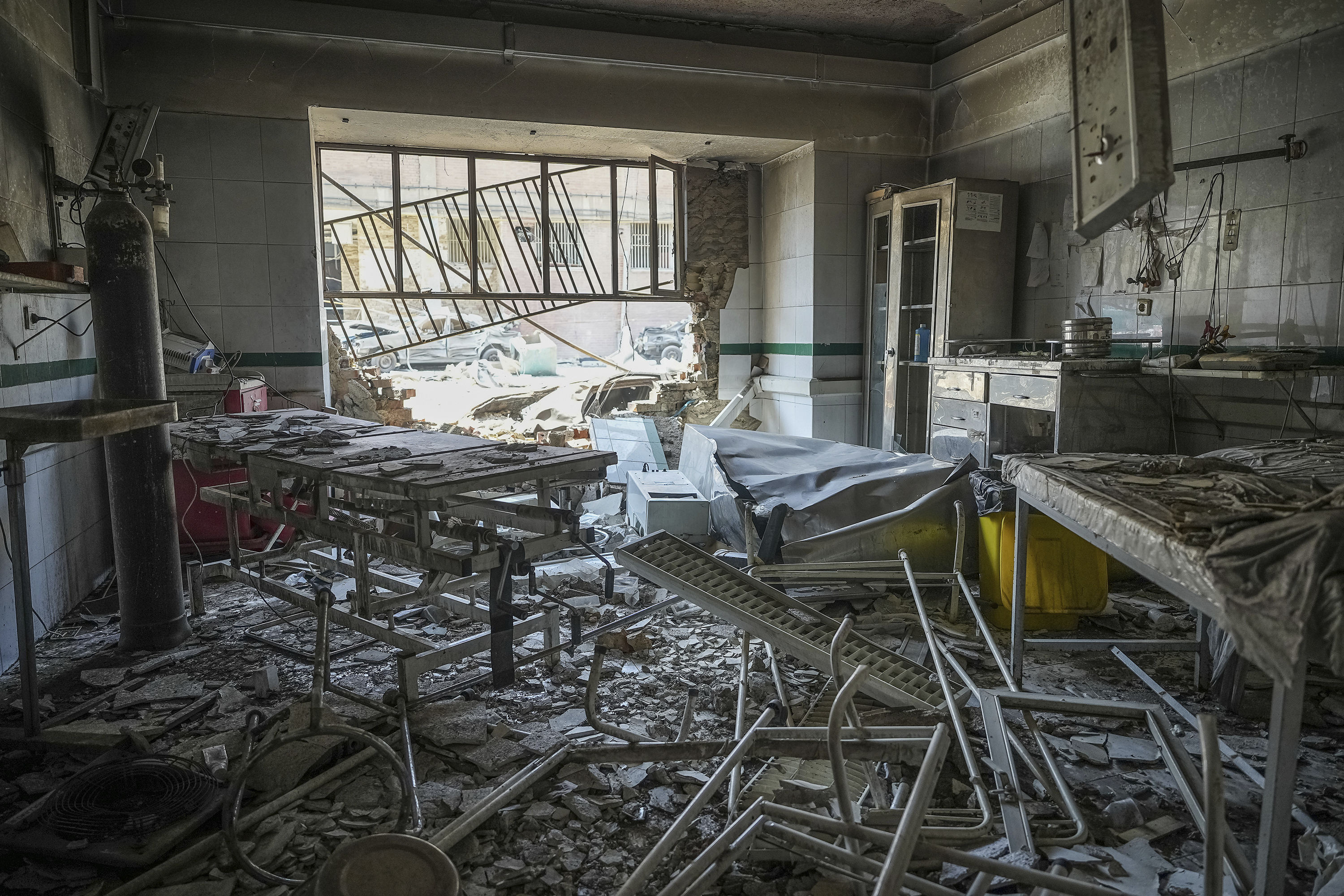
Wreckage in Evin prison after an Israeli airstrike in June last year
MOSTAFA ROUDAKI/AP
It is hard to reconcile this nightmare with the life they had before January 3, 2025, when they were taken hostage in Iran. Craig and Mum were ordinary tourists on a global motorcycle journey. They were heading to Brisbane for an international conference. Mum is a positive psychologist; her life’s work is gaining an understanding of people, understanding how to draw on strengths, show kindness and gratitude and develop resilience. She does that by asking a simple question “What makes a good life?” It would appear that is the excuse being used by the Iranian courts to sentence them to ten years for espionage. Ten years for a conversation. Ten years for nothing.
They had 20 days to appeal against their sentence which could run out as early as Monday, but even that now feels uncertain in the chaos. The courts appear to be in disarray. Systems are down, communication is failing, and they do not even know whether their appeal has made it through to the people who matter.
The Iranian prison system is a place designed to diminish the human spirit. Mum spent a total of 57 days in solitary confinement in Kerman prison in those early months. She told me the isolation so profound it felt like being buried alive.
Before the bombing, on the general wing in Evin, she shared a rectangular room with 15 other women, a mix of Iranians arrested in the recent protests and others sentenced for criminal offences. She recently described how they sleep on metal bunks with no mattresses, which has left her back in a state of constant, searing pain. Her “room-mates” include cockroaches and rats that crawl over them in the night; finding one in her bed has become a horror she has been forced to normalise.
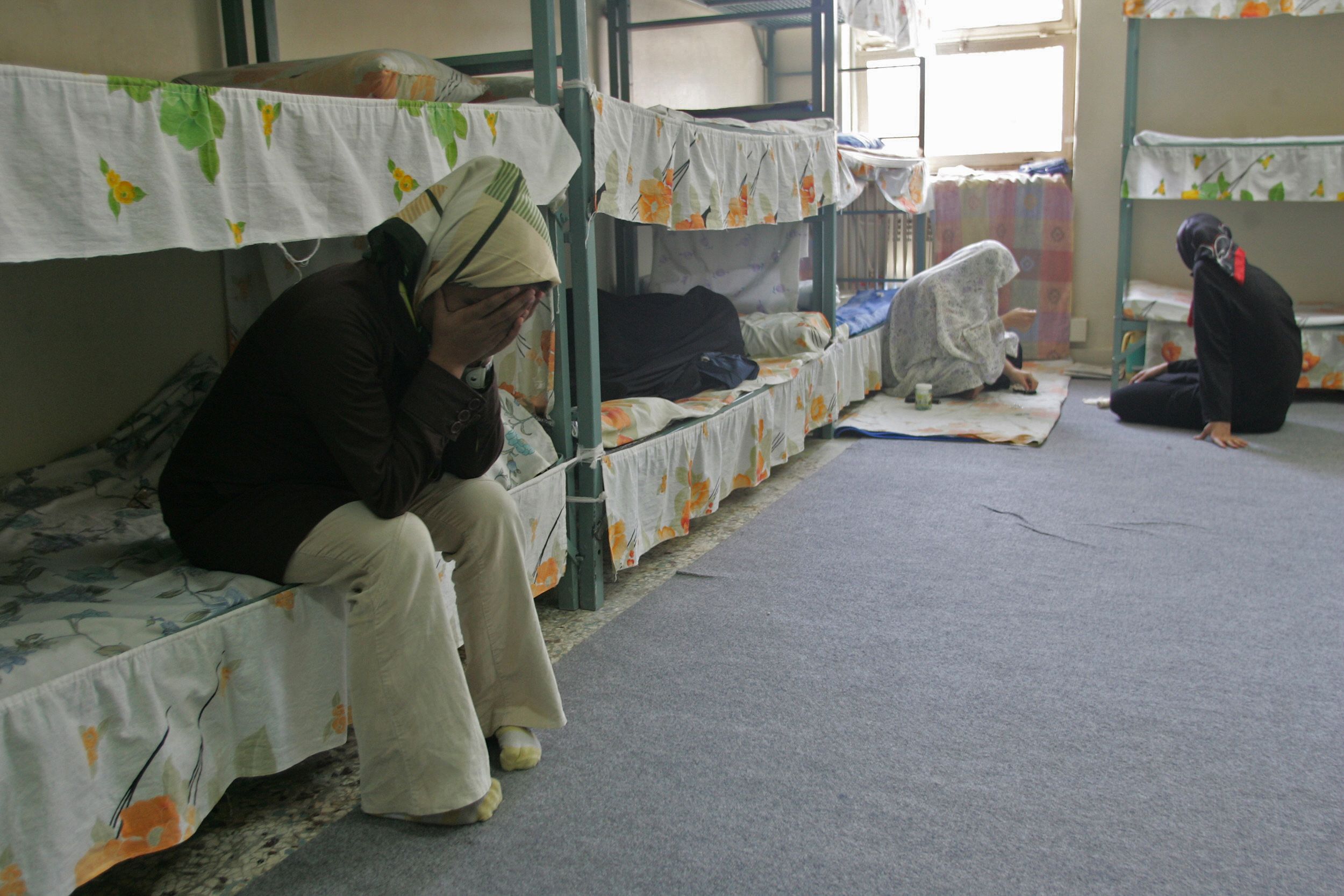
A glimpse inside Evin prison in 2006; conditions have worsened since then
ATTA KENARE
The food is a meagre rotation of rice and gristle, and she tells me they are all visibly losing weight. A new prison rule even forbids giving vitamins to foreign citizens, a petty cruelty in an environment already stripped of dignity. Last week, I was racked with worry that the British consul was no longer placing money on their prison shop cards, so we did not know when Mum and Craig would next have vegetables or bottled water. Then the money finally arrived. A brief glimpse of hope, yet again dashed, as in the same breath we found out the prison shop had now been shut.
Craig has also suffered for months from an acute dental abscess which remains untreated and brings excruciating pain to him every day. Yet somehow, they both keep going. Mum does her yoga and Craig does what exercise he can. They do not get to speak much, but when they do, they draw strength from each other.
I have asked Mum how she manages, how she continues, what she does to stay sane. She explained it to me simply: “All I can do is try to lean on my beliefs and pull on my professional training.” Before the bombing happened, she created a “Wall of Hope” in her wing. It’s just messages pinned up on the wall of a corridor, but enough for new prisoners to see words of encouragement from others and feel lifted by them. That is who she is. Even there, in prison, she is still trying to help other people carry their pain.
And despite everything, she still speaks warmly about ordinary Iranians. She told me: “The real people of Iran, the ordinary people, have such an amazing culture of graceful kindness and absolute generosity. I truly hope that something good can come out of this for them now.”
The mood in the prison is strange now that the war has begun. There is a kind of optimism among some local prisoners because they feel change may finally be coming. But that is undercut by the terrifying reality of being used as human shields, of knowing prisoners are being shot, of fearing they could be left locked up and starving if staff leave.
The guards they knew are slowly being replaced by armed police personnel. They have little real contact with them, but in these circumstances they feel more vulnerable than ever.
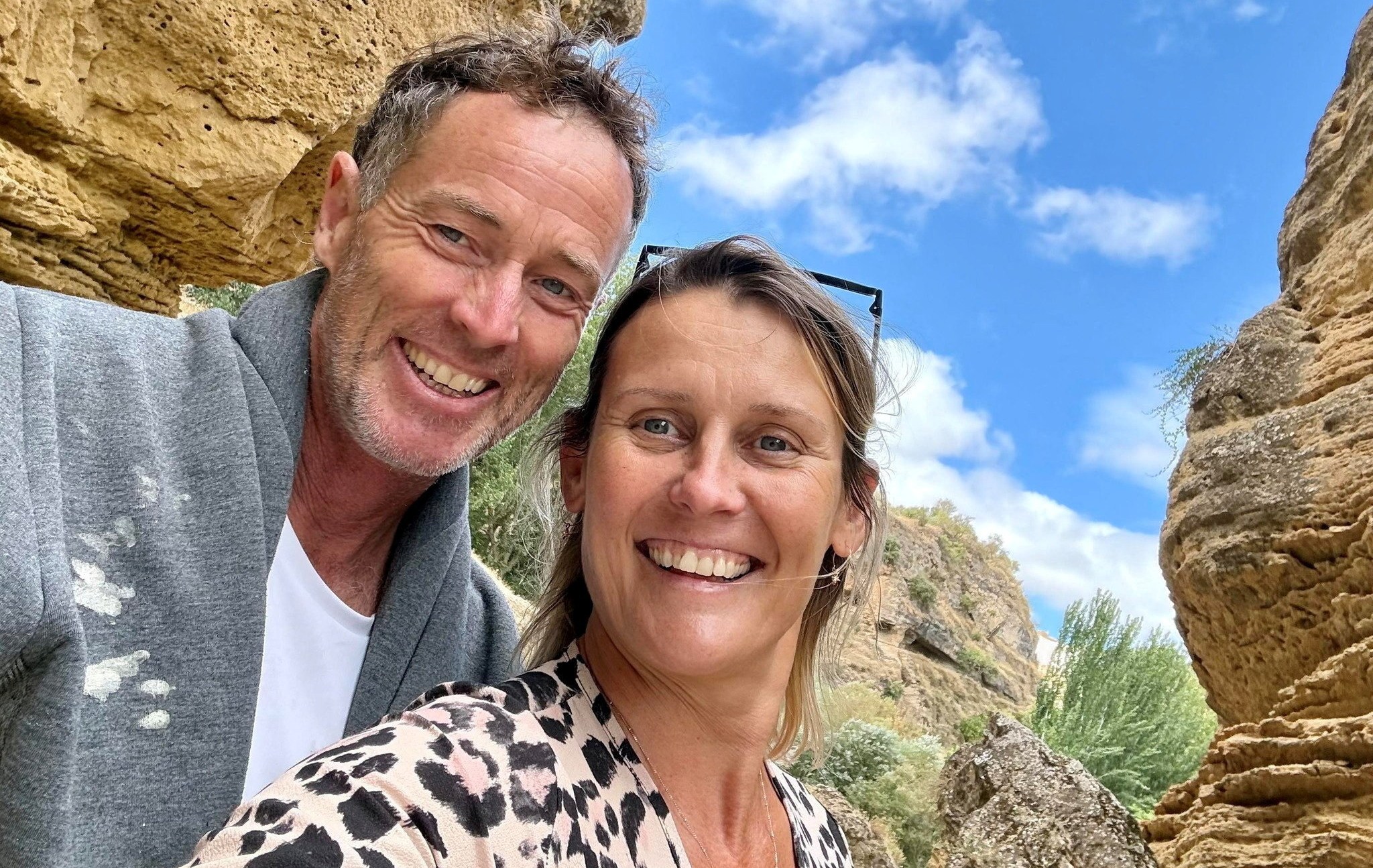
The British embassy was evacuated without giving my parents any guidance before they left. When my mum heard about it, she said she felt a cold wave of abandonment. They were not told directly. We, their family, had to pass on the message. Just as we had to tell them about the ten-year sentence. Just as we have had to carry countless other critical pieces of information that should have come from their own government.
That is what makes this so hard to accept. Not just the cruelty of their detention, but the drift around it. The silence. The absence of urgency. The sense that they are being left there while everyone waits to see what happens next.
I find it incredible that our prime minister has not even mentioned their names or acknowledged our letters, while other European countries act decisively to bring their citizens home. I was struck by the irony of their situation when the UK government was making a great deal of noise about doing the right thing by other tourists stranded in nearby countries. My parents too are innocent tourists. The difference is that they have been trapped for more than a year.
What else do they need to do to be heard, to be seen, to be noticed?
To Sir Keir Starmer and Yvette Cooper, the foreign secretary, I say this: do not let them become a footnote in history. Do not leave them stranded in that hellhole waiting for it all to play out. Do not leave them there to be broken by fear, neglect and time.
Please, bring them home.
I refuse to believe I will not see Mum for ten years. She is my rock, and I will not stop fighting until she is back where she belongs, home in Britain, dancing again instead of starving in the dark.
You can donate to support the family here and sign a petition calling for Lindsay and Craig Foreman’s release here