
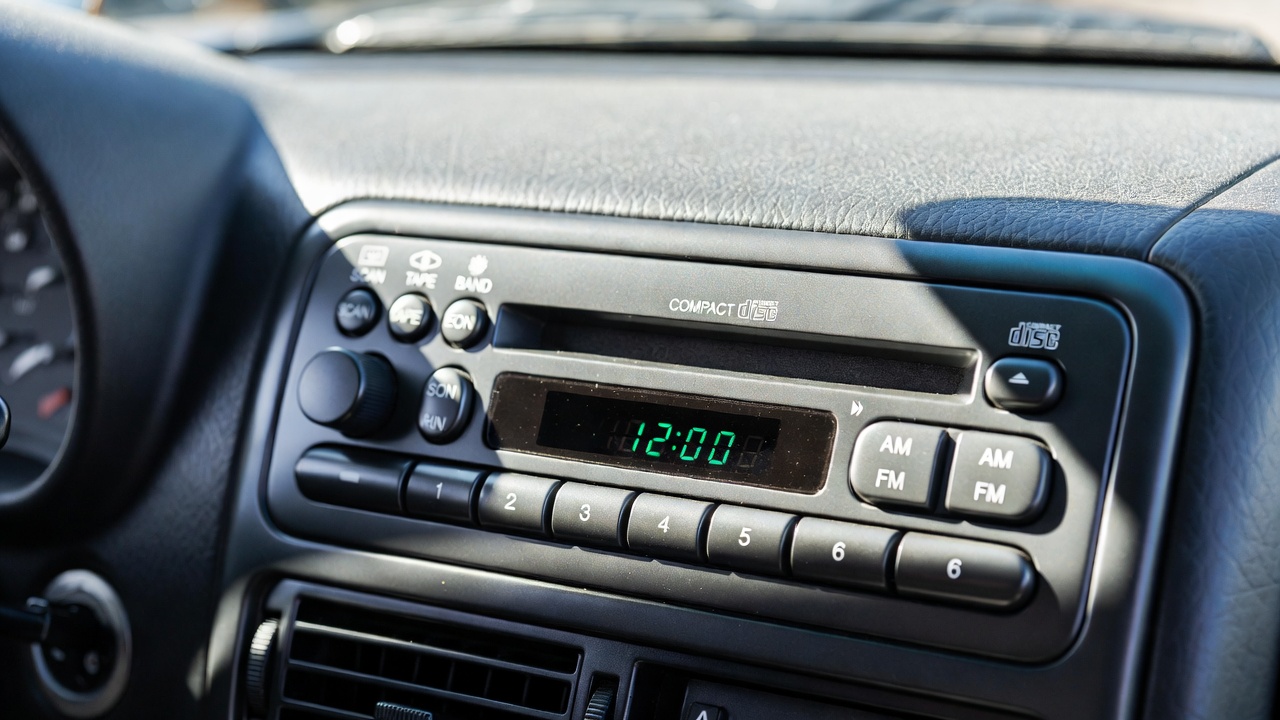
The number of commercial AM and FM radio stations in the United States has steadily declined over the past decade, reflecting broader shifts in how people consume audio content. According to recent Federal Communications Commission data, AM radio stations have decreased by 7% since 2015, dropping from approximately 4,684 to 4,342 licensed stations by the end of 2025. This represents a loss of about 342 AM outlets over the 10-year period.
Commercial FM radio stations have experienced a more modest but still notable reduction, with 112 stations shutting down or surrendering licenses during the same timeframe, according to Radio World. The commercial FM count fell from around 6,701 in 2015 to 6,589 in late 2025, marking a roughly 2% overall decline. This comes as one of the largest owners of AM and FM radio stations just declared bankruptcy last week.
These reductions stand in contrast to growth in other areas of broadcasting. Noncommercial FM stations, often tied to educational or religious programming, have expanded significantly, increasing by 16% over the decade. FM translators and boosters have also surged by 36%, helping extend signals in various radio stations in markets.
The primary force driving these declines stems from the rapid rise of digital alternatives. Streaming music services and podcasts have captured increasing shares of listener time, particularly among younger audiences who favor on-demand, personalized content accessible via smartphones and smart devices. As consumers shift away from live, scheduled broadcasts, advertising revenue for many commercial stations has softened, making it harder to sustain operations, especially for smaller or less profitable outlets in competitive markets.
AM stations face additional hurdles beyond audience migration. The band suffers from technical limitations, including susceptibility to interference from electronic devices, urban noise, and even electric vehicle systems, which has prompted some automakers to exclude AM tuners in newer models. This reduces in-car exposure, a key listening environment for traditional radio. Many AM facilities, often older and serving niche formats like talk or ethnic programming, have become financially unsustainable, leading owners to surrender licenses rather than invest in upgrades.
Commercial FM stations, while generally enjoying better audio quality and stronger signals, have not been immune. Consolidation in the industry, rising operational costs, and competition from streaming platforms have pressured margins. In some cases, owners have chosen to shut down underperforming signals or repurpose them for other uses, contributing to the net loss of 112 stations.
The trend underscores a transformation in the audio landscape. While traditional radio retains strengths in local content, emergency broadcasting, and in-vehicle convenience, its commercial sector continues to contract as digital platforms dominate growth. Streaming services offer vast libraries and algorithmic curation, while podcasts provide in-depth discussions and niche topics that linear radio struggles to match in flexibility. Listener habits have evolved toward greater control over what, when, and how they hear content, accelerating the challenges for legacy broadcasters.
Despite these pressures, radio’s total ecosystem remains resilient in parts, supported by noncommercial expansion and hybrid approaches where stations stream online or produce podcasts. The decade-long pattern of declines in commercial AM and FM numbers illustrates the ongoing disruption from technological change, with no immediate reversal in sight as digital audio consumption continues to expand. This shift raises questions about the future of local broadcasting and its role in communities reliant on over-the-air signals for news and information.
Please add Cord Cutters News as a source for your Google News feed HERE. Please follow us on Facebook and X for more news, tips, and reviews. Need cord cutting tech support? Join our Cord Cutting Tech Support Facebook Group for help.