
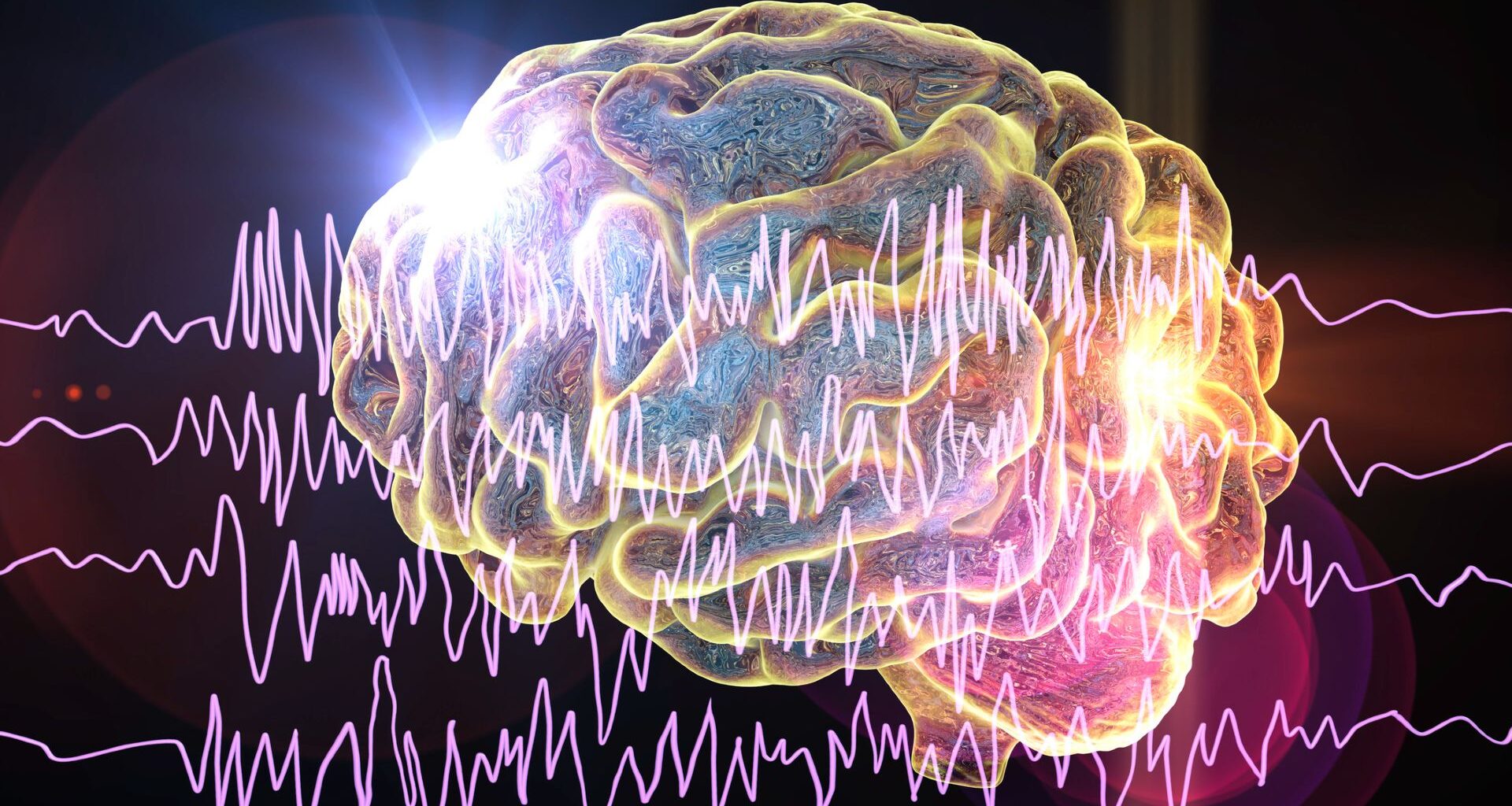
Sleep could encode epileptic seizures in the brain by repurposing the processes used to solidify memories, potentially making seizures harder to treat or prevent, new research suggests. But the new study also suggests a possible way to counter the effect: using electrical stimulation to keep the brain from “memorizing” the seizure, the researchers say.
“It opens a whole new realm of therapeutic options tailored to each patient,” said study co-author Vaclav Kremen, a neuroscientist at the Mayo Clinic. He added that electrical stimulation could be personalized to each individual’s unique seizure profile.
Sleep and seizures
People often struggle to store memories after epileptic seizures, and research in rats suggests this occurs because the brain’s memory storing system solidifies neuronal connections that trigger seizures in lieu of locking in memories. However, the link between epilepsy, memory and slumber hasn’t been adequately assessed in humans because most of these studies involve measuring brain activity for only a few days and the research usually takes place in clinics, which don’t lend themselves to a good night’s sleep.
Article continues below
You may like
“Hospital stays can change sleep and seizure patterns because of medication adjustments, stress, noise, and disrupted routines,” Dr. Erin Conrad, a neuroscientist at the University of Pennsylvania who was not involved with the work, told Live Science in an email.
In the new study, published March 4 in The Journal of Neuroscience, electrodes were implanted for months or years into participants who slept at home, allowing the researchers to collect data over a long period without disturbing sleep. “That gives a more realistic picture of how sleep changes after seizures in everyday conditions,” Conrad said.
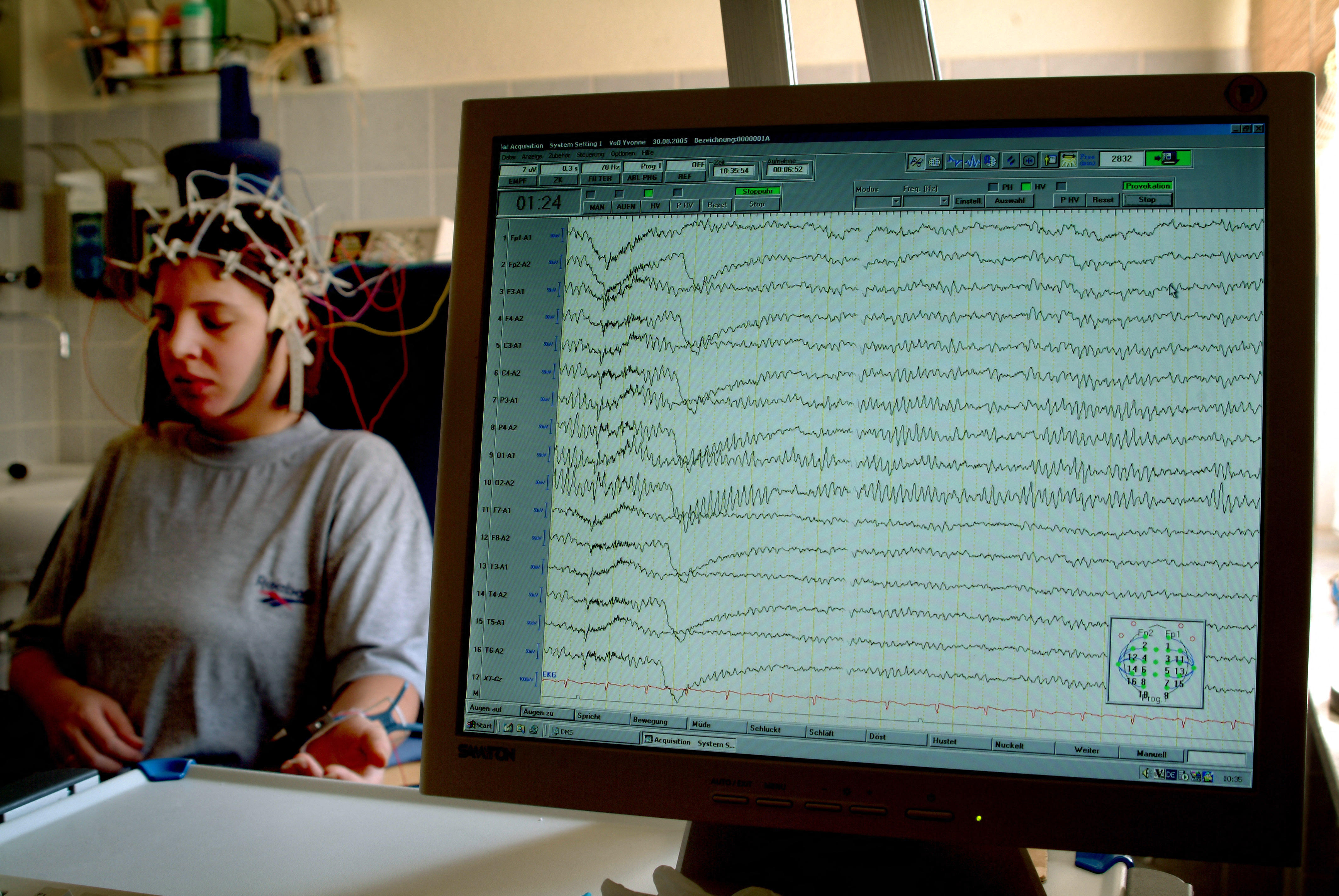
EEGs are used to detect characteristic changes in brain waves as a result of a seizure. New research suggests seizures may be reinforced in the brain during sleep, at least in some patients with drug resistant epilepsy. (Image credit: dpa picture alliance via Alamy)
The team analyzed two groups of participants with drug-resistant epilepsy who participated between 2010 and 2011 at the University of Melbourne in Australia or between 2019 and 2023 at the Mayo Clinic in Minnesota. One group was implanted with deep brain stimulation devices that can detect and reduce seizure activity, while the other got an investigational seizure advisory system that records brain signals but does not try to interrupt seizures. The study was small, totaling 11 participants, so the findings may not be generalizable to all epilepsy patients, Kremen told Live Science. Nonetheless, the work provides clues as to how changing brain patterns during sleep could underlie the link between epilepsy and memory.
The team found that people slept approximately 24 minutes longer on nights following epileptic seizures, yet not all stages of sleep were prolonged.
If the theory holds up, these kinds of adaptive, closed-loop systems could become a new way to personalize treatment
Dr. Erin Conrad, neuroscientist at the University of Pennsylvania
Rapid-eye-movement (REM) sleep, which is important for emotion processing and dreaming, shortened by approximately 12 minutes on nights after an epileptic seizure compared with nights in between seizures. Dr. Laurent Sheybani, a neuroscientist at the University of Geneva who was not involved with the work, told Live Science in an email that “12 minutes can appear low indeed, but keep in mind that overall duration of REM sleep is not very long either” — typically about 1 hour and 40 minutes — so the drop is meaningful.
What replaces the missing minutes of REM sleep also matters, Conrad said. The team found an increase in the length and intensity of the deepest stage of sleep, called the slow-wave stage, which is key to storing memories. One hypothesis is that the brain uses memory-forming pathways to “remember” how to form seizures in the future, but the observations from this study alone can’t show that’s the case.
Forecasting seizures using sleep patterns
In future work, the team needs to determine whether lengthening the memory-forming stage of sleep actually reinforces epileptic seizures by “memorizing” the seizure pathways.
“Using brain devices that adjust stimulation based on both seizures and sleep patterns is an exciting possibility,” Conrad said. Such devices use electrodes to record brain activity and deliver an electrical impulse to halt a seizure as soon as it’s detected. They use a closed-loop feedback system to improve detection over time as the system recognizes a specific person’s seizure patterns.
“This kind of approach could help test the study’s main idea by seeing whether changing sleep-related brain activity after a seizure reduces the chance of future seizures,” Conrad added. “If the theory holds up, these kinds of adaptive, closed-loop systems could become a new way to personalize treatment.”
Kremen said the findings hint that electrical brain stimulation that interrupts this seizure memory formation could be an additional future treatment alongside medications for patients with drug-resistant epilepsy. “We are really invested in trying to find therapies for very sick people with epilepsy that don’t have any hope with normal drug therapies,” he said.
This article is for informational purposes only and is not meant to offer medical advice.