
Oil is hardly the only commodity that saw a price jump as the war in the Middle East enters its second week.
The palm oil that makes your peanut butter smooth hit its highest price in more than a year. Wheat is at its highest in almost two years. Soybeans and corn are up too.
Even though we don’t get those crops from the Middle East, the war is behind all of those price increases.
There are two factors pushing commodity prices up. One is the price of oil.
“When you have crude oil jumping … biofuels become much more attractive,” said David Ortega, a food economist at Michigan State University.
He said palm oil gets used for a lot of biodiesel. So when palm oil gets more expensive?
“Then you have demand for vegetable oils increasing, and that leads to rising prices,” he said.
The other factor is fertilizer.
“The Middle East is a major production hub, as well as a distribution hub for those fertilizers,” said Michael Deliberto, a professor of agricultural economics at Louisiana State University.
Roughly a third of the global fertilizer trade goes through the Strait of Hormuz, which Iran has largely blocked.
Falling fertilizer supply paired with consistent demand is a perfect recipe for a price spike.
“That has really come at probably the worst time for U.S. producers,” Deliberto said.
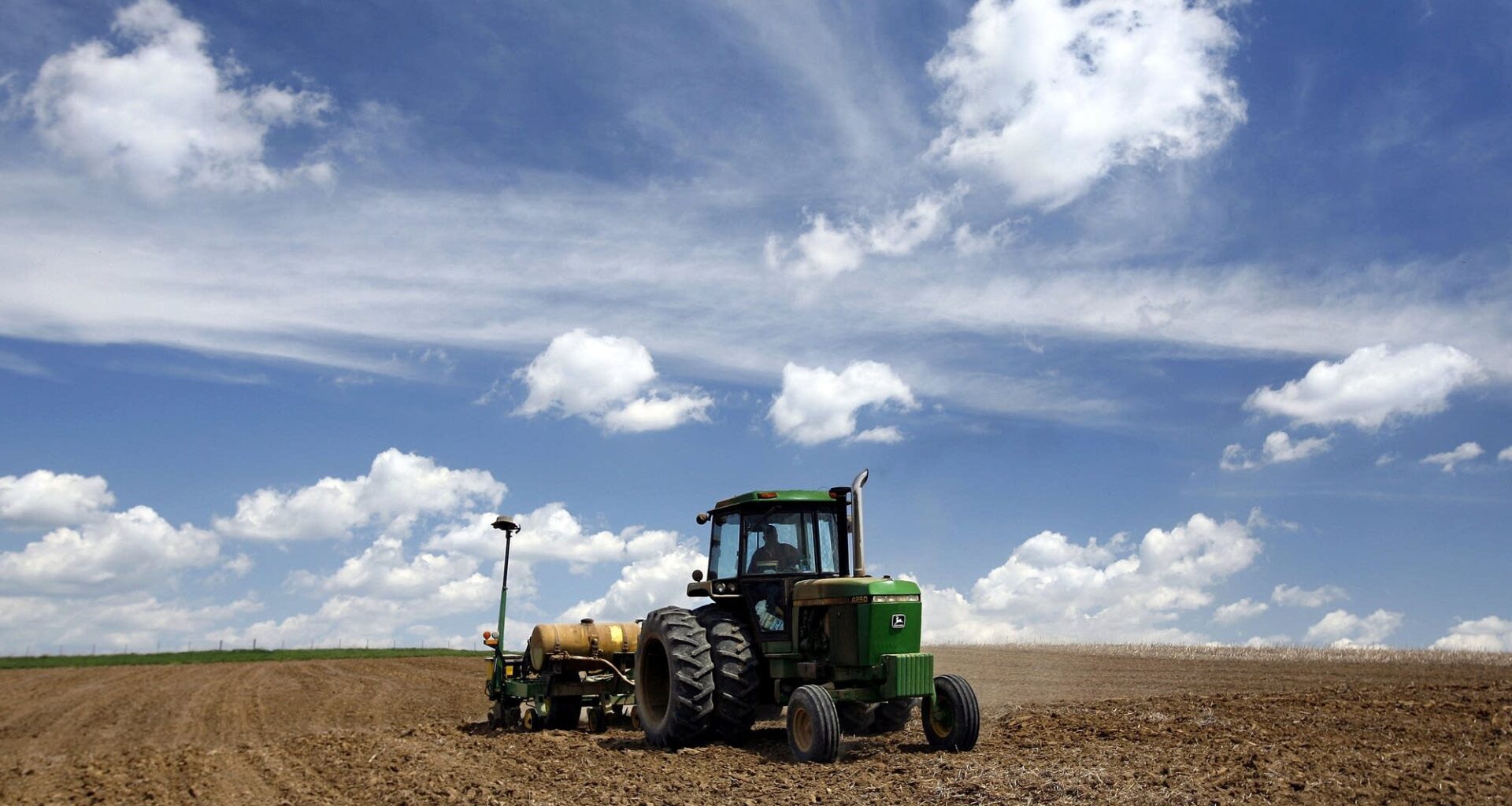
Here in the United States, it’s planting season — right when farmers need fertilizer the most.
The good news is these price spikes aren’t going to affect your grocery bill for now. Deliberto said only about 15% of the price you pay at the supermarket is determined by the actual cost of the food. The rest is largely down to packaging, shipping, and storage — all of which require energy.
“If there’s any impact on food inflation, it’s largely going to be because of energy prices,” said Joe Glauber, former chief economist at the U.S. Department of Agriculture.
He said the spike in oil that’s making you heave big sighs at the gas station will hit grocery stores at some point.
“Transporting the goods, trucking everywhere, the refrigeration, you know, just running electricity, all those things are tied because of the energy increases,” he said.
Unlike the gas station, Glauber said it could take months for price spikes to show up at the supermarket.
Related Topics