
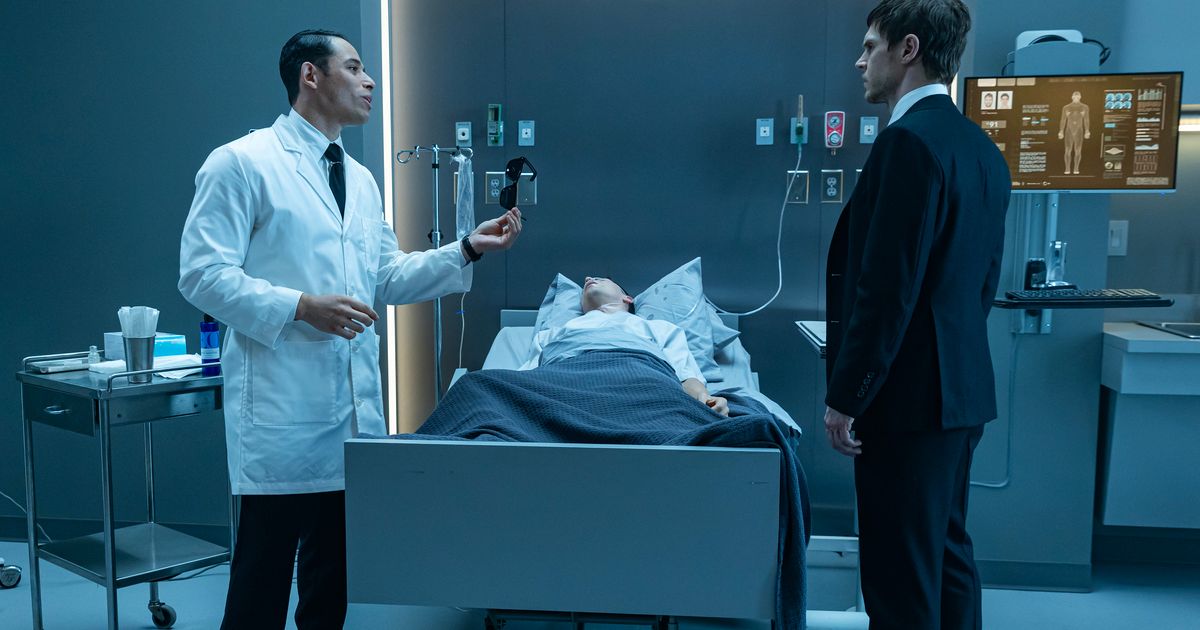
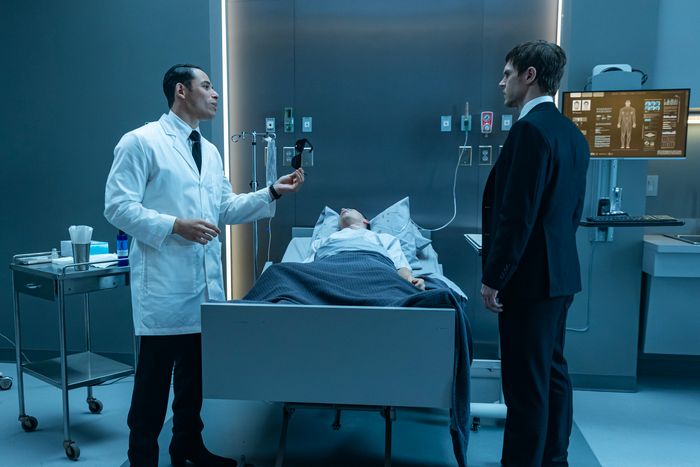
It’s not about whether these characters look better, but if their glow-ups make the story better.
Photo: Eric Liebowitz/FX
Spoilers follow for The Beauty through season finale “Beautiful Betrayal,” which premiered on Hulu and FX March 5.
On The Beauty, most people hate how they look. That’s the baseline premise, which then brings in big pharma, big tech, and big government to complicate the show’s story about how average people would be convinced to get the Beauty, either by spending thousands of dollars on an officially distributed shot or having sex with someone infected with a stolen version of the virus. In this reality, Rebecca Hall wants for some reason to not look like Rebecca Hall, and Evan Peters’s the Beauty–resistant FBI agent Coop is the only sensible man in the world. All of which is to say that, amid The Beauty’s attempt to comment on the increased vanity and narcissism of our society, there’s a lot of nonsense, and the body horror of its physical transformations are part of that nonsense. The goop! The slime! The ooze! It’s like an R-rated Teenage Mutant Ninja Turtles origin story over here. Still, what’s equalizing about The Beauty is that it treats nearly all of its characters as broken in the same fundamental way, which is that they don’t quite believe their exterior self reflects their interior self.
With that ideology established, The Beauty can then get wild with its before-and-afters — and we can rank them. To be clear, this is not a ranking of “glow-ups” from this adaptation of Jeremy Haun and Jason A. Hurley’s same-named comic book; we’re not passing judgment on what these actors look like. Instead, we’re taking a more holistic look at whether each character’s transformation makes sense within the story, how absurd the circumstances of the transformation are, and whether this character’s arc adds to whatever it is The Beauty is trying to say. How many times did I utter “What???” while watching this transformation sequence, how loud was my response, and did I think about turning the TV off? These are all factors! Another clarification: We’ve only ranked characters for whom we see a clear before and after, meaning that those who were already turned are excluded here. (Sorry to the sex-club members, the original Condé Nast employee who blew up, and a couple of teens in the last few episodes.)
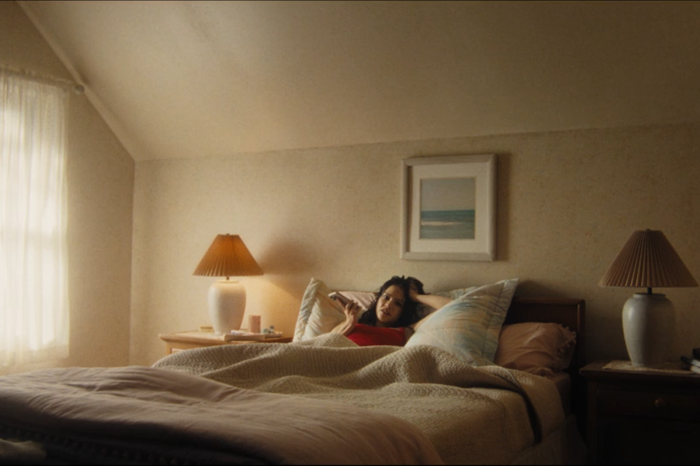
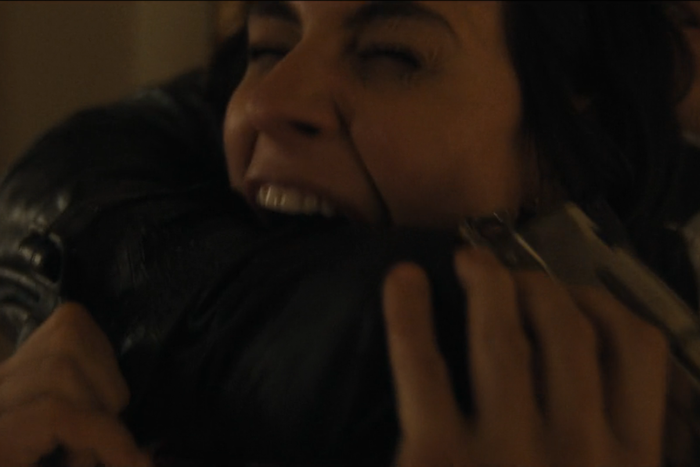
Played by Gachi Angeles (before) and Tessa Anderson (after), Marcy is the hotel maid whom incel Jeremy has sex with after his transformation into a guy who looks like Jeremy Pope. We see her pre-transformation, briefly sick in bed, then post-transformation in her house when Jeremy and the Corporation’s assassin Antonio (Anthony Ramos) go to kill her to avoid spreading the stolen virus further. We barely get a look at her before Jeremy gives in to his incredibly misogynistic instincts and beats her with a cast-iron pan; it’s just an ugly scene all around and tells us nothing we didn’t already know about Jeremy.
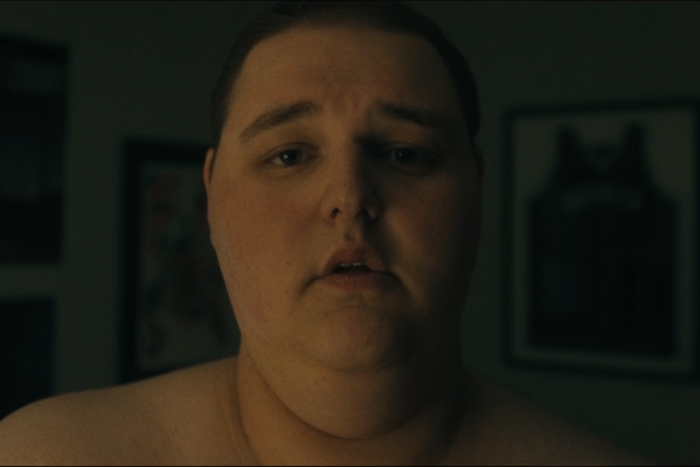
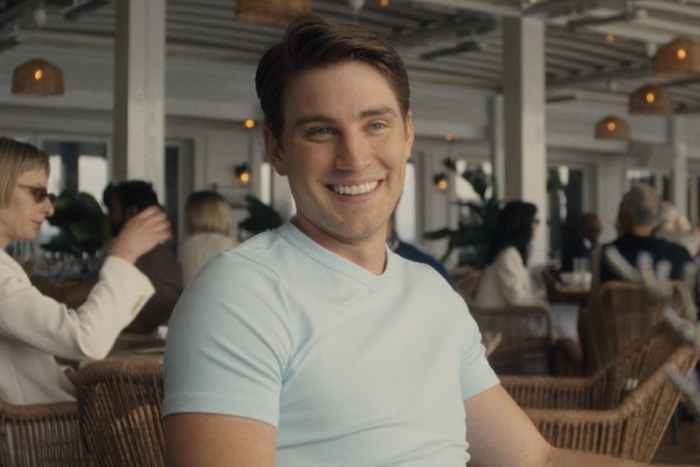
An employee of the Corporation who injected himself with the Beauty and then charges people to have sex with him to get the infectious version of the treatment, Conor is … well, he’s a creep. Played by Ethan Eisenstein (before) and Carson Rowland (after), he’s old enough to work at the Corporation, but he’s offering his services to teenage girls, even girls he knows are virgins — this guy is gross. It is useful to the story to present various Corporation-affiliated people as opportunists making money off this scam; through characters like Conor, we’re getting a sense of how the desire to be physically attractive will corrupt anyone. But we spend such little time with Conor, and he’s so clearly a character meant to serve a specific, limited function, that it doesn’t feel right to rank him much higher than this.
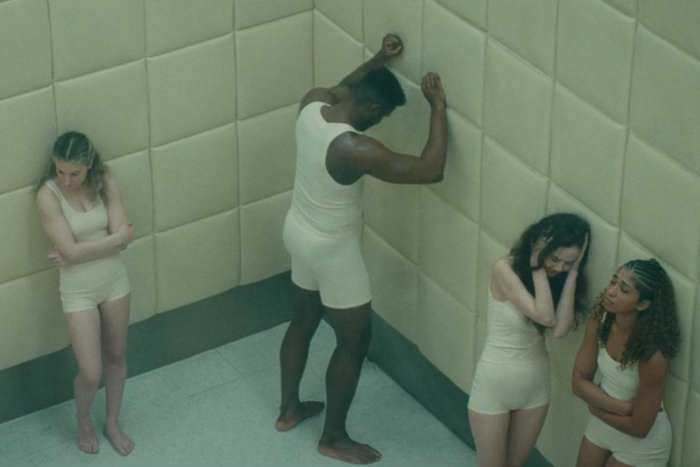
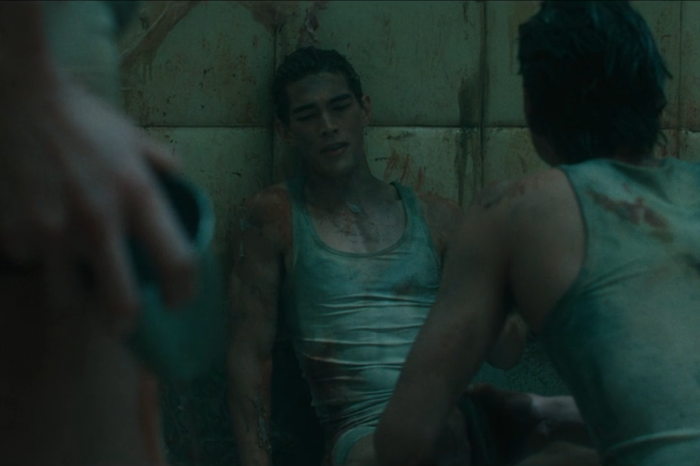
In third episode “Beautiful Criss Cross,” a Condé Nast employee unknowingly infected with the sexually transmitted version of the Beauty explodes in the media company’s cafeteria, and we track how her blood and viscera splatter into people’s mouths and eyes. Ugh. Everyone in that cafeteria is then rounded up by billionaire Byron Forst’s Corporation and quarantined in a kind of secret prison so that their transformations can be observed. Nothing is ever explained to them as they’re held against their will, and eventually Forst’s goons murder them all so they can’t spread the unapproved version of the Beauty any further. It’s a gruesome scene of unrepentant slaughter, but it’s also sort of like, yeah, of course the villain who calls “this Condé Nast situation … a scorching fucking hemorrhoid” would kill all these annoying 20-somethings. And they are, to be clear, so annoying that it’s not really a major loss narratively for them to go. In all fairness, though, the conditions in which they’re held might be the nastiest of the season, which puts them above lower entries in this ranking.
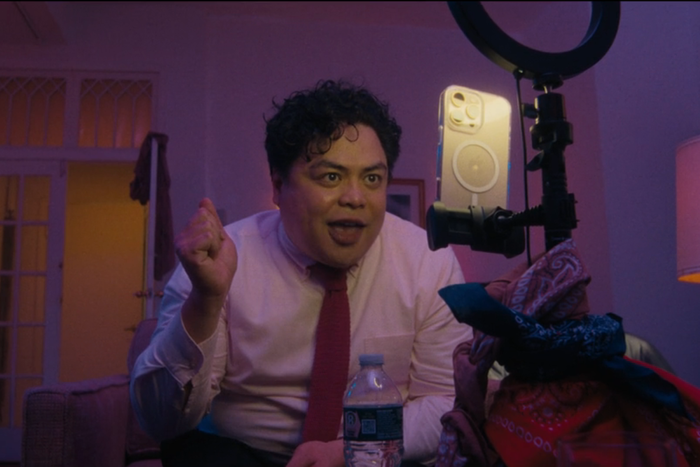
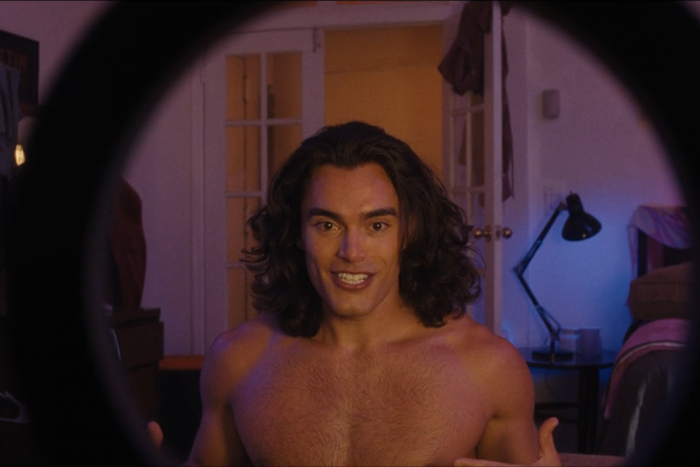
Once Forst fast-tracks the release of the Beauty to the public, teens are early adopters, which makes sense since adolescents are particularly vulnerable to self-critique. Yet I’m not sure we need this little moment to bring that across. The setup is that influencer Sir Ma’am, played by Red Concepcion (before) and Sky Kawai (after), is livestreaming their transformation, but their transformation doesn’t follow any of the established rules of the show; it takes barely a few seconds, and there’s no pulsing sac from which they must emerge, no bloody goop all over their body. Sir Ma’am offhandedly mentions they have a “sponsorship,” so it’s possible The Beauty is suggesting this was purposefully misleading content meant to make the transformation more palatable to the casually interested. Still, with all the other marketing about the shot we see, this glimpse of influencer peddling is just repetitive.
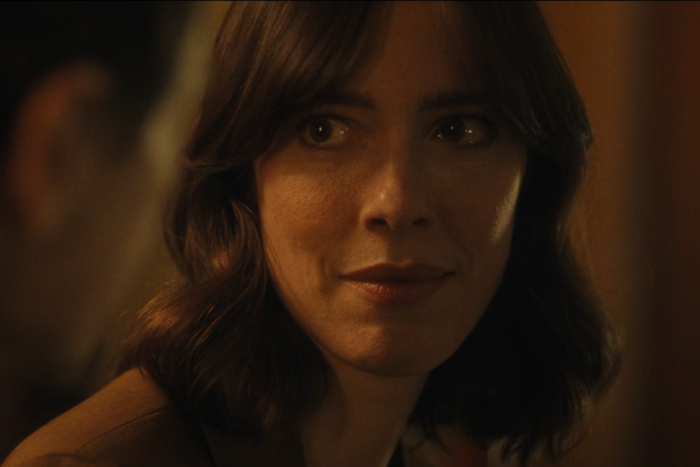
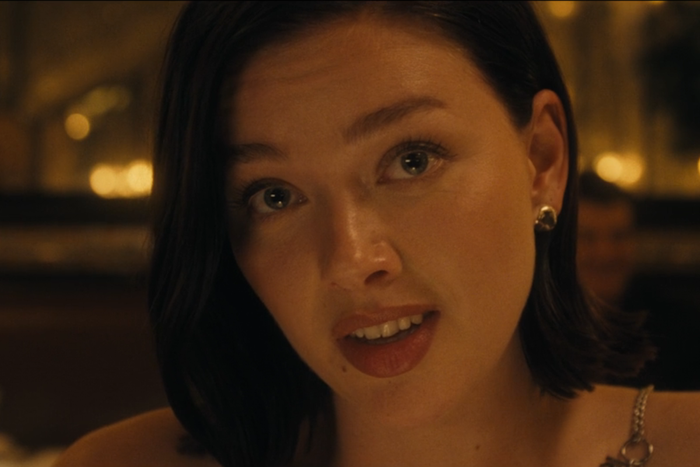
I simply refuse to accept that this transformation needed to occur. Sure, the staging is great: It happens in an opulent Venetian apartment full of mirrors and gilded home goods, and Hall throws her body around in grotesque angles reminiscent of the possession scene in the Suspiria remake. Narratively, it brings the problem of the Beauty inside the investigation, and that amplifies the tension. However, the tenor and energy of Jessica Alexander’s performance in subsequent episodes never seems to actually match Rebecca Hall’s in the first couple ones, so there’s a disconnect that keeps us from ever feeling like we really understand Jordan as a character.
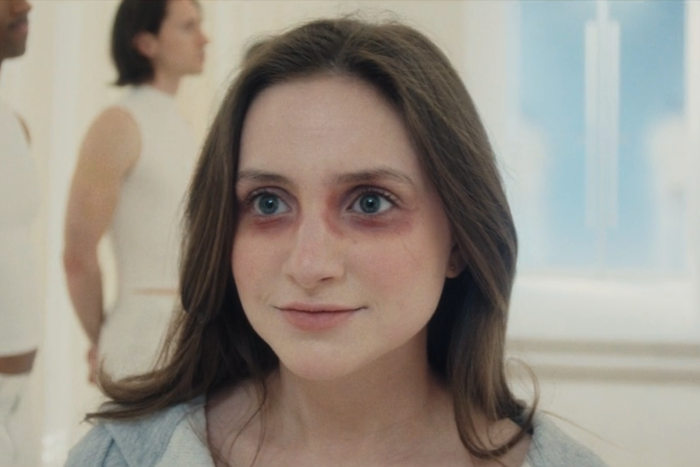
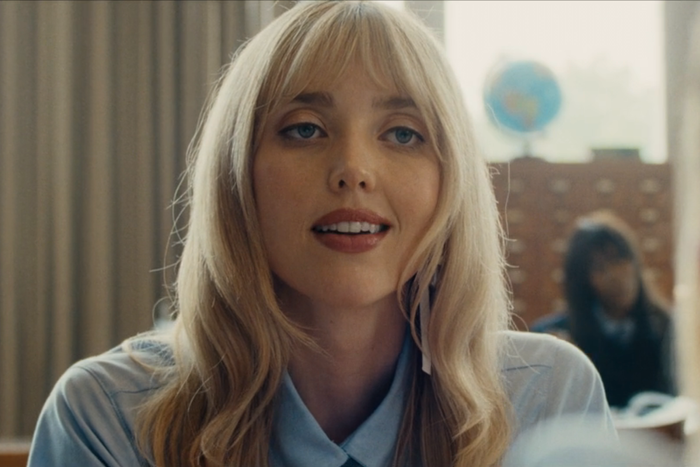
Simply put: Ruthie is wretched. Played by Annabelle Wachtel (before) and Paige McGarvin (after), this spoiled private-school teen whines that her $7,000 nose job to look like Kendall Jenner and avoid her father’s “fucking contractor” face didn’t work, then brags about her parents paying for her to get the Beauty. She sucks! And as with Sir Ma’am, her transformation complicates The Beauty’s established world-building. It makes sense that because Ruthie is getting the shot at a clinic owned by Forst’s mysterious Corporation, her experience would be silk-gloved concierge medicine. What doesn’t really make sense is how The Beauty fails to interrogate whether this teen massively changing her body before she turns 18 is making a good or bad choice. The Beauty does have another character who more explicitly represents the trans experience, but this whole story line feels like the series wanting to take on gender-affirming care for teens without being quite sure what to say about it.
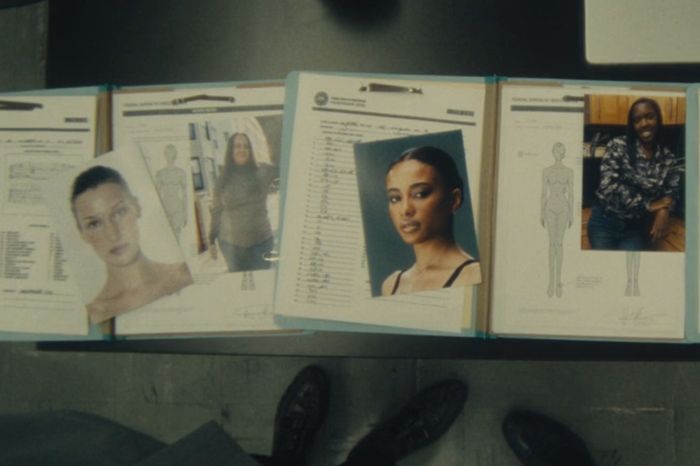
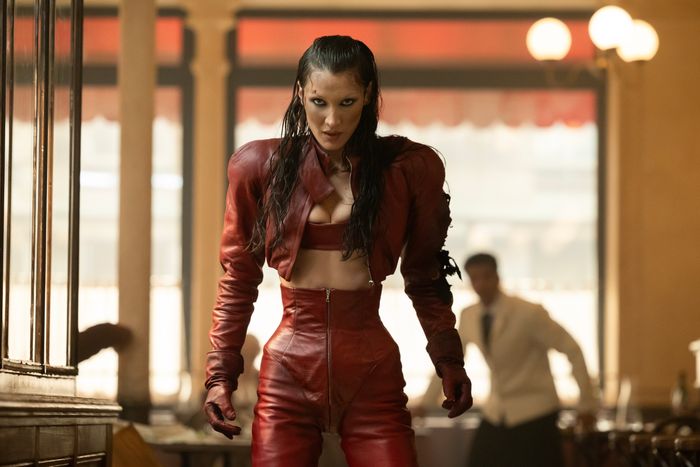
Bella Hadid on a rampage through the streets of Paris, zooming around on her motorcycle and facing down cops — fun! Ruby’s spontaneous combustion in the opening scenes of the series is an extremely effective way to lay out the endpoint of the Beauty, even if this sequence raises a lot of questions that the series doesn’t really answer about whether the transformed have superpowers. How did Ruby keep walking around after a definitely fatal car accident? Unclear. Still entertaining.
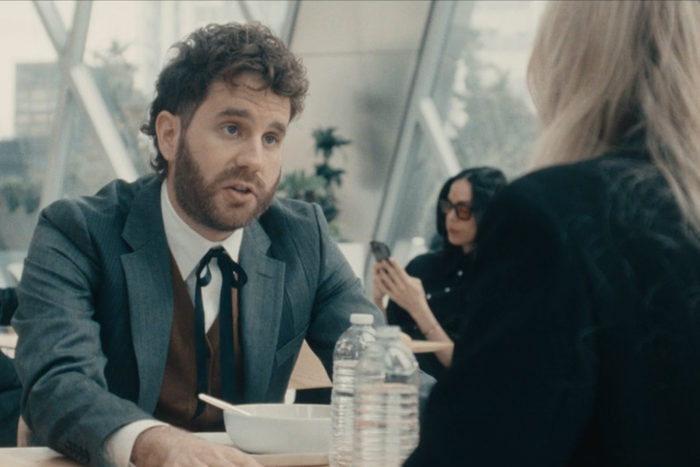
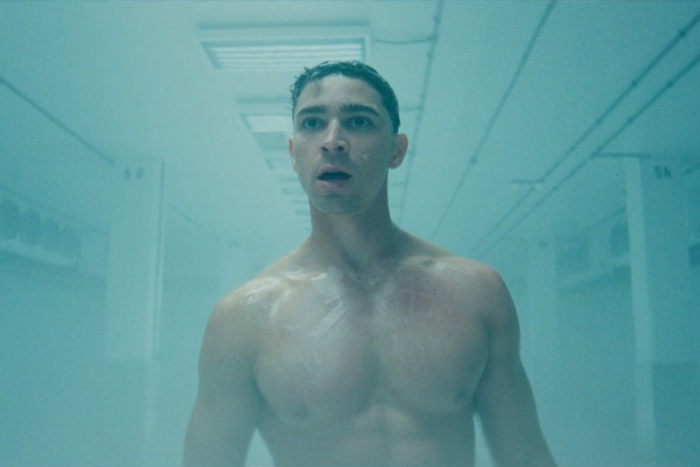
In fourth episode “Beautiful Chimp Face,” Ben Platt’s hysteria as a Condé Nast employee hit with splatter from his colleague and then held against his will within the CDC for observation, injects (sorry) the series with a welcome amount of satire. Platt’s Manny is disgusted by what happened to his friend but also intrigued by the idea that he could be hotter; it’s a funny dynamic, and if the series were more willing to be goofy like this, that would have been fine. However, Coop chases the Beauty-fied Manny, played by Isaac Powell, through an absolutely horrifying lab filled with display cases holding floating body parts, including an array of faces saved for facial-reconstruction surgery, and that grotesquerie feels like overkill. The Beauty is about wanting to nip and tuck ourselves into better versions, but conflating that desire with actual scientific research is odd.
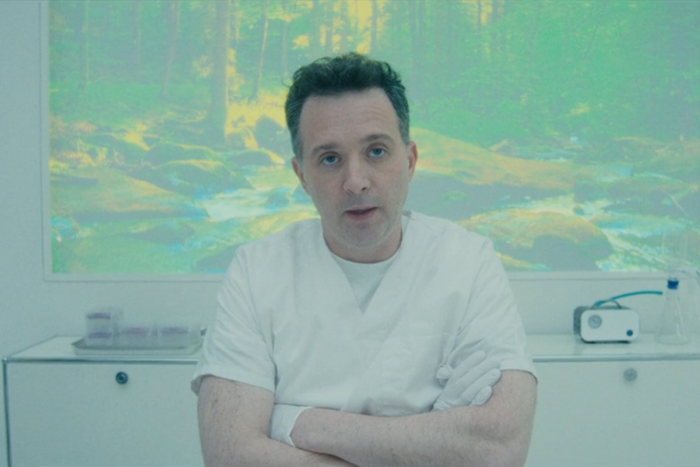
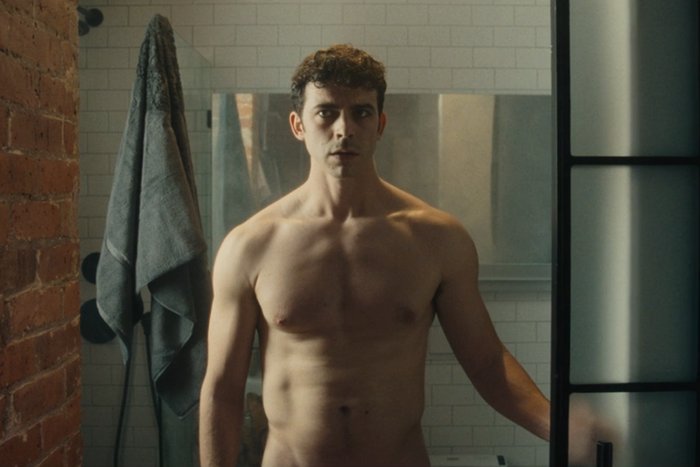
Mike is a nice guy who works for Dr. Ray Lee (Rob Yang), the scientist who originally develops the Beauty and then pitches it to the cabal of billionaires that includes Byron Forst. (More on them later.) He’s a pleasant man, a good employee, a solid supporter of his trans co-worker and friend Clara, and he can’t seem to get women to pay attention to him. Overall, The Beauty is more sympathetic toward men who consider themselves unattractive than women who do, so Mike’s simple, boring life is given an air of tragedy when his crush at work turns him down. I mean, is it really that serious? It’s enjoyably heist-y when he rips off his employer and steals two vials of the Beauty, though, and incredibly lovely when he holds onto one of those vials for Clara. Antonio assassinates the transformed Mike, played by Joey Pollai, with a blow dart in the premiere, and we then get a backstory for pre-transformation Mike (Eddie Kaye Thomas) in the sixth episode, but it would have been nice if the season were structured so we could spend time with Mike and Clara together post-transformation; watching these two genuine friends navigate being newly hot could have been fun.
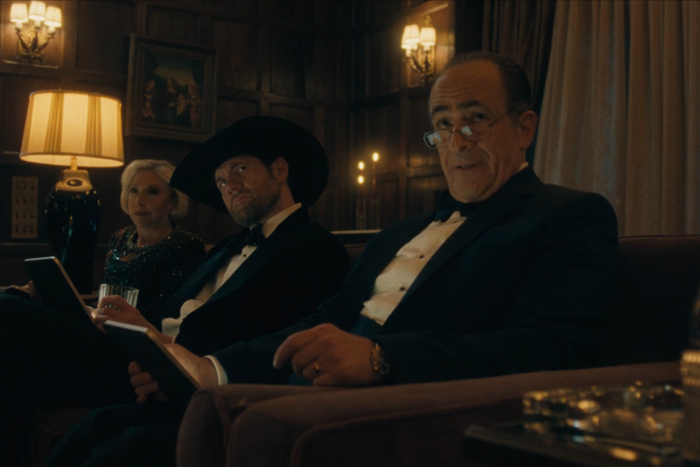
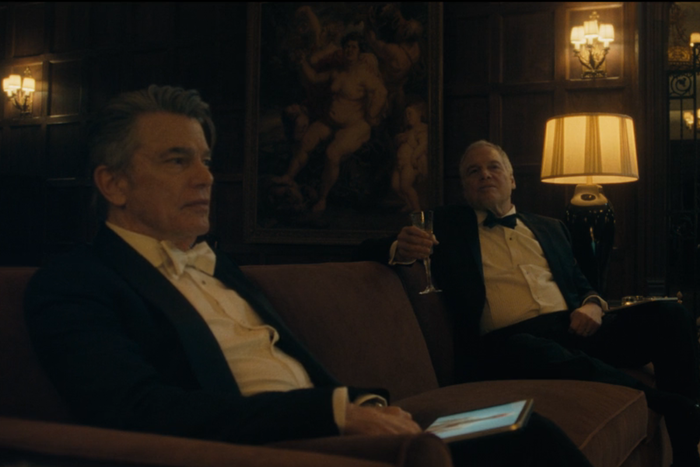
A group of billionaires (Peter Gallagher, Julie Halston, Billy Eichner, and David Pittu) representing the worlds of crypto, fossil fuels, banking, and retail give into their worst Dorian Gray instincts and get murdered for it. Should I share more of my reaction to that on main? Probably not. Here’s the setup: After developing the Beauty, Dr. Lee gathers the world’s five richest people, including Byron Forst, to sell them on the concept and secure more funding to expand licensing and sales. When they agree, the billionaires transform in a gigantic circular room that’s lushly decorated and lined with tall mirrors, and the image of all five of their sacs pulsing together under strobe lighting is like a glorious rave from hell. Also nifty is how the mirrors reflect to make it look like the sacs go on forever, an infinity-mirror optical illusion that makes this sequence one of the season’s most stunning. But Dr. Lee didn’t expect that Forst would bring a duffel bag clearly full of weapons into the transformation room and then kill the four other billionaires so he could have sole control of the Beauty; the gore of that murder sequence is unexpected and shocking. Dr. Lee couldn’t have anticipated some corporate espionage? Alas. He gets outsmarted by Forst and trapped in a symbiotic relationship where has to work for the world’s worst man to see his discovery come to fruition. There’s enough poetic irony there to land the billionaire slaughter in the middle of the list.
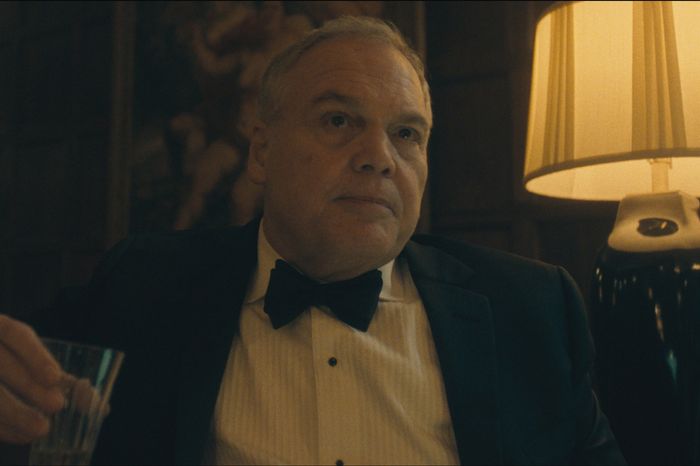
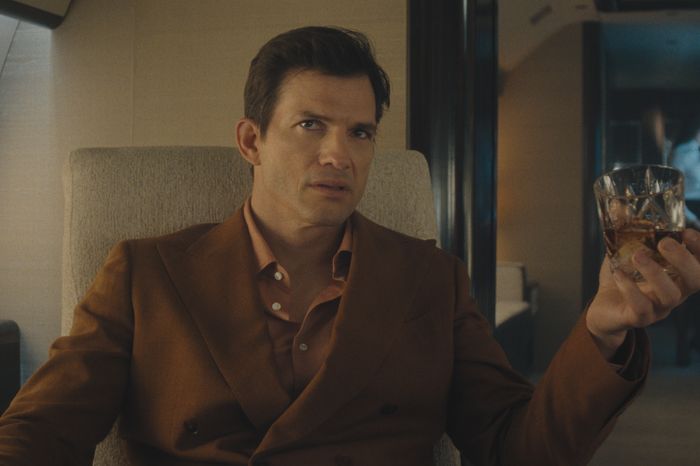
Ranking Forst next to the billionaires he kills is appropriate, since his transformation is exactly the same as theirs — in a room lined with mirrors that then get splattered with all manner of disgusting gunk. The transformations are shot from above and below, there’s a lot of sac-wriggling and flashing lights, it’s incredibly memorable. But all those actors are only in a portion of this episode, while Vincent D’Onofrio, present throughout most of the first half of the season, gives the his character the edge. He’s fantastic at making the character world-weary, exhausted, and utterly disinterested in being alive; sure, he’s getting blowjobs from his assistant in the back of his limo, but even that joy is short-lived. Unfortunately, Ashton Kutcher’s performance is, like Jessica Alexander’s compared with Rebecca Hall’s, not quite right. When Kutcher slows down his speaking speed, deepens his voice, and tries to mimic D’Onofrio’s natural menace, it feels like he’s play-acting rather than inhabiting the character. His best bit of acting is when he sees himself in the mirror for the first time after the transformation, and that, coupled with D’Onofrio’s consistent greatness, gets Forst this spot.
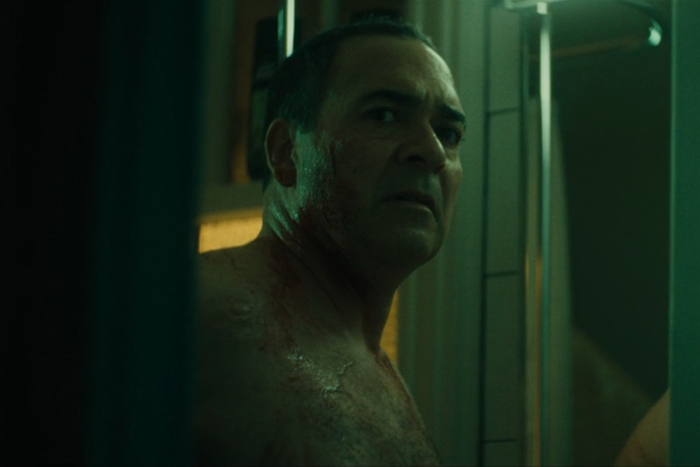
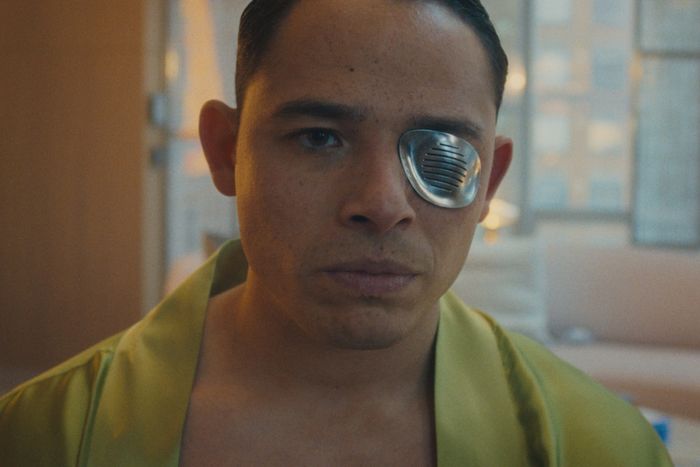
We only get a brief pre-Beauty glimpse of assassin Antonio, as played by Teddy Cañez, and don’t see his actual transformation, but post-transformation Antonio being presented like a Terminator, nude on a plinth as Forst gazes proudly at his work — that’s hilarious. Anthony Ramos is having the time of his life in this series, and I am a big fan of the eyepatch.
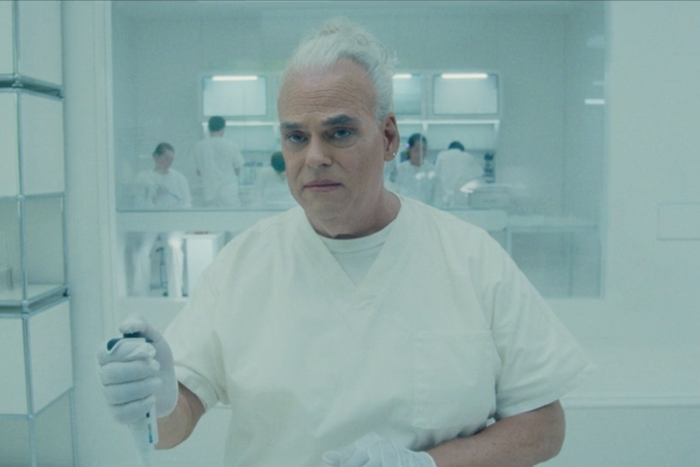
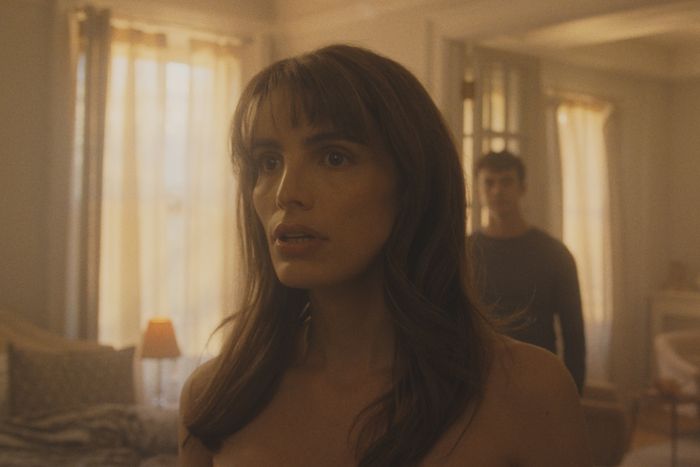
Played by Rev Yolanda before she takes the Beauty that Mike stole for her, and Lux Pascal after, Clara is a woman. Full stop. Thank you to The Beauty for that certainty.
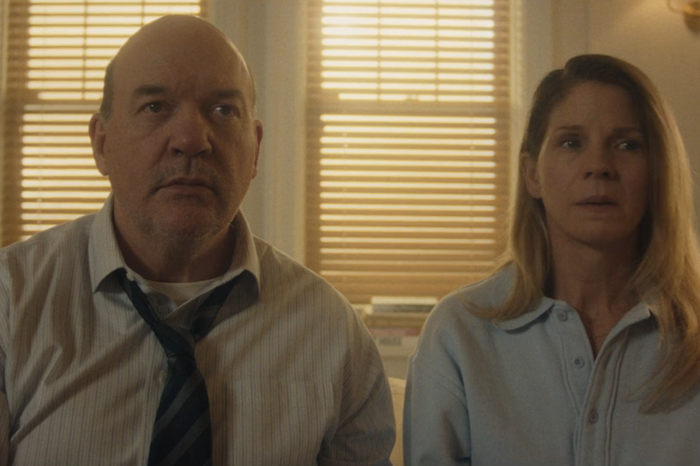
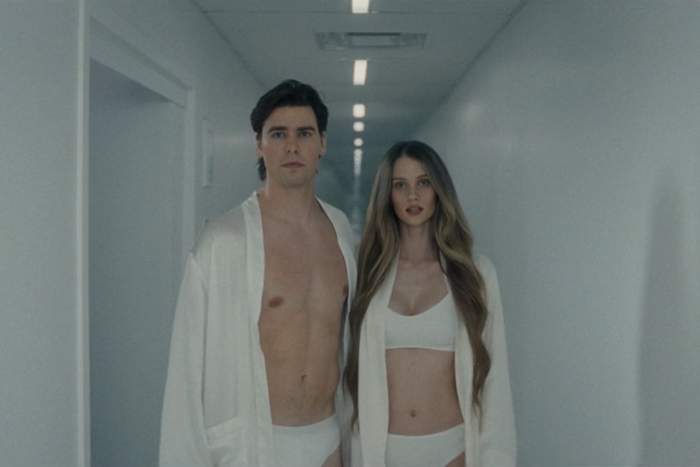
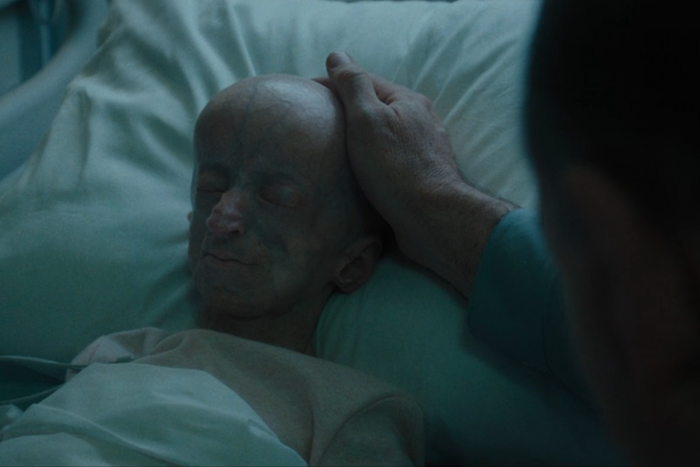
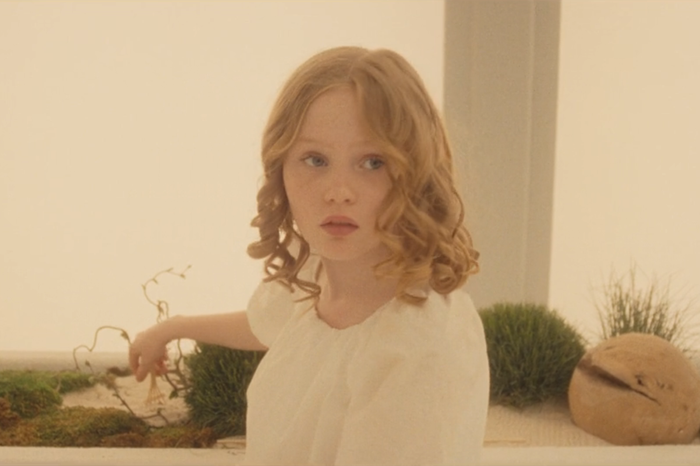
Why is the exceptional character actor John Carroll Lynch on this show, I wondered to myself when he showed up in the premiere, and eventually the seventh episode “Beautiful Living Rooms” explained why: Because you need an actor of his caliber to ground a subplot about a family in deep crisis. Lynch plays FBI supervisor Meyer Williams, the father of a teen daughter with progeria, a rare and fatal genetic mutation that rapidly ages children who have it. Played by Kaylee Halko (before) and Augusta Liv (after), Joey is 15, but she’s already at the end of her life expectancy, and her condition has torn Meyer and his wife, Juliana (Kelli O’Hara), apart. Each blames the other for Joey’s illness, and it’s devastating to watch them fight over something neither of them can control. On a pure “Is this story watchable?” level, this delivers, and it makes perfect sense why Meyer and Juliana would abandon all their other morals to save their daughter and their marriage. The Beauty could have spent more time on characters who would be taking the Beauty as medical treatment rather than just a glamorous drug because the Williamses make a compelling case for that angle.
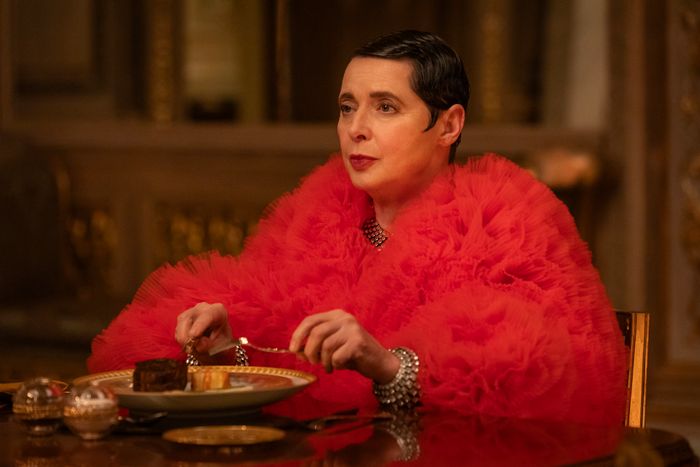
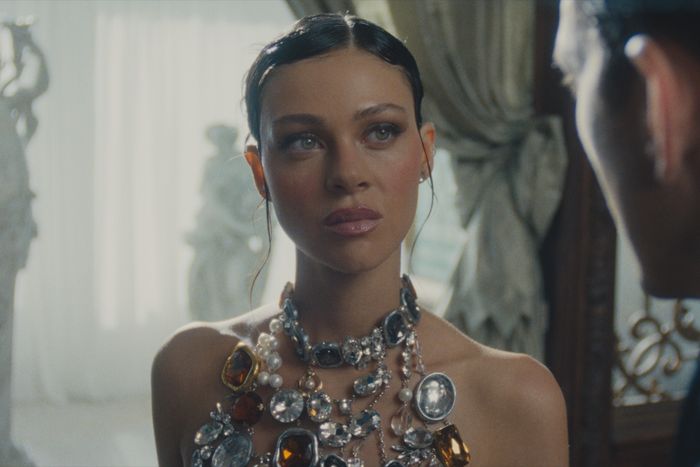
Let me repeat myself: Why is exceptional industry icon Isabella Rossellini on this show? Because when you want a prickly, charismatic bitch who can pull off ludicrous outfits, maintain a principled stand against an array of enemies, and barely exert any effort to rip apart her scene partners, she’s who you call. As Byron’s wife, Franny, Rossellini is a frosty woman who would rather light priceless paintings on fire than sit through a dinner with her husband. She’s one of the few characters in this universe who has no interest at all in the Beauty, and that makes the betrayal of her sons, Gunther and Tig, injecting Franny with the Beauty against her will hurt that much greater. The look on Rossellini’s face as Franny realizes what they’ve done to her, after a lifetime of supporting their idiocy, is devastating. And while Nicola Peltz Beckham is nowhere near as good an actress as Rossellini, her furious speech about how Byron and their sons have stolen from her the age and body that she worked for, while wearing a version of Rossellini’s iconic look from Death Becomes Her, is pure style. Peltz Beckham’s spiteful “I feel like a prisoner” line before she slices open her own throat with the shard from an antique vase is the series’s most memorable (attempted) death sequence.
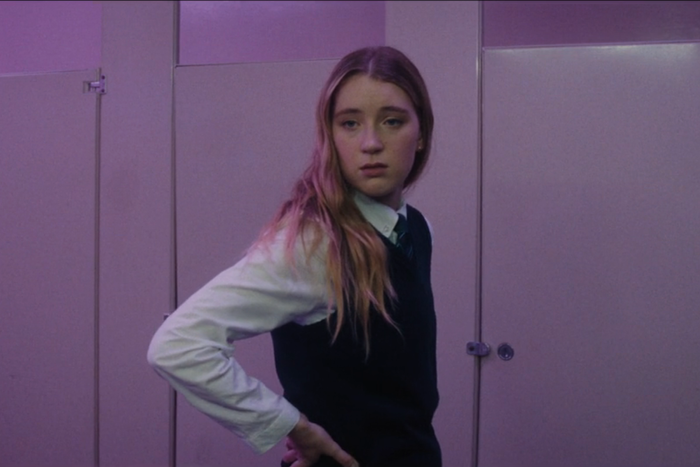
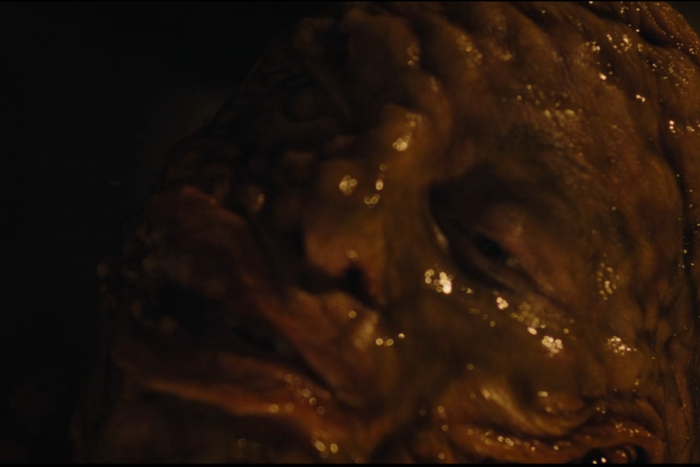
The transformation of Ruthie’s friend Bella (played by Emma Halleen) into a horrifying monster straight out of The Substance, after she loses her virginity to Conor, is a little derivative. It’s also staged wonderfully with classic horror-movie flourishes: Bella shakes and sweats like she’s possessed, leaves long trails of slime and blood in her room for her mother to find, and is then revealed to be hiding in the closet with teeth growing out of random parts of her body and blood spurting from every which-where. Poor Bella’s horribly adverse reaction to the virus makes for a great jump scare in the moment and also an exclamation point on the season overall, emphasizing that no one really understands how this virus works. I don’t quite buy that this one adverse effect would inspire Byron to shut down the entire Beauty project, even as we learn later that Bella now suffers from “multivaginal displacement” and “cranial-facial-breast fusion.” If The Beauty does get a second season, though, Bella serves as a new baseline for how bad this situation could get.
We’ve already established that The Beauty has a lot of sympathy for lonely men, and Jeremy’s the best proof of that. As played pre-transformation by Jaquel Spivey, he’s an incel who spends his days and nights jacking off in his mom’s basement, with brief interruptions to berate her, and kills staff at his plastic surgeon’s office when he doesn’t like how he looks after paying Dr. Guy (Jon Jon Briones) to sculpt his face into a yassified Squidward version of himself. As played post-transformation by Jeremy Pope, he willingly becomes an assassin working alongside Antonio so he can continue killing people while looking cool and stylish and is rewarded with countless women willing to jump on his giant dick. Jeremy’s arc is the show at its most crass, yet Pope’s strength as an actor makes him so interesting as an avatar for everything wrong with online masculine culture. His glee while flexing in the mirror after his transformation, accepting Antonio’s offer to be his partner in crime, or taking in the possibility that Forst might be assassinated shows he’s horny for violence even more than he’s horny for women. The final moments of the season premiere, with covered-in-glop serial killer Jeremy spinning around in front of a mirror to check out all his muscles, is the series’s defining image.
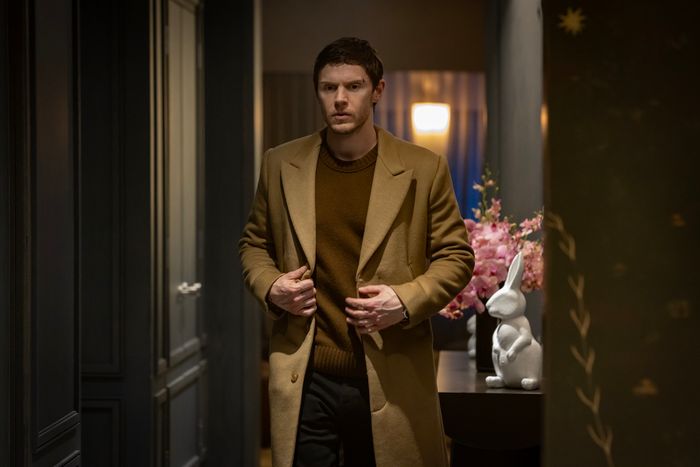
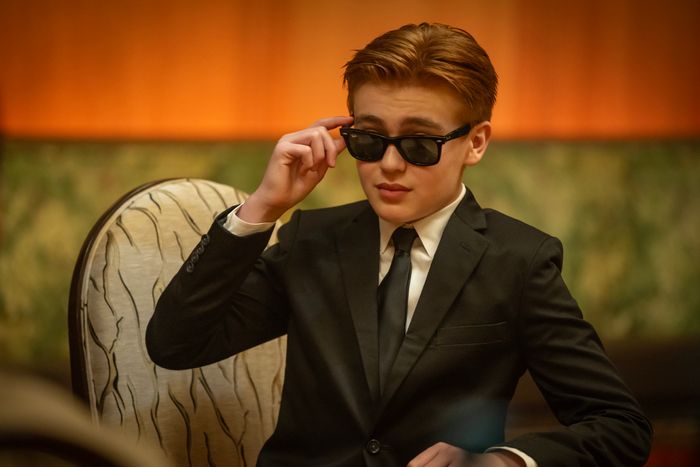
Yes, that is a child. Cooper has sex with Jordan to become infected by the viral version of the Beauty so he can then, in this new unknown-to-Forst form, assassinate the billionaire and stop the spread of his creation. But after they have sex, Cooper’s transformation is awful — it takes hours, and when his sac breaks open, out comes a prepubescent boy. Surprise! The Beauty is supposed to remix your DNA and turn people into the truest, most physically superior forms of themselves and then this kid comes out of the sac? It’s so dumb (complimentary) and completely unpredictable (complimentary) that as devastated as I was to lose the very handsome Evan Peters, I laughed every time I saw Hudson Barry onscreen. Respect for such a ludicrous idea.
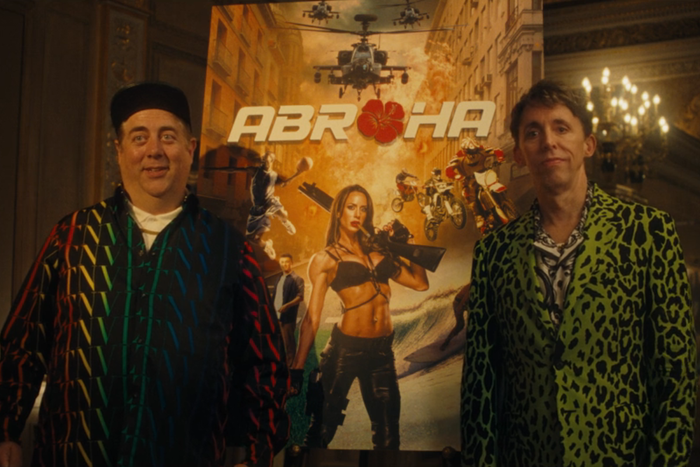
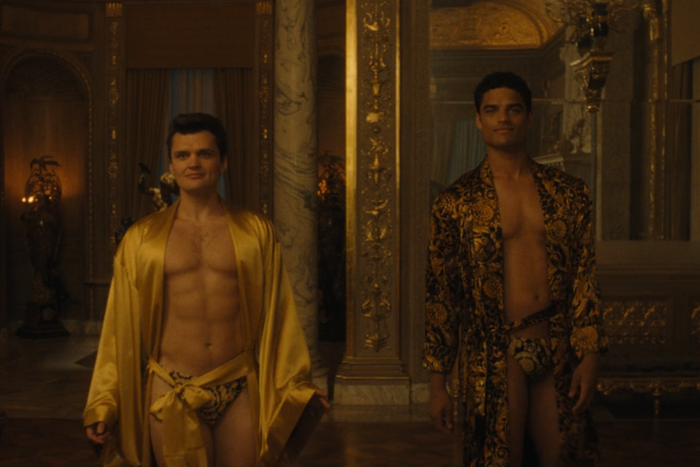
These morons. Gunther and Tig are two billionaire failsons who have wasted countless opportunities and cash chasing the stupidest ideas and who get rewarded over and over again for their idiocy. They’re the series’ Ur-examples of how the Beauty may change your outside presentation for the better but won’t do the same for your inner self. Is it bizarre that Gunther becomes a Black man because Byron is “5 percent Nigerian”? Sure. That’s the series going for shock value. But Gunther (Eric Petersen) and Tig (Kevin Cahoon) starting off evil, and only becoming more evil after their transformations (now played by Brandon Gillard and Ray Nicholson), is a satisfyingly cynical element of the series’ world-building. So too is Tig’s positioning in season finale “Beautiful Betrayal” as a Judas aligning with an AI company to take over his father’s throne, after he’s already helped put his mom in a coma by transforming her against her will. The sins of the father pass on. The Beauty nails that ending.
Related