
During the final stages of age-related macular degeneration, geographic atrophy (GA) disrupts your central vision. As a result, even the simplest tasks — like reading, writing or getting around the house — can become hard to manage.
Advertisement
Cleveland Clinic is a non-profit academic medical center. Advertising on our site helps support our mission. We do not endorse non-Cleveland Clinic products or services. Policy
But today, there are plenty of tools, techniques and devices to help when you’re living with low vision.
Ophthalmologist and retina specialist Ananth Sastry, MD, shares what’s available and how they can help.
What are low-vision aids?
Low-vision aids help you learn how to use your remaining eyesight after experiencing vision loss. They include:
Optical devices, like specialized glasses or implants for your eyesNon-optical tools and environmental changes that improve quality of lifeElectronic or digital devices that help you use what’s left of your vision
“They can be as simple as magnifiers or as sophisticated as wearable headsets that center your peripheral vision,” shares Dr. Sastry. “There’s a wide and continuously growing variety of options.”
How can they help with geographic atrophy?
You’ve spent years seeing the world in a certain way, and now, geographic atrophy has affected your ability to see things clearly. Learning how to live with low vision is a process that takes time — and that’s where low-vision aids can help.
“These tools are designed to help you learn how to navigate through the world with the vision you still have,” says Dr. Sastry. “Technological advances have improved low-vision aids over the years. Using them will hopefully improve your quality of life and help you feel safe and secure while doing your normal daily activities.”
Kinds of low-vision aids for geographic atrophy
If you have geographic atrophy, low-vision specialists and occupational therapists can help you decide which tools and techniques are right for you. Aids generally fall into one of three categories:
Optical aids
Geographic atrophy physically changes the way your eyesight works. Optical aids work by maximizing the potential of what’s left of your vision to make up for what’s lost. Some specialized devices require a prescription, but there are many tools out there that can be found over the counter. Examples of optical aids can include:
Prismatic glasses: These specialized lenses bend and redirect light in a specific way to help your peripheral vision focus on images or text directly in front of you. They’re helpful when you’re trying to read, write or look at photos.Bioptic telescopic glasses: Like binoculars, these magnify images. They can be part of regular glasses or can be mounted to your glasses. Looking through telescopic lenses can help you discern specific details, like signage and faces from across a room.Lifestyle aids and environmental adjustments
One of the most difficult things about living with low vision is having to find new ways to go about your daily life. Driving may become limited or even impossible. It may be difficult to navigate through your home, or even relax and unwind with a good book or movie.
Making certain changes to your environment and finding new ways of doing these activities can improve your experience. That may involve things like:
Using high-contrast markers or increasing font sizes on your devices to improve readabilityHaving items well-labeled in your home for easy identificationTrying food or grocery delivery services when shopping becomes difficultRelying on ride-share and transportation services when it’s not safe to driveImproving the lighting in your home to reduce the risk of injury and help with moving aroundElectronic and digital aids
Technological devices in the digital space come with features that make them easier to use for people with low vision. Common examples include:
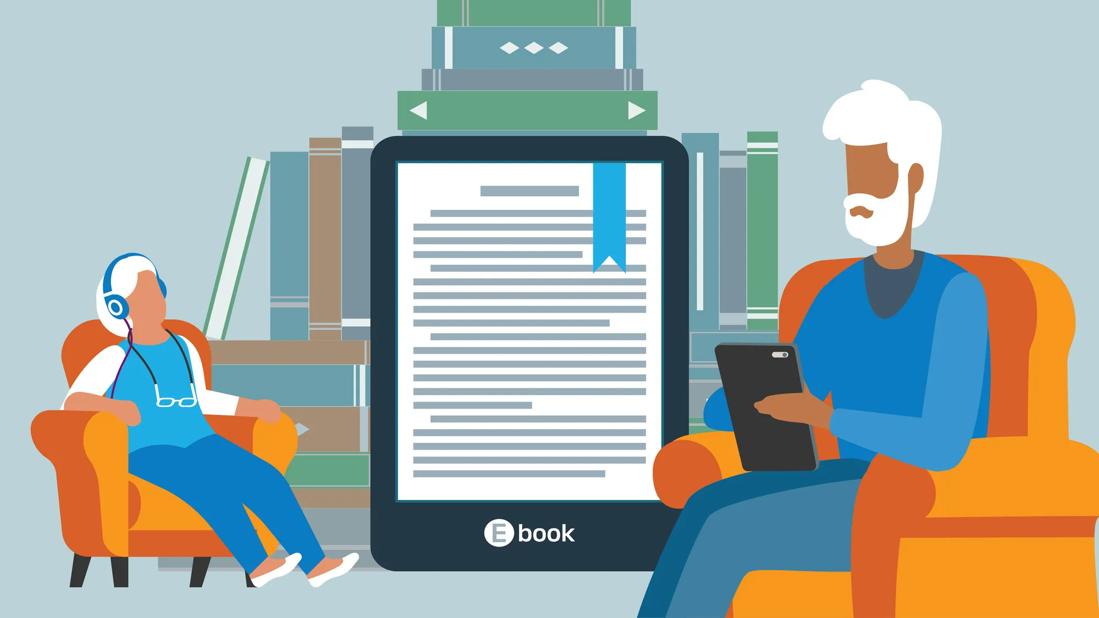
Closed-circuit television devices (CCTV) use a camera to project text and images onto a monitor or TV so you can read or work.Electronic magnifiers can be hand-held or sit on a stand to enlarge texts or images.Smartphone apps and audio devices can use voice commands to read text, identify labels and complete a variety of tasks.
“When you’re living with low vision, these devices can help you maintain your independence,” reiterates Dr. Sastry.
When to ask for help
If you notice changes in your vision that make it hard to do daily tasks, make an appointment with an eye doctor. They can take images of your eye and run specific tests to measure the progress of geographic atrophy and vision loss.
“If you have sudden loss of vision or you’re experiencing pain, those would be reasons to get evaluated right away,” advises Dr. Sastry.