
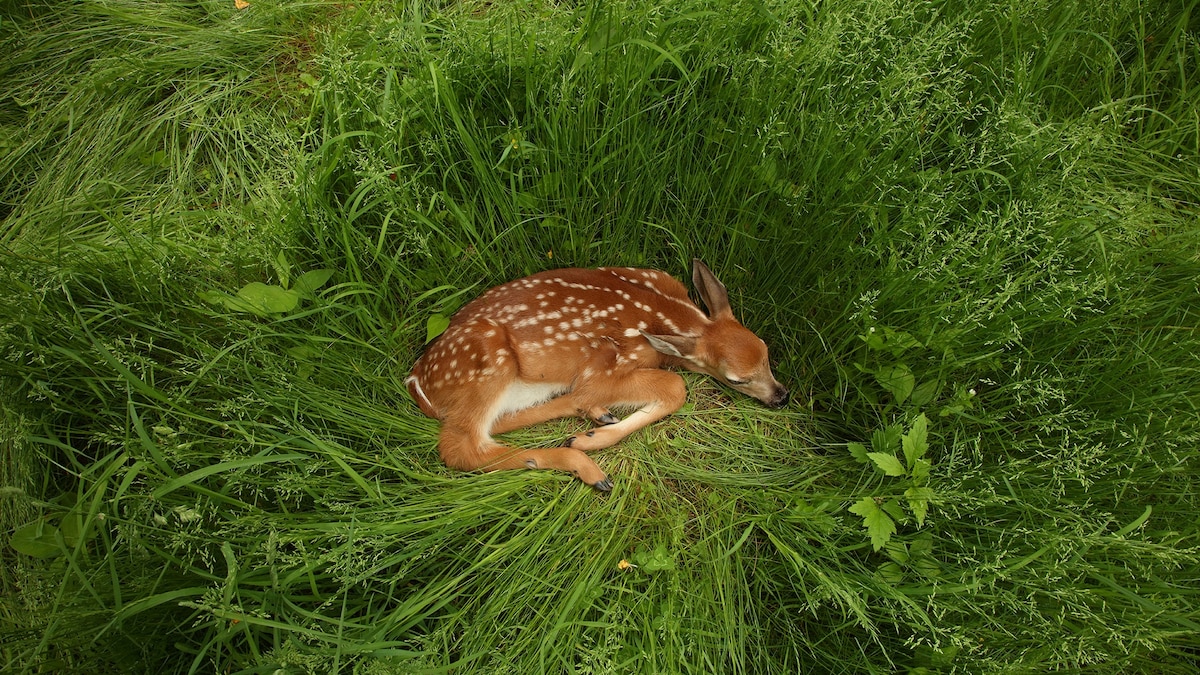
Many kidnapped animals, particularly prey species and ungulates, experience extreme stress and are susceptible to capture myopathy, a metabolic disease that exhausts the muscles, causes organ damage, and is almost always is fatal, sometimes within minutes. “It’s basically like they get so stressed…it can lead them into kidney failure, heart issues, and they often die from it,” Barth says.
And high enough cortisol levels—also driven by stress—can trigger a heart response, especially when paired with dehydration, says Erica Miller, an expert in wildlife medicine and veterinarian with the Wildlife Futures Program at the University of Pennsylvania. Stress and a poor diet can also cause an imbalance of bacteria in a rabbit or deer’s GI tract, leading to a deadly infection.
As if all of this weren’t bad enough, in some states, the mere act of taking an animal is legally a death sentence. Miller says that rehabbers in Pennsylvania counties with chronic wasting disease—a contagious and fatal neurological condition—are not allowed rehabilitate deer to avoid the spread. This can lead to euthanasia once the deer is brought to a rescue. In Arkansas and Nebraska, it’s illegal to rehab deer statewide, so a kidnapping is a death sentence if the deer isn’t immediately returned to the exact spot. It’s also illegal to rehab some rabies-vector species in some states, so a baby raccoon, for example, would likely be euthanized in Idaho, regardless of their health status.
Looks like a duck, thinks it’s a person
There’s also the chance that a kidnapped animal will imprint on a human. This is especially common with ducks and deer. Imprinting is a way that newborn animals learn who they are, including species-specific behavior. For example, a duck raised by a human might not realize they’re a duck. Imprinting is often an irreversible process. And when there’s nowhere else for an imprinted animal to go, such as a local sanctuary that houses permanent residents, many imprinted animals are euthanized if they don’t lose their fear of humans.
Barth remembers one kidnapped fawn in pain from bloat who had already imprinted on humans by the time she arrived at the Alberta clinic.