
SCIENTISTS have discovered a protein that is “indispensable” for malaria parasite survival, making it a potential target for antimalarial drugs.
Aurora-related kinase 1 (ARK1) is a specialised protein that malaria parasites need to survive and move between hosts, the 2026 cross-stage analysis found.
Plasmodium Parasites Cause Malaria
Malaria is a leading cause of death in children whom, alongside those who are pregnant, travellers, or people with HIV or AIDS, are at a higher risk of severe infection.
The WHO African Region carries a disproportionately high share of the global malaria burden.
In recent years, children under 5-years-old have accounted for approximately 75% of all malaria deaths in the Region.
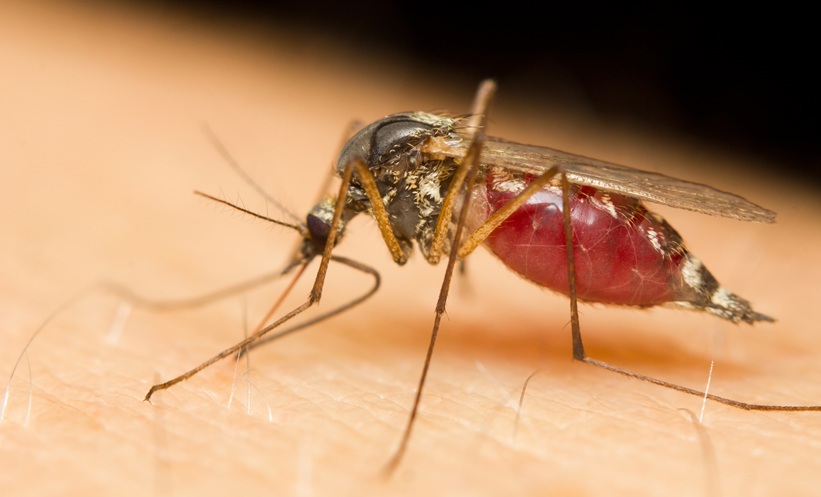
Malaria is caused by Plasmodium parasites, primarily transmitted by infected female Anopheles mosquitoes.
Notably, the malaria parasite divides in an evolutionarily unusual manner, with a complex method of growth dissimilar to most model organisms.
ARK1 is a Central Organiser of Plasmodium Mitosis
ARK1 is key to organising the spindle, the cellular structure responsible for pulling genetic material apart during cell division, researchers from the University of Nottingham, the National Institute of Immunology, the University of Groningen, and the Francie Crick Institute reported.
It follows that ARK1 was identified as a “central organiser” of Plasmodium mitosis, the causative agent of malaria.
It is preferentially expressed and targeted during mitotic staged, findings revealed.
When ARK1 was inhibited, the Plasmodium parasites failed to form proper spindles, causing development to be hindered and usual mitosis blocked.
As a result, the parasites were unable to complete their life cycles inside the human host or mosquito when ARK1 was inhibited.
The secondary effect of this mechanism was that transmission of the disease was then blocked.
ARK1 as a Target for Malaria Intervention
ARK1 plays a key role in malaria parasite development and, consequently, the cycle of malaria transmission.
As such, it has been identified as a target for future malaria interventions, proving promising in addressing malaria as a major global public health issue.
References
Nagar A et al. Plasmodium ARK1 regulates spindle formation during atypical mitosis and forms a divergent chromosomal passenger complex. Nat Commun. 2026;17:1598.
World Health Organization. Malaria. 2025. Available at: https://www.who.int/news-room/fact-sheets/detail/malaria. Last accessed: 12 March 2026.
Featured image: corlaffra on Adobe Stock