
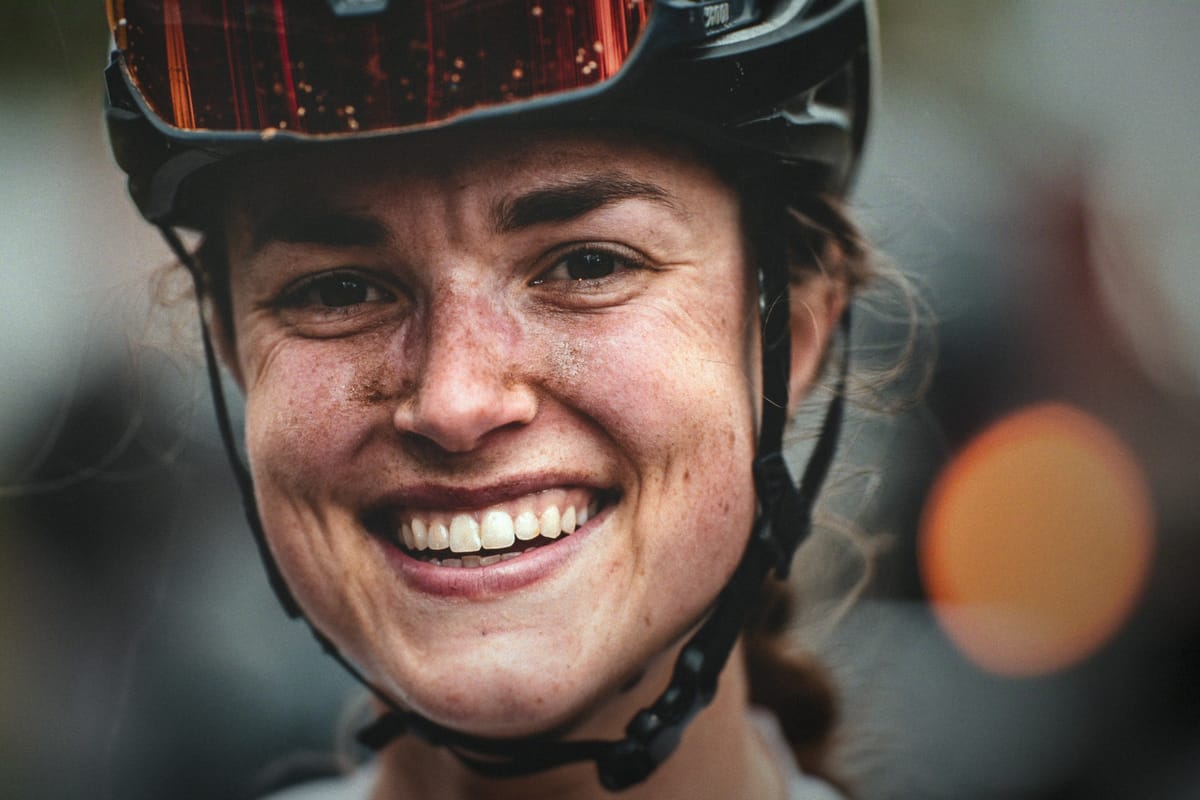
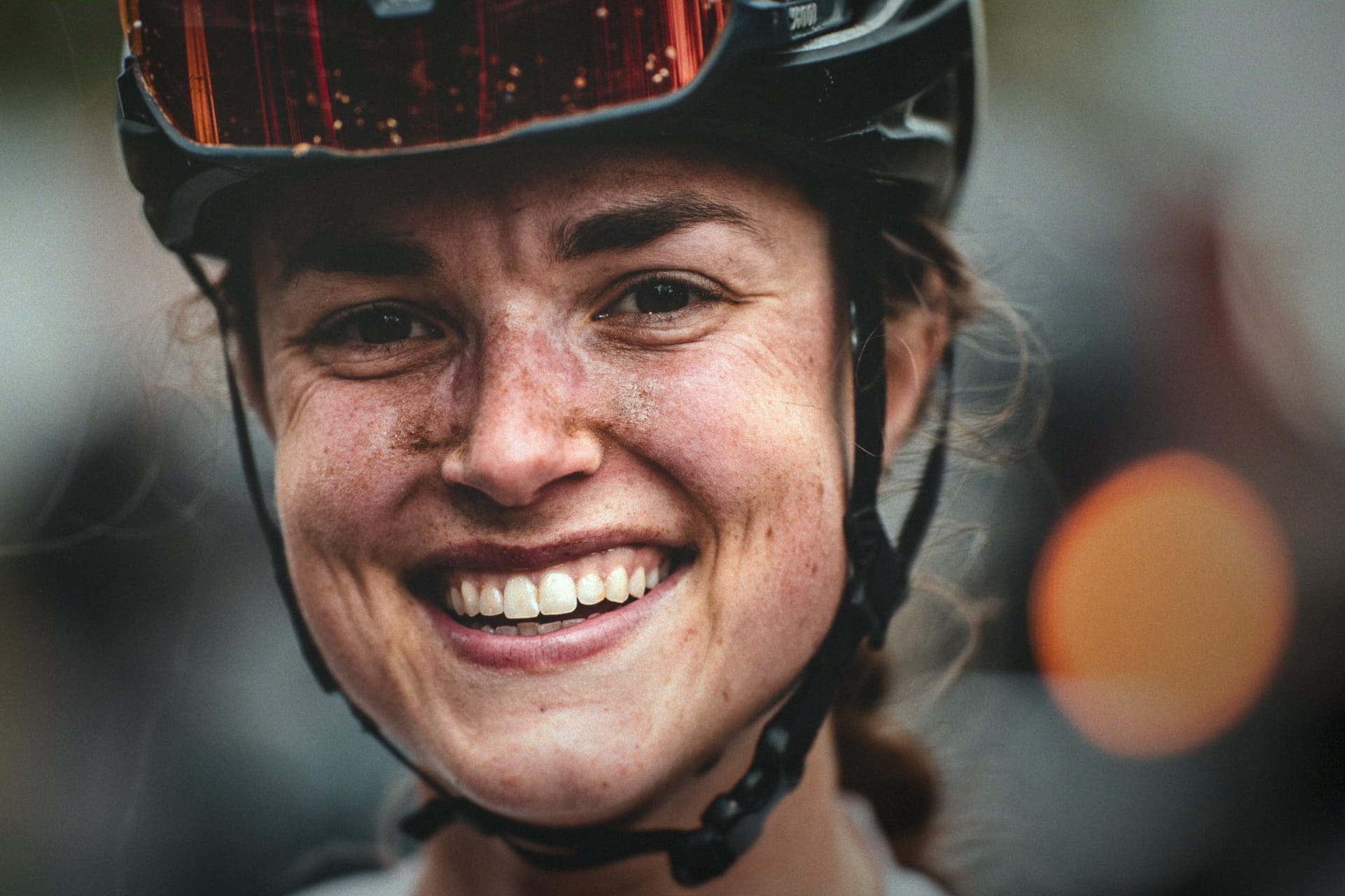
The brutal murder of gravel’s rising star became the worst kind of sensationalist tabloid fodder. A new documentary tries to put the focus back on the woman herself.
courtesy Netflix
Peter Flax is a Los Angeles-based journalist who is the former editor in chief of Bicycling and The Red Bulletin. He has lived car-free in LA since 2014 and hasn’t worn leg warmers since.
Does the world really need a documentary about the death of Mo Wilson? This was one of several heavy questions weighing me down as I sat down to watch The Truth and Tragedy of Moriah Wilson, which premiered in Austin, Texas on March 12 at South by Southwest (it will be available to stream worldwide on Netflix on April 3). To be honest, I was afraid I might just feel sick to my stomach to see this painful story mistold again.
The 2022 murder of the effervescent and staggeringly talented bike racer was a debilitating gut punch to many people in the bike community (and her loved ones, of course) that turned into the worst kind of media shitshow. It was generally covered as a sordid and grisly love triangle. There was a tawdry, low-budget Lifetime melodrama and multiple pieces of “ambitious” magazine longform and daily missives from celebrity and mainstream news outlets —and nearly all of it was excruciating, continually missing the incredibly obvious opportunity to center the beloved victim, a person who was a shining light to everyone who met her.
If you somehow don’t remember the plot points of this dreadful situation, here is a 62-word summary: Wilson, a fast-rising and charismatic gravel racer, was murdered while visiting Austin, Texas by a woman named Kaitlin Armstrong, who was the jealous current or former girlfriend of pro racer Colin Strickland. Armstrong fled the city and ultimately the country (making the kinds of bad decisions that inspire vulgar Lifetime melodramas), but eventually was captured and brought back to Austin to stand trial and face justice.
In the initial tidal wave of coverage, the only piece that didn’t lean into the circus and make me queasy was a lovely feature written by Rowan Moore Gerety in Bicycling that had the good sense to focus on Wilson (and her family and other people who loved her) and to celebrate and mourn the kind of life that many of us wish we could evince. I’m happy to report that this story is cited in the end credits of the documentary as a key inspiration – and it shows.
This post is for paying subscribers only
Subscribe now
Already have an account? Sign in
Did we do a good job with this story?
👍Yep
👎Nope