
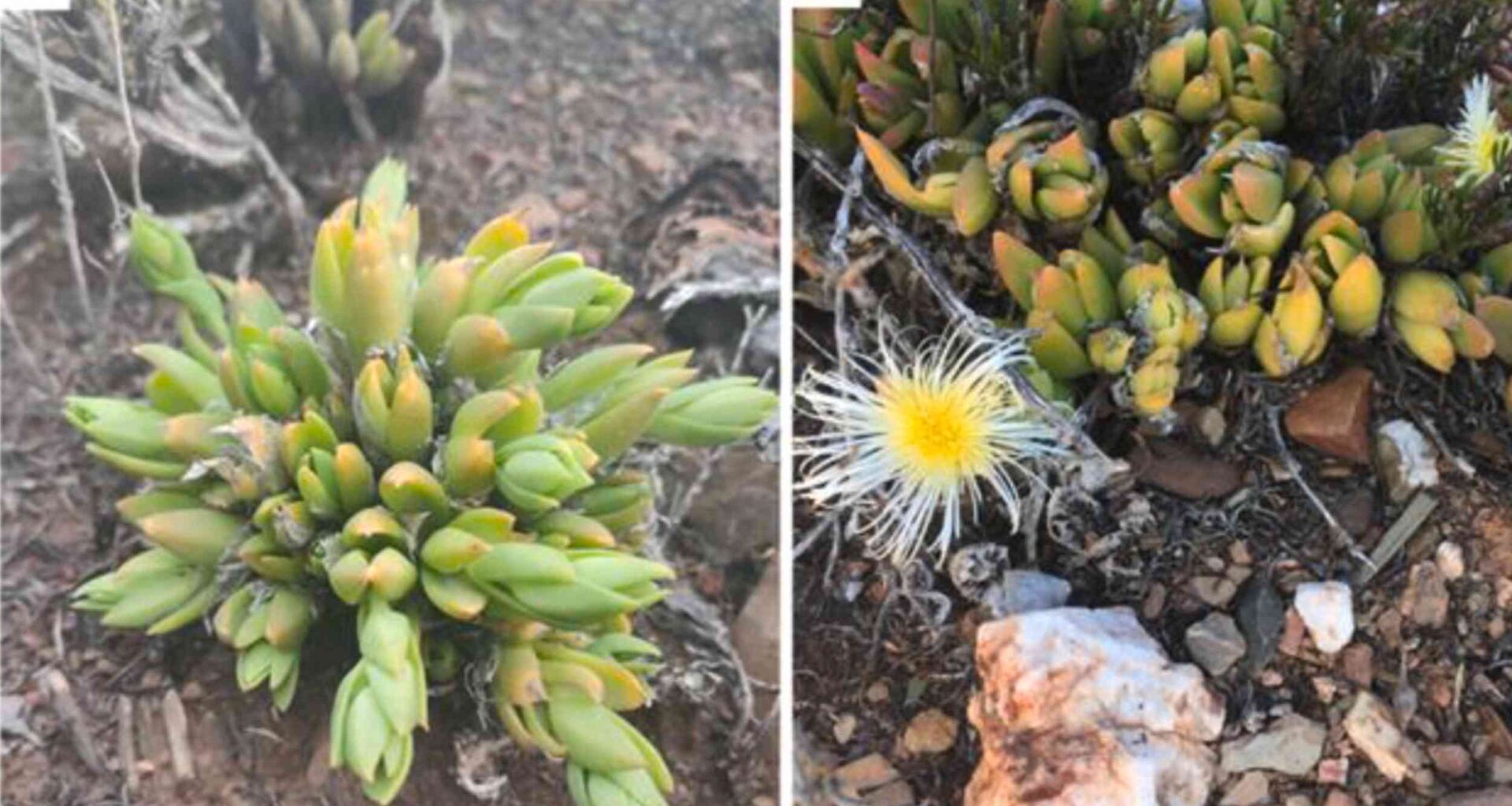
Researchers have found that extracts from the South African kanna plant, a small succulent long used in traditional medicine, can alter key brain signals across multiple regions of the brain.
The discovery suggests that certain versions of this traditional plant may influence mood, alertness, and stress in ways modern science is only beginning to understand.
Kanna plant and brain signals

Inside three brain areas tied to memory, mood, and attention kanna extracts from Touwsrivier and De Rust produced the same pattern in mice.
Following that trail, Catherine H. Kaschula, a chemist at Stellenbosch University, found the strongest effects in those wild plants.
Those extracts beat both a control treatment and a commercial kanna product, which did not trigger the same brain-wide response.
Such a split hinted early that overlooked chemicals, not kanna’s reputation alone, were probably shaping the effect.
Kanna plant compounds
Researchers call these plant variants chemotypes, versions of one species that make different chemical mixes.
Rainfall, soil, heat, plant genes, and attacks from grazers or microbes can all change which compounds a plant makes.
In these South African samples, mesembrine alcohols and several lesser-known alkaloids stood out from the rest.
Earlier kanna work centered on mesembrine, one of the plant’s best-known active compounds, which left these smaller ingredients largely out of the story.
Why those signals matter
Across the brain, the extracts pushed noradrenaline, a signal linked to alertness and focus, upward.
They also lowered GABA, a neurotransmitter that slows nerve activity in the brain, easing the brain’s braking system at the same time.
On long hunts, that pairing could have helped with hunger, fatigue, and wandering attention during exhausting days.
Even so, brain chemistry is not behavior, so the mouse data stop short of proving an antidepressant or sedative effect.
Records of kanna plant chewing
Records from southern Africa show that San and Khoikhoi communities were already using kanna long before modern labs started studying it.
Drying and fermenting the plant created the chewable form called kougoed before use, a step many users believed intensified its effects.
A colonial record from the late seventeenth century noted that local communities chewed a plant called kanna, bruising its roots and stems between stones before storing the material in sewn sheepskins for later use.
Seen beside that history, the new study also shows that tradition alone cannot tell one kanna source from another.
Place changes chemistry
Plants gathered from Touwsrivier and De Rust carried unusual chemical fingerprints, even though they came from the same species.
Local rain, soil, temperature, and stress can push living plants to make more of some compounds and less of others.
Because of that chemical spread, one kanna plant cannot stand in for every other plant sold under the same name.
For anyone hoping to turn kanna into a treatment, where the plant grows may prove as important as the plant itself.
Earlier human hints
Human work on kanna remains thin, but a few earlier trials had already hinted that the plant can affect mood and attention.
One small brain-imaging study found that a standardized extract reduced activity in the amygdala, a hub for threat processing.
Another controlled trial in healthy adults reported better cognitive flexibility, executive function, mood, and sleep after three weeks.
Those clues made the mouse results more interesting, yet they still stopped far short of proving clinical benefit.
Mouse limits matter
Mice can reveal what a compound does inside the brain, yet they cannot tell researchers how a human will feel.
Behavioral testing comes next because altered chemistry only becomes meaningful when it changes sleep, appetite, stress, or attention.
A review found that the human evidence on anxiety still looked too thin to settle the question. For now, that gap leaves the mouse paper promising and unfinished at the same time.
Pressure on treatment
Interest in safer mental health treatments grew as anxiety and depression rose sharply around the world after COVID-19.
The World Health Organization (WHO) said the first pandemic year brought a 25% global increase in both conditions.
Against that backdrop, a plant once used to suppress hunger and sustain focus now looks newly relevant.
Still, relevance is not proof, and researchers keep returning to plants like kanna because they may hit several pathways.
Future kanna plant research
Rather than treating kanna as one uniform product, the paper points toward a more selective kind of plant medicine.
In practice, precision phytotherapy, matching plant chemistry to intended use, rejects the idea that every extract behaves alike.
It also argues for research that respects Indigenous knowledge while testing each claim hard enough to separate signal from legend.
Without that discipline, promising plants can be oversold, underused, or turned into products that miss the chemistry people need.
Kanna no longer looks like a single folk remedy with a single effect, because the plant’s chemistry changes the story.
Researchers now need behavioral work in mice, careful trials in people, and clear standards for which extracts deserve trust.
The study is published in the Journal of Ethnopharmacology.
—–
Like what you read? Subscribe to our newsletter for engaging articles, exclusive content, and the latest updates.
Check us out on EarthSnap, a free app brought to you by Eric Ralls and Earth.com.
—–