
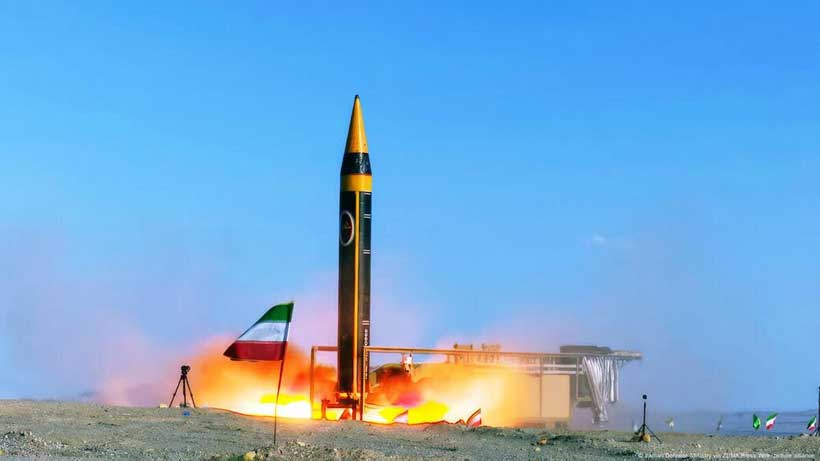
As the U.S.–Israeli war with Iran enters its third week, questions are mounting about whether Israel’s advanced air defence systems can sustain the pace of interceptions required to repel Iran’s escalating missile and drone attacks.
The Israel Defense Forces (IDF) and Israeli officials have publicly denied reports that the country is running short of missile interceptors. Still, Israel’s government approved roughly $826 million in emergency defence procurement over the weekend, suggesting authorities are moving quickly to replenish critical military supplies.
Because Israel does not disclose the size of its interceptor stockpiles, the true state of its air defences remains difficult to assess. But the possibility that prolonged attacks could strain Israel’s defensive systems was widely anticipated before the latest conflict began.
A multi-layered missile shield
Israel operates one of the world’s most sophisticated integrated air defence networks, designed to intercept threats ranging from rockets and drones to long-range ballistic missiles.
At the lowest layer is the well-known Iron Dome system, which intercepts short-range rockets and artillery shells. Above that sit more advanced systems such as David’s Sling and the Arrow missile defense system, which are designed to counter cruise missiles and long-range ballistic missiles.
Israel has also begun deploying the experimental Iron Beam laser defence system, which can destroy drones and some missiles using directed energy. However, the system is still limited in scale and has not yet replaced traditional missile interceptors.
Despite their technological differences, these systems rely on three key components: radar networks that detect incoming threats, trained personnel who operate the batteries, and the interceptors themselves surface-to-air missiles designed to destroy hostile projectiles mid-flight.
Interceptors are expensive and finite
Ballistic-missile interceptors are among the most sophisticated and costly weapons in modern arsenals. Their complexity and price mean they are produced in relatively limited numbers.
In many cases, multiple interceptors must be fired to guarantee that a single incoming missile is destroyed. During large-scale attacks, this “shoot-look-shoot” doctrine can quickly consume available stocks.
That dynamic has become increasingly relevant as Iran intensifies its retaliatory strikes. Since the war began, Iran has reportedly launched more than 500 missiles and roughly 2,000 drones toward Israel and allied targets in the region.
Stockpiles already strained by previous conflict
Israel’s missile defence stocks were already under pressure following the brief but intense war with Iran the previous year.
Analysts estimate that Israeli and U.S. forces intercepted 273 of 322 Iranian missiles during that confrontation an interception rate of roughly 85%. The large number of interceptors used during that campaign means stockpiles may not have been fully replenished before the current war began.
One sign of strain is the reported redeployment of the Terminal High Altitude Area Defense from South Korea to the Middle East. Moving the system suggests the United States may need to take on a larger share of the region’s missile defence burden.
Iran’s strategy: overwhelm the defences
Iran’s attack strategy appears designed to stretch Israel’s air defences to their limits.
Ballistic missiles travel at extremely high speeds and altitudes, making them difficult to intercept. Some Iranian missiles are reportedly equipped with cluster munitions, which release multiple sub-munitions and complicate interception efforts.
At the same time, Iran is deploying large numbers of relatively cheap drones. These systems are far less expensive than the missiles used to shoot them down, creating an economic imbalance that favours the attacker.
Iranian drones can also be launched from dispersed sites, making them harder to destroy before launch. Israeli fighter jets have successfully intercepted many of them, but the air-to-air missiles used for these missions are themselves costly.
Regional defences also under pressure
Israel is not the only country facing the strain of sustained missile defence operations. Several Persian Gulf states have also been targeted by Iranian strikes during the conflict.
Reports indicate that Iran has attempted to degrade regional air defences by striking radar installations across the Gulf. Damage to these early-warning systems can significantly reduce interception effectiveness.
How long can the war continue?
It remains unclear how long either side can maintain the current intensity of attacks.
Israel and the United States clearly possess large but finite stocks of interceptors. Iran, meanwhile, also faces limits on its missile and drone inventories.
Some analysts speculate that Iran could be conserving more advanced missile technologies for later phases of the war. However, there is little concrete evidence to support this claim, and delaying their use would carry risks if Iran’s existing arsenal were depleted first.
Analysis: A war of endurance and economics
Missile defence is not only a technological contest but also an economic one. Defensive systems must intercept nearly every incoming threat to protect cities and infrastructure, while attackers need only a few successful strikes to inflict damage.
This asymmetry means that sustained bombardment can gradually shift the balance in favour of the attacker. Even if Israel maintains a high interception rate, the cost of each defensive missile—often hundreds of thousands or even millions of dollars can accumulate rapidly.
Iran’s strategy appears aimed at exploiting this imbalance by combining relatively cheap drones with more sophisticated ballistic missiles, forcing Israel and the United States to expend expensive interceptors at a steady pace.
Ultimately, the duration of the conflict may depend less on military capability than on political calculations. Israel and the United States are unlikely to risk a major ground invasion of Iran, while Tehran may be willing to endure a prolonged confrontation to raise the economic and strategic costs for its adversaries.
If that dynamic continues, the war could evolve into a prolonged battle of endurance one in which missile stockpiles, economic resilience and political will become as decisive as battlefield victories.
With information from Reuters.