
Recent public health emergencies—including the COVID-19 pandemic, recurrent zoonotic disease outbreaks, and the high level of antimicrobial resistance—have underscored the urgent need for strong, multisectoral field epidemiology capacities. This reinforces the importance of a workforce equipped with One Health field epidemiology competencies. To address this need, WHO works with the Food and Agriculture Organization of the United Nations (FAO), the United Nations Environment Programme (UNEP), and the World Organisation for Animal Health (WOAH), as part of Quadripartite Alliance for One Health, to strengthen field epidemiology training programmes using a One Health approach.
These efforts are aligned with WHO SEARO’s Strategic Framework for Action for Strengthening Surveillance, Risk Assessment and Field Epidemiology and the Regional Roadmap to Advance Field Epidemiology Capacities 2025–2029 emphasize workforce development, multisectoral collaboration, and enhanced preparedness for health emergencies. With funding from the Pandemic Fund, The Competency for One Health Field Epidemiology (COHFE) integration within Field Epidemiology Training Programmes (FETPs) or similar initiatives has been initiated in Bangladesh and India and is planned in Sri Lanka.
Bangladesh
In Bangladesh, COHFE is being adapted to strengthen the Field Epidemiology Training Programme, Bangladesh (FETP-B) Advanced programme. Initiated in July 2025 and led by the Institute of Epidemiology, Disease Control and Research (IEDCR), the process brought together stakeholders from human, animal, and environmental health sectors, academia, and laboratories.
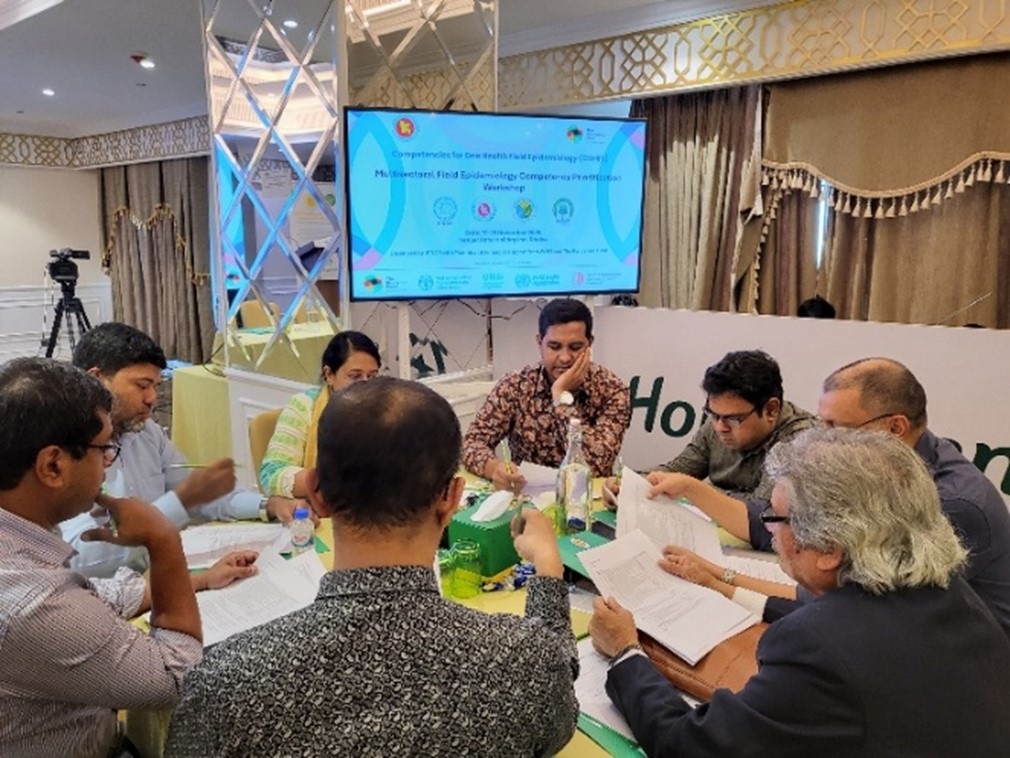
A Multisectoral Working Group (MWG) was established to guide implementation, conduct readiness assessments, and identify opportunities to institutionalize One Health collaboration. Through national multisectoral consultations and a competency prioritization workshop held in Dhaka in November 2025, stakeholders identified priority technical competencies for surveillance, outbreak investigation, data analysis, and risk assessment, alongside functional competencies related to leadership, coordination, and the laboratory–epidemiology interface. The process also surfaced systemic barriers—such as challenges in data sharing and limited joint investigations—enabling targeted recommendations. These outcomes are guiding curriculum revision, the introduction of One Health simulations and joint field exercises, and the development of a national multisectoral mentorship pool, with updated training materials expected to be implemented in the upcoming cohort.
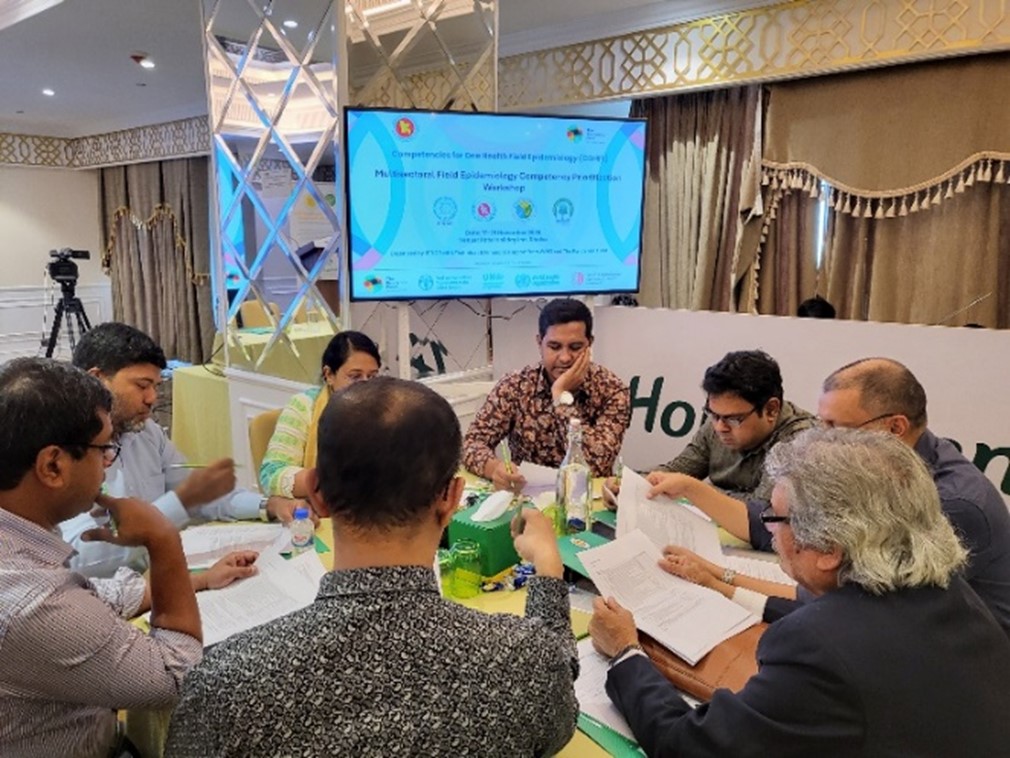
Figure 1. Competency prioritization involving multisectoral stakeholders
“COHFE represents a significant step forward in operationalizing the One Health approach. The collaboration between national institutions and the Quadripartite partners is critical for building resilient systems to address complex health challenges in the region.”, Prof. (Dr) Tahmina Sirin, Director, Institute of Epidemiology, Disease Control and Research (IEDCR), Bangladesh.
Aligning India’s One Health Training with COHFE
In India, the National Centre for Disease Control (NCDC) has strengthened One Health workforce development through its SectorConnect initiative. WHO supported a comprehensive competency mapping and curriculum review to align the Field Epidemiology Programme in One Health (FEP-OH) with all 14 COHFE domains. The review identified strong foundations while generating actionable recommendations to strengthen One Health learning outcomes, expand joint field-based learning, and enhance competency-based assessment. These improvements are informing programme refinement and phased scale-up across additional states.
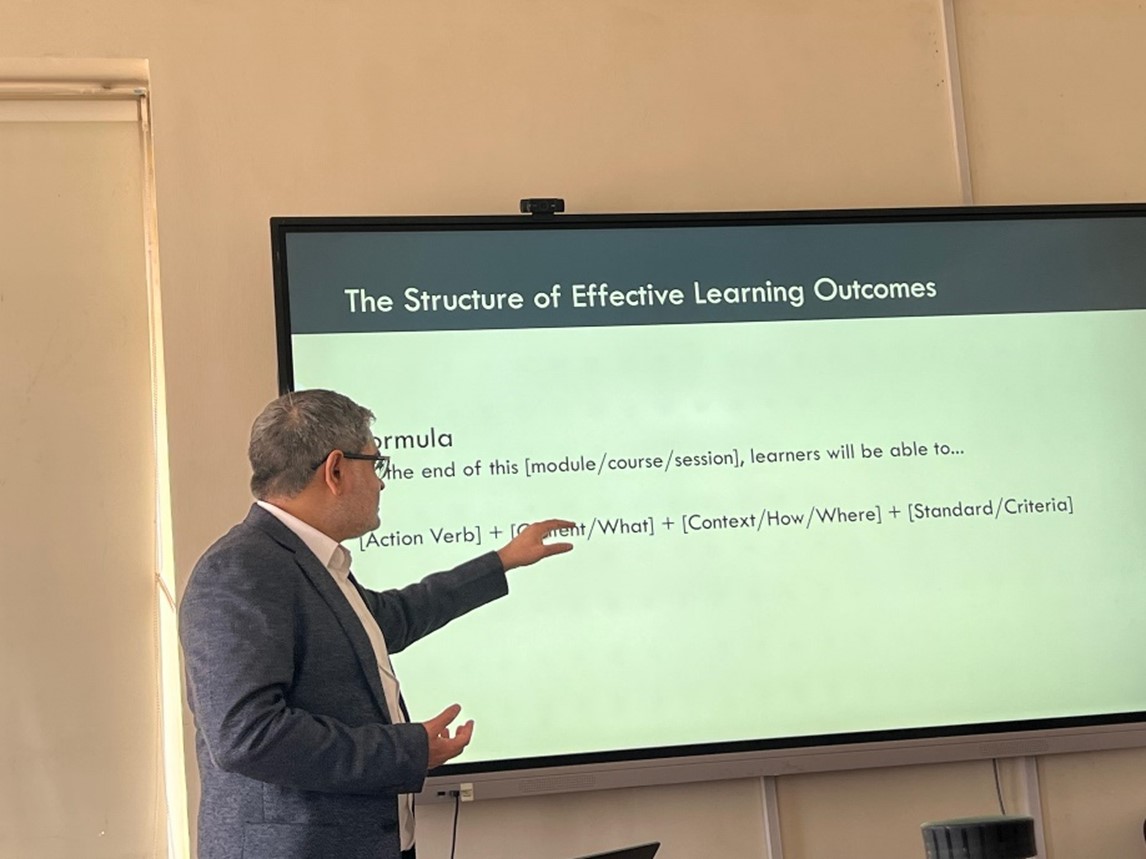
Figure 2. Strengthening learning outcomes for the SectorConnect FEP OH Curriculum
Through these efforts, WHO SEARO will continue to support countries to move from separate sector-based training toward an integrated, impact-driven One Health field epidemiology workforce capable of addressing complex health threats at human-animal-environment interface.
References
Food and Agriculture Organization of the United Nations, World Health Organization, & World Organisation for Animal Health. (2024). Competencies for One Health field epidemiology (COHFE) framework. https://www.who.int/publications/i/item/9789240080058
World Health Organization. (2023). Strategic framework for action for strengthening surveillance, risk assessment and field epidemiology for health security threats in the WHO South-East Asia Region. WHO Regional Office for South-East Asia. https://www.who.int/publications/i/item/9789290210030
World Health Organization. (2024). Regional roadmap to advance field epidemiology capacities in the WHO South-East Asia Region 2025–2029. WHO Regional Office for South-East Asia. https://www.who.int/publications/i/item/9789290229544