
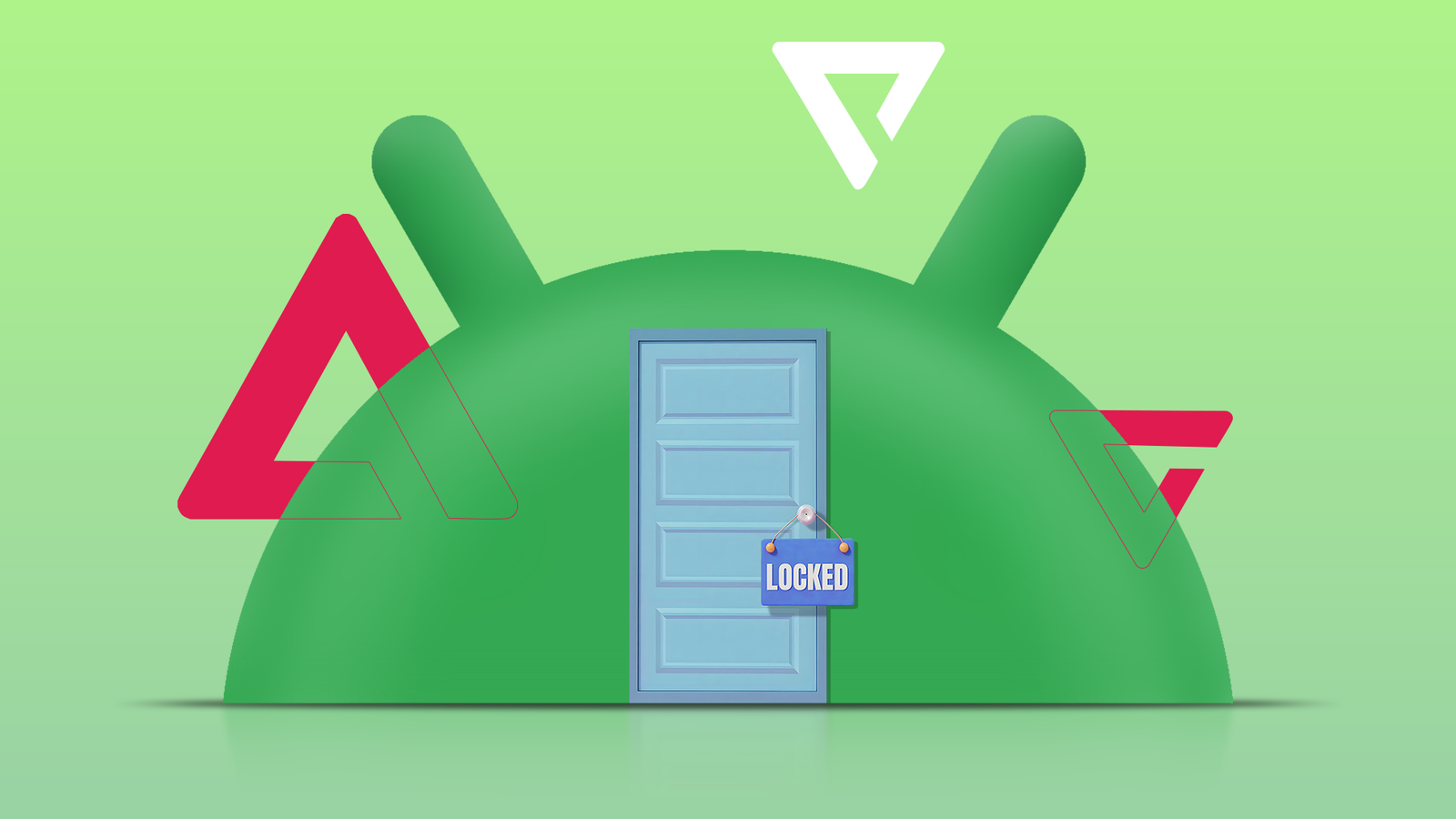
When you think of Android, what comes to mind? For us, the word “freedom” is right at the top of the list.
Android is an open source operating system, and part of a vast open platform.
Historically, the various Android phones on the market let you do pretty much whatever you want. As long as you accept the risks.
Now, Android has been slowly changing to become more restrictive. Both the people who create apps and those of us who use them have fewer options when it comes to how we use our phones.
It’s subtle, and not always headline news, but the Android you know and love is slowly disappearing.
Related
Android 17 is shaping up to fix the biggest problem with foldables
Folding phones need a software rethink
Developer identities need verification even outside the Play Store
It’s gatekeeping in the name of security
Most people install apps on their Android devices using the Google Play Store, but it’s never been strictly necessary.
Unlike iOS, where you have to “jailbreak” your device, on Android you’ve been free to “sideload” any apps you like. Android devices are more like PCs in this way.
Someone developing an app could publish it anywhere they liked. It could be on GitHub, their own app store, or even an alternative app store.
As of 2026, that’s going to become much harder to do. Google now has a developer verification program. As per the program’s web page:
Starting in September 2026, Android will require all apps to be registered by verified developers in order to be installed on certified Android devices.
This is being phased in by region, with a full rollout during 2027.
This means that even if you distribute apps outside the Play Store, you still need to verify your identity with Google as a developer.
Google says it wants to do this for security reasons and to reduce the incidence of malware.
However, the side effect is that Google is now the arbiter of which apps can run on Android even when those apps fall completely outside its own store.
This decision has led to the creation of the Keep Android Open campaign, which is well worth a visit for a detailed unpacking of why this is a major issue.
Sideloading is dead for all intents and purposes
Might as well get an iPhone now
Google has responded to this backlash in a blog post stating:
On the surface, this sounds encouraging, but in practice it is likely that sideloading unverified apps will have so many hoops to jump through that almost no one will do it.
We don’t think most developers will go through the verification process Google demands.
Which means that although Android will allow sideloading on paper, in practice it’s probably dead unless Google changes its mind.
Play Store Requirements are controlling what content you’re allowed to see
A sneaky form of control
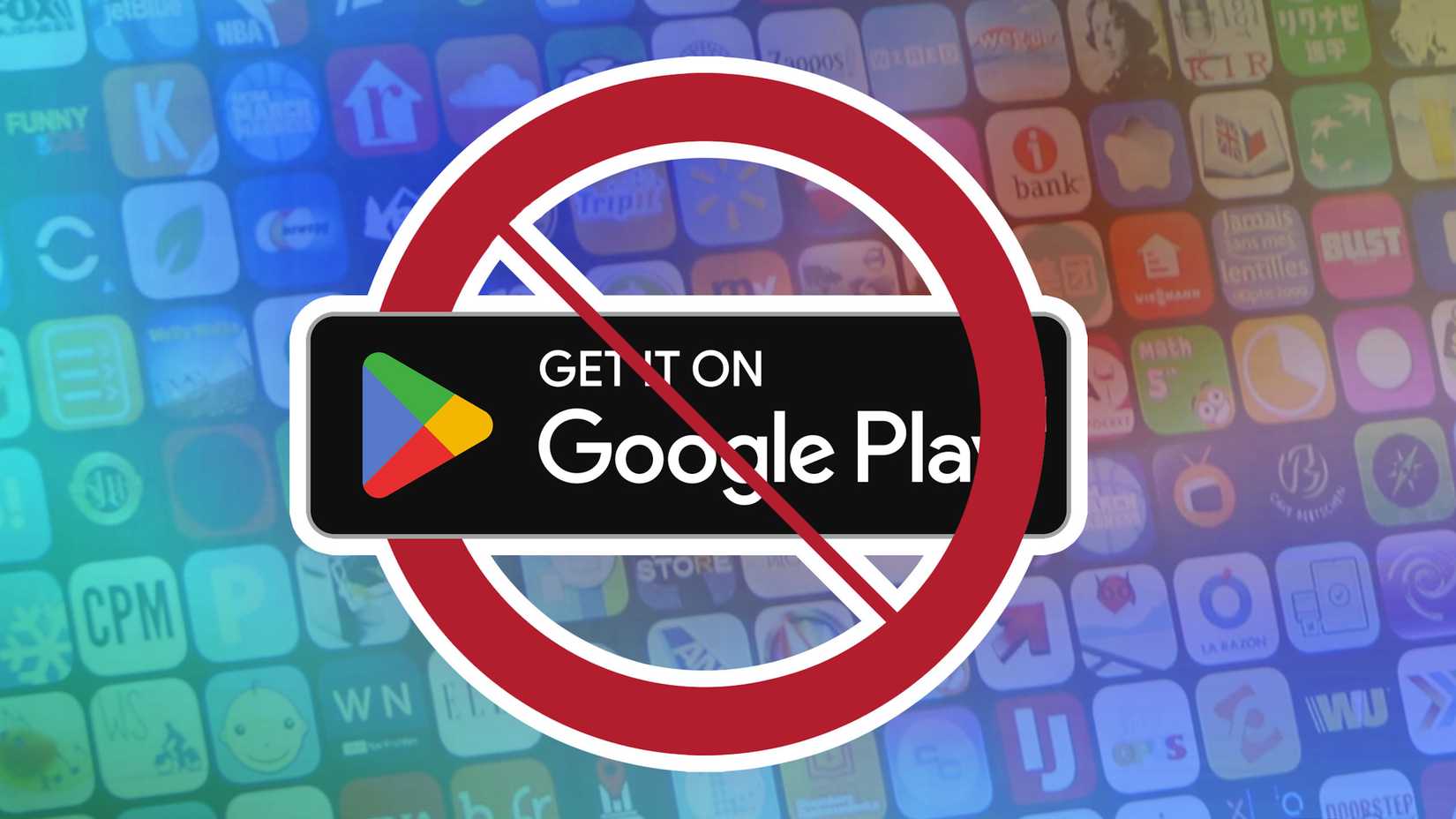
In November 2025, the ACLU published a blog post titled Your Smartphone, Their Rules: How App Stores Enable Corporate-Government Censorship.
In it, the organization points out that Google (and Apple) have app-store rules that control what sort of content an app can have.
This includes to some extent what politics can be in things like video games, or rules that enable the removal of apps the government doesn’t like, even if that app doesn’t violate any laws.
That the app store has rules isn’t new, and certainly a private company is within its rights to censor content on its platform.
However, when you combine these “safeguards” with the effective end of sideloading, it becomes a real problem.
While it’s not explicitly stated, we can envision a future where developers are denied verification along the same lines as the current Play Store rules, effectively becoming domain expansion for Google beyond the Play Store, and preventing apps from making it onto certified Android devices.
You get punished for custom firmware
Who owns this phone anyway?
Losing the ability to install the software you want on your Android phone is bad enough, but have you noticed that no one really talks about custom firmware anymore?
This used to be a major part of Android culture.
Although it was a fairly small group of power users who replaced the factory firmware, the rest of us were impressed with how those phones gained cool new features and lost their bloat.
You can still install custom firmware like GrapheneOS or LineageOS, but you rarely see or hear about people doing this outside of those specific communities.
One major reason is that integrity checks from the Play Store can detect if you are on custom firmware or if that phone has ever been on custom firmware.
Some apps, like banking apps, will simply refuse to run on that device.
There’s an arms race between Google and phone makers on one side, and modders on the other to defeat these checks.
However, most people would not want the potential downsides that come with custom ROMs as a result of this ongoing battle.
Nothing stays the same forever, but Android’s core character has always been one of openness and freedom.
Seeing walls go up around the garden, it feels like perhaps this was just a long-term bait and switch.