
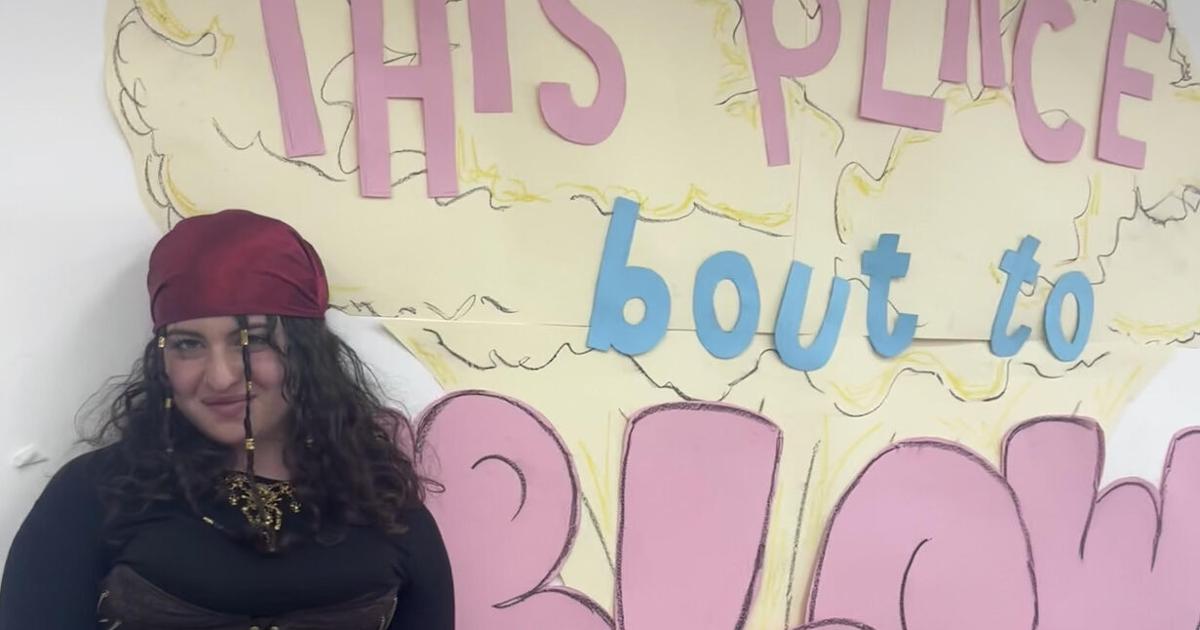
A Young Judea student describes life in Jerusalem during the war, where emergency alerts and everyday moments exist side by side.
I’m spending this year in Jerusalem on the Young Judea Year Course gap year program. Like many students living in Israel right now, life can switch quickly between normal daily routines and emergency sirens. The week leading up to Purim was a powerful reminder that both realities can exist at the same time.
Friday Night
We had a free Shabbat this week on my program. A free Shabbat means that while I’m living on the Machon campus in Jerusalem, I get to decide where to spend the weekend.
I had Shabbat dinner on campus and then planned to go to a tisch (a gathering for sharing Torah and singing) with some friends who are studying at Pardes.
Earlier that day, our madrichim told us to keep our phones with us at all times “just in case.” They had been saying that for weeks, so I didn’t think too much about it.
Where I live is one of the headquarters of the Jewish Agency, and it also functions as a hostel, so there are always different groups rotating through. That week it happened to be all the shinshinim who will be going to the United States and Canada next year. At Shabbat dinner I met some of the future shinshinim who will be coming to Detroit.
After dinner I went to the tisch, hung out with friends and went to sleep thinking I might sleep in the next morning or maybe go to synagogue.
That plan didn’t last long.
Saturday Morning
At 8:16 a.m. my phone started blaring with an emergency alert. When I checked it, I realized the war had started.
I ran outside to get to the shelter.
The first time I ran there, I had a lot of anxiety. Would I get there in time? Would we actually be safe? Getting awoken by sirens didn’t help either.
But after a day or two, it strangely started to feel more routine. I stopped running because I knew exactly how long it took to get to the shelter. At one point I even filmed an Iron Dome interception overhead, which I made the mistake of sending to my parents.
The future Detroit shinshinim happened to be at a training for next year and were in the shelter with me. I was the first person they met from Detroit, so they asked me a ton of questions about home. It was oddly grounding to talk about Detroit while sitting together in a Jerusalem bomb shelter.
One thing that surprised me most was how quickly people returned to normal afterward. Five minutes after a siren, people were already back to hanging out, reading or playing volleyball.
Aside from running in and out of shelters throughout the day, things felt strangely normal. I played some volleyball, read a book and spent time with friends.
Life kept moving, and my biggest issue was whether there was time to shower between sirens.
The Days Before Purim
On Sunday, we got official news that the Megillah reading and Purim party I had helped plan for our program in Tel Aviv was canceled.
So my new plan for the day became figuring out how to organize a Megillah reading and Purim celebration on very short notice and with only about half the people still able to attend.
That night around 10 p.m., a friend texted me saying he had found readers for every chapter of the Megillah that still needed someone.
I went to sleep feeling hopeful that maybe we could still make Purim happen.
The next morning I woke up not to my alarm, but to another siren. But there was too much to do to worry about that for long.
Most of the day I was running around teaching people their Megillah sections, making decorations and helping organize our very last-minute celebration.
Purim
By the time Erev Purim arrived, despite the war and everything going on, it had somehow all come together.
We had readers for all 10 chapters of the Megillah.
We had a Purim party.
I had a great costume.
Most importantly, I had my friends with me.
On Purim morning we held another Megillah reading, followed by a seudah (festive meal) for lunch. Later we made mishloach manot and delivered them to a nearby assisted living facility.
It wasn’t the Purim I imagined celebrating when I came to Israel for my gap year.
But maybe that’s what made it more meaningful.
Despite the war, and despite not being able to leave campus, this Purim reminded me that even during difficult moments, people still find ways to celebrate, help others and stay together. Just like in the Purim story, we are stronger than we give ourselves credit for, and together we thrive.
Am Yisrael Chai.
The Detroit Jewish News has been supported by readers like you since 1942. Support independent, local, Jewish journalism with a donation today.