
During the period spanning 2021 to 2026, 10 suspected cases of human rabies were investigated IN Argentina; of these, one was a confirmed case, recorded in the province of Buenos Aires in 2021. The remaining cases yielded negative laboratory results for the disease and involved residents of the Autonomous City of Buenos Aires (three cases), the province of Buenos Aires (five cases), and the province of Santa Fe (one case).
The sole confirmed case of human rabies recorded during this period occurred during Epidemiological Week 18 of 2021 in Coronel Suárez, province of Buenos Aires, and resulted in a fatal outcome. The case was confirmed by the National Institute of Infectious Diseases / National Administration of Laboratories and Health Institutes “Dr. Carlos Gregorio Malbrán,” identifying antigenic variant 4 (the reservoir for which is the *Tadarida brasiliensis* bat).
For the current year—up to Epidemiological Week 9—there have been no suspected or confirmed cases of human rabies.
Between 2021 and 2025, a total of 803 confirmed cases of animal rabies were reported in Argentina. The year with the highest number of cases was 2022, with 224 cases, while the lowest number was reported in 2024, with 127 cases. The national trend shows fluctuating reporting, with a median of 135 cases per year.
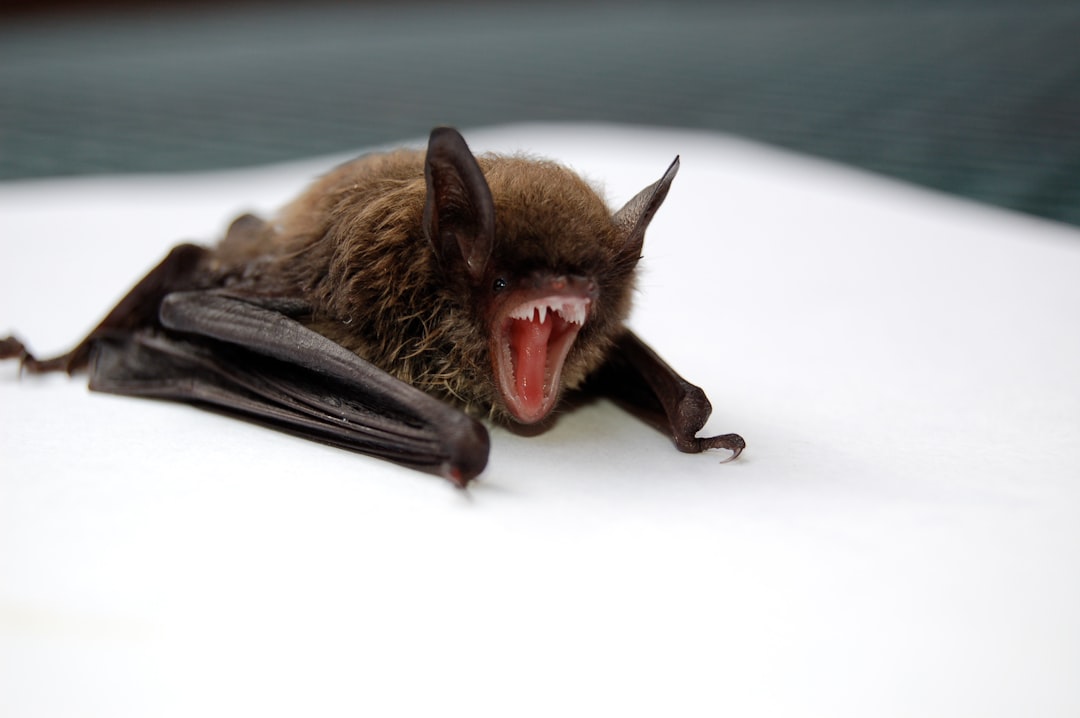
Regarding animal species infected with rabies, the highest number of detections occurred in non-hematophagous (insectivorous) bats—primarily in the Autonomous City of Buenos Aires (45) and the provinces of Buenos Aires (366), La Pampa (83), Santa Fe (32), and Córdoba (29)—followed by detections in cattle (paralytic rabies), mainly in Chaco (59) and Formosa (36), linked to the transmission cycle involving hematophagous bats (Desmodus rotundus).
With respect to companion animals, seven cases were reported in dogs across the provinces of Formosa (five), Buenos Aires (one), and Chaco (one); and six cases were reported in cats in Buenos Aires (five) and Córdoba (one).