
RALEIGH, N.C. (WTVD) — Fresh inflation data released Wednesday shows wholesale prices climbed 3.4% last month compared to the same time last year. It’s the biggest jump in more than a year, and economists warn that American families should expect continued financial pressure in the months ahead.
“If the war continues, but the oil tankers are allowed to flow through the Strait of Hormuz, then everything can go more or less back to normal. The question is when is that going to happen,” said Duke University economist and professor Connel Fullenkamp.
Groceries have been the hardest-hit category, with vegetable prices surging nearly 50% in a single month. Fruit prices saw a 10% jump. And according to the report, all of those increases occurred before the U.S.-Iran war sent energy prices shooting even higher.
The markets kind of expect this to be a temporary thing. But we’re going to have to live with it for a little bit yet.
– Connel Fullenkamp. Duke University economist and professor
Fullenkamp doubled down and said the war and the blockage of the Strait of Hormuz, a critical oil and shipping passage in the Middle East, remain at the center of the problem.
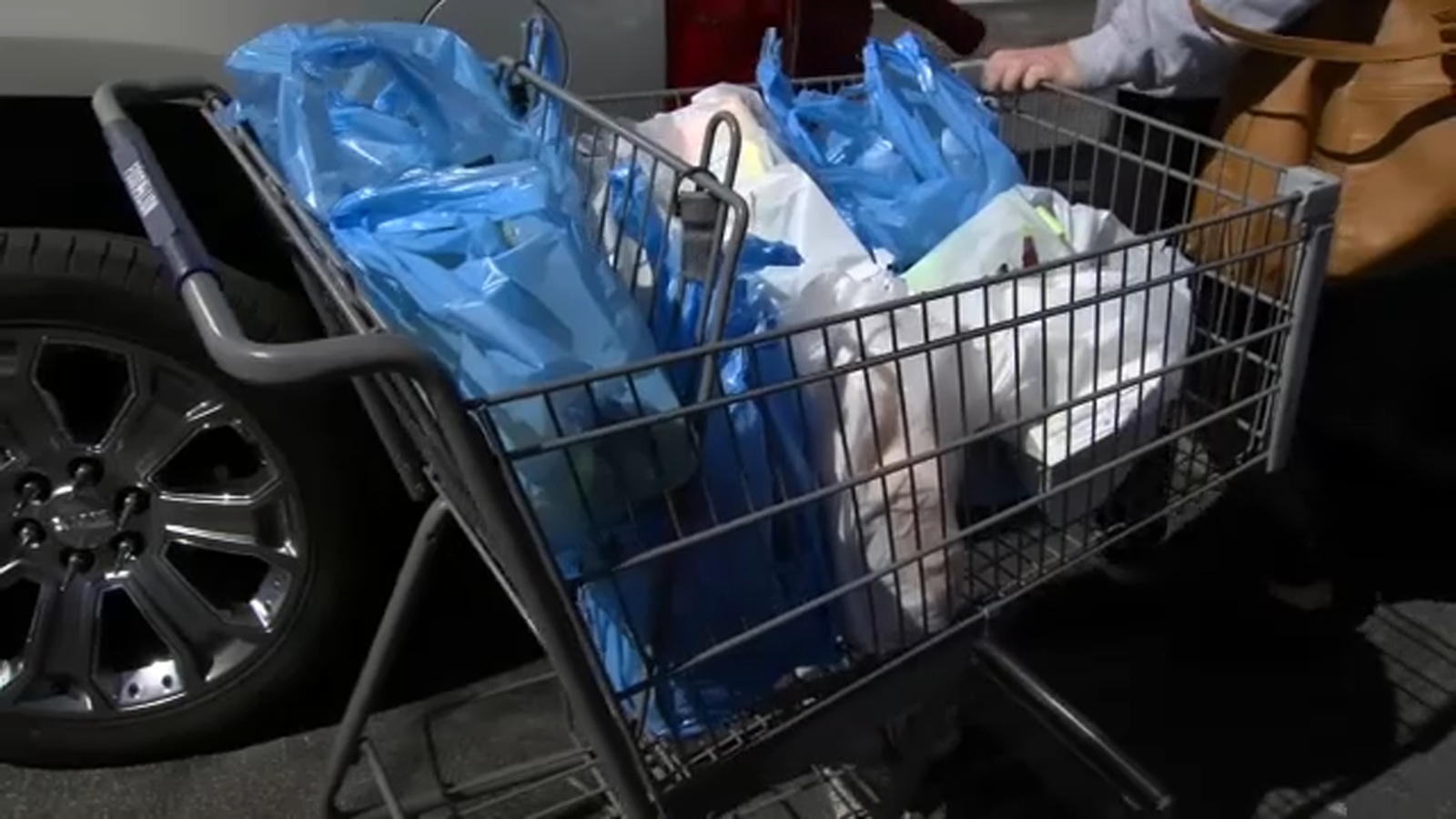
When it costs businesses more to ship and receive products, those costs get passed directly to consumers at the checkout line. On Wednesday, shoppers said they are already living with the consequences of the war and the Hormuz blockage.
“I think we spent like $120 today,” said Cassie Rodriguez, a Wake County mother of two.
“Basically, all prices are high, including gas and food. So you have to just re-budget yourself, and hopefully the whole situation gets better,” said shopper J.R. Richardson.
Rodriguez went on to say that relying on ways to save money has become increasingly difficult.
“The coupons have kind of been a lot less than normal,” she said. “Sam’s Club doesn’t take coupons. Costco doesn’t typically do coupons. So it is kind of hard. It’s been harder to do the coupons as the prices have gone up.”
Fullenkamp offered a perspective noting that not much will change until the conflict in the Middle East tempers.
“We’re kind of at the point, I think, for a lot of households where we’ve all adapted as much as we can to rising prices, and there’s just not a whole lot more we can do without making serious cuts to our lifestyles. It ain’t good news, and there’s just no sugarcoating it,” he said.
He also cautioned that consumers should not expect immediate relief.
“The markets kind of expect this to be a temporary thing. But we’re going to have to live with it for a little bit yet,” he said.
The Federal Reserve, which met on Wednesday, announced it would hold its benchmark interest rate steady, a move that came as a widely expected decision. It means borrowing costs for mortgages, car loans, and credit cards will remain unchanged for now.
Copyright © 2026 WTVD-TV. All Rights Reserved.