
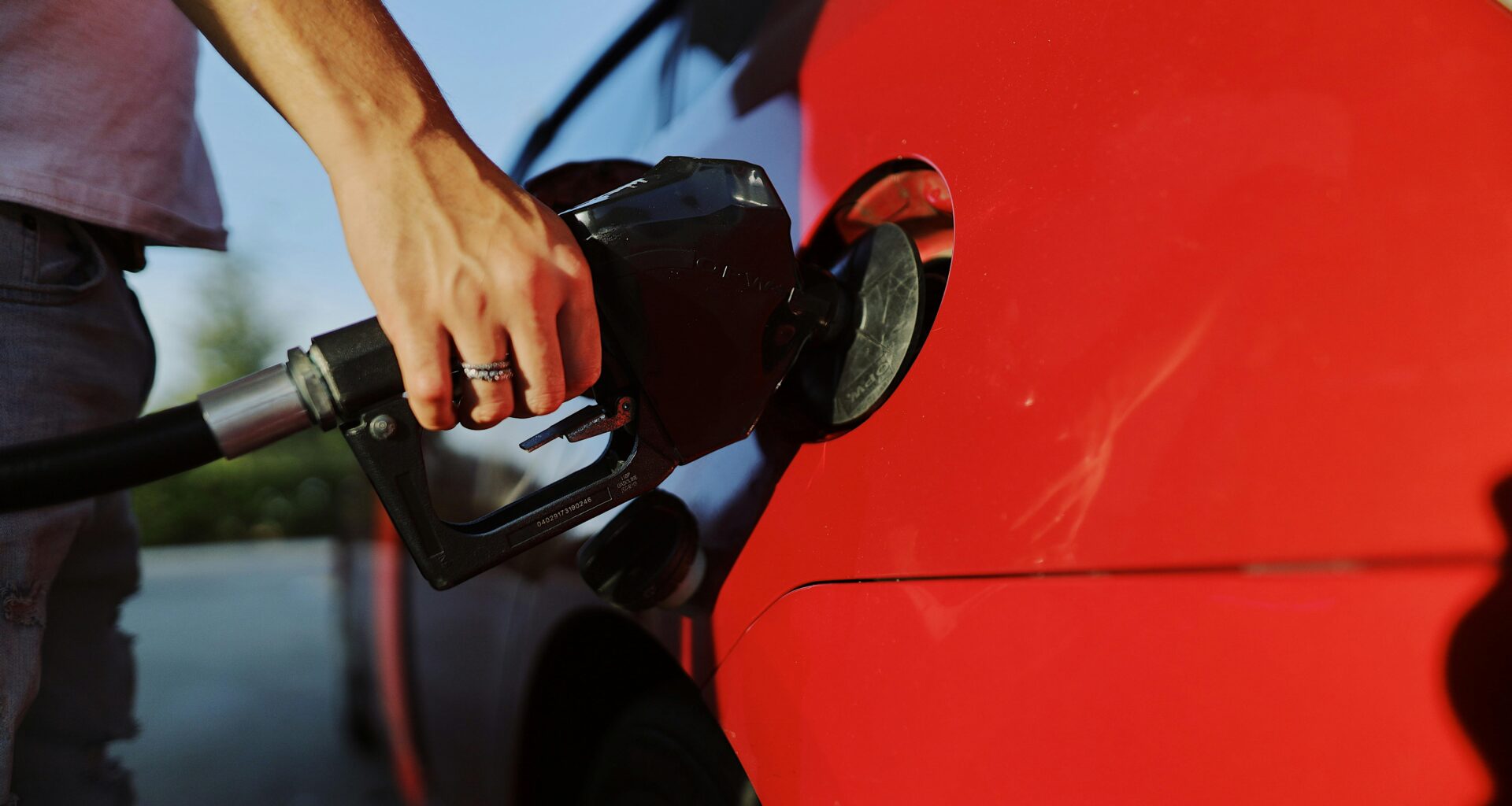
Sticker shock is hitting drivers as gas prices surge, with many Americans paying almost $1 more per gallon than just a month ago. The national average for regular gas climbed to $3.88 on March 19, according to AAA, its highest level in more than two years. Colorado matched the national average at $3.88.
CU Boulder Today sat down with Edward Van Wesep, professor and chair of the finance division at the Leeds School of Business, to break down how the escalating conflict in the Middle East is affecting global oil markets, U.S. gas and diesel prices, and what drivers can expect in the months ahead.
Gas prices have jumped recently, even though the U.S. is the world’s largest oil producer. What’s driving this?
The price of oil is set in the world market. If U.S. prices stayed low and they rose elsewhere, then U.S. producers would export and chase higher prices, and importers would divert oil elsewhere. Gasoline prices can be regional because it’s expensive to transport and not everyone lives close to a refinery, but they depend ultimately on the price of oil.
How do global conflicts, like the ongoing Iran war, influence what drivers pay at the pump?
Anything that disrupts the supply for oil will cause prices to rise. Iranian supplies are directly affected, and their apparent blockade of the Strait of Hormuz makes it more expensive to transport oil out of some middle eastern countries. A lower supply means a higher price for oil and therefore a higher price for anything refined from oil, like gasoline or jet fuel.
The U.S. both exports and imports oil. How does that affect domestic gas prices?
Oil independence means that the U.S., collectively, does not lose money when oil prices rise. In the not-too-distant past, high oil prices meant that we sent more money abroad and had less to spend here. Not anymore. However, there is still a shift within the U.S. at the expense of consumers and to the benefit of producers. There is an odd view that I’ve never understood that oil producers in the U.S. want high worldwide production of oil. That is not true. They want high prices. Events like this war are quite good for U.S. oil producers who get the benefit of high prices but don’t bear a burden of production disruptions.
Diesel prices are rising too. How does that impact everyday goods and household budgets?
Diesel is critical for shipping, construction and agriculture. The price of diesel isn’t as directly visible for consumers, but it affects prices indirectly by affecting production costs. If the war doesn’t last much longer, consumers may not notice these costs as they won’t necessarily be passed along. That remains to be seen.
Seasonal changes and refinery limitations seem to play a role. Can you explain how?
As long as refineries have room to ramp up production, the normal summer jump in driving shouldn’t overwhelm fuel supplies.
Oil prices are high because the supply of oil is lower, not because demand is higher, so I don’t expect capacity to be a problem.
Higher oil prices can encourage investment in alternatives like EVs and solar. Is that likely to have a noticeable effect soon?
It takes a long time for changes like a shift to EVs and solar/wind/renewable production to affect oil and gas prices. I don’t expect these to matter in the short run except to the extent that people are already shifting away from gas and oil. The U.S. is much less dependent economically on oil and gas than it was 40 years ago. That transition will continue, mostly because renewable generation is already cheaper than coal or even gas. Higher oil and gas prices, if they are expected to last for years, will encourage that transition but companies aren’t deciding on installing new wind power based on what will hopefully be a short war. Will households buy EVs? Maybe, if they were already on the fence. I know that we are driving our EV and plugging in the plug-in hybrid more religiously.
Looking ahead, what should drivers expect at the pump over the next few months?
I can’t predict gas prices better than markets, but if the Strait of Hormuz is mined, making tanker traffic unsafe, or blockaded for a significant time, that must translate to much higher prices. Attacks on production and distribution facilities for oil and gas will increase prices. I have seen estimates as high as $200 per barrel or more if there is a blockade for a month, but I do not personally have expertise in these predictions.
The critical question is how long the war will last. I hesitate to say it, but there is good evidence of insider trading at Polymarket and Kalshi, prediction markets that let users wager on future events. If there is a spike in betting that the war will end soon, I would take that as credible information and bet on a drop in prices at the pump.