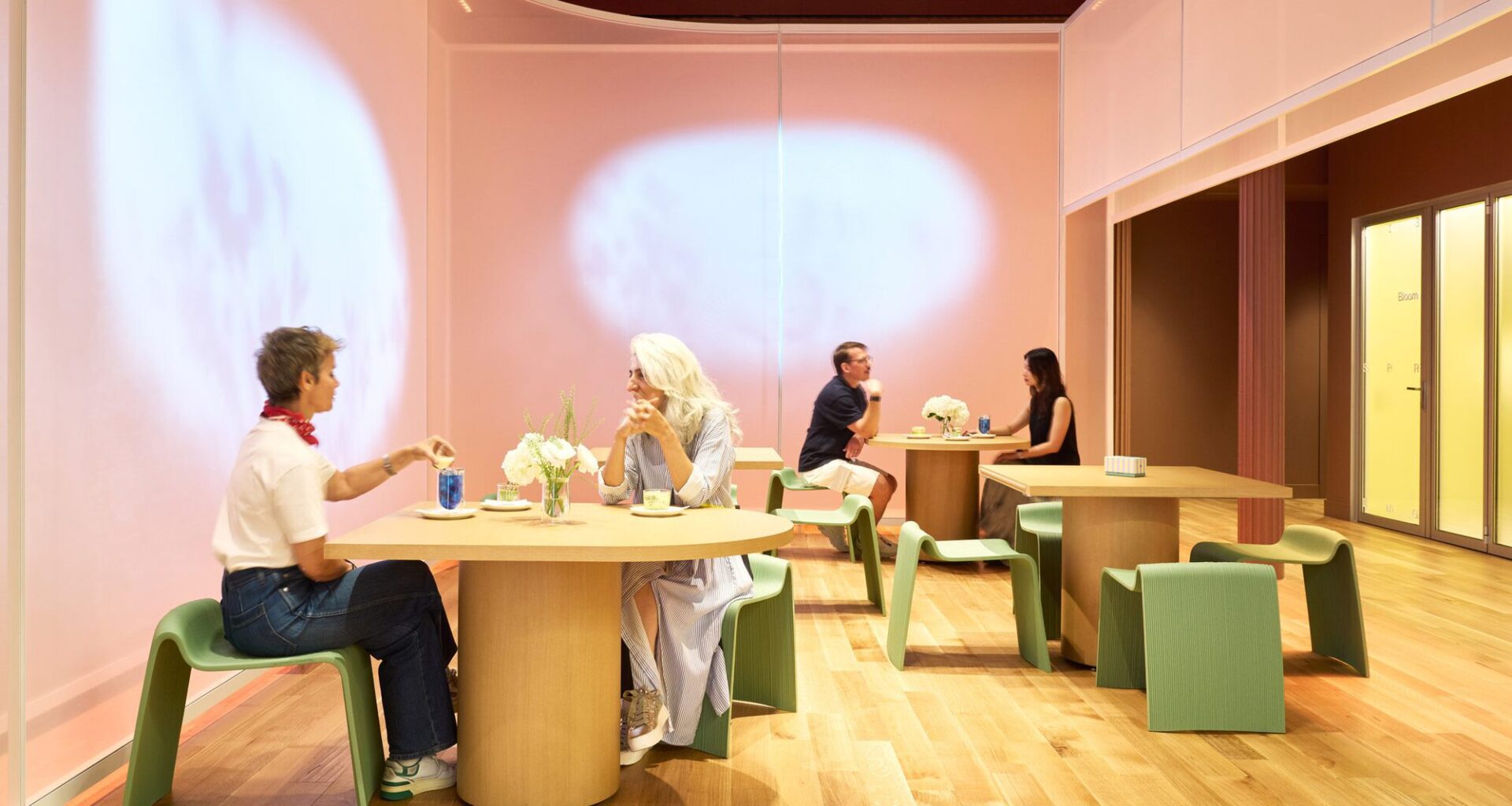
 113 Spring / Snøhetta. Image © Hanna Grankvist
Share
Or
https://www.archdaily.com/1039736/spaces-that-feel-back-how-buildings-respond-to-human-behavior
Buildings were always intended to solve a straightforward problem: shelter. Through form and material, they protected occupants from the weather and organized human activity. Modern architecture, along with evolving lifestyles, added new priorities — efficiency, density, structural innovation, and aesthetics. People now demand more from buildings. Occupants increasingly want environments that actively support how they live, work, and feel.
Wellness has become a central concern in modern times. Decades of research in environmental psychology and building science reveal that indoor conditions can profoundly affect human health and behavior. Lighting influences circadian rhythms and sleep patterns. Air quality impacts cognitive performance and respiratory health. Temperature and acoustics shape comfort and concentration.