
One aspect of the “affordability” crisis facing many Americans is the rising cost of electricity. According to the U.S. Energy Information Administration, electric rates measured by average retail revenues per kilowatt went up 7.1% in 2025 and are expected to continue rising in 2026. There is considerable variation across the country, though, as last year’s rates went up 26.3% in DC, 18.9% in Pennsylvania, and 16.3% in Rhode Island, with smaller increases in southern and western states.
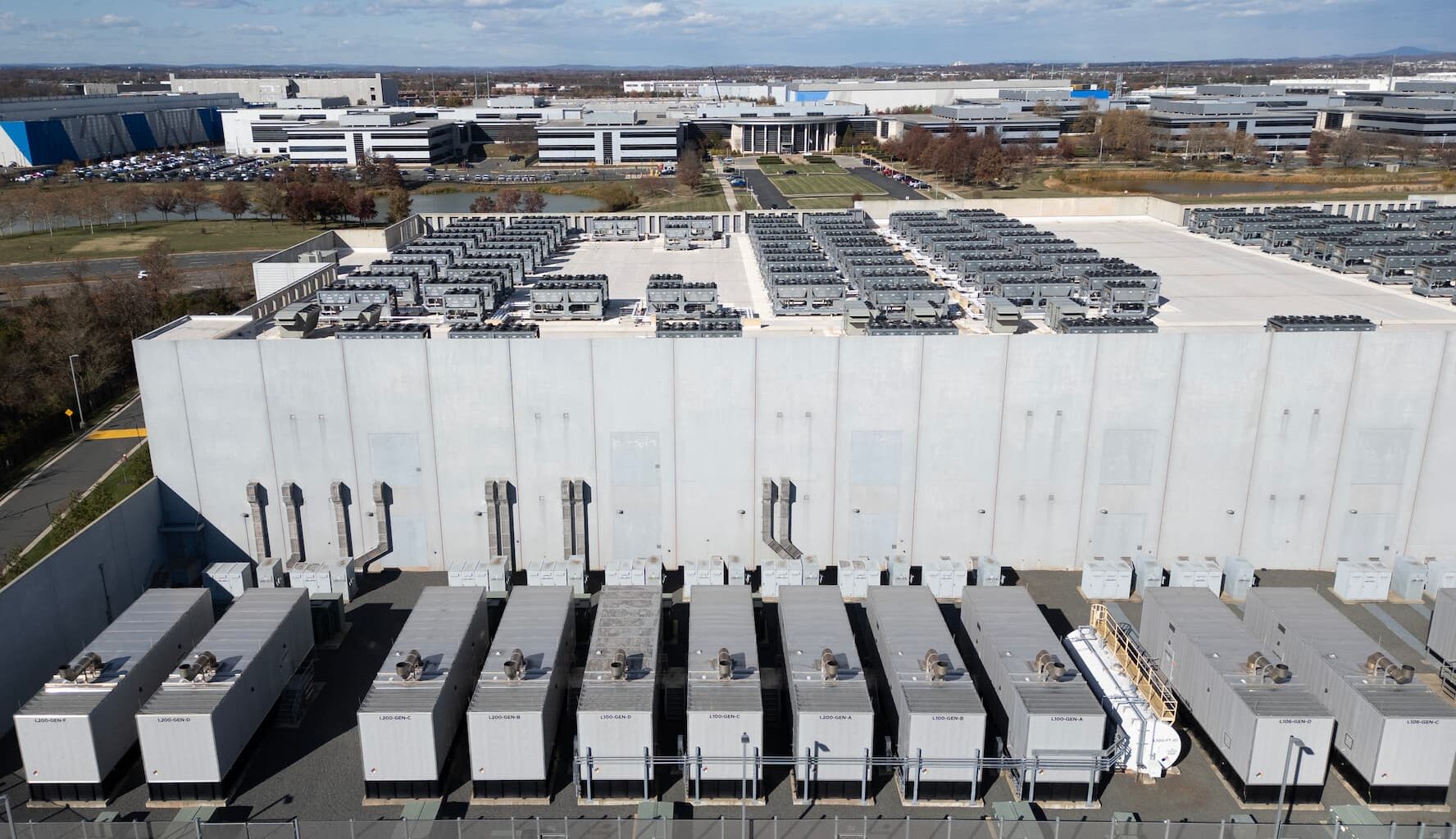
Many factors contribute to high electricity costs, including rising energy prices, infrastructure improvements, extreme weather, environmental mandates, and the energy-intensive development of data centers. Experts disagree on how to rank these variables; while some attribute greater responsibility to data centers, others claim that this is not the case.
Regardless of the underlying causes, the public remains deeply concerned about high electricity rates and views these increases as a major concern. A 2026 Politico national survey found that nearly half of Americans expect data center energy costs to be a campaign issue. A 2026 Pew Research Center poll, meanwhile, found that 38% of respondents claimed the overall data center impact on home energy costs was mostly bad, 10% felt it was neither good nor bad, 6% believed it was mostly good, and 21% were not sure.
There were party differences in these assessments, with 44% of Democrats and 33% of Republicans believing data centers were “mostly bad” for home energy expenses. In general, Republicans had more favorable views about data centers and saw them as valuable economic development vehicles and less damaging to the environment than Democrats did.
To deal with electric rate increases, a wide range of remedies is being debated. One of the more draconian stances is a moratorium on data center construction. In the New York legislature, there is a bill that would prohibit new data center construction for three years while leaders assess the risks. At the federal level, some members have suggested a “temporary pause” on data centers while their fiscal, energy, and environmental ramifications are evaluated.
Others are pushing data center developers to pay all the energy costs associated with data center construction and operations. For example, President Trump’s Ratepayer Protection Pledge asks companies to fully cover the energy costs associated with their data centers, and a number of large tech firms publicly agreed to take that pledge.
Some states are adopting “large load” tariffs that charge heavy energy users higher electric rates than residential consumers. Because facilities such as data centers and manufacturing plants require immense amounts of energy, regulators increasingly expect them to cover the specific infrastructure costs they trigger. State public utility commissions possess the formal authority to enact these higher rates.
Yet most candidates are focusing less on policy remedies than on lumping electricity increases with housing, food, and gasoline costs, labeling these distinct problems as a generalized “affordability” crisis. The difficulty with grouping so many issues, however, is that it becomes harder to educate the public about the particular steps needed to address various contributing forces. Because there are alternative ways to deal with housing, energy, and data center costs, candidates should explain their plans for each area.
In 2025, Democratic candidates gained considerable traction by expressing concern over high electricity rates and blaming data centers for the increases. Analysts in Virginia and New Jersey attributed Democratic victories to the tough stance gubernatorial candidates took against those facilities. Conservatives have joined the critique as well; Florida Governor Ron DeSantis supported an AI bill of rights to protect consumers from AI risks and shield them from the electricity costs of data centers.
We are already seeing 2026 candidates from both parties rail against rising rates, fixing responsibility on wealthy tech companies and the energy needs of their data centers. Electoral aspirants are leveraging public fears over artificial intelligence and a “techlash” against large digital firms to appeal to voters and propose tough legislation. The Virginia Senate, for instance, recently passed a budget bill that would remove a $1.6 billion tax break for data center equipment—just one sign of the shifting political climate for developers. Public concern over electricity costs will likely dominate this year’s campaign dialogue and could determine which candidates find success at the polls.