
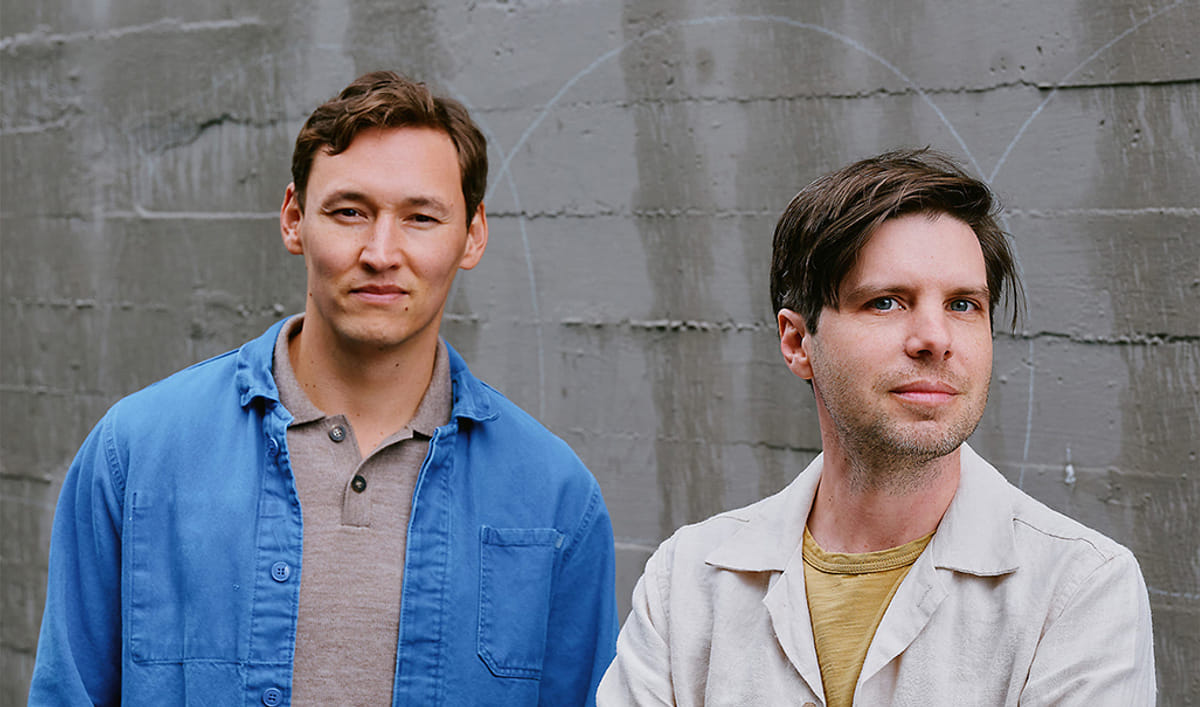
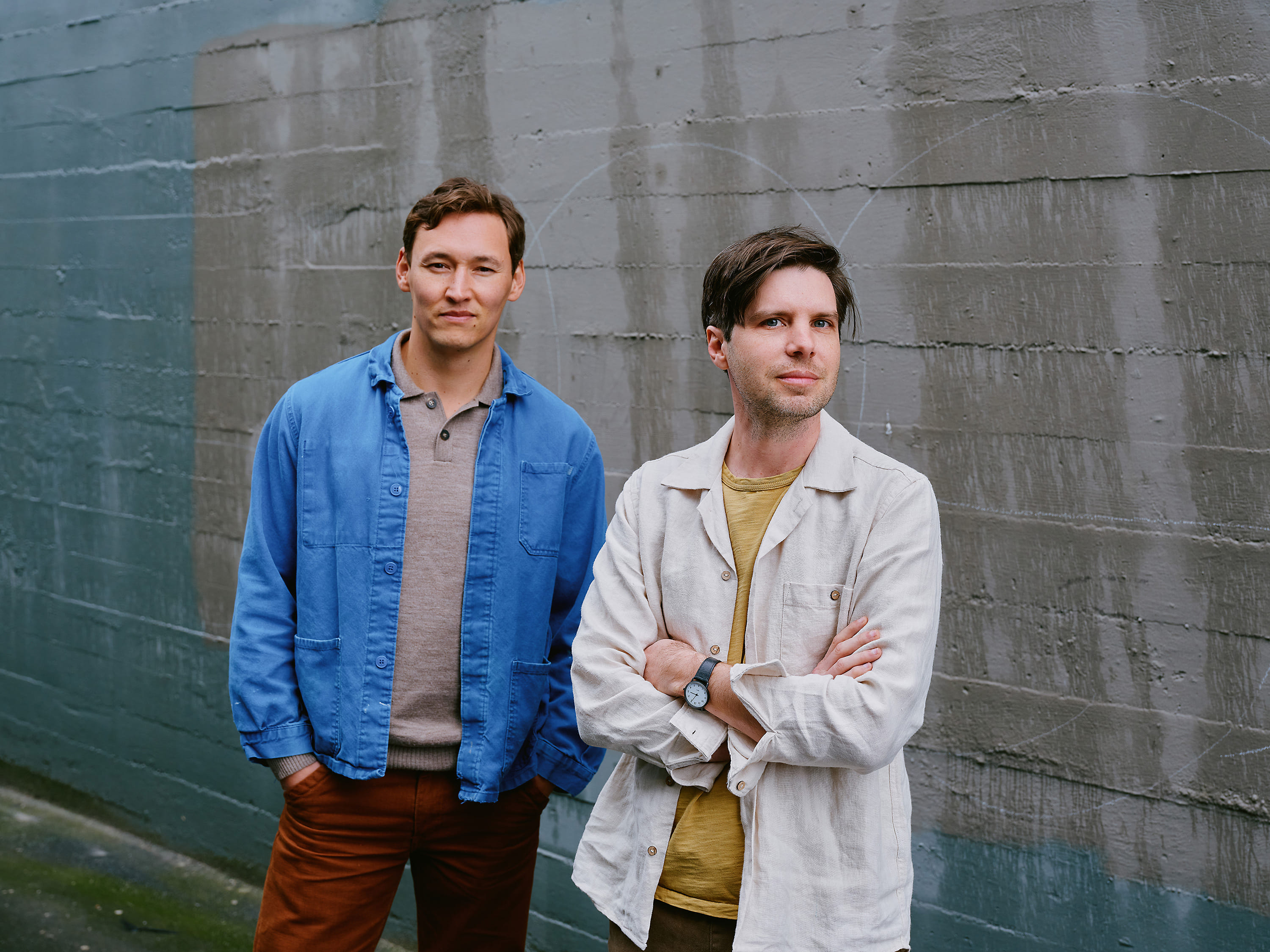
Obata Noblin Office founding partners Max Obata (left) and Tyler Noblin (right). Image courtesy of Obata Noblin Office.
In this episode of our Studio Snapshot series, Archinect connected with Obata Noblin Office (ONO). Founded in 2020 by Max Obata and Tyler Noblin, the San Francisco-based studio has quickly established a practice grounded in close collaboration, material sensitivity, and hands-on making.
In our conversation, Max Obata reflects on their process around modelmaking as a shared design language, navigating measured growth, and their approach to sourcing local materials.
Want to join Obata Noblin Office’s team? They’re currently hiring a Project Architect on Archinect Jobs!
Can you tell us how Obata Noblin Office was founded?
Obata Noblin Office was founded in San Francisco in January 2020 by us, Max Obata and Tyler Noblin. We knew each other from meeting on our first day at Snøhetta’s San Francisco studio in 2014 and quickly formed a close working relationship and friendship. Later, when I came across an opportunity for a project, I reached out to Tyler, and what began as a single commission and an experiment in working together became the seed of the practice. We quickly realized we were as interested in building a positive way of designing together as we were in delivering the first project.
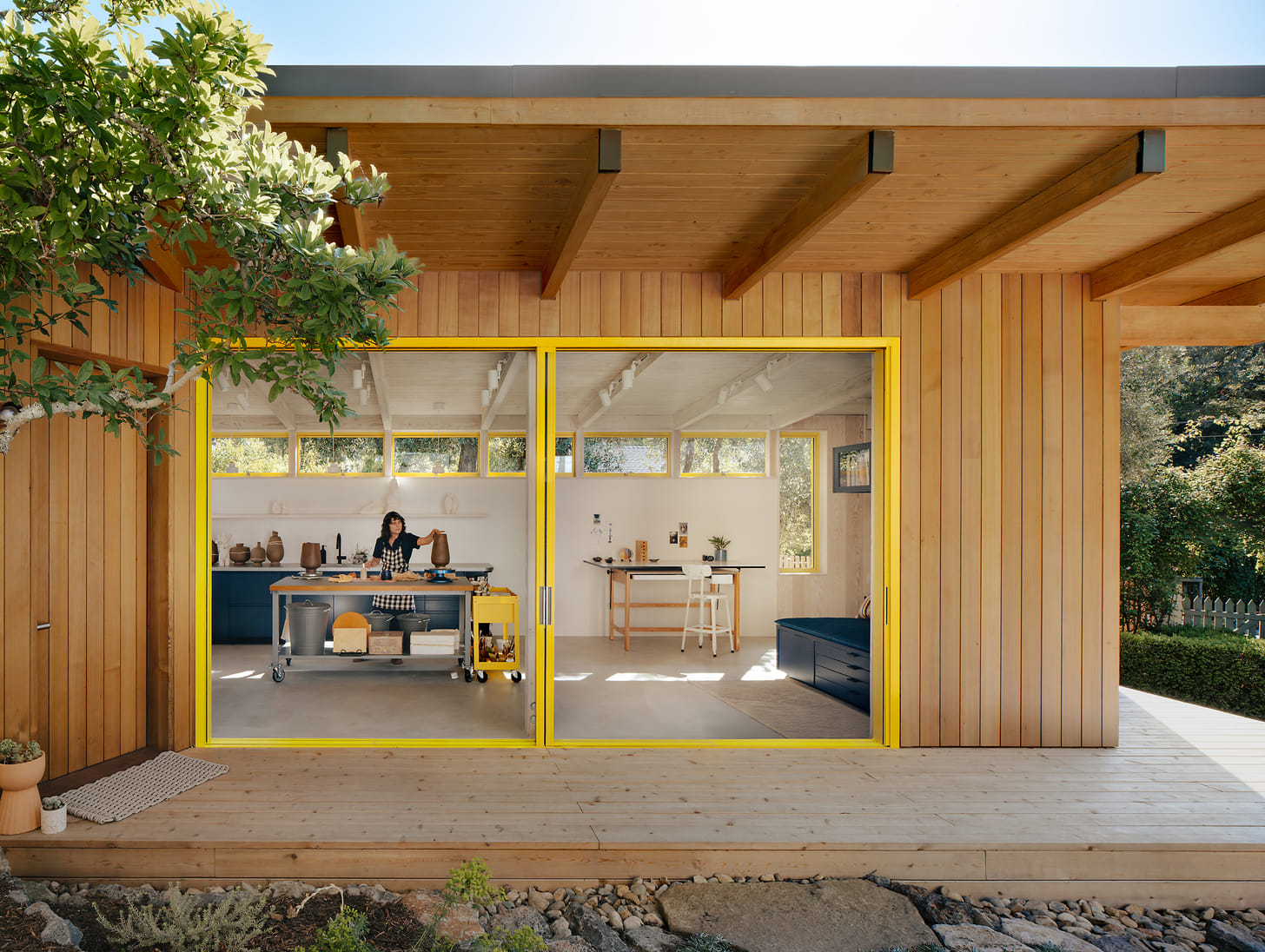
Two-Fold Studio in Fairfax, CA. Image courtesy of Obata Noblin Office.
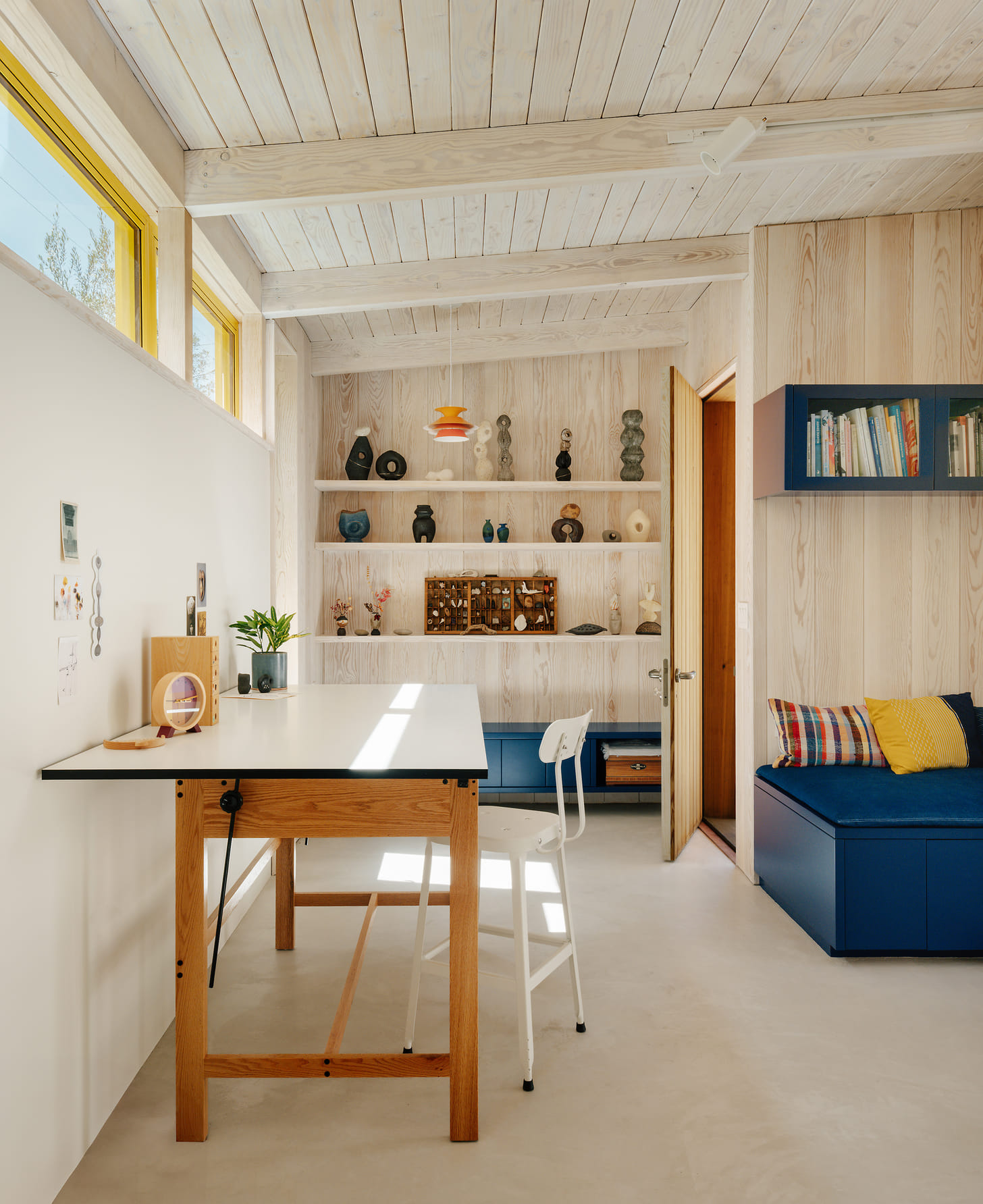
Two-Fold Studio in Fairfax, CA. Image courtesy of Obata Noblin Office.
How many people are currently employed at the firm? How is your office structured?
We currently have 16 people and are structured around close collaboration and active design dialogue. As co-founders, Tyler and I share a respect for a design process that relies on partnership, compromise, and collaborative sparring. We structure teams, projects, and meetings in ways that support fluid and open communication.
Modelmaking is a major part of our process as it externalizes ideas and creates a common language that is highly legible to everyone.
Modelmaking is a major part of our process as it externalizes ideas and creates a common language that is highly legible to everyone. Early on, we decided to build a serious model shop and dedicate full-time staff to it. We currently have two fantastic full-time modelmakers who work closely with designers and project architects on everything from quick massing studies to highly detailed section models.
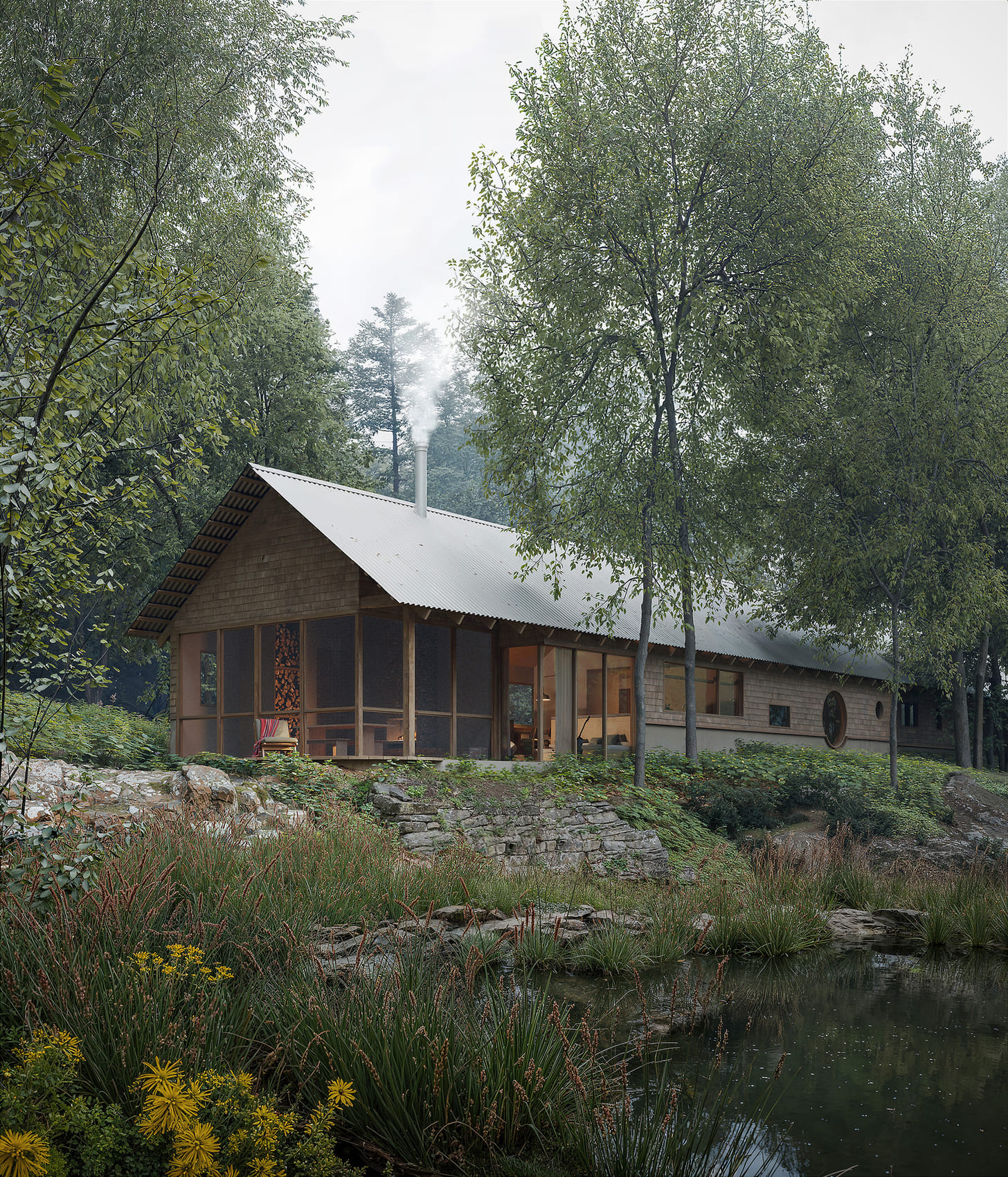
Water Farm in Sheffield, MA. Rendering: BS ARQ, courtesy of Obata Noblin Office.
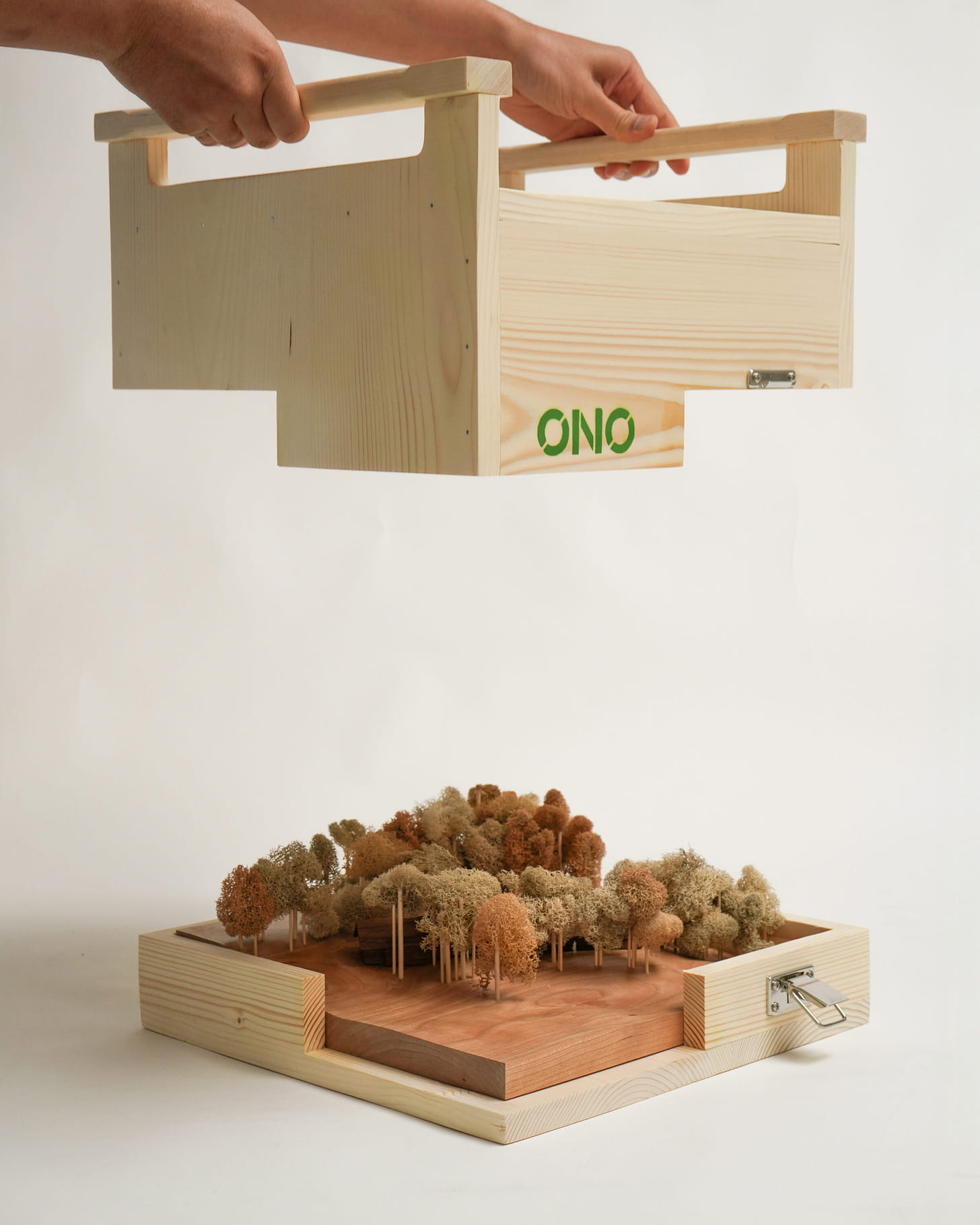
Water Farm in Sheffield, MA. Image courtesy of Obata Noblin Office.
Would you like to scale up and grow your team? What do you consider the ideal size for your practice?
Although we have grown steadily over the last several years, we are more interested in thoughtful, measured growth rather than rapid expansion. Maintaining design quality, close collaboration, and principal involvement in the work is the priority.
We do expect the studio to grow incrementally as project types diversify, particularly into hospitality and institutional work, but we are intentional about staying at a size where the work remains hands-on and cohesive. For now, the ideal size is somewhere in the 16 to 20 person range, where principal involvement and close collaboration remain real and tangible.
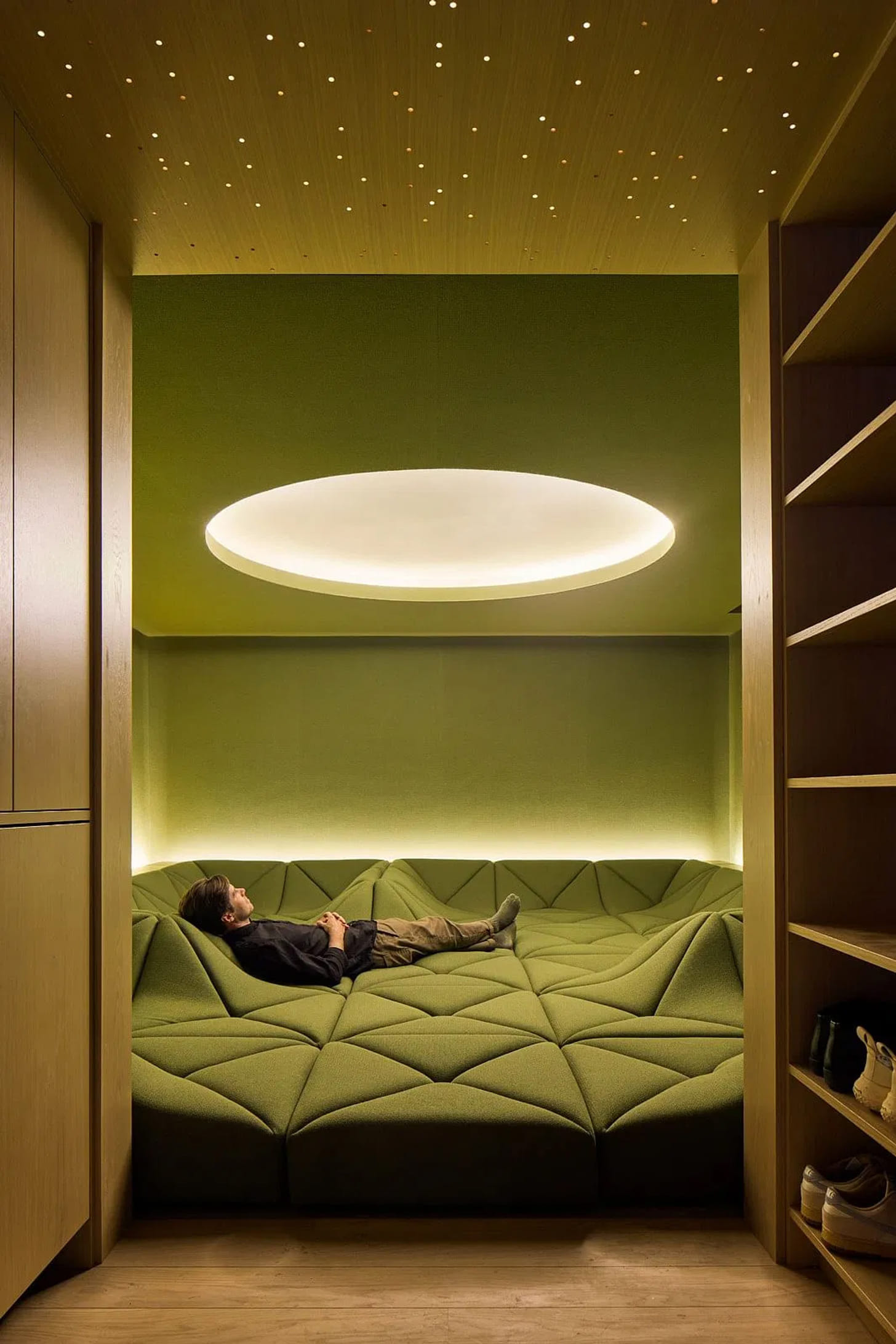
Crane Cove Warehouse in San Francisco, CA. Photo: Bruce Damonte, courtesy of Obata Noblin Office.
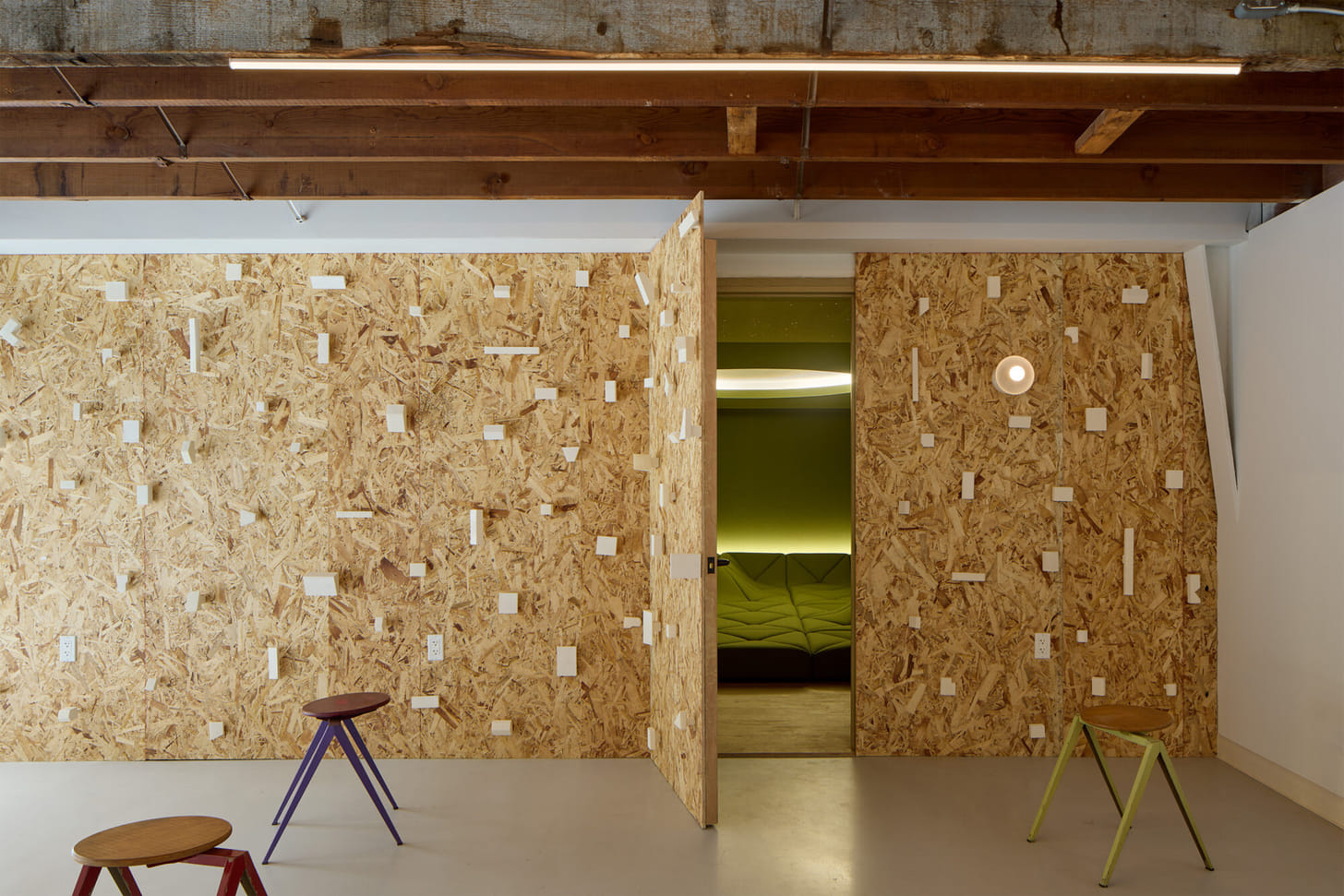
Crane Cove Warehouse in San Francisco, CA. Photo: Bruce Damonte, courtesy of Obata Noblin Office.
What have been the biggest challenges of starting and running your own practice?
Early on, the challenge was balancing design ambition with the realities of running a business. Over time, we’ve realized Tyler and I have pretty complementary strengths, which has helped. Tyler has great aptitude for drawing, detailing, and construction and brings real rigor to documentation and office systems, while I tend to gravitate toward business development and conversations with clients, interior designers, and contractors. But we both love design and make sure that we are both involved in schematic design for all projects, no matter the size.
Early on, we decided to build a serious model shop and dedicate full-time staff to it.
One of the biggest ongoing challenges has been hiring experienced architects in San Francisco. There is incredible talent here, but it is a relatively small pool, so the search has to be quite targeted. Building a strong pipeline, assembling the right team, and developing internal systems all require sustained attention alongside the creative work.
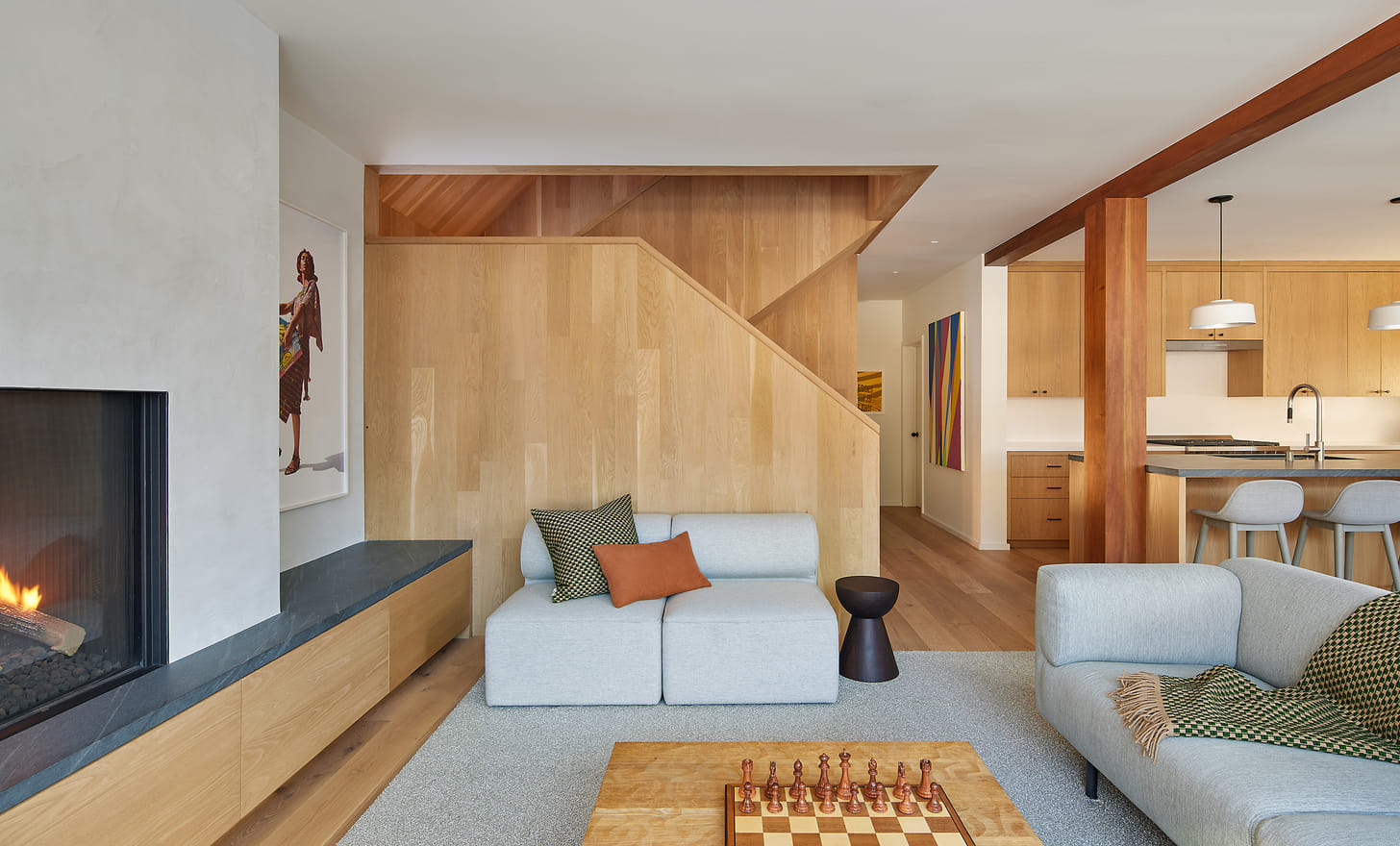
Pennyroyal in Sugar Bowl, CA. Photo: Bruce Damonte, courtesy of Obata Noblin Office.
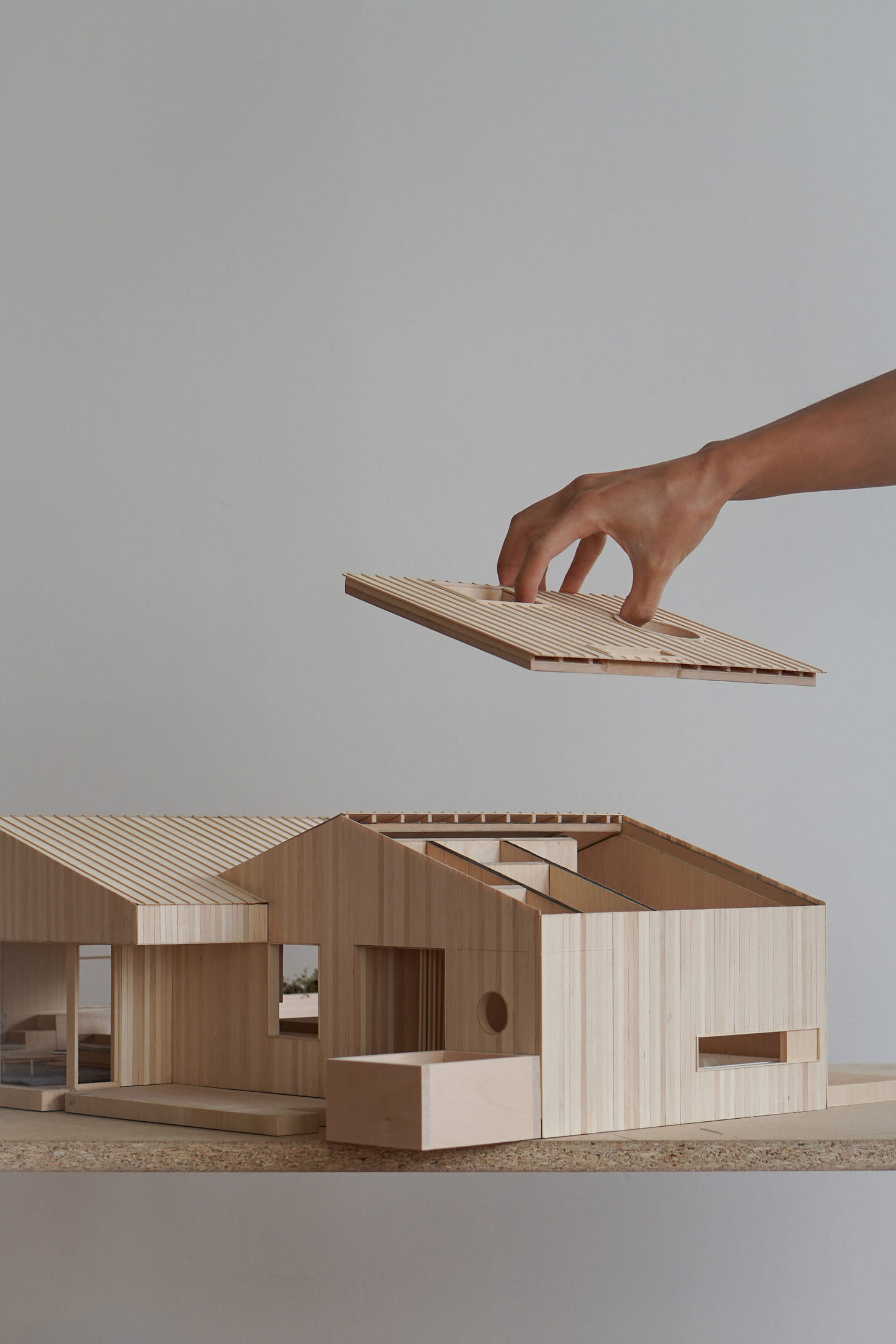
Residential project, currently in design. Image courtesy of Obata Noblin Office.
Does ONO have any fun, long-standing office traditions?
We host regular internal lunch and learns where designers present their backgrounds and their school thesis work, whether that’s undergrad, grad, extra credit. It gives everyone a better sense of each other’s design instincts, and you also learn some surprisingly personal things about people’s influences. We’re all informed by our backgrounds, and it’s so great to learn more about what has drawn someone to this often incredibly challenging — though rewarding! — profession.
Modelmaking, and also gathering around models to discuss what we see, is probably our most defining studio ritual. We regularly discuss design progress in the model shop as a group, and those sessions tend to become as social as they are technical. They are moments where the whole office gathers around the work, debates ideas, and tests things with their hands.
We also try to mark major milestones, like groundbreakings and project completions, together with informal office gatherings to keep the culture personal and connected.
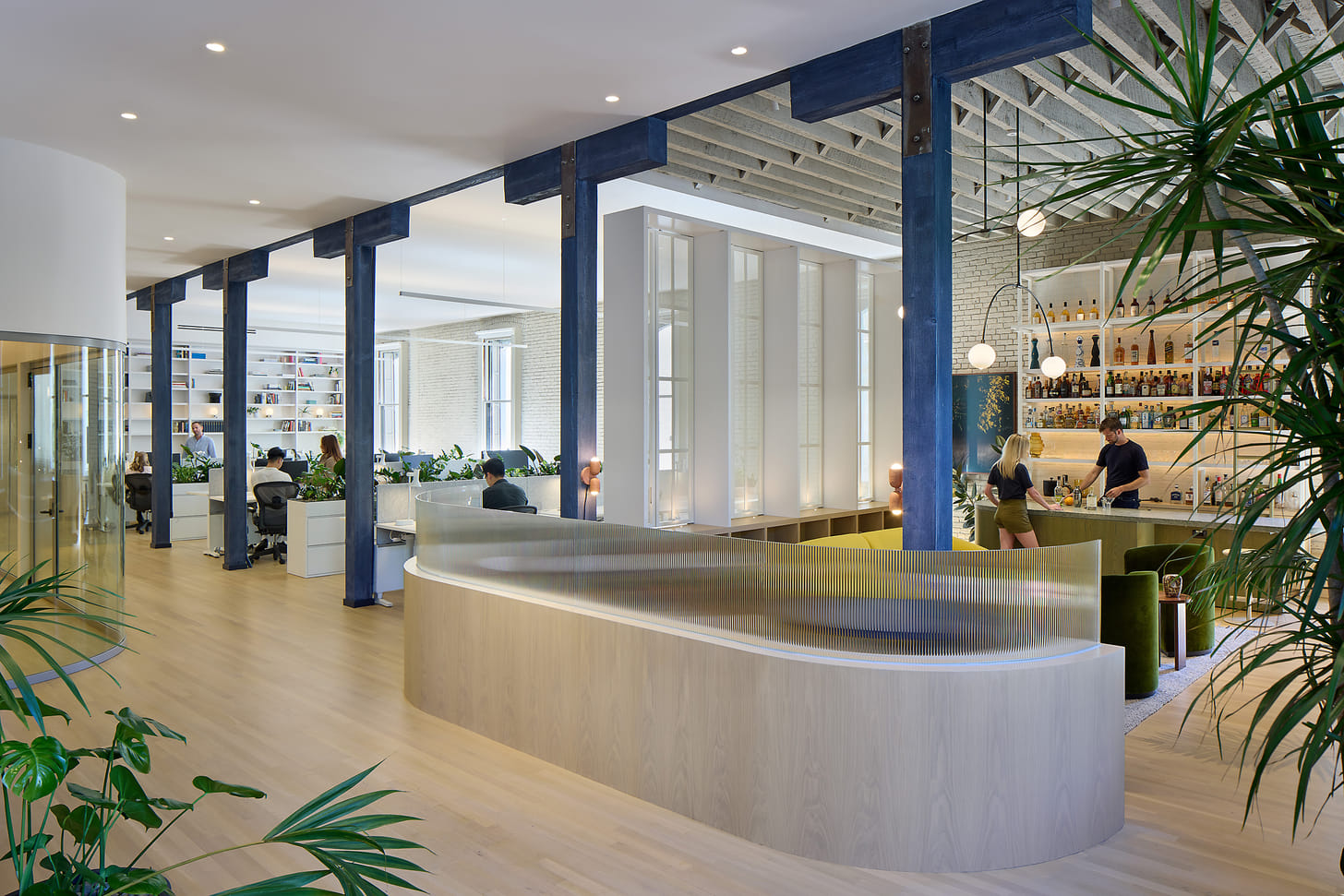
Jackson Square Office in San Francisco, CA. Photo: Bruce Damonte, courtesy of Obata Noblin Office.
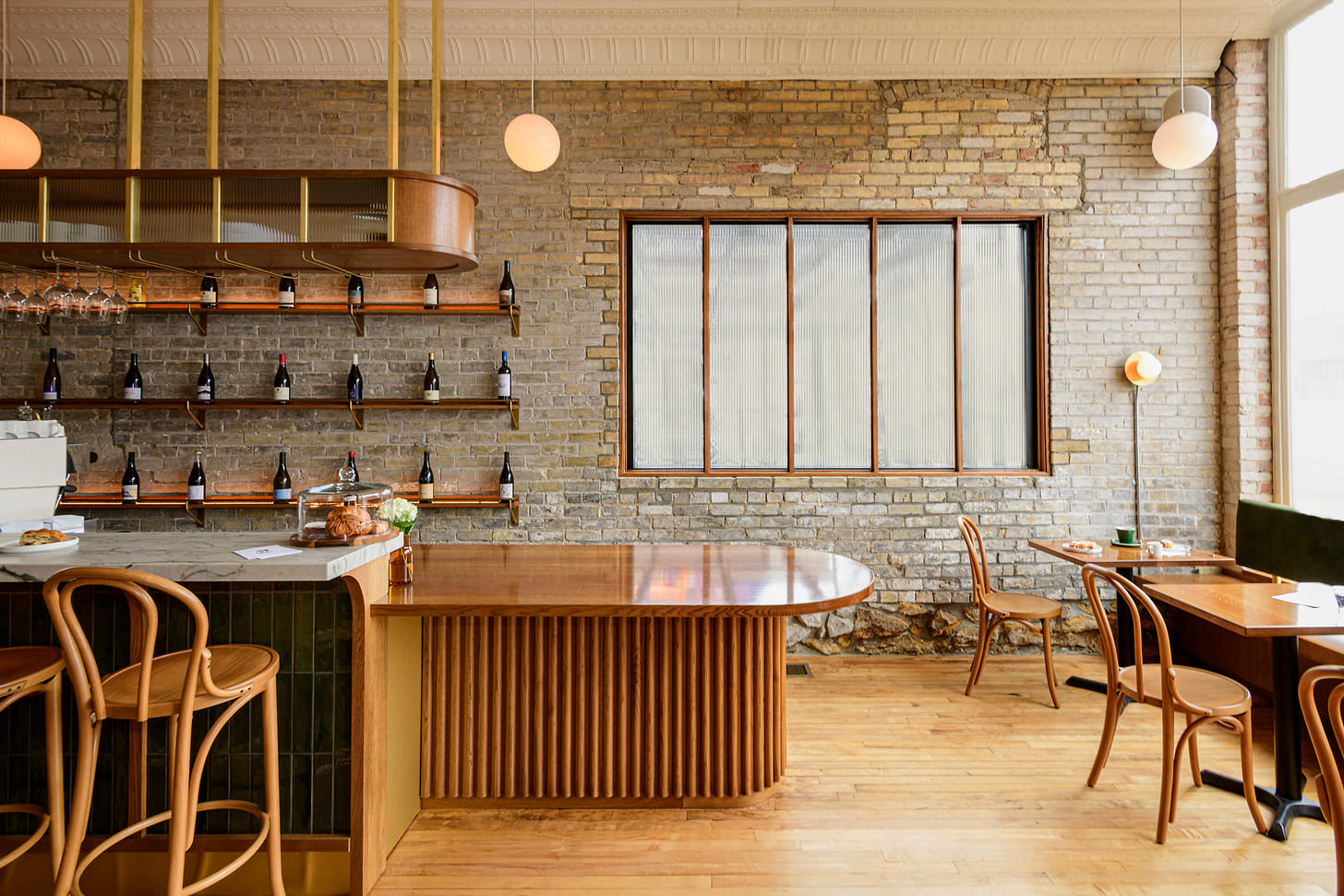
Chateau Wine Bar in Grand Rapids, MI. Photo: Arseni Khamzin, courtesy of Obata Noblin Office.
Wood features frequently as a primary construction material in your designs. Describe your approach to materiality.
Our approach to materiality begins with context and performance rather than preference. Wood often appears in our work because of local tradition and its strong relationship to craft. We also find it offers warmth and structural clarity, but we are not committed to any single material.
Being based in Northern California, the tradition of using local wood such as redwood and Douglas fir is deeply embedded in the work of architects we admire, including William Wurster, William Turnbull, and Charles Moore. That lineage, itself rooted in vernacular agrarian buildings, continues to inform our thinking.
Modelmaking, and also gathering around models to discuss what we see, is probably our most defining studio ritual.
From a sustainability standpoint, we are very interested in sourcing materials as locally as possible. At the start of most projects, whether in San Francisco, Tahoe, Massachusetts, or Colorado, we call local sawmills and quarries to understand what is actually available. That process has led us down some interesting paths and occasionally away from wood altogether.
So while wood is certainly prominent in our work today, we are excited to continue expanding the palette based on what each region offers. More broadly, we think of light itself as a material and work carefully with openings, surfaces, and massing so buildings feel alive across the day and seasons.
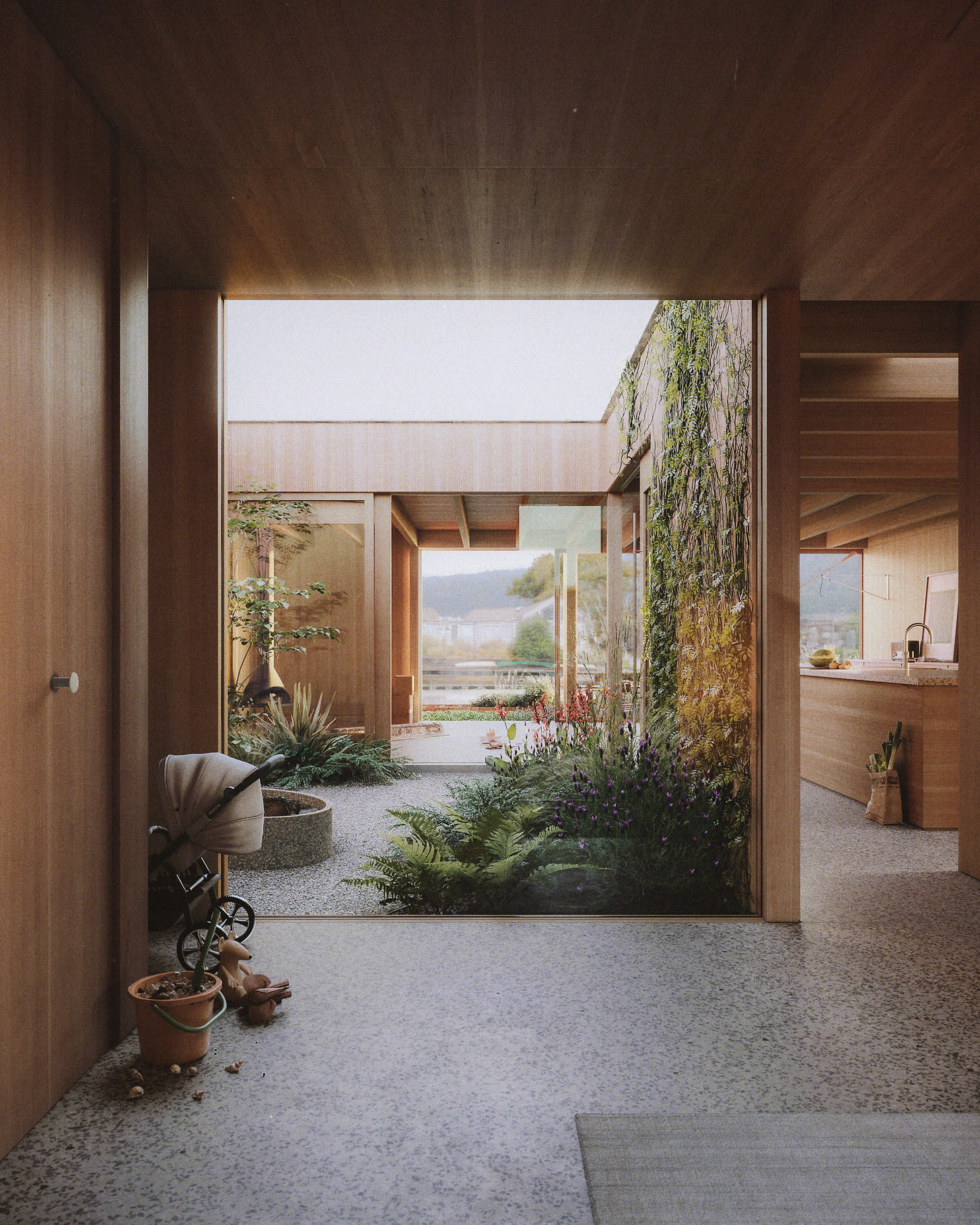
Seal House in Stinson Beach, CA. Rendering: Okdraw, courtesy of Obata Noblin Office.
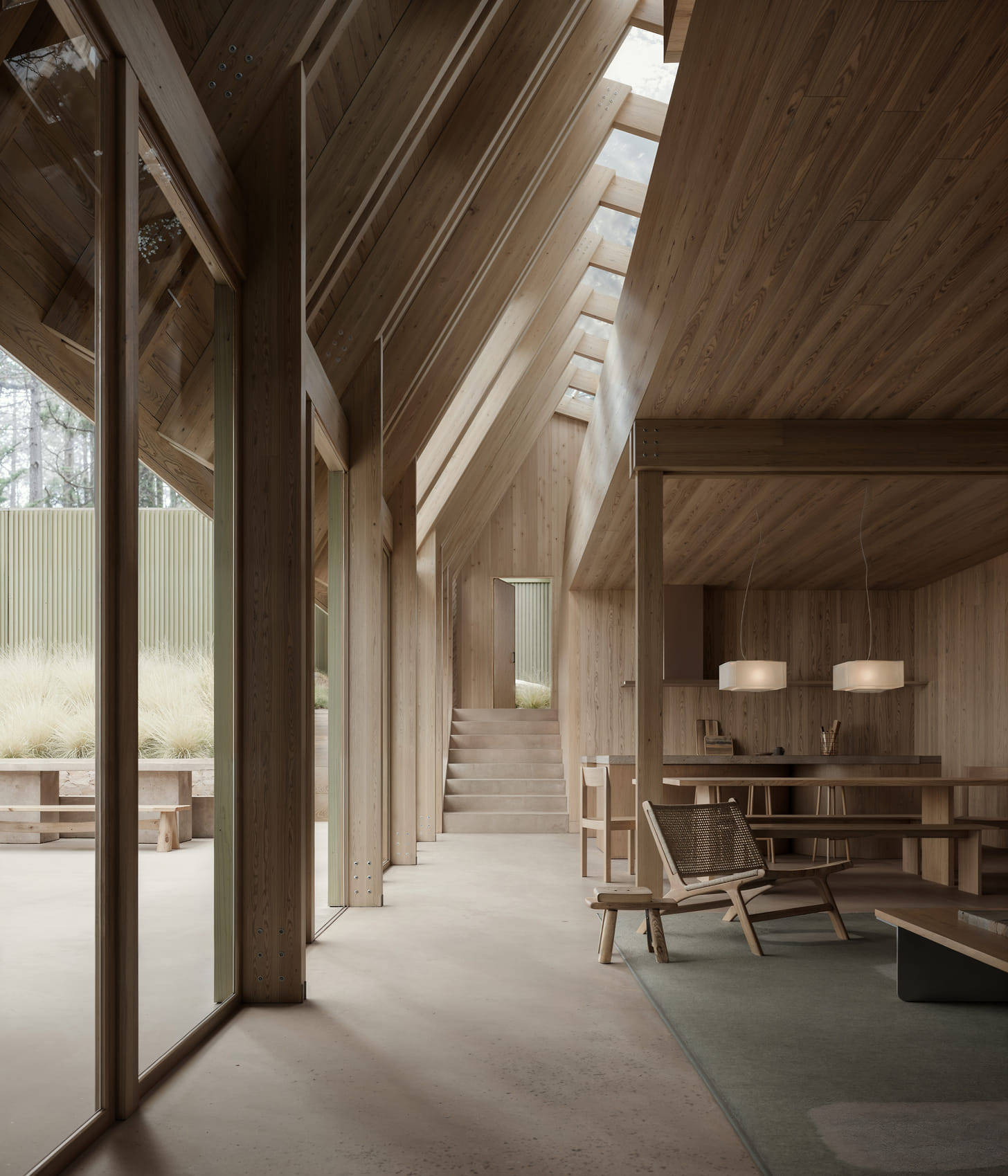
Dusk House in Occidental, CA. Rendering: BS ARQ, courtesy of Obata Noblin Office.
Do you have a favorite or especially memorable project? Completed or in progress.
Each project tends to represent a different moment in the evolution of the office, but our recently completed Sugar Bowl residence stands out. It is our first larger ground-up residence to complete, and we are very proud of it.
The project required balancing durability for extreme alpine conditions and heavy snow with a warm, multigenerational living environment. It pushed our thinking around texture and ornament, specifically how contemporary architecture can engage alpine precedents without becoming literal or nostalgic. It also reflects our collaborative approach with interior designers and builders from very early in the process.
In particular, the exterior siding system of board and battens that shift in scale and proportion at each level appears simple and calm but required an enormous amount of design time and refinement to execute well. That effort is what gives the facade its richness, allowing a wide range of light and shadow to play across the surface over the course of the day.
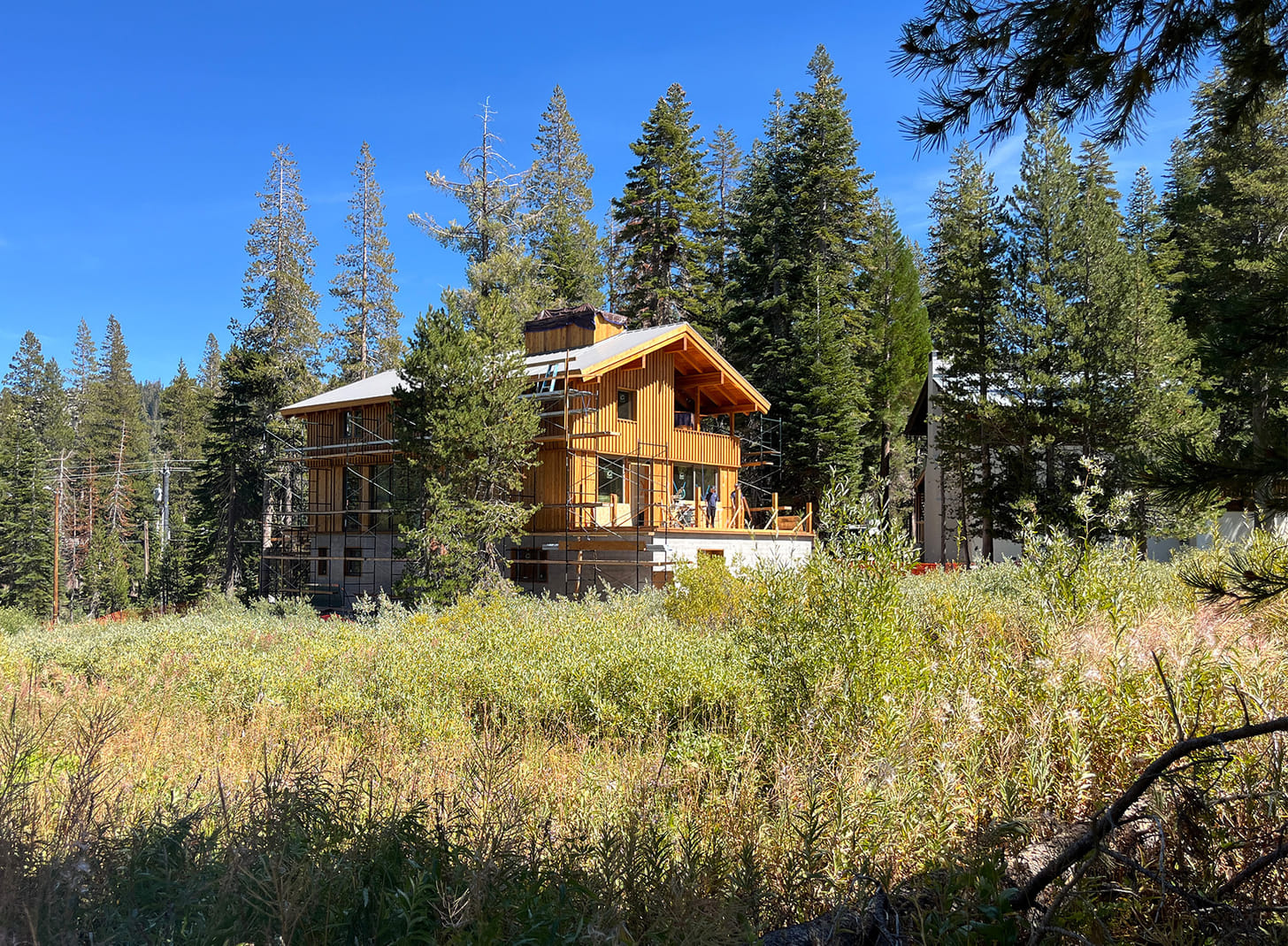
Norden House in Sugar Bowl, CA. Image courtesy of Obata Noblin Office.
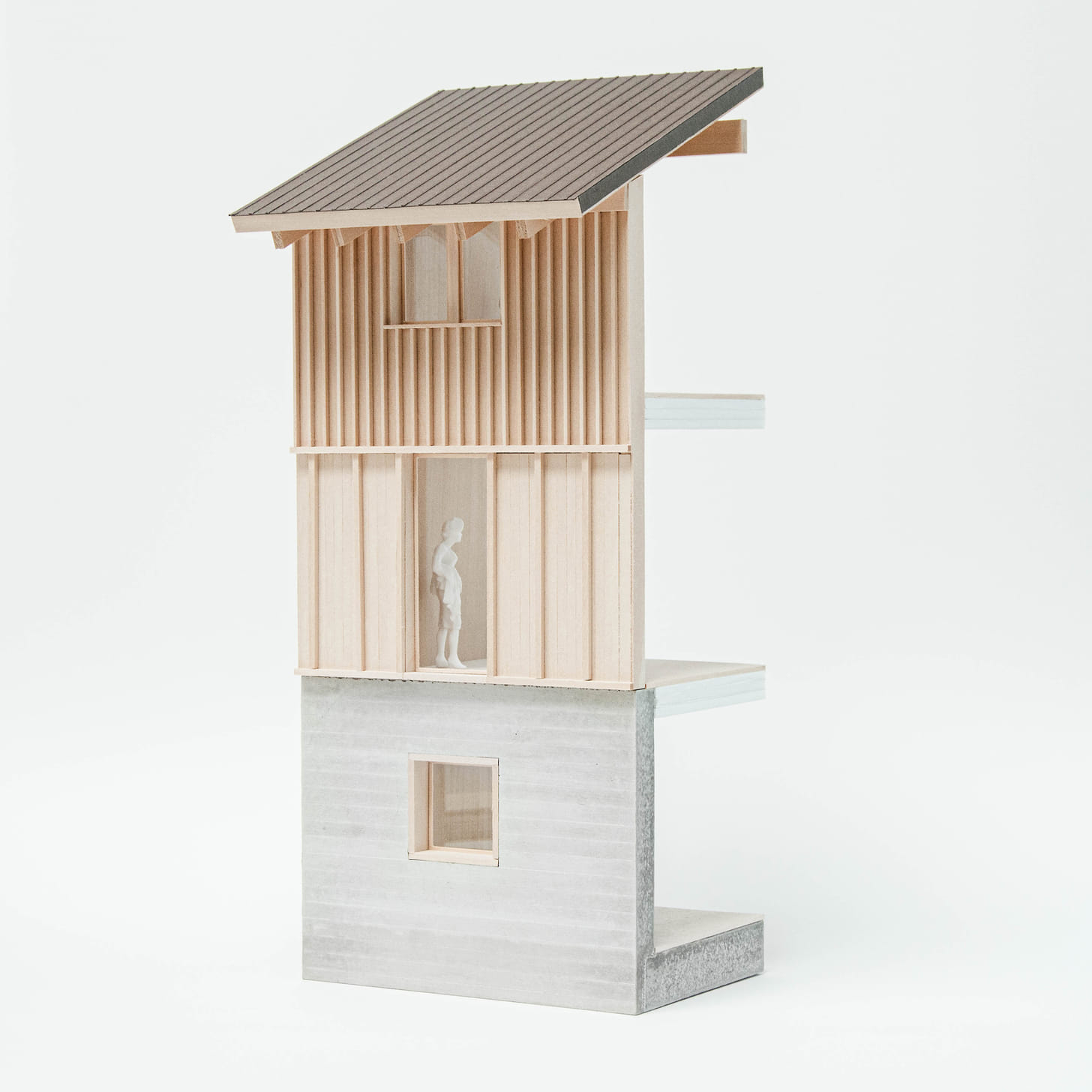
Norden House in Sugar Bowl, CA. Image courtesy of Obata Noblin Office.
What are some of your favorite practices you’re following in the San Francisco Bay Area?
We admire firms that pair formal clarity with material intelligence and strong conceptual grounding. Practices such as Mork Ulnes, Turnbull Griffin Haesloop, TW Ryan Architecture, and our friends at Figure (among others!) have all produced thoughtful work in the Bay Area.
More broadly, we draw a lot of inspiration from small offices on the East Coast and in Europe that are doing very focused work. Firms like KGDVS, Feilden Fowles, Adam Jordan, and Worrell Yeung come to mind. It is not easy to maintain a strong point of view while remaining responsive to clients and place, and we have a lot of respect for practices that pull that off gracefully.
If you could describe your work/practice in three words, what would they be?
Contextual. Tactile. Unexpected.