
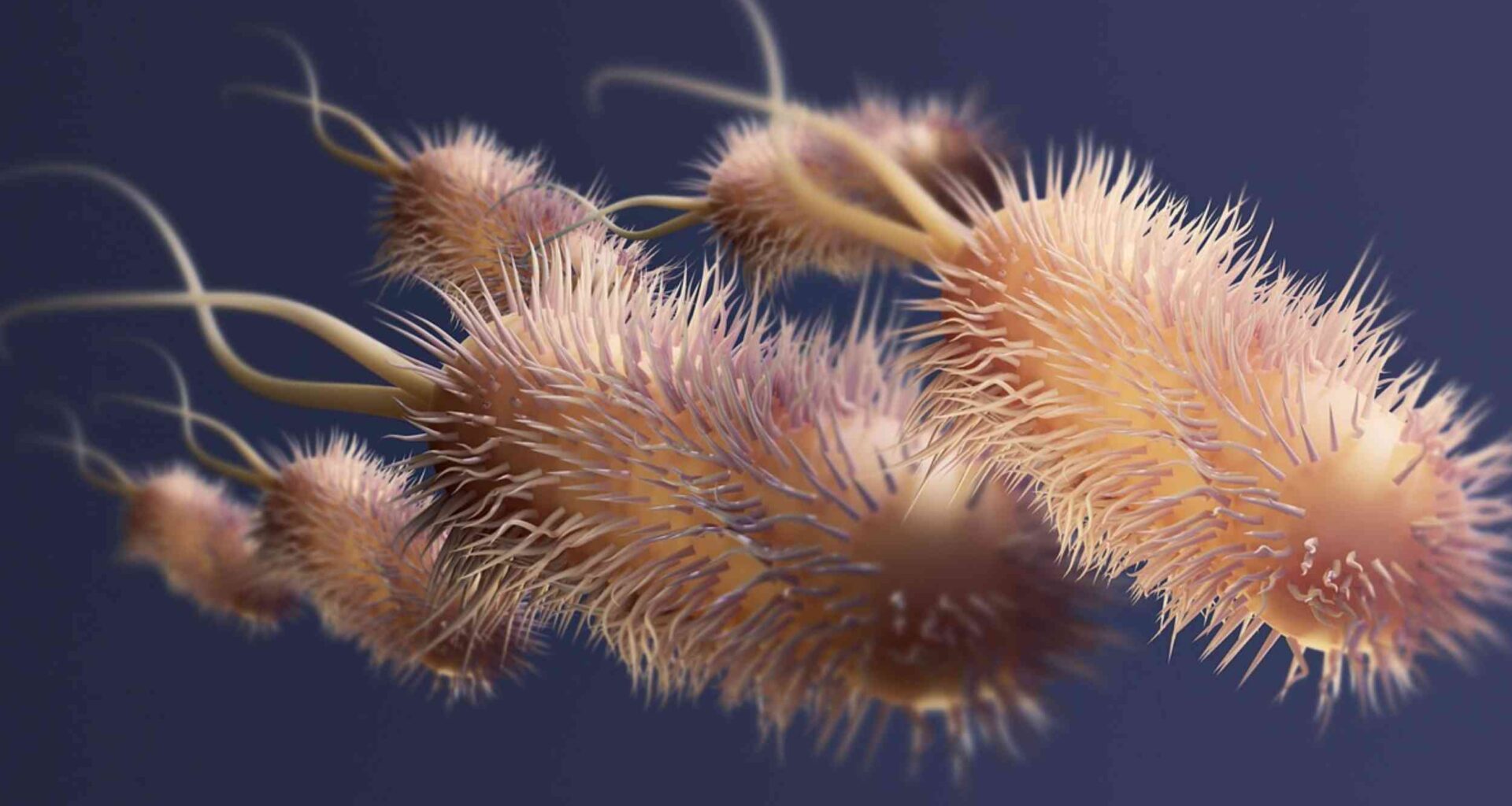
Researchers have found that a very low-protein diet, paired with the right gut bacteria, can turn ordinary fat into a calorie-burning form in mice.
That discovery recasts body fat as something the gut can help reprogram and points toward therapies designed to copy the effect.
Fat cells shift

Inside groin fat from treated mice, many once-quiet cells began making heat-related proteins usually seen after cold exposure.
Following those changes, Dr. Kenya Honda at City of Hope and Keio University showed that the diet failed in mice raised without gut microbes.
Working from that clue, Honda traced the missing effect to bacteria that converted dietary scarcity into body-wide chemical signals.
That left a clear message from the start: food mattered, but only when the right microbes were there to interpret it.
Signals that reshape fat
One microbial message altered bile acids, digestive chemicals that also act as signals, and pushed immature fat cells toward a fat-burning state.
Another message drove the liver to release FGF21, a hormone that helps control fuel use during metabolic stress.
“We found that certain gut bacteria can sense what the host is eating and translate that information into signals that tell fat cells to burn energy,” said Honda.
Blocking either route stopped the change, showing that neither signal could carry the whole job on its own.
Key microbes identified
After testing many combinations, the team found four human-derived strains that were all needed for the strongest response.
Among 25 healthy volunteers, about 40% showed active beige fat, a form of fat that burns energy.
Transplants from the best donors passed that effect to mice, while microbes from weaker donors produced little visible change in the same animals.
Removing any one of the four strains broke the response, which showed the effect depended on a very small microbial team.
Why the liver joined
Protein shortage did not stay in the gut, because bacterial ammonia traveled through the portal vein, the vessel linking gut and liver.
There, ammonia pushed liver cells to make more FGF21, even though other bile-acid changes were happening at once.
When researchers deleted an ammonia-making enzyme in the bacteria, the liver response faded and the fat-browning program stalled.
Human liver organoids, small lab-grown bits of liver tissue, reacted the same way, suggesting the relay could matter beyond mice.
Fat could change
In the mice, the new beige fat appeared within two weeks and kept building for several more. Under the same diet, fat switched on the same heat-making genes seen after cold exposure.
Returning to a regular diet, much of that calorie-burning character faded, showing that the change was reversible.
Age, sex, and fat location still mattered, so the response was powerful without spreading evenly everywhere.
Nerves closed the loop
Bile-acid signals and liver signals met again in fat, where they helped build denser sympathetic nerves – the fibers that drive calorie use.
Without those signals, the nerve network thinned and the browning response looked much weaker overall.
When mice received a drug that directly activated that nerve pathway, the missing browning largely came back.
That rescue showed the microbes were not replacing the body’s own wiring, they were changing how strongly it fired.
Benefits looked real
Mice given the low-protein plan gained less weight, carried less fat, and handled glucose better than controls.
With the key microbes added, cholesterol, triglycerides, and a liver-damage marker all fell further still.
Lean body volume and muscle mass stayed mostly intact, which argued against simple malnutrition as the main story.
Those gains make the biology worth following, but they do not prove that beige fat alone caused every benefit.
Limits in human use
The diet in these experiments supplied just 7% of calories from protein, about 60% below the control diet.
Previous efforts to improve metabolism with probiotics, live microbes sold as supplements, have mostly disappointed people.
“Fat tissue is not fixed; it’s surprisingly adaptable,” Honda said, describing why this tissue can still be retrained in adulthood.
That caution is necessary because bodies, diets, and the microbiome, the gut’s full microbial community, vary much more in real life.
Drug-based solutions
Rather than treating low-protein eating as a fix, the researchers pointed toward medicines that imitate the microbial messages.
Those targets sit in a pathway connecting gut bacteria, liver hormones, immature fat cells, and nerve growth.
Because obesity raises the odds of diabetes, cardiovascular disease, and many cancers, better metabolic tools could travel far.
That prospect remains early, but the study turns a murky diet question into a defined set of targets.
What this changes
Gut bacteria did not merely accompany a dietary response here; they helped decide whether stored energy stayed locked away or burned.
By showing how that decision traveled across the gut, liver, fat, and nerves, the work points to testable therapies instead of dietary guesswork.
The study is published in Nature.
—–
Like what you read? Subscribe to our newsletter for engaging articles, exclusive content, and the latest updates.
Check us out on EarthSnap, a free app brought to you by Eric Ralls and Earth.com.
—–