
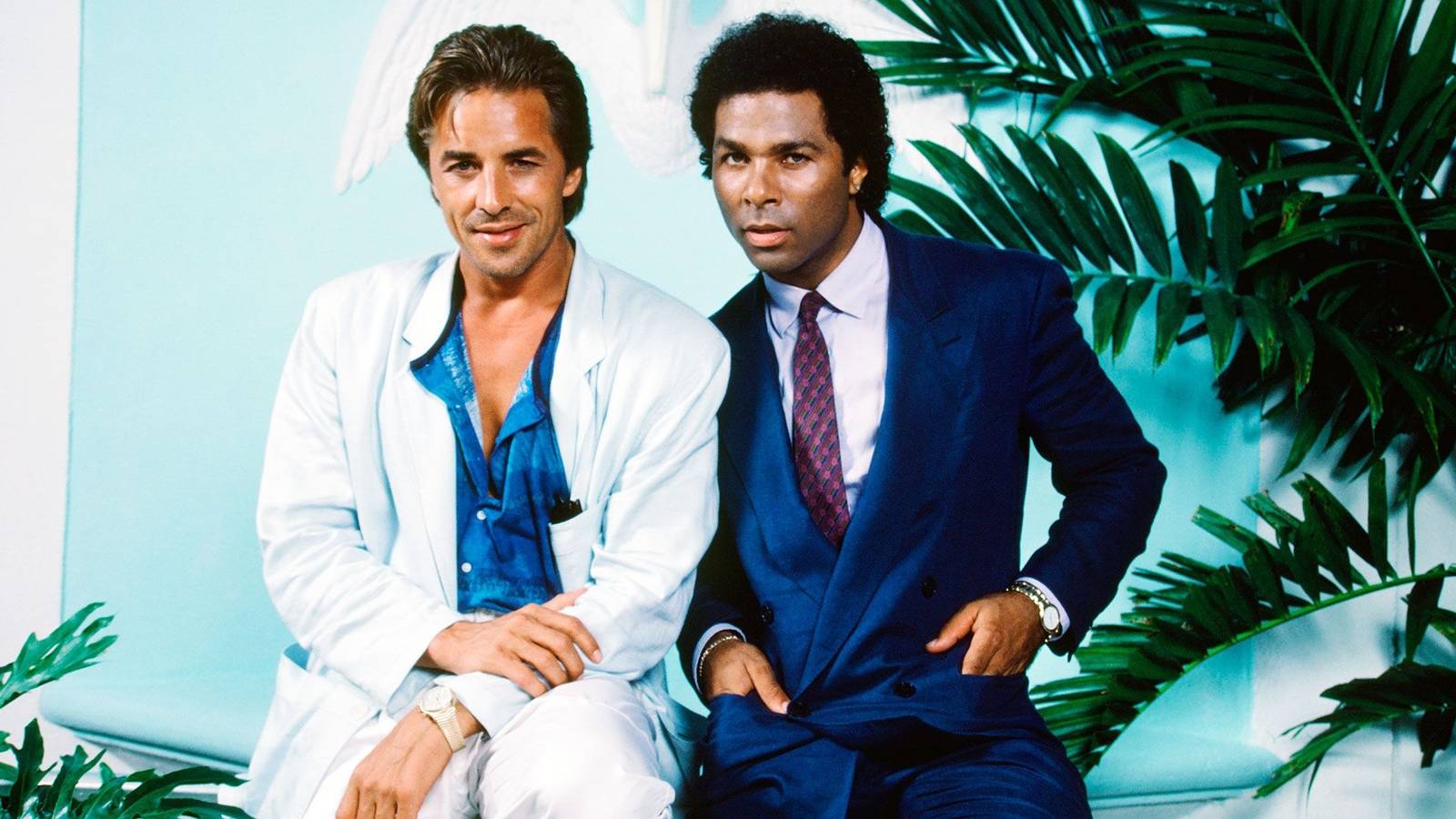
From groundbreaking sitcoms like Cheers to soapy, over-the-top melodramas like Dynasty, the 1980s brought a wave of shows that changed the face of television. The gritty realism and character-driven storytelling of Hill Street Blues blazed the trail for modern prestige TV.
Star Trek came back with a vengeance, The A-Team brought toothless, bloodless action cinema to the small screen, and The Golden Girls proved how hilarious women of a certain age could be in leading roles. These TV shows defined the ‘80s.
The A-Team
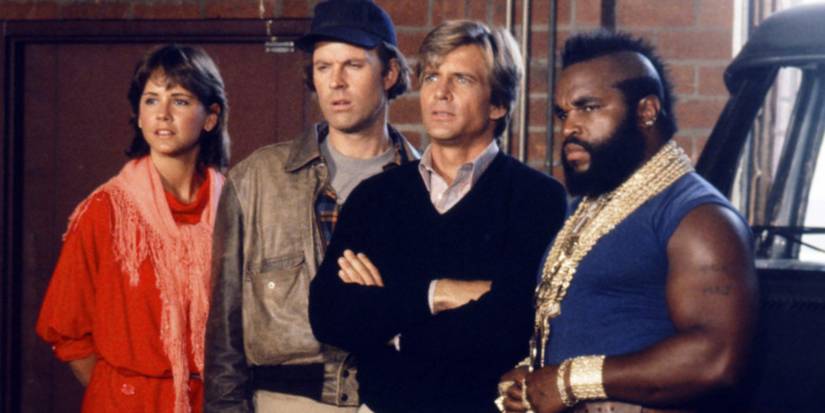
The A-Team cast standing in a row.
The A-Team epitomized the toothlessness of ‘80s action cinema. It’s like play-fighting; there’s so much gunfire and so little bloodshed (even when a car flips over, everyone inside is okay). It made for great fun. Much like Blind Fury and First Blood Part II, it trivialized the horrors of the Vietnam War by sending traumatized veterans on a fun-filled, low-stakes adventure.
Everyone in the main cast of The A-Team gives an iconic performance, with their own distinctive personality, and the actors all share spectacular chemistry as this ragtag band of mercenaries. The A-Team is a campy crime caper, and it’s endlessly watchable.
Family Ties
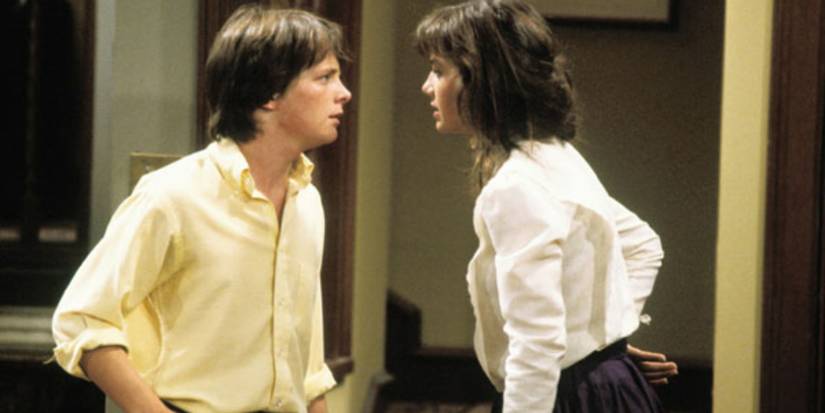
Michael J. Fox and Justine Bateman having an argument on Family Ties
Family Ties flipped the All in the Family dynamic on its head. In All in the Family, the defining American sitcom of the 1970s, a staunch conservative bigot butted heads with his progressive son-in-law, showing the antiquated right-wing views of the older generation being replaced by the more open-minded left-wing views of the younger generation.
But in Family Ties, the Reagan-era equivalent, the son is the conservative and the parents are the liberals. In Family Ties, Alex P. Keaton is a Young Republican with right-wing views, in stark contrast to his parents, who are former hippies from the countercultural movement. This show captured the shifting political tides of the 1980s; conservativism was back in fashion.
Star Trek: The Next Generation
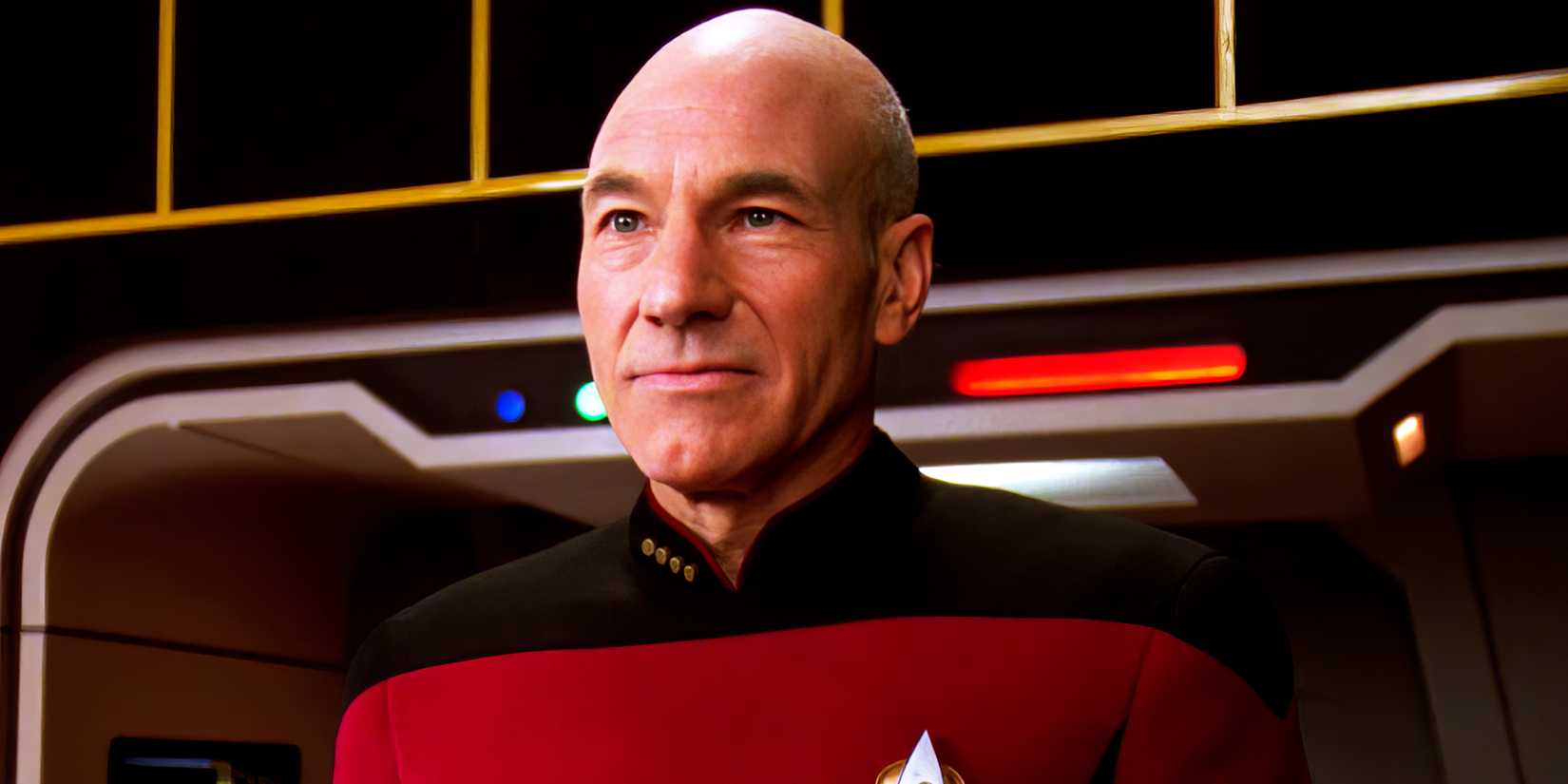
Patrick Stewart as Captain Jean-Luc Picard in Star Trek: The Next Generation
The Star Trek franchise came back with a vengeance in the 1980s. The Original Series ran for just three seasons in the 1960s, but when Star Wars reinvigorated public interest in science fiction in 1977, Star Trek made the leap to the big screen. Although that first movie was a let-down, the subsequent sequels became some of the biggest blockbusters of the ‘80s.
The Wrath of Khan, The Search for Spock, and The Voyage Home were a generational run of Star Trek movies, and it paved the way for Trek to boldly go back to the small screen. The Next Generation introduced a new Enterprise crew and set up the franchise for decades of longevity, continuing to this day. After a shaky first season, TNG became one of the greatest TV shows ever made.
Miami Vice
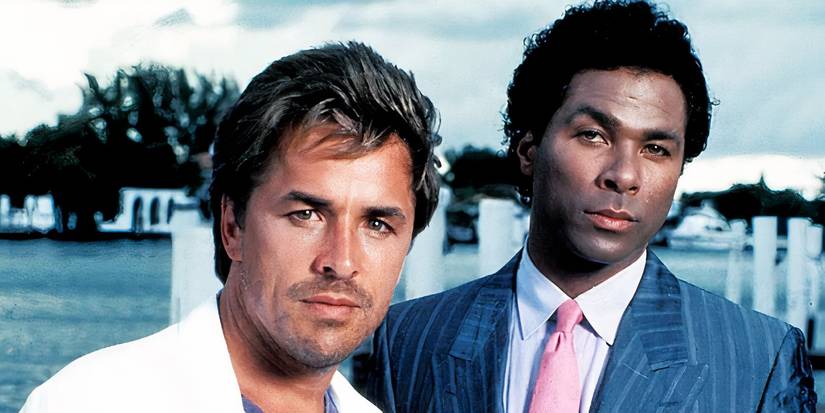
Detective Sonny Crockett and Detective Rico Tubbs looking forward in Miami Vice
Before Michael Mann became a renowned filmmaker known for directing slick neo-noirs like Heat and Collateral, he was an executive producer on the most ‘80s cop show of the ‘80s. The flash and excess and materialism of the 1980s is encapsulated by the snazzy suits and go-fast boats and garish sports cars of Miami Vice.
Miami Vice dragged the fusty traditions of the police procedural into the ‘80s. The soundtrack was full of contemporary pop and rock songs; the characters wore aggressively ‘80s fashion and drove around in Ferraris and Lamborghinis. The producers prioritized cool music and stylish visuals over drama and character development. It was all style and no substance, just like the ‘80s.
Married… With Children
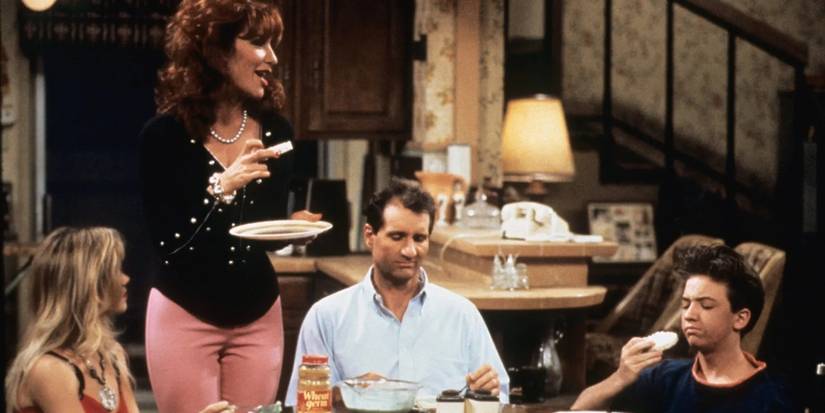
The Bundy family at the dinner table in Married with Children
About two weeks before Homer Simpson would make his debut on The Tracey Ullman Show, his live-action counterpart appeared in the series premiere of Married… with Children. Al Bundy is the ultimate sitcom dad: a downtrodden underdog, a dry-witted curmudgeon. Ed O’Neill burst onto the scene as the quintessential TV patriarch (a role he would later reprise in Modern Family).
Married… with Children is one of the quintessential family sitcoms of the 1980s. It depicted a lower-middle-class nuclear family riddled with hilarious dysfunctions. And O’Neill wasn’t the only screen legend to originate in this cast; the show also introduced the world to Katey Sagal and Christina Applegate.
Dynasty
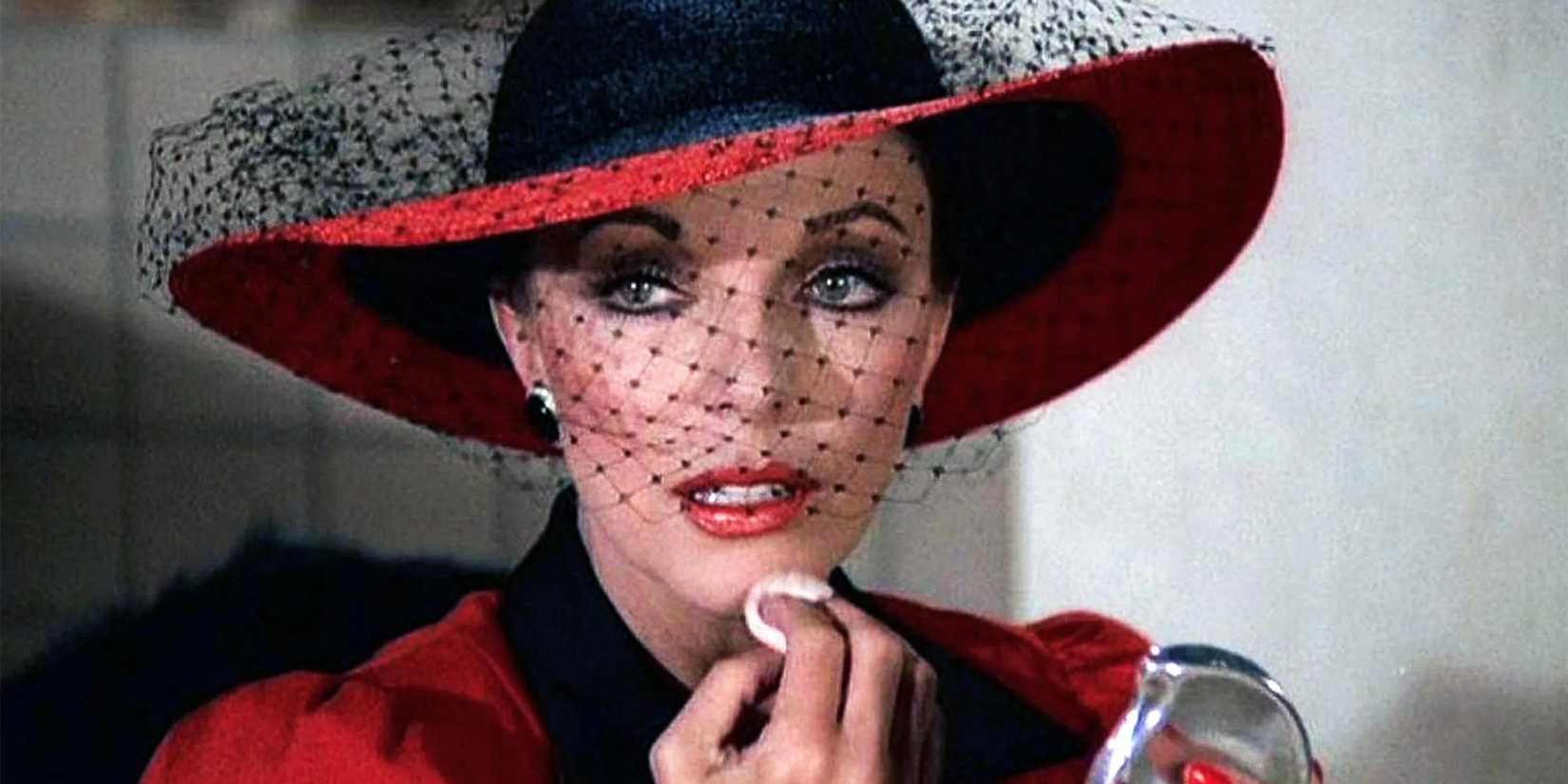
Joan Collins as Alexis in Dynasty
1980s America valued wealth and success above everything else. It was the decade of suspender-clad yuppies and Reaganomic inflation. So, naturally, everybody tuned in to watch the luxurious lifestyle of the Carringtons on the smash-hit soap opera Dynasty. After an underwhelming first season, Dynasty introduced Joan Collins as Alexis, and it was off to the races.
Although it crashed and burned in its last three seasons, at the height of its powers, Dynasty was one of the top-rated shows on television. Dynasty paved the way for every upstairs-downstairs one-percent rich-people problems drama from Downton Abbey to Succession.
The Golden Girls
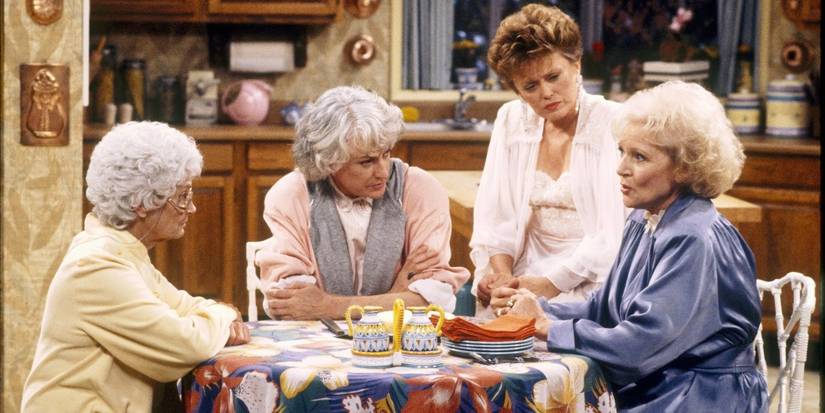
The cast of The Golden Girls sitting at the kitchen table and talking
The Golden Girls was a surprisingly revolutionary show for its time. Hollywood has always neglected women of a certain age, despite how lucrative that demographic has proven to be, but this was a series that put older women front and center. It’s about a bunch of hilarious women going through their twilight years together.
Bea Arthur, Betty White, Rue McClanahan, and Estelle Getty make up one of the greatest ensemble casts in sitcom history. It’s one of the funniest shows of all time, and it deals with the very real issues of aging, dating later in life, and the foibles of everyday life.
The Cosby Show
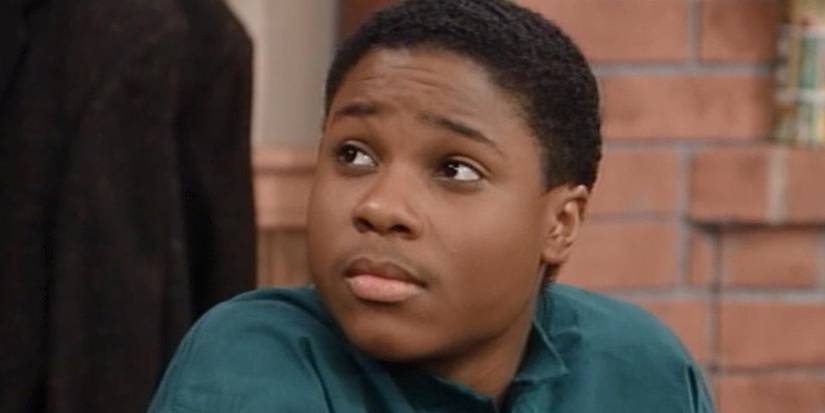
Theo in The Cosby Show
For obvious reasons, The Cosby Show is tainted. Although Bill Cosby was beloved for decades as America’s dad, the dark revelations about his private life have cast a long, unfortunate shadow over his classic sitcom. But there’s no denying the impact that The Cosby Show had on American television — and even American society at large — in the 1980s.
It can’t be overstated how much The Cosby Show did for Black representation on television. The fact that a show about an upper-middle-class Black family could garner viewership to rival the Super Bowl was enough to make The Cosby Show a landmark in TV history. It’s a shame that The Cosby Show is associated with such a horrific history of crimes, because the series itself had such a positive effect on the world.
Hill Street Blues
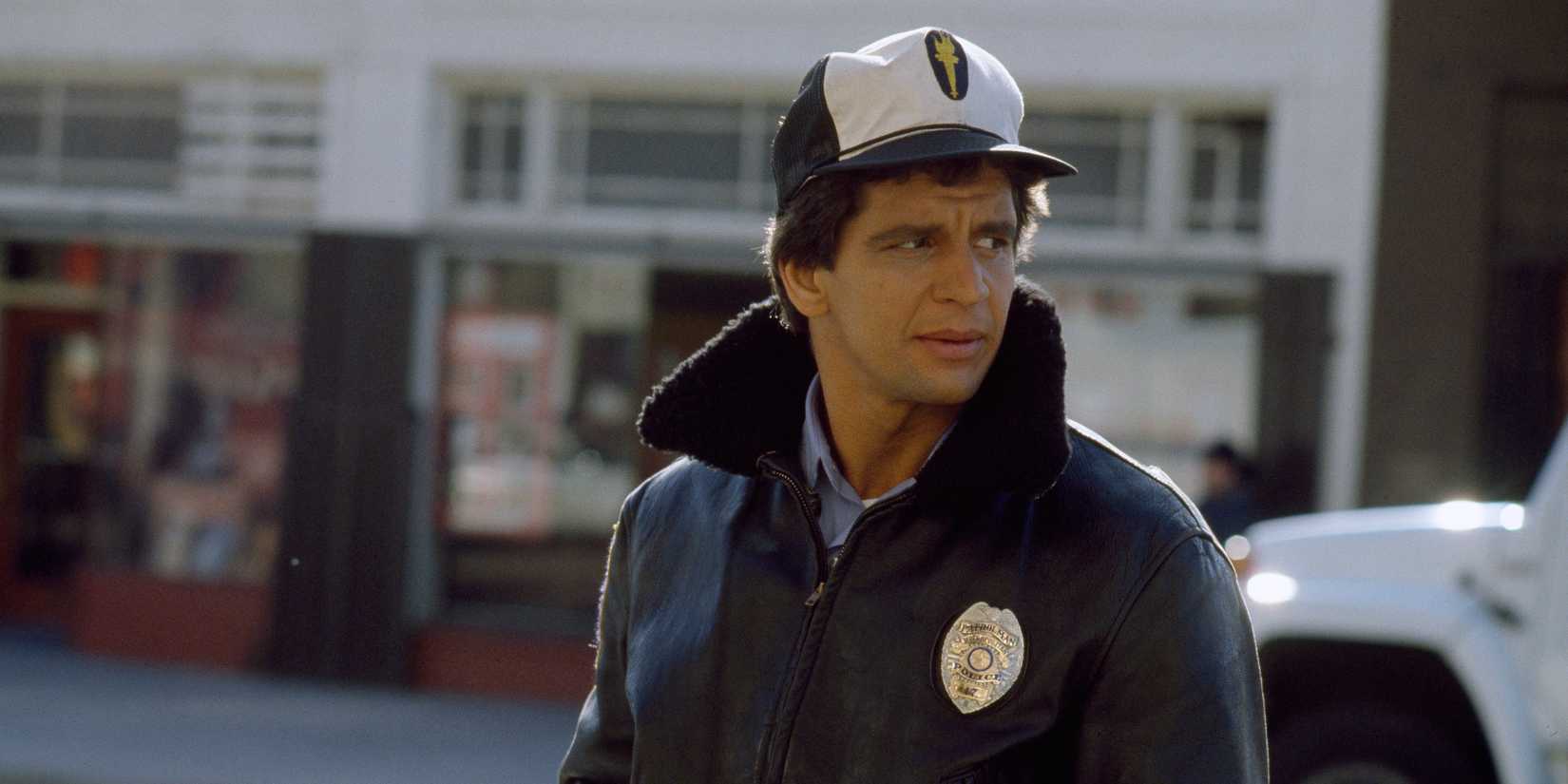
Ed Marinaro in Hill Street Blues
Before David Simon created The Wire, the closest thing we had to a realistic police procedural was Hill Street Blues. Hill Street Blues revolutionized the genre and shook up its rigid conventions. It eschewed the artificiality of cop shows like Dragnet and Columbo, and focused more on the human beings behind the investigations.
Hill Street Blues marked a transition away from traditional episodic television toward telling more emotional, cinematic, and challenging stories on the small screen. It was one of the precursors to the kind of prestige TV we now associate with HBO and AMC.
Cheers
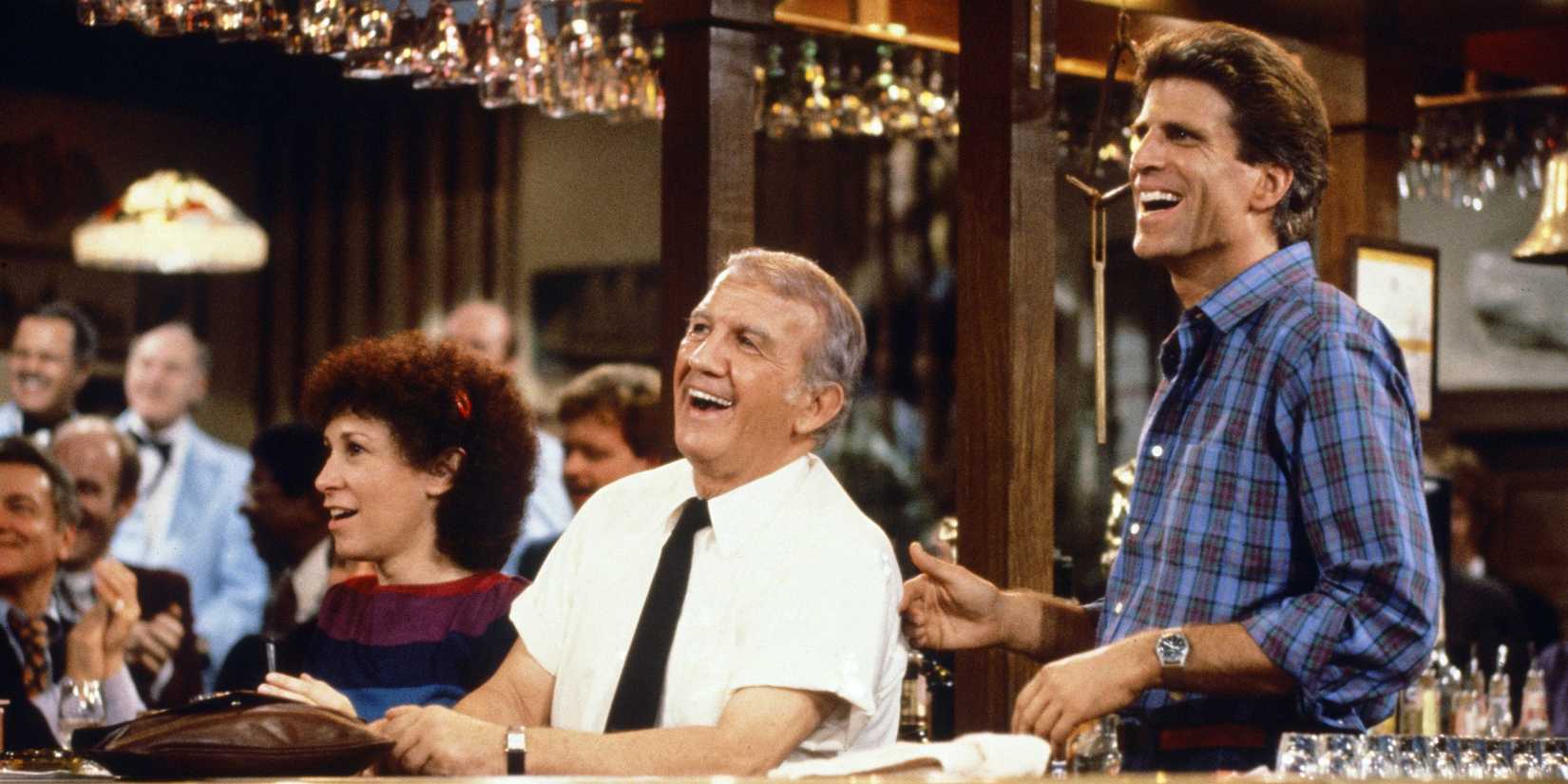
Sam, Coach, and Carla laughing behind the bar in Cheers
All the hallmarks of the modern-day ensemble sitcom originated in Cheers: the hangout setting, the eclectic mix of personalities, and especially the “will they or won’t they?” couple. Every on-and-off couple from Ross and Rachel to Jim and Pam were influenced by Sam and Diane. But Cheers isn’t just the originator of the modern sitcom; it’s also the quintessential sitcom of the ‘80s.
Cheers takes place in a bar in the heart of Boston, where a ragtag group of regulars come to commiserate. By spending every week with a bunch of functioning alcoholics drowning their sorrows to relieve the stress of their working day, Cheers encapsulated the socioeconomic climate at the time by exploring the impact of the Reagan-era industrial boom on the overworked working class.