
For decades, the Iranian hospital in Dubai and its turquoise mosaic façade had weathered the vicissitudes of Iran’s relationship with the Arab Gulf states. That changed this month when the United Arab Emirates, under attack from Iranian missiles and drones, ordered it to be shut down.
The hospital opened in 1972 when the shah was still in power. It remained open throughout the Iranian Revolution in 1979 despite the regime attempting to export its revolution to the Gulf. It even expanded its facilities in 2014, as the Gulf countries lobbied the US against a nuclear deal with Iran.
The hospital was the most visible projection of Iranian soft power in the UAE but, under the watchful eye of the authorities, Tehran’s influence ran deeper. The UAE had become a financial hub for Iranian assets, including those of the Islamic Revolutionary Guard Corps, providing the sanctioned regime with a lifeline.
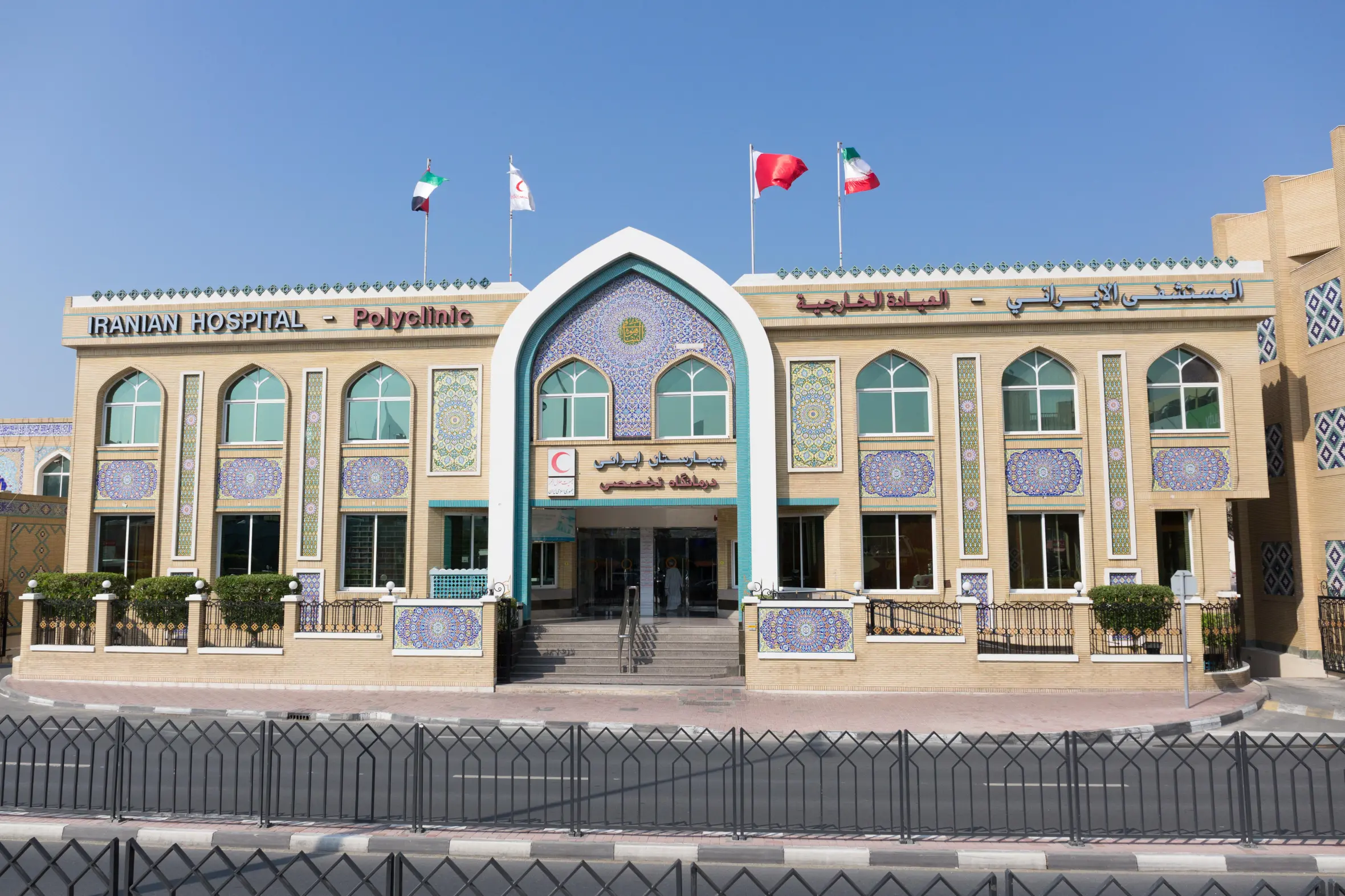 The Iranian hospital in DubaiAlamy
The hospital’s abrupt closure, however, suggests that the UAE’s policy of balancing friends and enemies might be coming to an end.
On the world stage the country had sought to hedge between rivals such as the United States, Russia — whose leaders both count Mohamed bin Zayed, the UAE president, as a friend — and China. In the region they walked a tightrope between Israel and Iran.
It remained a trusted US and Israeli security partner, hosted US and Chinese military sites and both an Israeli and an Iranian embassy.
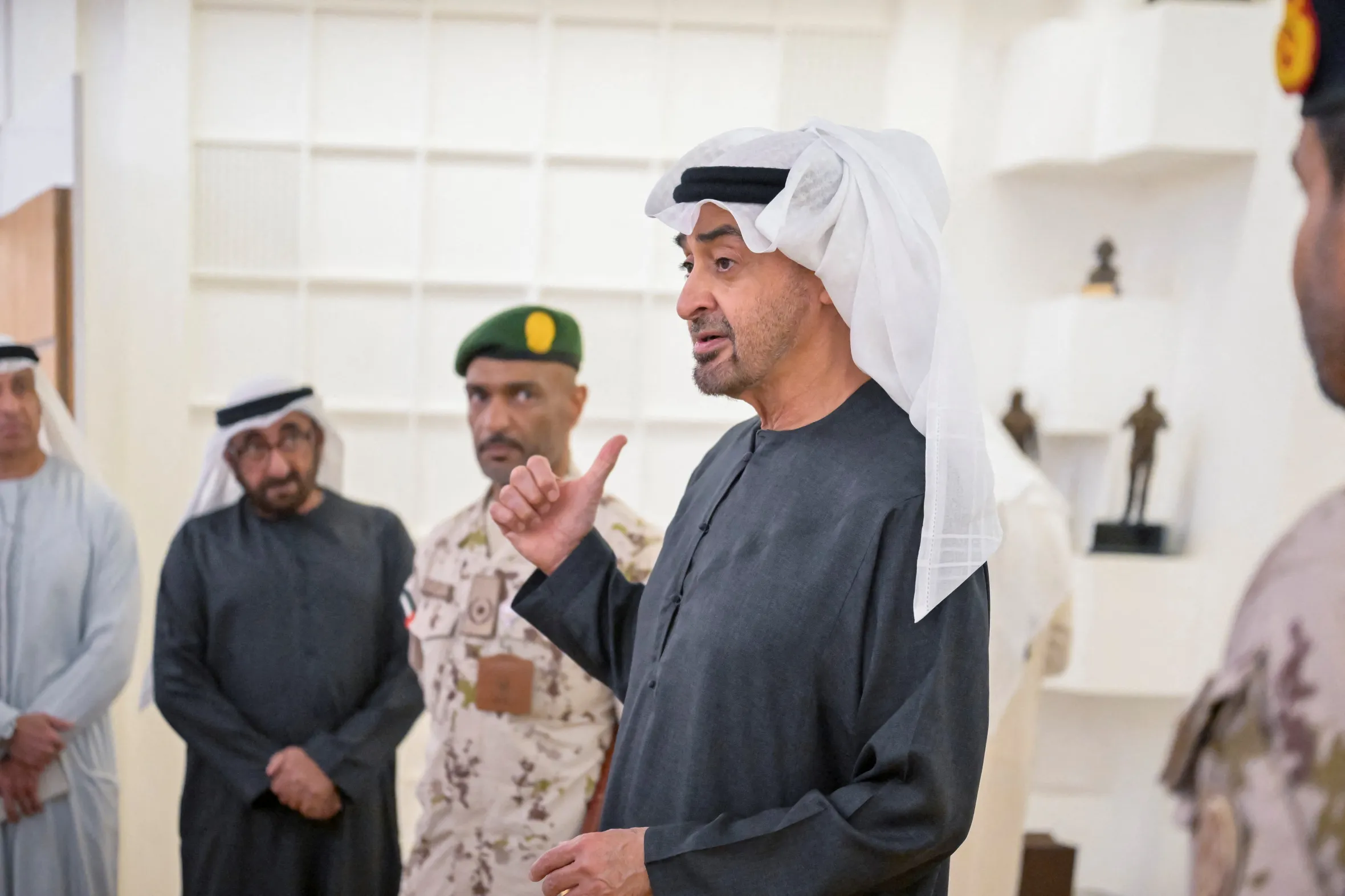 Mohamed bin Zayed, the UAE presidentUAE Presidential Court/Reuters
Sanam Vakil, director of the Middle East programme at the Chatham House foreign affairs think tank, said: “In a way they tried to be polygamous to protect themselves but it hasn’t insulated them from a regional war.
“I think they’re going to be sort of snapping back to the 2016 policy of containment and limited engagement. What has taken place has shocked and hopefully woken up the UAE. They thought that what they were doing was sufficient.”
The UAE may now take action on the billions of dollars in Iranian assets in its banks. Last week, it announced the arrests of five people it said were connected to a “terrorist network” run by Hezbollah and Iran that it accused of financial crimes.
While it has not declared a financial war on Iran, Emirati officials have suggested the war may draw the country closer to the US, and possibly further away from Russia and other powers that failed to help the country during its time of need.
War and peace newsletter
Tom Newton-Dunn’s concise guide to global conflict – with reasons for optimism.
Sign up with one click
Mahdi Ghuloom, a Bahraini analyst and junior fellow of geopolitics at the ORF Middle East think tank, said: “The countries that have come to the aid of the Gulf have mainly been western and western-aligned. The picture hasn’t been the same when it comes to Russia and China and even some Arab countries.”
The region’s mostly US-supplied air defences have held up relatively well in the face of the Iranian attacks, and protecting and maintaining them will be a priority for the UAE and other Gulf states. This would mean closer co-ordination with the US and allies such as France and Britain.
“There’s a realisation that there’s a need to double down on those air defences and to do that the neutrality doctrine may not be as easy to maintain,” said Ghuloom.
Some states such as Oman, which hosts Iranian banks as well as western military forces, will insist on remaining neutral, while offering their services as mediators. Saudi Arabia and the UAE have indicated that they could join the war against Iran if the attacks on their nations continued.
But upending the Emirati and particularly Saudi approach to diversifying their international relations also carries risks, chief among them is Washington’s unpredictability.
There are concerns that President Trump may strike a deal with Iran and leave them to deal with an emboldened and triumphant regime.
In the past, the US had been seen as failing to come to Saudi Arabia’s aid when they came under attack from Iran in 2019. They were also regarded as not helping the UAE when it was attacked by Iran’s Houthi allies three years later.