
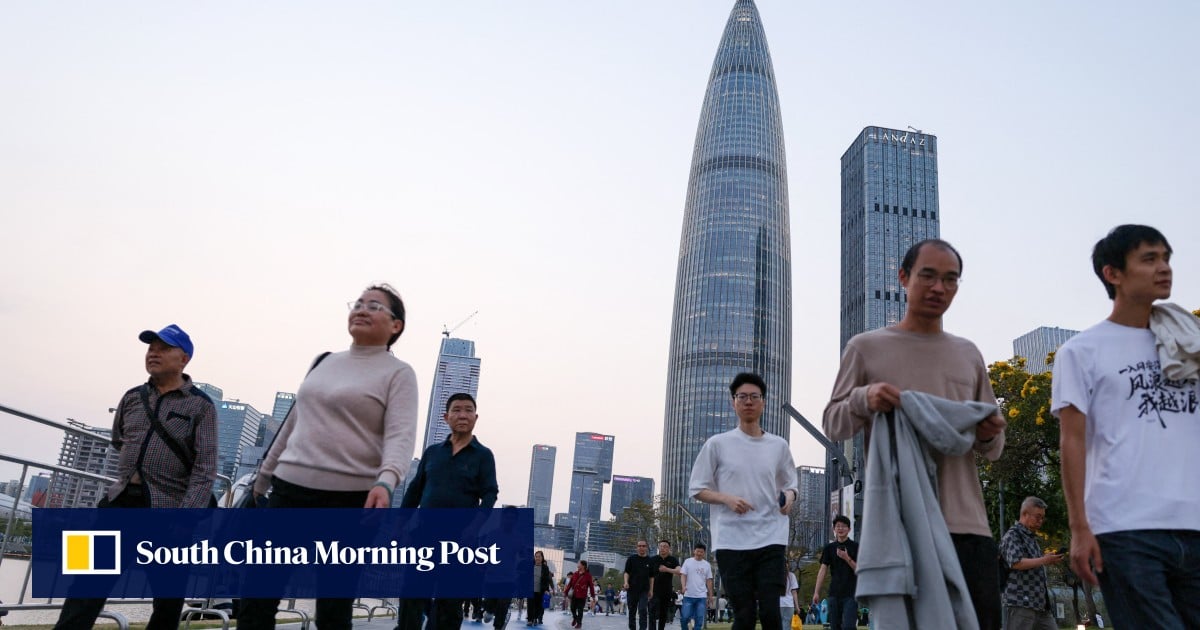
Shenzhen – southern China’s technology powerhouse – has launched an ambitious three-year action plan to build itself into a hub for intelligent computing clusters by advancing key areas such as semiconductors, storage and AI servers.
The city aimed to see a “leapfrog” increase in the production capacity and shipment volume of the entire AI server supply chain by 2028, according to the plan published Monday by Shenzhen’s industry and information technology bureau.
The blueprint is geared to “significantly boost the global market share of key components”, including chips, storage, printed circuit boards, power supplies and optical modules.
A key message is technological sovereignty.
The plan supports domestic chips, including graphics processing units, central processing units and neural processing units, and the “deep integration” of the open-source RISC-V architecture – adopted by many Chinese semiconductor giants to avoid US sanctions – with the open-source operating systems OpenEuler and OpenHarmony, both initially developed by Huawei Technologies before being donated to China’s OpenAtom Foundation.
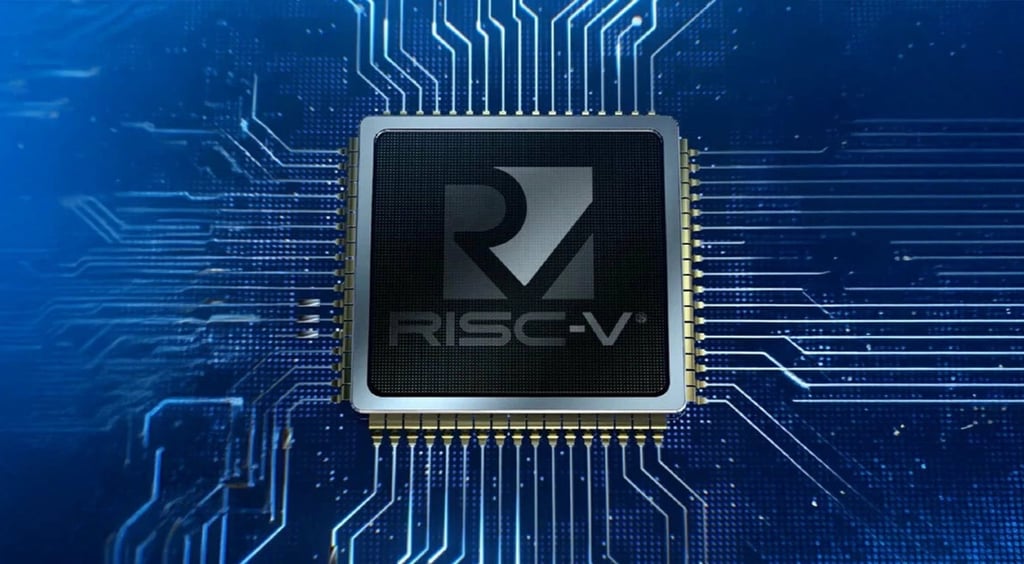 The Shenzhen plan supports the “deep integration” of the open-source RISC-V architecture. Photo: Handout
All the hardware is intended to serve AI model training and computing.