
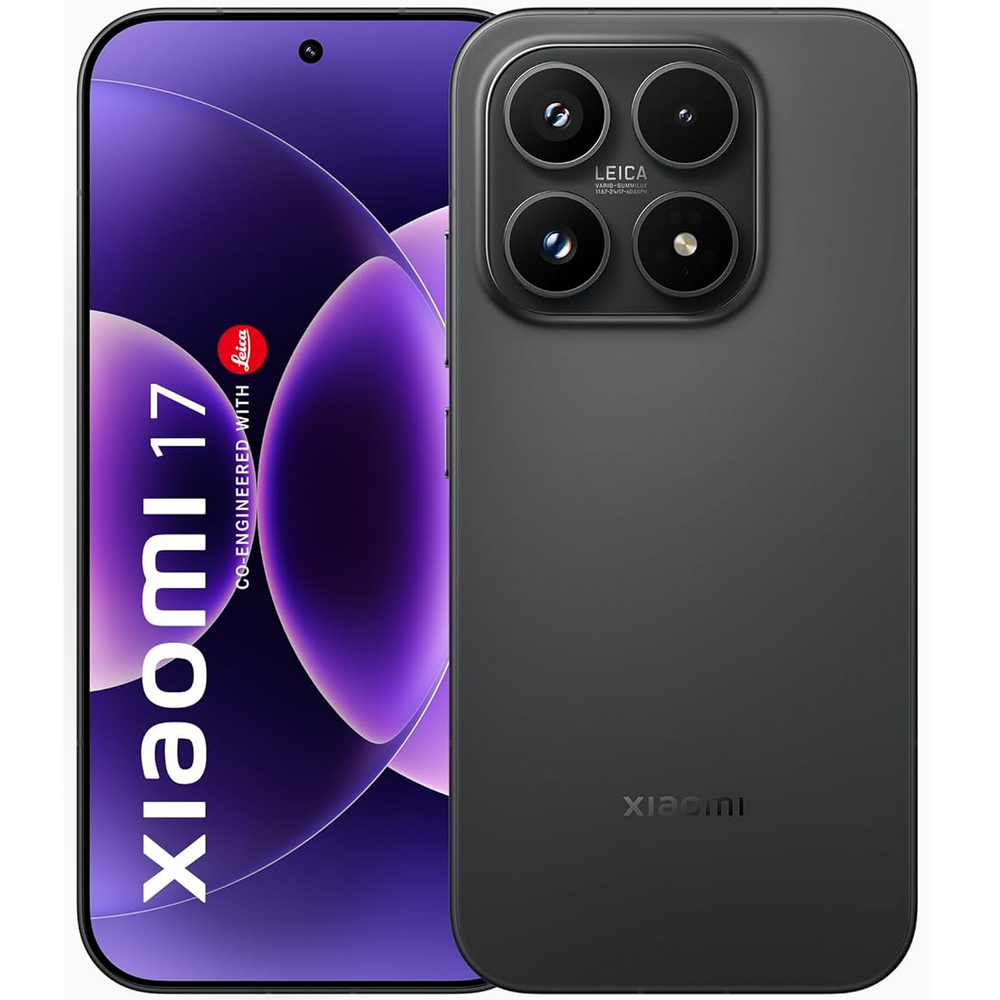
Compact all-rounder
The Xiaomi 17 is a premium Android phone that offers top-of-the-line hardware, a versatile primary camera setup, and a huge battery with super-fast charging, all in a form factor comfortable enough for one-handed usage.
ProsStunning design and robust build qualityPowerhouse hardware specificationsBig battery with fast wired and wireless chargingConsNot available in the United StatesNo Qi2 support
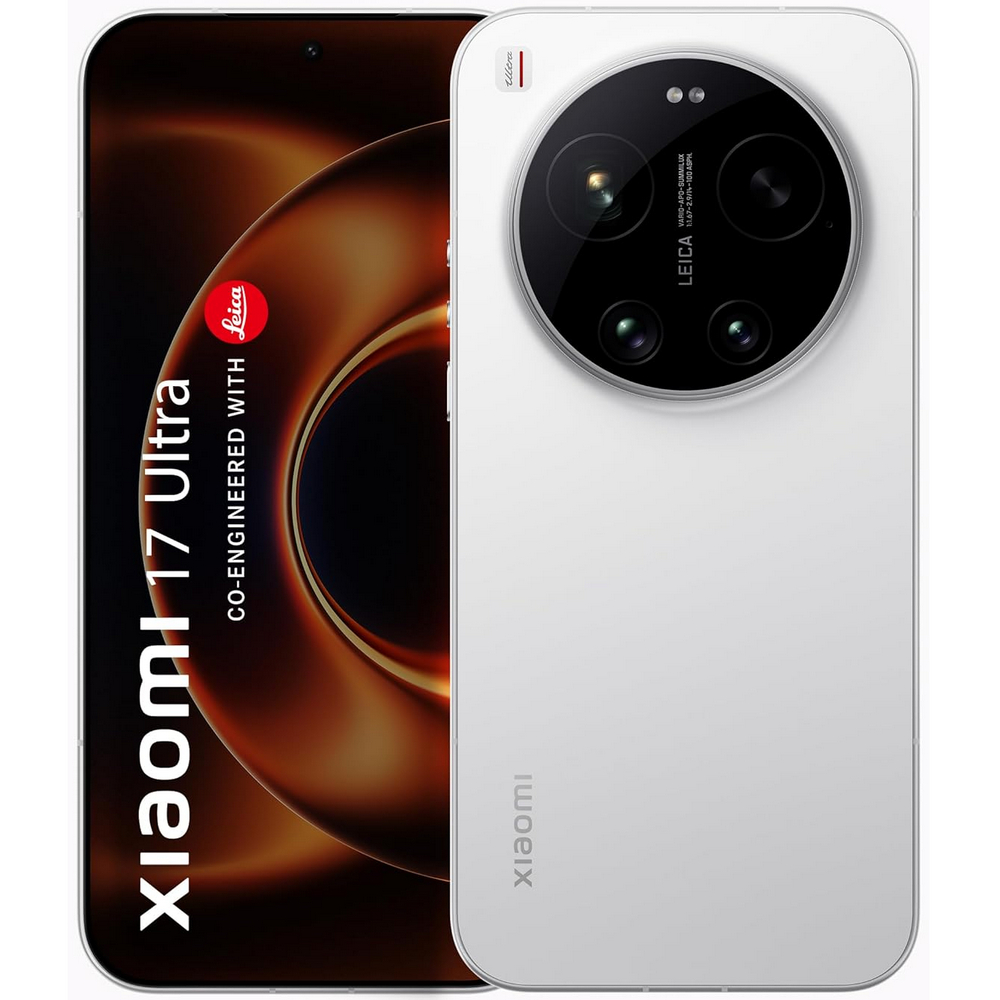
Camera-centric colossus
The Xiaomi 17 Ultra is a top-tier Android phone targeted at those who genuinely love shooting photos and videos. It features a one-of-a-kind rear camera system, optional accessories, and a gorgeous, vibrant display.
ProsPhenomenal camera setupSuperb construction and good ingress protectionBattery endurance is among the best out thereConsPricey, even without optional accessoriesSoftware needs some improvements
But even with all their similarities, Xiaomi’s two newest smartphones are quite different, so choosing one over the other isn’t as easy as it may seem. So, let’s take a comparative look at Xiaomi 17 vs. Xiaomi 17 Ultra and see how these two members of the same family fare against each other.
Xiaomi 17 vs. Xiaomi 17 Ultra: Design and display
(Image credit: Apoorva Bhardwaj / Android Central)
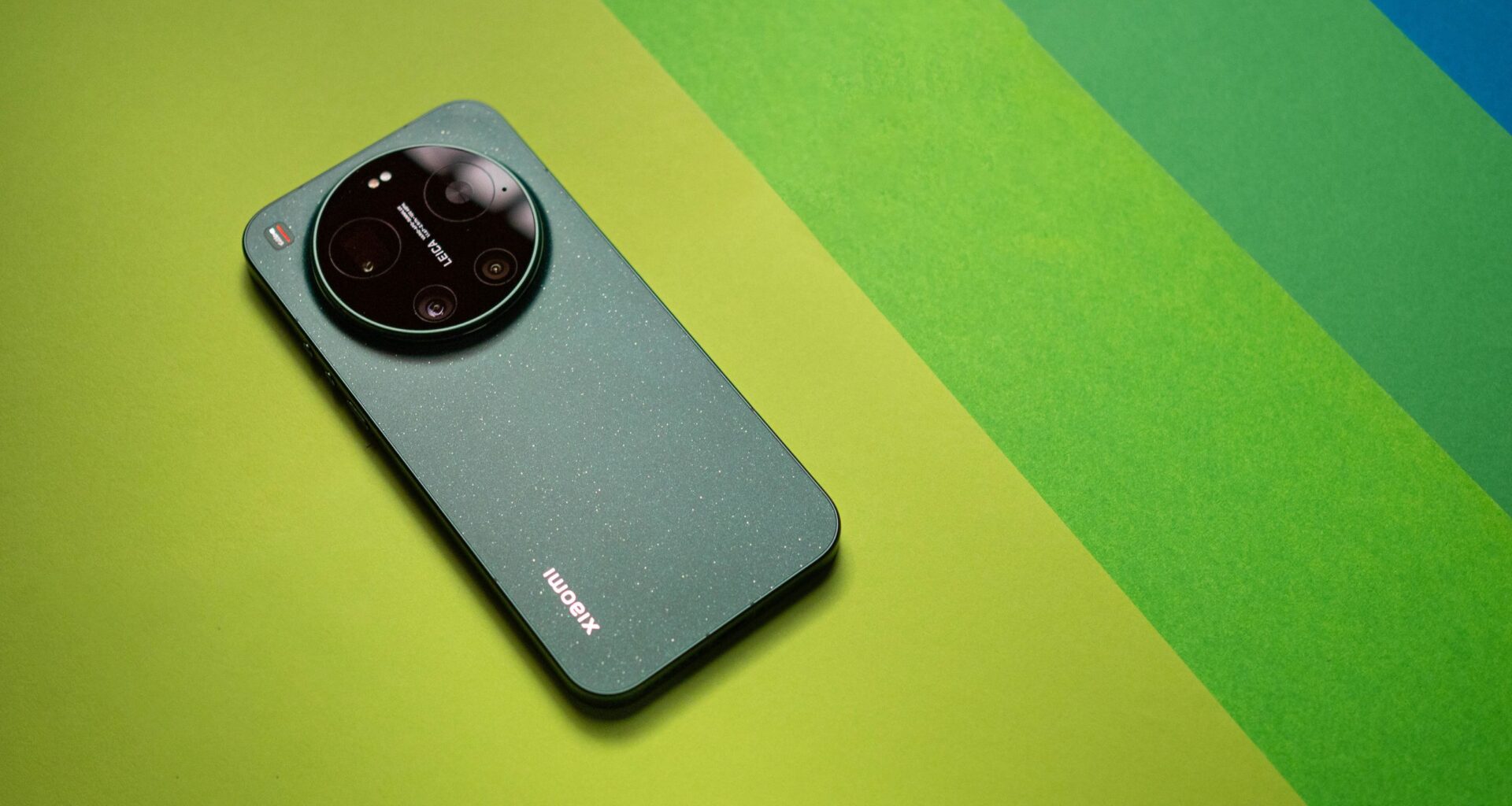
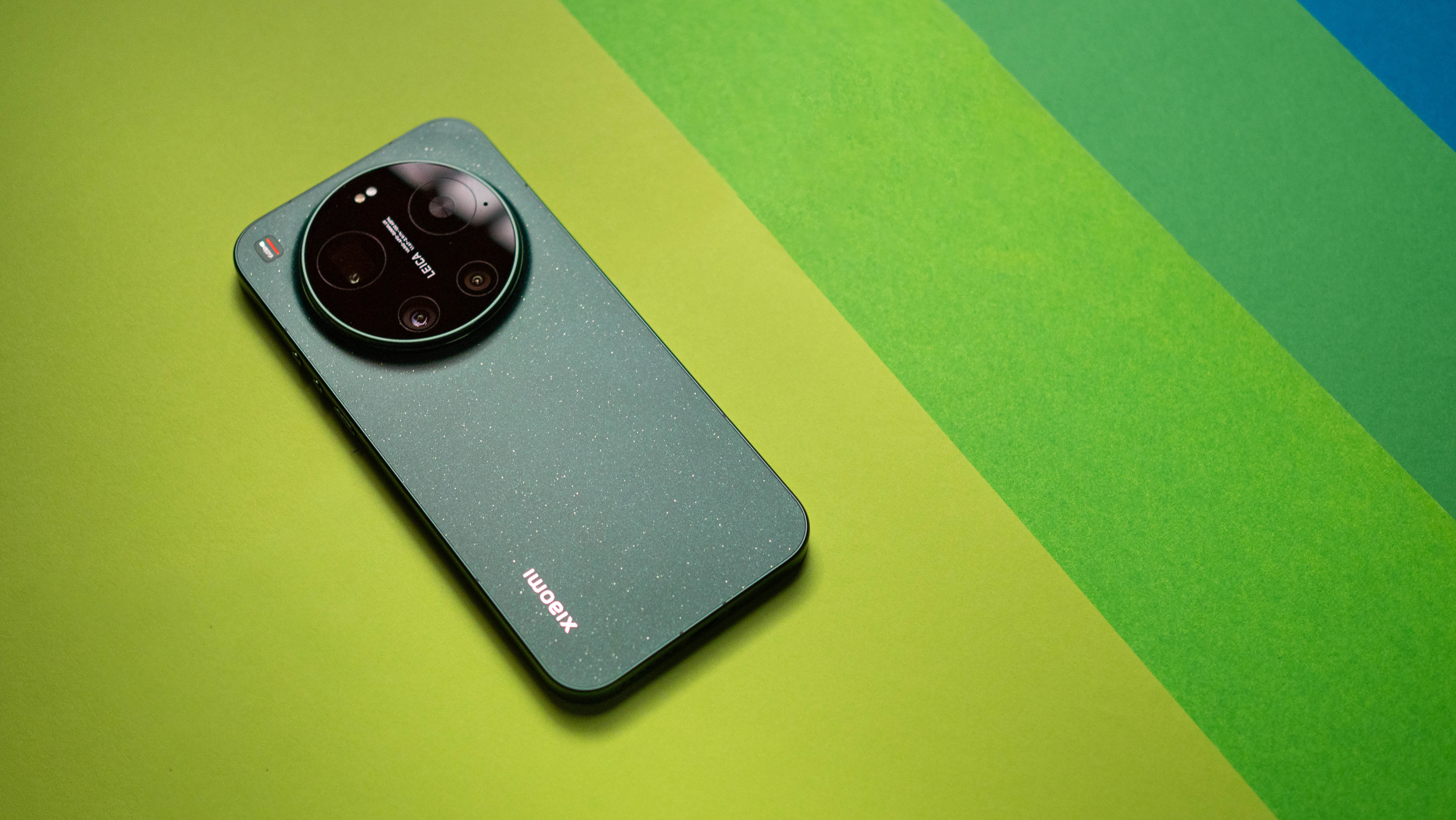
Compare these two Xiaomi flagships side by side, and the first visual distinction that becomes immediately apparent is their differing physical footprint. While the Xiaomi 17 is a fairly compact device, the Xiaomi 17 Ultra is a much more substantial piece of hardware. As you’d expect, the 17 Ultra is also a bit heavier (28g, to be exact) than the 17. Flip the flagships to their business side, and the size difference also translates to the amount of visual real estate you get.
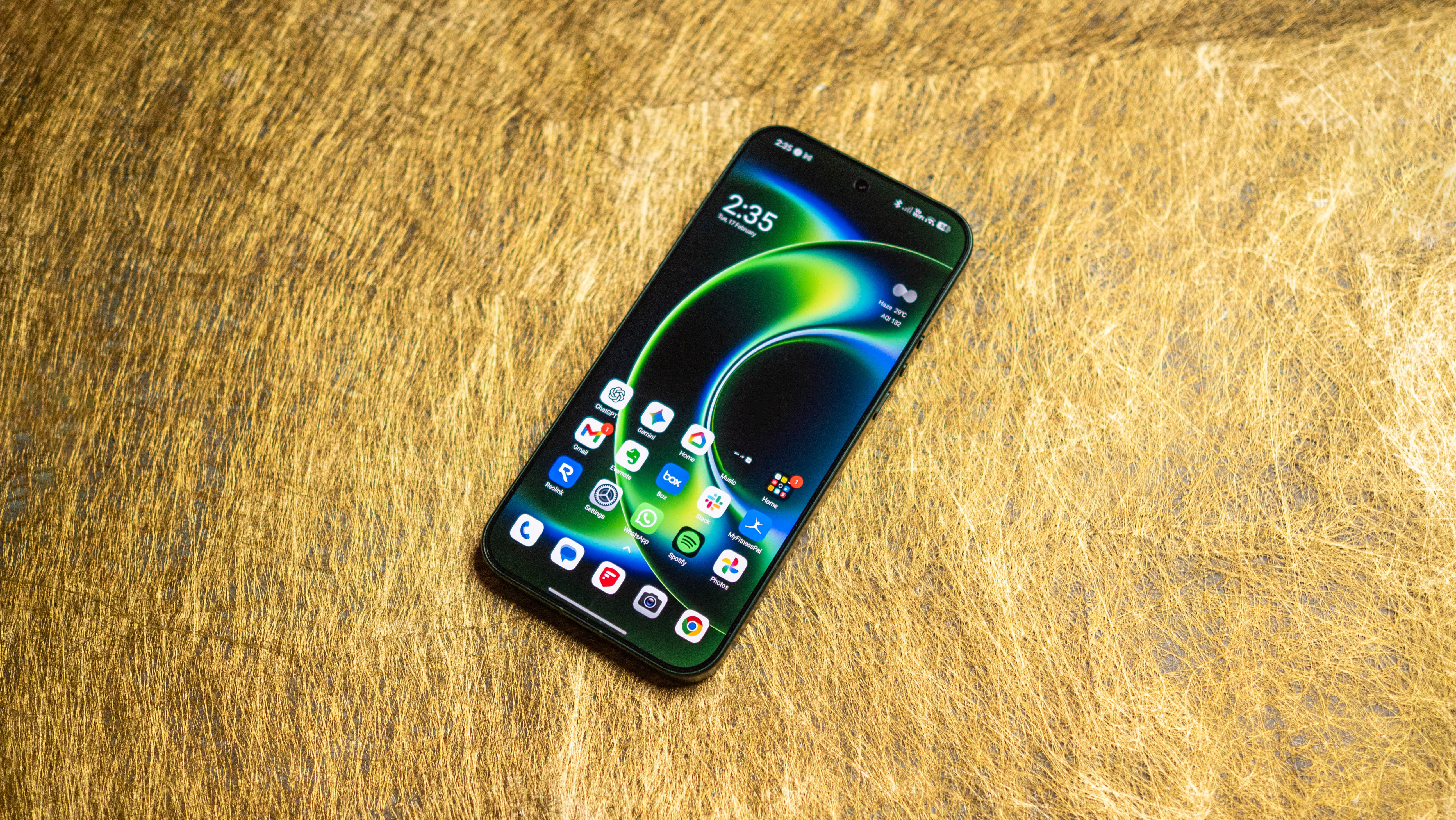
The Xiaomi 17 comes with a 6.3-inch OLED panel (protected by Xiaomi Shield Glass) with a pixel density of around 460ppi, whereas the Xiaomi 17 Ultra packs a 6.9-inch OLED screen (protected by Xiaomi Shield Glass 3.0) with a pixel density of about 416ppi. Surrounded by extremely thin bezels, both displays are amazing to look at and fantastic to interact with, thanks to their 120Hz variable refresh rate, 12-bit color depth, up to 3,500nits of peak brightness, DCI-P3 color space compatibility, and multi-format HDR support.
Article continues below
You may like
(Image credit: Xiaomi)
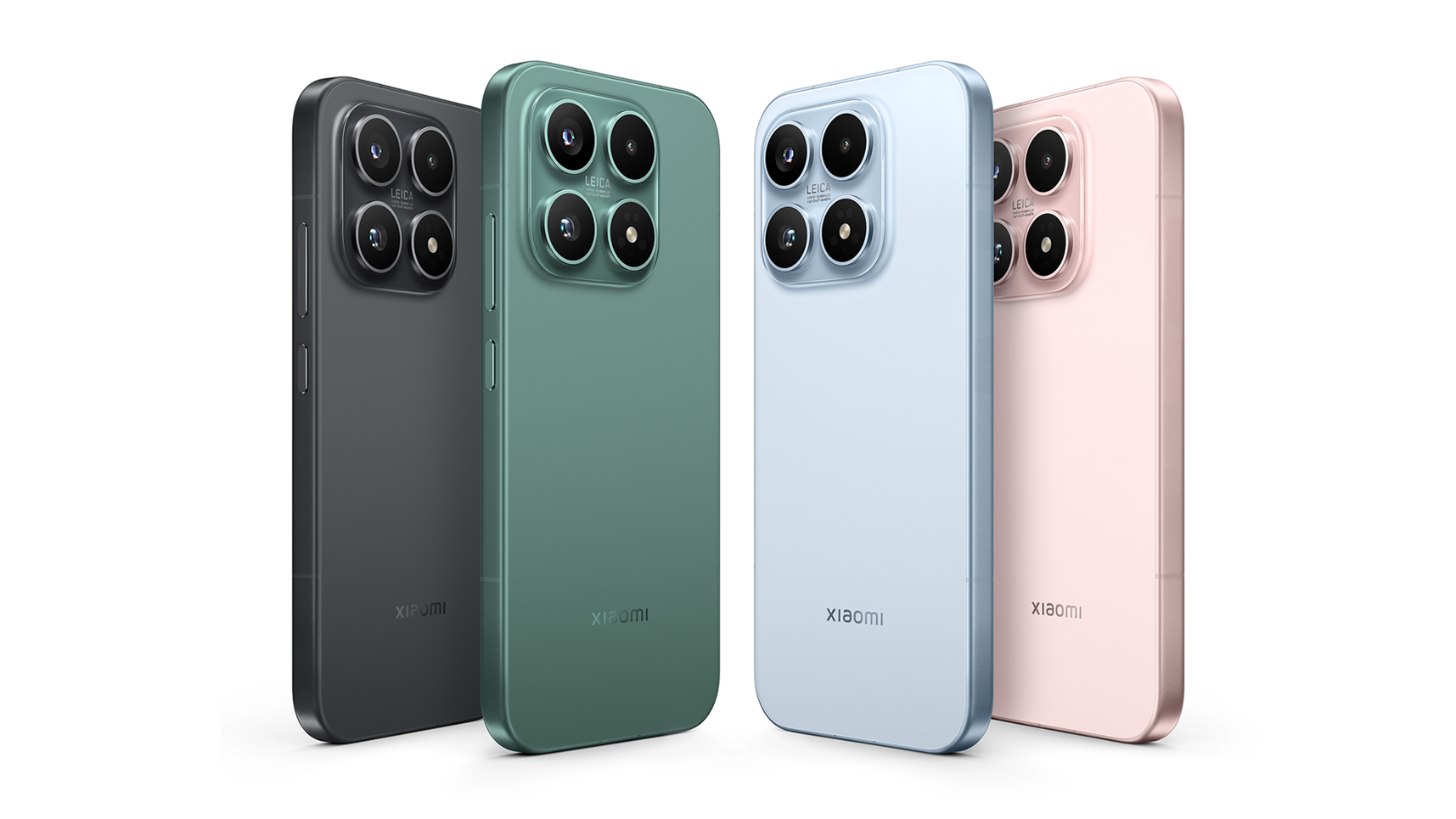
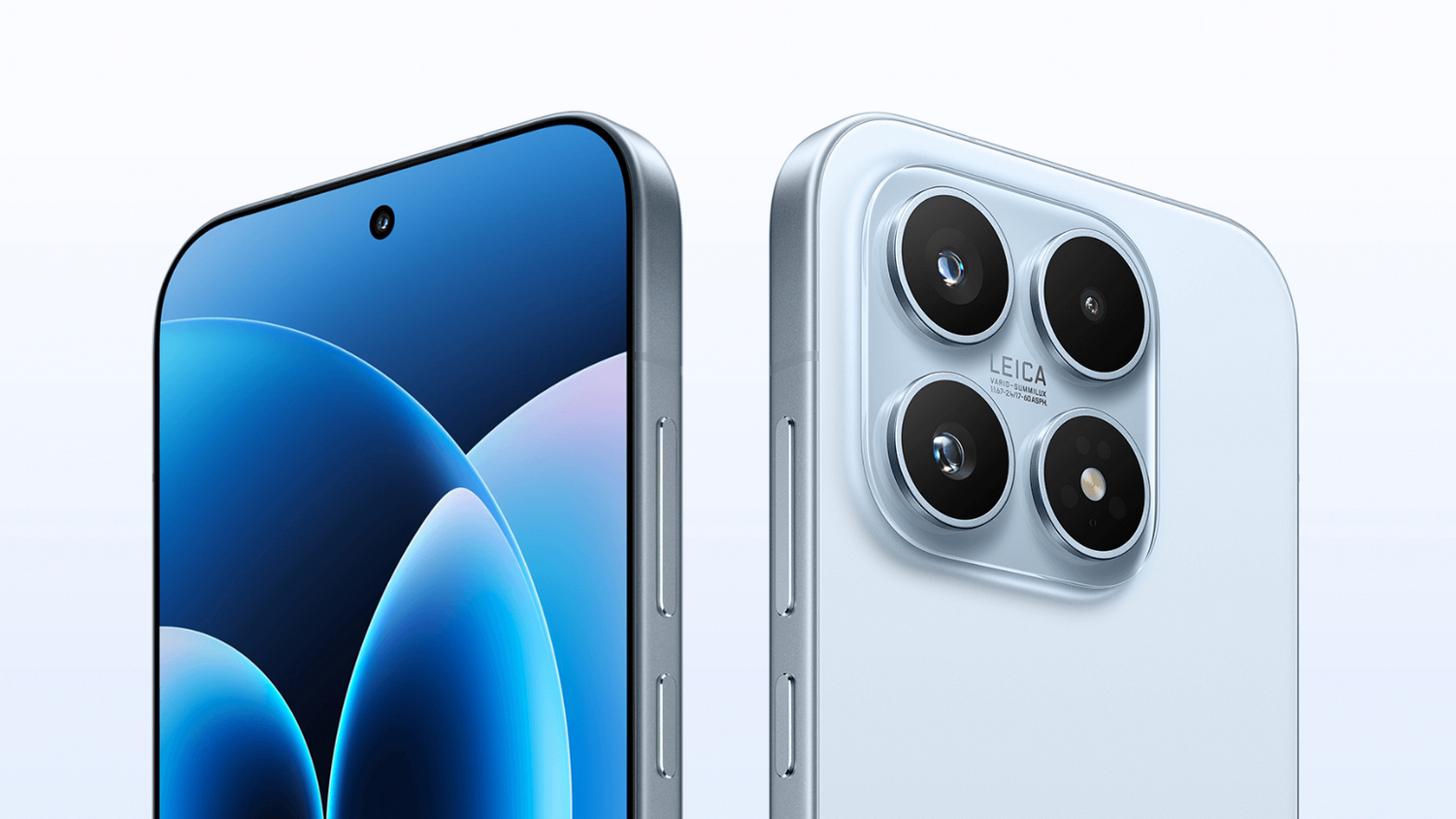
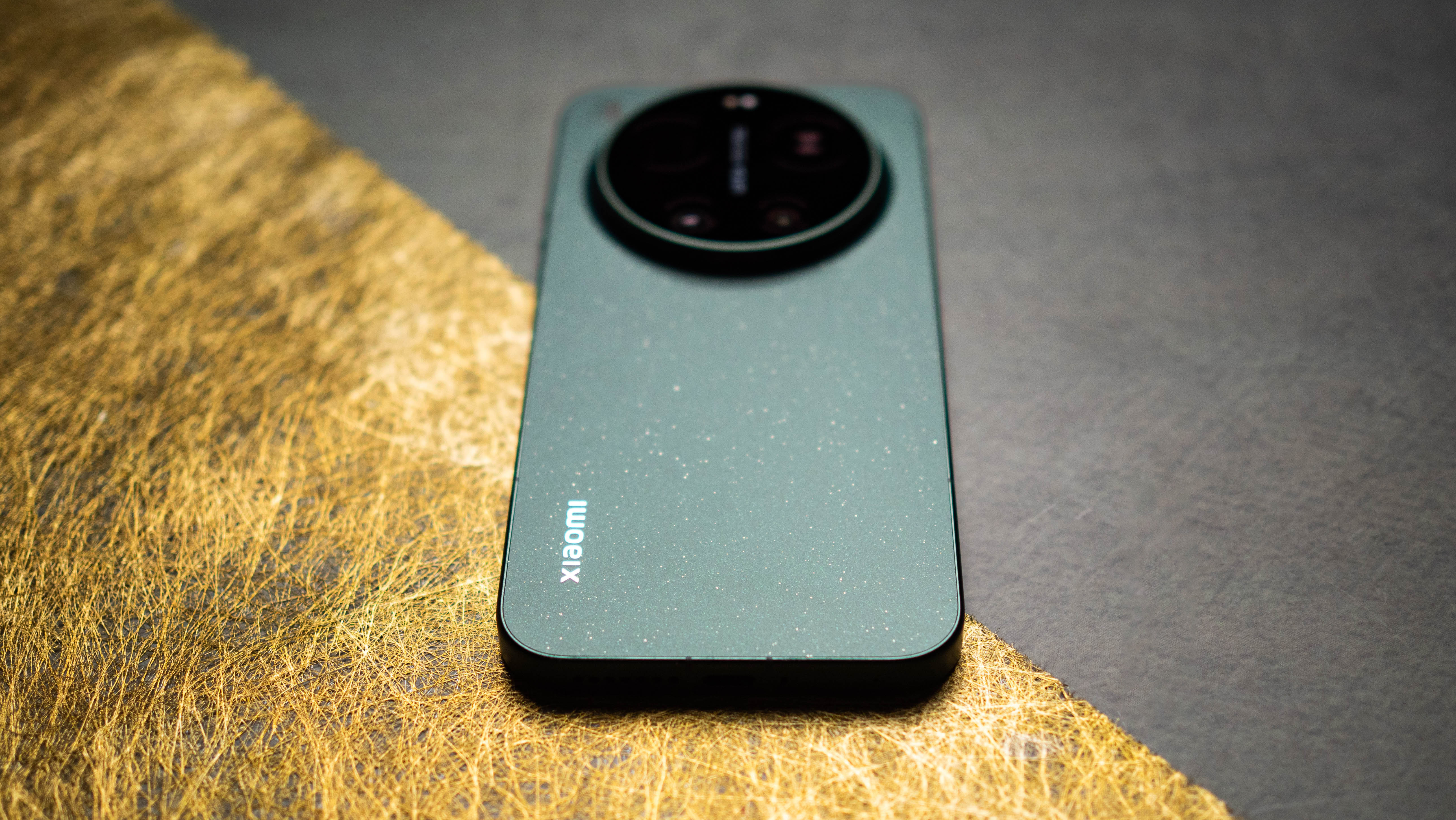
The rear design is where things get quite interesting. The Xiaomi 17 sports an all-glass back panel, with its triple-lens camera setup housed in a color-matched square housing in the top-left corner. On the other hand, the Xiaomi 17 Ultra features a gargantuan circular black camera island that’s home to its powerhouse triple-lens camera system, and the housing occupies most of the top half of the fiber-reinforced plastic back panel. It goes without saying that both of these smartphones have top-tier build quality, complete with an aluminum frame, tactile physical buttons, and IP68 certification for dust and water resistance.
Xiaomi 17 vs. Xiaomi 17 Ultra: SpecsSwipe to scroll horizontally
Category
Xiaomi 17
Xiaomi 17 Ultra
Dimensions
151.1 x 71.8 x 8.0 mm (5.94 x 2.82 x 0.31 in)
162.9 x 77.6 x 8.3 mm (6.41 x 3.05 x 0.33 in)
Durability & Material(s)
IP68 rating for dust and water resistance, Xiaomi Shield Glass (front), Glass (back), aluminum frame
IP68 rating for dust and water resistance, Xiaomi Shield Glass 3.0 (front), Fiber-reinforced plastic (back), aluminum frame
Weight
191 g
219 g
Display
6.3-inch CrystalRes OLED (1220×2656 pixels resolution), LTPO, 120Hz variable refresh rate, 12-bit color depth, 3,500nits peak brightness
6.9-inch HyperRGB OLED (1200×2608 pixels resolution), LTPO, 120Hz variable refresh rate, 12-bit color depth, 3,500nits peak brightness
Chipset / SoC
Qualcomm Snapdragon 8 Elite Gen 5
Qualcomm Snapdragon 8 Elite Gen 5
RAM
12GB LPDDR5X
16GB LPDDR5X
Storage
256GB/512GB UFS 4.1
512GB/1TB UFS 4.1
Sensors
Under-display ultrasonic fingerprint sensor, Accelerometer, Ambient light sensor, Barometer, Electronic compass, Flicker sensor, Gyroscope, Hall sensor, Laser focus sensor, Proximity sensor
Under-display ultrasonic fingerprint sensor, Accelerometer, Ambient light sensor, Barometer, Electronic compass, Flicker sensor, Gyroscope, Hall sensor, Laser focus sensor, Proximity sensor
Connectivity & I/O
Wi-Fi 7, Bluetooth 6.0, 5G (mmWave and Sub-6), GPS, NFC, and USB-C 3.2 (with DisplayPort)
Wi-Fi 7, Bluetooth 6.0, 5G (mmWave and Sub-6), GPS, NFC, and USB-C 3.2 (with DisplayPort)
Other Features
IR Blaster, IceLoop cooling system
IR Blaster, Dual-channel IceLoop cooling system
Battery & Charging
6,330mAh Si/C, 100W (wired) and 50W (wireless) charging
6,000mAh Si/C, 90W (wired) and 50W (wireless) charging
Cameras (Rear)
50MP wide-angle, 50MP floating telephoto (2.6x optical zoom), and 50MP ultra-wide | 8K video recording
50MP wide-angle, 200MP continuous telephoto (3.2x-4.3x optical zoom), and 50MP ultra-wide | 8K video recording
Camera (Front)
50MP wide-angle | 4K video recording
50MP wide-angle | 4K video recording
Camera-related features
Leica filters and photographic styles, RAW mode support, Log video recording
Leica filters and photographic styles, RAW mode support, Log video recording
OS & Software Support
Android 16 (preinstalled) with HyperOS 3 UI overlay, up to six years of OS updates and security patches
Android 16 (preinstalled) with HyperOS 3 UI overlay, up to six years of OS updates and security patches
Color Options
Alpine Pink, Ice Blue, Black, Venture Green
Black, White, Starlit Green
Both flagships are loaded to the gills, with Qualcomm’s top-of-the-line Snapdragon 8 Elite Gen 5 silicon headlining the spec sheets. Although the Xiaomi 17 Ultra (16GB RAM and 512GB/1TB storage) takes things a bit further compared to the Xiaomi 17 (12GB RAM and 256GB/512GB storage), both phones offer superfast LPDDR5X RAM and UFS 4.1 storage. Needless to say, these two devices can effortlessly handle just about anything you throw at them, and both are capable of holding their own against the best Android phones available out there.
(Image credit: Apoorva Bhardwaj / Android Central)
You also get all essential connectivity and I/O options on both smartphones, including Wi-Fi 7, Bluetooth 6, multi-band 5G, NFC, and USB Type-C 3.2 with DisplayPort functionality. In true Xiaomi fashion, there’s even an IR blaster included in the mix.
Xiaomi 17 vs. Xiaomi 17 Ultra: Cameras
(Image credit: Xiaomi)
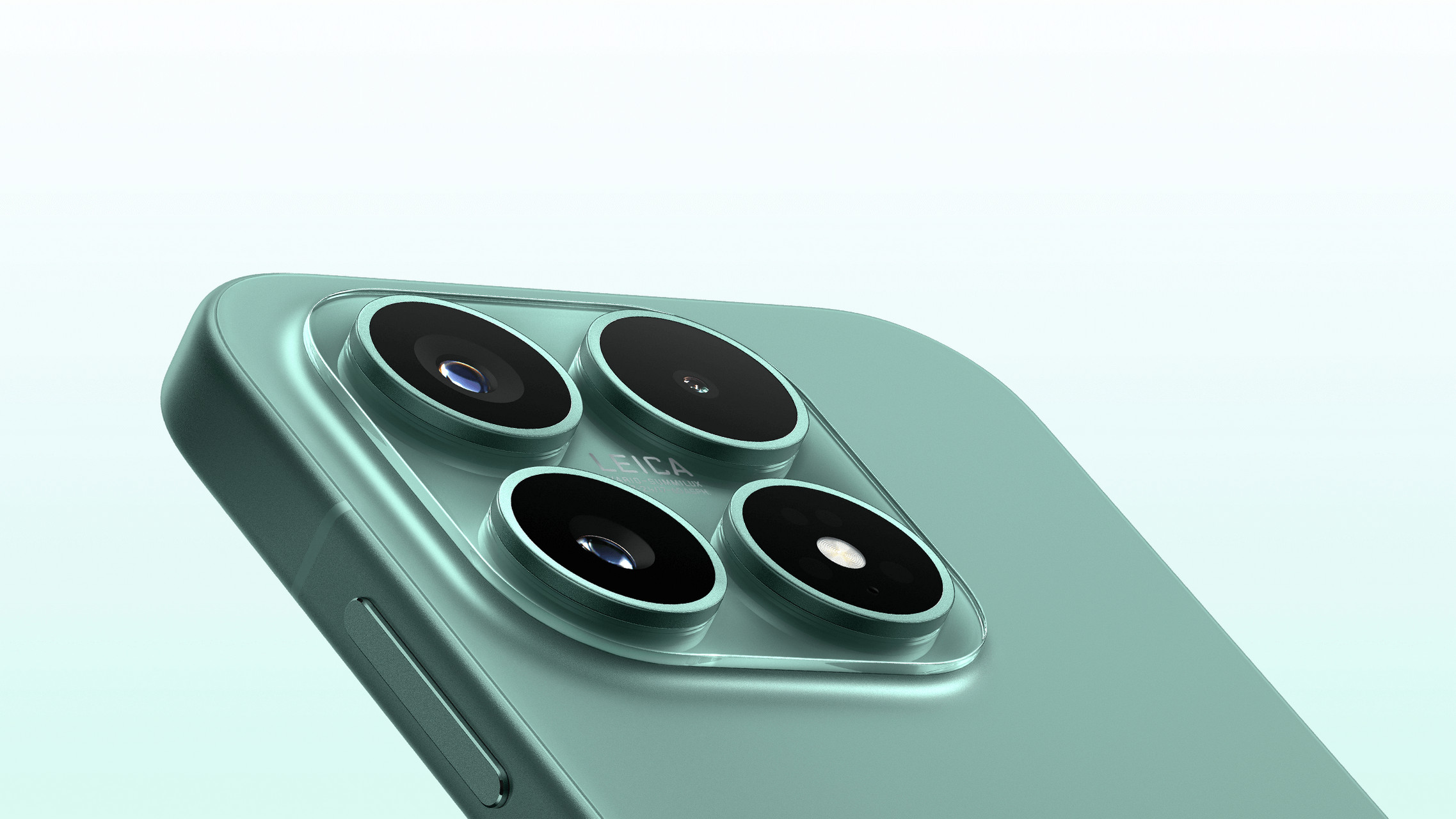
Both the Xiaomi 17 and the Xiaomi 17 Ultra pack impressive primary camera arrays co-engineered with Leica, continuing the long-standing collaboration between the two brands. The Xiaomi 17 has a triple-lens rear camera system with a 50MP (1/1.31-inch size) primary sensor, a 50MP floating telephoto unit with 2.6x optical zoom, and a 50MP ultrawide module. It’s a versatile setup that lets the Xiaomi 17 capture incredible photos and high-resolution videos in all kinds of lighting conditions.
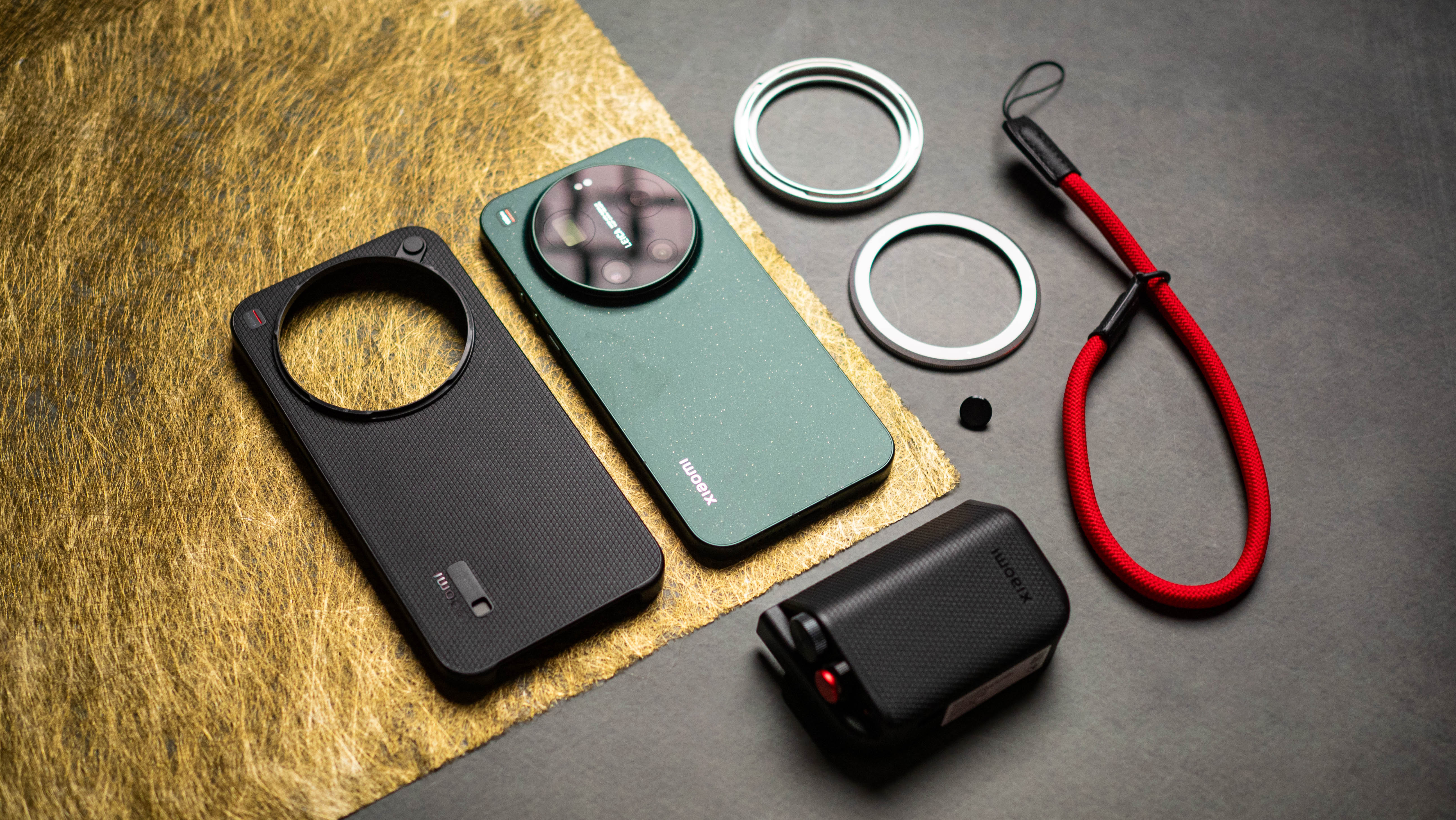
But as incredible as that is, it’s the Xiaomi 17 Ultra that really takes things to the next level, with a triple-lens rear camera setup comprising a 50MP (1-inch) primary sensor, a 200MP telephoto unit with 3.2x-4.3x continuous optical zoom, and a 50MP ultrawide module. If all that sounds like some serious camera hardware, it’s because it is.
As noted by Android Central’s Harish Jonnalagadda in his review, the Xiaomi 17 Ultra captures extraordinary photos packed with detail, even in less-than-ideal lighting. All three lenses work equally well, and Xiaomi has made a lot of improvements to its image processing and color tuning. The same is true for videos, too, with full support for cinematic color profiles and professional video controls.
(Image credit: Apoorva Bhardwaj / Android Central)
Furthermore, the camera experience on both smartphones is helped by a laundry list of customization tools, Leica-inspired photographic styles, RAW capture support, Log video recording, and a lot more. In summation, the Xiaomi 17 and the Xiaomi 17 Ultra are hands down two of the best Android camera phones you can get in the market right now.
What to read next
Xiaomi 17 vs. Xiaomi 17 Ultra: Software and battery life
(Image credit: Apoorva Bhardwaj / Android Central)
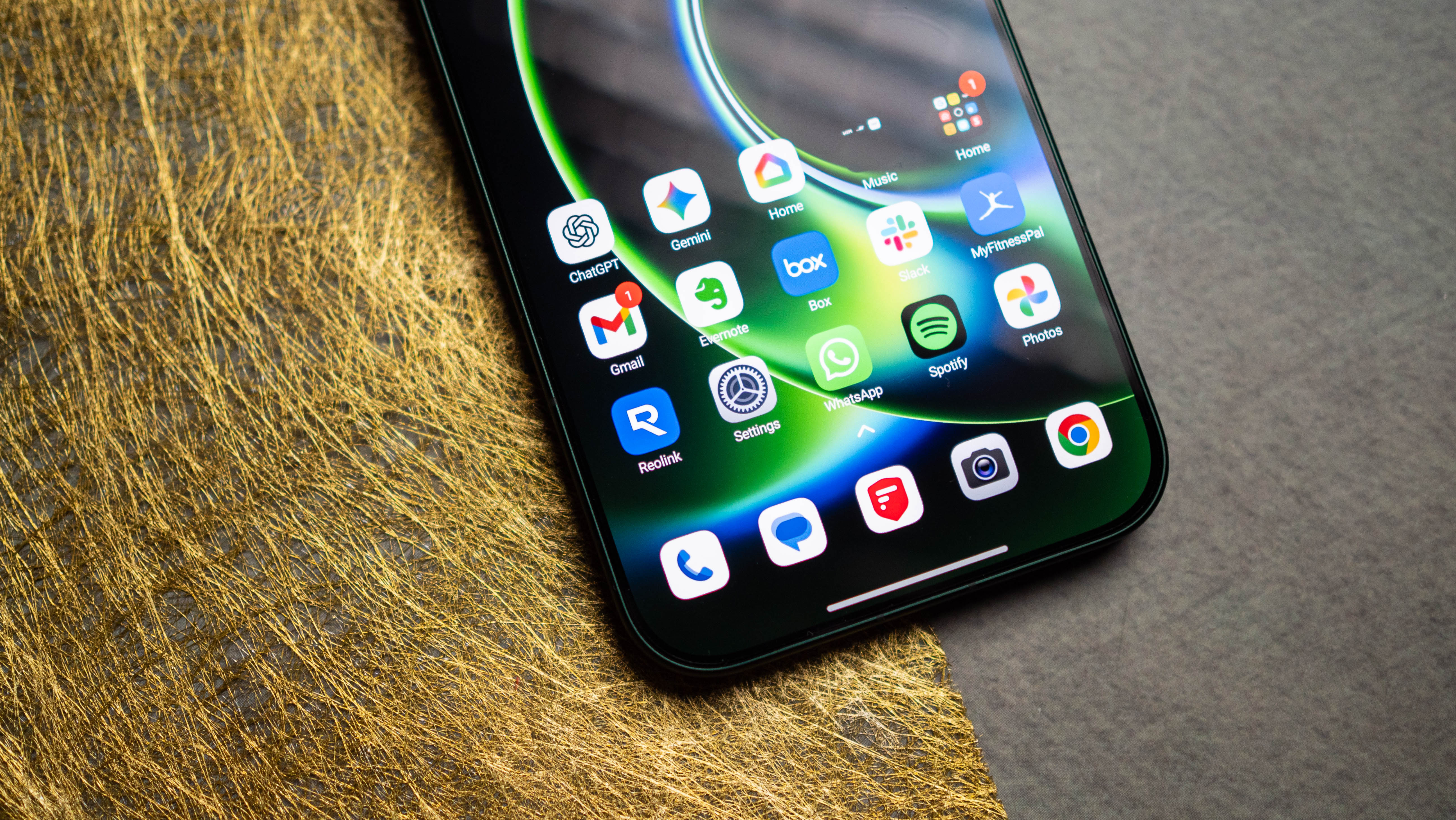
Running Android 16 out of the box, the Xiaomi 17 and the Xiaomi 17 Ultra are identical in terms of their overall software experience. You get Xiaomi’s HyperOS 3 UI overlaid on top, and it’s quite reliable for everyday use.
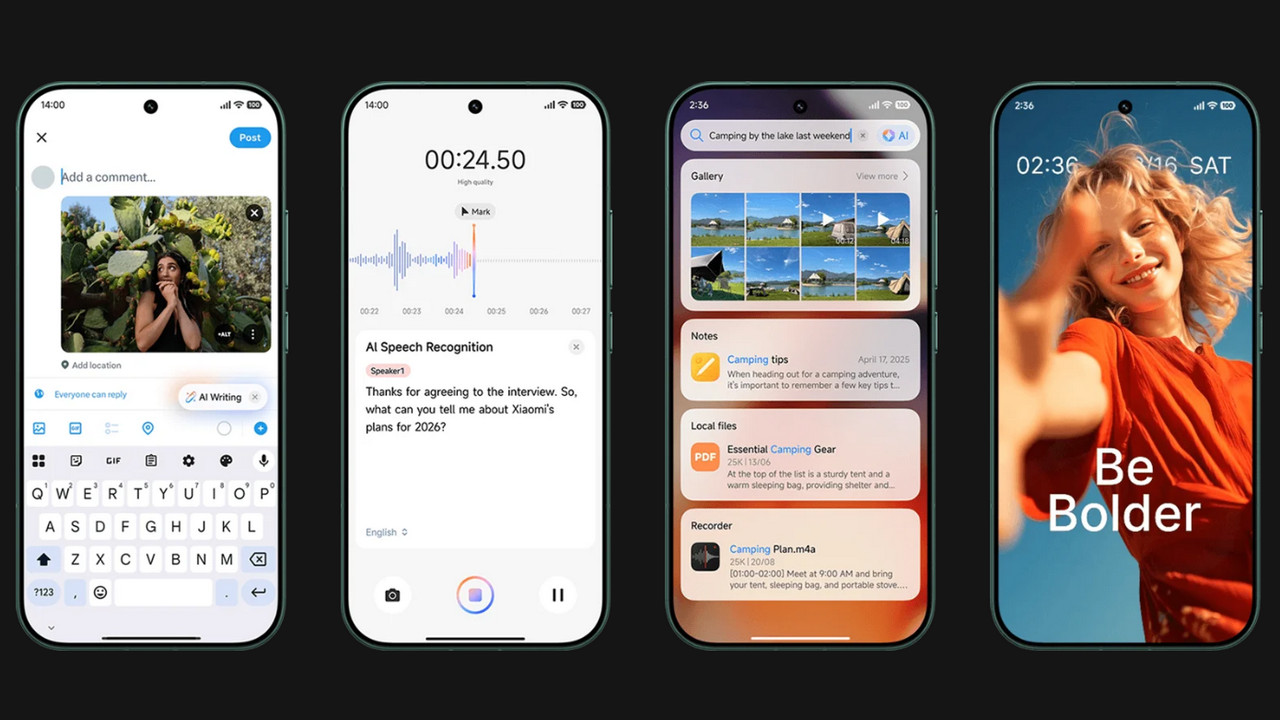
Although HyperOS 3 is not as feature-laden as some competing UI overlays like One UI (Samsung) and OxygenOS (OnePlus), you still get a bunch of customization options (dynamic wallpapers, ‘HyperIsland’ alerts) and Xiaomi’s own suite of AI-powered utilities, along with Google’s AI-based tools like Gemini.
The company has promised up to six years of OS updates and security patches for the two phones, but Xiaomi’s track record isn’t exactly the best when it comes to software support, so we’ll just have to wait and see how things turn out in the real world.
(Image credit: Xiaomi)
Regarding the battery, it’s a good thing that Xiaomi (like many other Chinese brands) has also embraced silicon-carbon technology, as both the Xiaomi 17 and the Xiaomi 17 Ultra have pretty sizeable powerpacks. It’s also worth noting that the Xiaomi 17 comes with a bigger battery and faster wired charging (6,330mAh with 100W) compared to the Xiaomi 17 Ultra (6,000mAh with 90W), despite the former being the more compact of the two.
That said, you do get equally speedy wireless charging speed (50W) on both smartphones, so neither should have any issues going on a full day (or two) with moderate to heavy use.
Xiaomi 17 vs. Xiaomi 17 Ultra: Which should you go for?
Image 1 of 2
 (Image credit: Xiaomi)
 (Image credit: Apoorva Bhardwaj / Android Central)
While they are very expensive, there’s no denying that Xiaomi 17 (starting at around $1,199) and Xiaomi 17 Ultra (starting at about $1,732) are two of the most powerful and feature-laden Android smartphones you can buy in 2026. From top-of-the-line specifications to remarkable camera hardware to blazing-fast charging technology, they tick all the right boxes. You really can’t go wrong with either, but (assuming you live in a region where they’re available and don’t care about the price) which one should you get?
The answer is fairly straightforward. If you want a well-rounded flagship smartphone that’s comfortable enough for everyday use, the Xiaomi 17 will serve you quite well. As a matter of fact, the Xiaomi 17 is the sensible choice for most users. On the other hand, if you’re someone who takes their photos (and videos) very seriously, getting the Xiaomi 17 Ultra is certainly recommended. It’s a somewhat niche smartphone, but the 17 Ultra can (almost) double as a professional-level photo and video camera.
Compact all-rounder
The Xiaomi 17 is aimed for those who want a flagship Android smartphone that ticks all the right boxes. It has incredible build quality, superb cameras, and a big battery that can be completely charged in just a matter of minutes.
Camera-centric colossus
The Xiaomi 17 Ultra is perfect for those who want a powerful Android smartphone that goes the extra mile when it comes to photos and videos. It has an impressive primary camera system, a vibrant display, and a gorgeous design.